

Horner’s Syndrome in Cats: Comprehensive Guide to Diagnosis and Management
Horner’s Syndrome is a neurological condition that affects the sympathetic nervous system pathway controlling the eyes and face in cats. This condition manifests through a distinctive set of clinical signs that can be alarming to cat owners when first observed. Understanding the nature of this syndrome, its underlying causes, and available treatment options is essential for providing appropriate care to affected felines. While the condition may appear serious, many cases resolve favorably with proper veterinary intervention and supportive care.
What Is Horner’s Syndrome?
Horner’s Syndrome occurs when trauma or disease disrupts the function of the sympathetic nervous system that supplies the face and eyes. The sympathetic nervous system is related to reflexes and controls bodily functions that occur automatically and without conscious awareness, such as pupil dilation and positioning of the eye in the socket. The sympathetic pathway to the eye is remarkably long and complex, involving the brain, spinal cord, chest cavity, neck, middle ear, and eyes. Disruption anywhere along this pathway can lead to Horner’s Syndrome development.
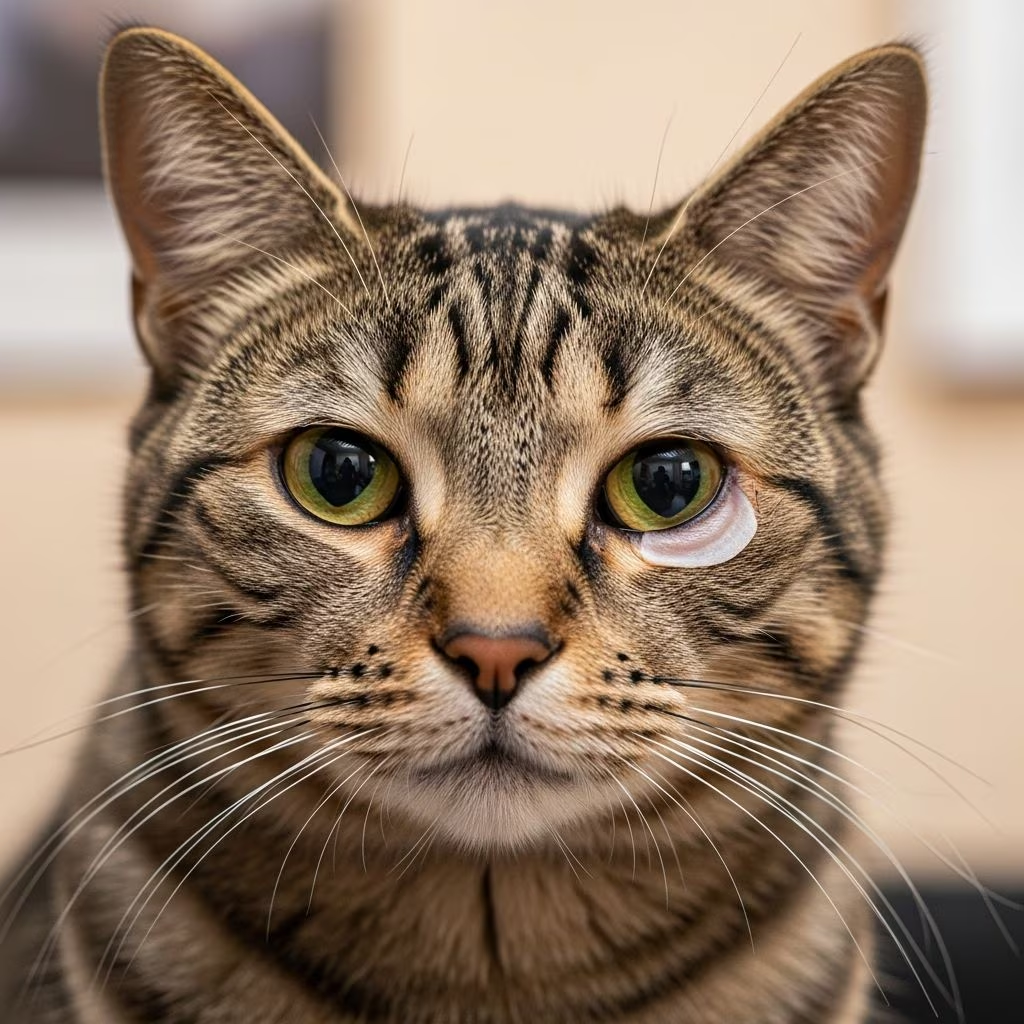
This neurological disorder is characterized by a specific triad of clinical signs that veterinarians recognize as hallmark features of the condition. The clinical presentation helps veterinarians differentiate Horner’s Syndrome from other ocular or neurological conditions affecting felines.
Clinical Signs and Symptoms
Cats with Horner’s Syndrome typically present with three primary clinical signs that collectively create the characteristic appearance associated with this condition:
- Miosis (constricted pupil): The pupil on the affected side becomes noticeably smaller than the pupil on the unaffected side, even in normal lighting conditions. This asymmetry is typically the most obvious sign that prompts owners to seek veterinary attention.
- Ptosis (drooping eyelid): The upper eyelid on the affected side droops slightly, creating an appearance of partial eye closure. This symptom often gives the cat a drowsy or unwell appearance on one side of the face.
- Enophthalmos (sunken eye): The eyeball appears to sit deeper in the socket on the affected side, creating a subtle but noticeable difference in eye prominence compared to the opposite eye.
Additional clinical signs may accompany these primary symptoms. Protrusion of the third eyelid (nictitating membrane) is commonly observed, creating a visible pink or white membrane emerging from the inner corner of the affected eye. Some cats may experience conjunctival injection, where blood vessels in the conjunctiva become more prominent. Decreased tear production on the affected side may also occur, potentially leading to corneal irritation or ulceration if left unaddressed.
Underlying Causes of Horner’s Syndrome
Horner’s Syndrome in cats can result from various underlying pathological conditions affecting the sympathetic nervous system pathway. Understanding the potential causes is crucial for appropriate treatment planning and prognosis determination.
Idiopathic Cases
Approximately 50% of feline Horner’s Syndrome cases are classified as idiopathic, meaning no identifiable underlying cause can be determined despite thorough diagnostic investigation. These cases often resolve spontaneously within 6-8 weeks without specific treatment, making them the most favorable category prognostically.
Infectious Causes
Middle or inner ear infections represent one of the most common identifiable causes of Horner’s Syndrome in cats. The anatomical proximity of facial nerves to the middle ear structures makes these infections particularly likely to disrupt sympathetic nerve function. Both bacterial and fungal infections can precipitate this syndrome.
Traumatic Injuries
Head, neck, chest, or spinal cord injuries can damage sympathetic nerves, leading to Horner’s Syndrome development. Trauma-related cases require careful assessment of the extent of nerve damage and surrounding tissue involvement.
Neoplastic Conditions
Tumors affecting the nerve pathway represent another significant cause category. Chest, neck, or brain tumors can put direct pressure on sympathetic nerves, disrupting normal function. Thoracic tumors or injuries particularly affect the long sympathetic pathway running through the chest cavity.
Spinal Cord Disease
Spinal cord injuries or degenerative diseases can disrupt the sympathetic pathway, particularly where it traverses the cervical and thoracic spine regions. Blood clots or infarctions affecting the spinal cord can create lesions disrupting typical nerve function.
Other Neurological Conditions
Systemic or neurological disorders such as intervertebral disc disease, vascular disease (including stroke-like events), or nerve damage in the shoulder region can trigger secondary Horner’s Syndrome development.
Diagnostic Procedures
Veterinarians diagnose Horner’s Syndrome through a systematic approach combining physical examination, clinical evaluation, and specialized testing. The diagnostic process aims both to confirm the diagnosis and to identify underlying causes requiring specific treatment.
Physical Examination
A thorough physical examination forms the foundation of Horner’s Syndrome diagnosis. Veterinarians assess the presence and severity of the characteristic clinical signs: pupillary asymmetry, ptosis, enophthalmos, and third eyelid protrusion. The distribution of clinical signs (unilateral versus bilateral) provides valuable diagnostic information.
Specialized Eye Testing
Topical eye drops containing pharmacological agents help determine where along the sympathetic pathway the damage has occurred. These diagnostic drops can help localize the lesion to central, preganglionic, or postganglionic locations, which carries implications for treatment planning and prognosis.
Ancillary Imaging Studies
Depending on the clinical presentation and initial diagnostic findings, additional imaging may be necessary. X-rays provide initial assessment of chest and cervical spine structures. CT scans and MRI imaging offer superior soft tissue resolution, particularly helpful for identifying tumors, inflammatory changes, or spinal cord lesions affecting the sympathetic pathway.
Otoscopic Examination
Since middle ear infections represent a common cause, careful otoscopic examination of both ear canals is essential. Abnormalities in the external ear canal, tympanum, or signs of otitis help direct antibiotic or antifungal therapy.
Laboratory Evaluation
Blood work may be recommended to assess overall health status and rule out systemic conditions contributing to nerve dysfunction. Complete blood counts and chemistry panels help evaluate for infection or metabolic abnormalities.
Treatment Approaches
Treatment options and prognosis depend primarily on the underlying cause of the nervous system disruption. A comprehensive treatment approach addresses the root cause while providing supportive care for symptom management.
Addressing Underlying Conditions
Infection Management: For cats with middle ear disease, veterinarians typically prescribe antibiotics targeting the specific bacteria causing infection. Treatment courses typically require 3-4 weeks for complete infection clearance. Success rates are high when infections are caught early, with most cats showing improvement within 1-2 weeks of beginning treatment. Some severe ear infections may require myringotomy (surgical puncture of the eardrum) to allow proper drainage and medication delivery to infected tissues.
Tumor Treatment: When tumors are identified, treatment options may include surgical removal, radiation therapy, or chemotherapy, depending on the tumor’s location, size, and type. While more invasive than other treatment modalities, directly addressing tumors can lead to significant improvement in Horner’s Syndrome symptoms if the tumor was compressing or damaging the nerve pathway.
Trauma Management: For traumatic injuries, anti-inflammatory medications are prescribed to reduce swelling around the nerve pathway, allowing for natural healing. The success rate for trauma-related cases is generally good, with many cats regaining normal nerve function as the injury heals. Treatment focuses on stabilizing the cat, controlling pain, and allowing adequate time for healing.
Symptomatic Medication Therapy
Phenylephrine Eye Drops: These special eye drops can be used both diagnostically and therapeutically. They help temporarily reverse some symptoms, particularly pupil constriction and drooping eyelid. The drops are typically administered 2-3 times daily, with improvement visible within 20-30 minutes after application, though effects are temporary. These drops work by stimulating remaining sympathetic nerve endings in the iris, causing pupil dilation.
Antibiotics: For cases resulting from bacterial infections, appropriate antibiotics are prescribed. It is essential to complete the full antibiotic course even if symptoms improve early in treatment, ensuring complete bacterial eradication and preventing relapse.
Supportive Care Measures
Eye Lubrication and Protection: Cats with Horner’s Syndrome often have decreased tear production or inability to blink normally on the affected side. Artificial tears or lubricating eye ointments are frequently recommended to prevent corneal drying and potential ulceration. These lubricants should be applied as directed by the veterinarian, typically 3-4 times daily.
Environmental Management: Keeping the affected eye protected from irritants and ensuring adequate nutrition supports the cat’s recovery process. Soft bedding and a stress-reduced environment promote healing.
Surgical Interventions
When underlying structural lesions such as tumors or severe traumatic injuries are identified, surgical intervention may be necessary. Surgical procedures aim to remove or repair the underlying cause of nerve compression or damage, potentially allowing nerve function restoration.
Watchful Waiting
For idiopathic cases where no identifiable cause exists, veterinarians may recommend watchful waiting, where owners monitor their cat for any changes over time. Many idiopathic cases clear up on their own without specific treatment, though recovery may take several months for symptoms to fade completely.
Prognosis and Recovery Timeline
The prognosis for Horner’s Syndrome in cats varies significantly depending on the underlying cause. Idiopathic cases, accounting for approximately 50% of occurrences, typically resolve within 6-8 weeks with proper supportive care. Infection-related cases respond well to appropriate antibiotic therapy, with improvement often evident within 1-2 weeks of treatment initiation.
Trauma-related cases generally have favorable prognoses as nerve tissue heals, though recovery time varies based on injury severity. Tumor-related cases carry variable prognosis depending on the neoplasm’s type, location, and stage at diagnosis. Cats with systemic or neurological disease causing secondary Horner’s Syndrome may require extended treatment addressing the underlying condition.
When to Seek Veterinary Care
Cat owners should contact their veterinarian promptly if they notice asymmetrical pupil size, drooping eyelids, or a sunken eye appearance on one side of their cat’s face. Early veterinary intervention improves diagnostic accuracy and treatment outcomes. Additionally, if a cat receiving treatment shows no improvement after 2-3 weeks or develops new symptoms, immediate veterinary reassessment is warranted.
Frequently Asked Questions
Q: Is Horner’s Syndrome painful for cats?
A: Horner’s Syndrome itself is not inherently painful. However, some underlying causes (such as traumatic injuries or ear infections) may cause discomfort. Treatment of these underlying conditions typically resolves associated pain.
Q: Can Horner’s Syndrome affect both eyes?
A: While bilateral Horner’s Syndrome is possible, it is relatively uncommon. Most cases affect one eye and the corresponding side of the face. Bilateral presentation may suggest a more central cause requiring thorough investigation.
Q: Will my cat’s vision be permanently affected?
A: Most cats maintain normal vision despite Horner’s Syndrome symptoms. The condition affects the eye’s appearance and tear production but not visual function. With appropriate supportive care preventing corneal ulceration, vision complications are usually avoided.
Q: How long does treatment typically take?
A: Treatment duration varies by cause. Idiopathic cases may resolve in 6-8 weeks with supportive care. Infection-related cases require 3-4 weeks of antibiotic therapy. Tumor-related or trauma-related cases may require longer treatment periods depending on the specific intervention needed.
Q: Can Horner’s Syndrome be prevented?
A: While some causes (such as accidents or infections) cannot be completely prevented, maintaining regular veterinary care and promptly treating ear infections may reduce the risk of infection-related Horner’s Syndrome. Appropriate safety measures reducing traumatic injury risk also help prevent trauma-related cases.
Q: Are certain cat breeds predisposed to Horner’s Syndrome?
A: Horner’s Syndrome affects cats of all breeds and ages relatively equally. The condition is determined more by underlying cause than genetic predisposition, though individual cats may have breed-specific predisposition to certain underlying causes.
References
- Horner’s Syndrome in Small Animals: A Review — National Center for Biotechnology Information (NCBI). 2018. https://pmc.ncbi.nlm.nih.gov/articles/PMC6294019/
- Horner’s Syndrome in Cats: Causes, Symptoms & Treatment — PetMD. 2024. https://www.petmd.com/cat/conditions/eyes/horners-syndrome-cats
- How to Prevent and Treat Horner’s Syndrome in Cats — Vetster. 2024. https://vetster.com/en/wellness/how-to-prevent-and-treat-horner-s-syndrome-in-cats
- What to Know About Horner’s Syndrome in Cats — WebMD Pets. 2024. https://www.webmd.com/pets/cats/what-to-know-horners-syndrome-cat
- Horner’s Syndrome in Cats: 5 Essential Treatment Options — The Pet Vet. 2024. https://thepetvet.com/horners-syndrome-in-cats/



