

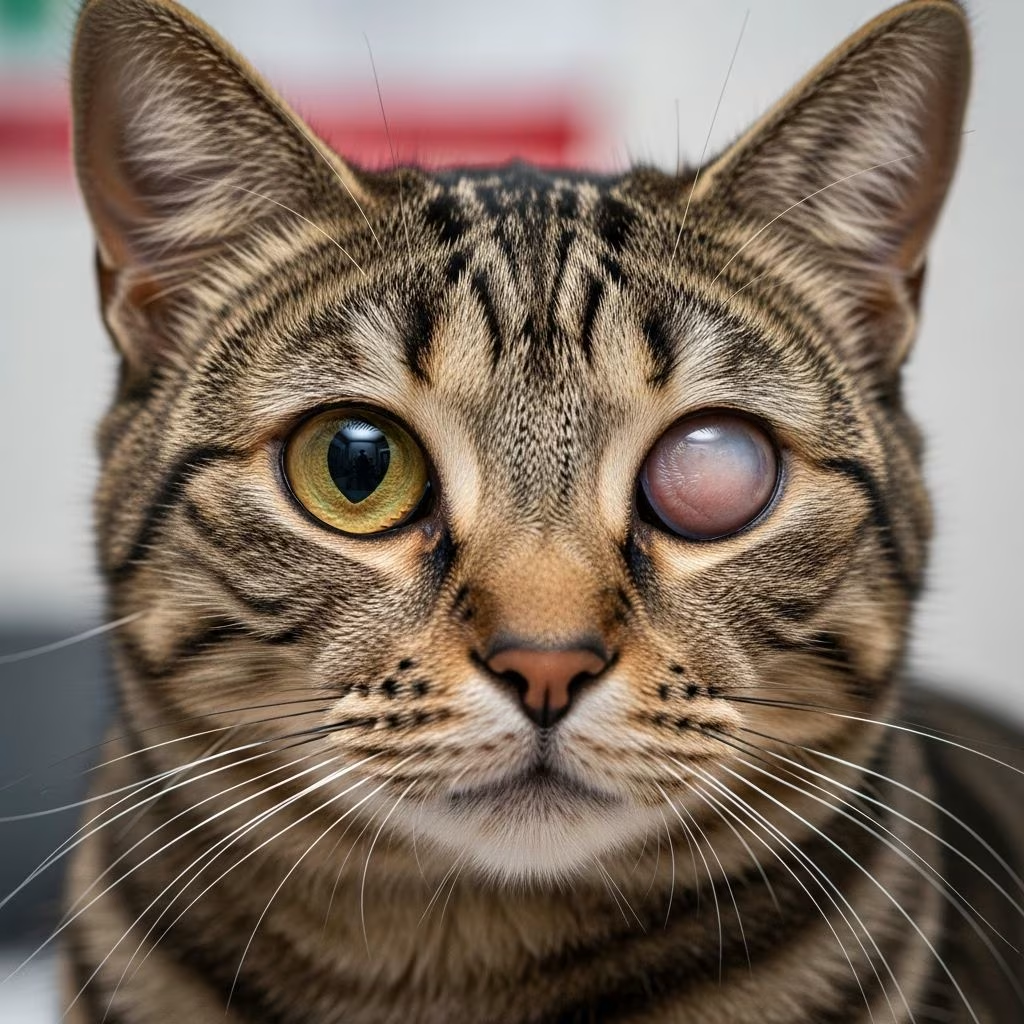
Understanding Horner’s Syndrome in Cats
Horner’s Syndrome is a neurological condition that affects the sympathetic nervous system pathway controlling the eye and face muscles in cats. The sympathetic nervous system is responsible for automatic bodily functions that occur without conscious awareness, including pupil dilation and eye positioning within the socket. When this pathway becomes disrupted anywhere along its long route—from the brain through the spinal cord, chest cavity, neck, middle ear, and finally to the eyes—Horner’s Syndrome can develop.
This condition typically presents with a characteristic combination of clinical signs that alert pet owners to seek veterinary care. While initially alarming to witness, Horner’s Syndrome is often manageable with proper veterinary intervention and supportive care. Understanding the underlying causes, recognizing symptoms early, and working closely with your veterinarian can significantly improve your cat’s prognosis and quality of life during recovery.
Clinical Signs and Symptoms of Horner’s Syndrome
The distinctive presentation of Horner’s Syndrome in cats involves four primary clinical signs that typically affect one side of the face and head. Recognizing these symptoms is essential for early diagnosis and treatment initiation.
Ptosis (Drooping Eyelid)
The most noticeable sign is ptosis, where the upper eyelid droops partially or completely covers the affected eye. This occurs because the sympathetic nerves that maintain normal eyelid tone become impaired. The drooping is usually mild to moderate and affects only one side of the face.
Miosis (Constricted Pupil)
Cats with Horner’s Syndrome display a significantly constricted pupil on the affected side, appearing much smaller than the normal pupil on the opposite eye. This occurs because the sympathetic nerves that dilate the pupil are no longer functioning properly. The disparity between pupil sizes can be quite striking and is often one of the first signs owners notice.
Enophthalmos (Sunken Eye)
The affected eye appears to sink deeper into the eye socket, creating a noticeably sunken appearance compared to the normal eye. This happens due to loss of sympathetic tone in the muscles surrounding the eye.
Protrusion of the Third Eyelid
The third eyelid (nictitating membrane) becomes more visible and protrudes across the eye on the affected side. This membrane, which is normally mostly hidden in the corner of the eye, becomes more prominent as the eye retracts slightly into the socket.
Additionally, some cats may experience conjunctival hyperemia (redness of the tissues surrounding the eye) and may have decreased tear production or difficulty blinking on the affected side. Most importantly, these signs typically appear on only one side of the face and head, which helps distinguish Horner’s Syndrome from other systemic conditions.
Causes and Risk Factors
Horner’s Syndrome in cats can result from various underlying conditions affecting the sympathetic nerve pathway. Understanding potential causes helps guide diagnostic efforts and treatment planning.
Idiopathic Cases
Approximately 50% of feline Horner’s Syndrome cases are idiopathic, meaning no specific underlying cause can be identified despite thorough diagnostic investigation. These cases often resolve spontaneously within 6-8 weeks, though recovery time varies among individual cats.
Infections
Middle ear infections represent one of the most common identifiable causes of Horner’s Syndrome in cats. The sympathetic nerve pathway passes through or near the middle ear, making this location particularly vulnerable to nerve disruption when infection or inflammation occurs. Inner ear infections can similarly affect nerve function.
Trauma
Head, neck, chest, or spinal cord injuries can damage the sympathetic nerves at various points along the pathway. Traumatic events such as vehicular accidents, falls, or bite wounds may result in nerve damage leading to Horner’s Syndrome.
Neoplasia (Tumors)
Tumors affecting the chest, neck, brain, or areas along the sympathetic nerve pathway can compress or damage nerves, resulting in Horner’s Syndrome. The symptoms may develop gradually as the tumor grows and exerts increasing pressure on nerve structures.
Spinal Cord Disease
Intervertebral disc disease, spinal cord injuries, or other degenerative conditions affecting the thoracic spine can disrupt sympathetic nerve function. These conditions require specific diagnostic imaging to identify.
Vascular Events
Blood clots (infarctions) in the spinal cord or stroke-like vascular events can create lesions that disrupt normal sympathetic pathway function.
Other Systemic Conditions
Various other systemic and neurological disorders can lead to Horner’s Syndrome, including feline dysautonomia (a serious degenerative nervous system condition) and other inflammatory or degenerative diseases affecting nerve function.
Diagnostic Procedures
Accurate diagnosis of Horner’s Syndrome involves a systematic approach combining clinical evaluation with specialized testing to identify both the condition itself and any underlying causes.
Physical Examination
Your veterinarian will conduct a thorough physical examination, carefully evaluating all clinical signs associated with Horner’s Syndrome. The characteristic combination of ptosis, miosis, enophthalmos, and third eyelid protrusion typically confirms the diagnosis. The unilateral nature (one-sided presentation) is a key diagnostic feature.
Pharmacological Testing
Specialized eye drops may be applied to help determine the specific location of nerve damage along the sympathetic pathway. These diagnostic drops can help differentiate between first-order, second-order, and third-order neuron lesions, which affects treatment planning and prognosis.
Laboratory Work
Blood work and other laboratory tests help identify systemic conditions that might be causing nerve disruption. These tests can reveal infections, metabolic disorders, or other underlying health issues.
Diagnostic Imaging
Depending on clinical findings and suspected underlying causes, your veterinarian may recommend:
– X-rays to evaluate the chest, spine, and neck for traumatic injuries or tumors- CT (computed tomography) scans for more detailed imaging of the brain, spinal cord, and surrounding structures- MRI (magnetic resonance imaging) for superior soft tissue imaging, particularly useful for evaluating neurological conditions
Otoscopic Examination
Careful examination of the ear canal and tympanum (eardrum) helps identify middle or inner ear infections, which are among the most common identifiable causes of Horner’s Syndrome in cats.
Treatment Approaches
Treatment strategies for Horner’s Syndrome depend on the identified underlying cause and the severity of clinical signs. A comprehensive approach addressing the primary condition while providing supportive care typically yields the best outcomes.
Addressing Underlying Causes
The most effective long-term treatment involves identifying and addressing the underlying condition causing nerve damage. Cause-specific treatment is crucial for symptom resolution.
For Middle Ear Infections: Appropriate antibiotics targeting the specific bacterial organism are prescribed, typically requiring 3-4 weeks of treatment. Success rates are high when infections are caught early, with most cats showing improvement within 1-2 weeks of beginning antibiotic therapy. In some cases, the eardrum may be purposely punctured (myringotomy) to allow better drainage and medication delivery to the middle ear.
For Tumors: Treatment options vary based on tumor type and location, potentially including surgical removal, radiation therapy, or chemotherapy. While these interventions are more invasive, directly addressing tumors compressing the nerve pathway can lead to significant improvement in Horner’s Syndrome symptoms.
For Traumatic Injuries: Anti-inflammatory medications reduce swelling around the nerve pathway, allowing natural healing to occur. The prognosis for trauma-related cases is generally favorable, with many cats regaining normal nerve function as injuries heal.
For Other Systemic Conditions: Specific therapies tailored to the underlying disease are essential. Conditions such as intervertebral disc disease or vascular events require specialized treatment approaches guided by diagnostic findings.
Symptomatic Medical Management
Phenylephrine Eye Drops: These specialized drops can be used both diagnostically and therapeutically. They help temporarily reverse some symptoms, particularly pupil constriction and eyelid drooping. Applied 2-3 times daily, improvement may be observed within 20-30 minutes, though effects are temporary. These drops support comfort during the healing phase but do not address underlying causes.
Antibiotics: When bacterial infections cause Horner’s Syndrome, appropriate antibiotics are essential. Completing the full prescribed course is important, even if symptoms improve early in treatment.
Supportive Care Measures
Supportive care maintains your cat’s comfort while underlying conditions are treated or the nerve naturally heals.
Eye Lubrication and Protection: Cats with Horner’s Syndrome may have decreased tear production or inability to blink normally on the affected side. Artificial tears or lubricating eye ointments prevent corneal drying and potential ulceration from exposure keratitis. These should be applied as directed by your veterinarian, typically 3-4 times daily.
Environmental Management: Minimizing dust and other environmental irritants protects the vulnerable eye. Creating a comfortable, stress-free environment supports overall healing.
Surgical Interventions
In certain cases, surgical intervention may be necessary. Examples include surgical removal of accessible tumors, myringotomy for severe ear infections, or other procedures to decompress nerve pathways or address underlying structural problems.
Alternative and Complementary Therapies
Some veterinarians recommend complementary approaches such as acupuncture to support nerve function and promote healing. While research on efficacy is ongoing, some cat owners report positive results when these therapies are used alongside conventional treatment.
Prognosis and Recovery Timeline
The prognosis for cats with Horner’s Syndrome varies significantly based on the underlying cause. Idiopathic cases, representing approximately 50% of presentations, typically resolve within 6-8 weeks with minimal intervention. Infection-related cases usually respond well to appropriate antibiotics, with symptoms often improving within 1-2 weeks of treatment initiation. Trauma-related cases generally show good recovery as the injury heals, though severe spinal cord injuries may have more guarded prognoses. Tumor-related cases depend on factors such as tumor type, location, stage, and treatment response. Early detection and intervention generally improve outcomes across all cause categories.
Frequently Asked Questions
Q: Is Horner’s Syndrome in cats painful?
A: Horner’s Syndrome itself is not inherently painful; however, the underlying cause (such as infection or injury) may be uncomfortable. Your veterinarian can recommend pain management strategies if needed.
Q: Will my cat’s vision be affected?
A: Vision is typically not significantly affected by Horner’s Syndrome itself. While the affected pupil cannot dilate normally, reducing light entry to the eye, cats can generally see adequately, especially since the condition usually affects only one eye.
Q: How long does treatment typically take?
A: Recovery time varies depending on the cause. Idiopathic cases may resolve in 6-8 weeks, while infection-related cases might show improvement within 1-2 weeks of treatment. Some cases may take several months to fully resolve.
Q: Can Horner’s Syndrome recur?
A: Recurrence depends on the underlying cause. If the cause is treated successfully, recurrence is unlikely. However, if the underlying condition persists or recurs, Horner’s Syndrome symptoms may return.
Q: What should I do if I suspect my cat has Horner’s Syndrome?
A: Schedule a veterinary appointment promptly. Early diagnosis and treatment improve prognosis significantly. Your veterinarian can perform appropriate diagnostic tests to identify the cause and recommend an effective treatment plan.
Q: Are certain cat breeds more prone to Horner’s Syndrome?
A: Horner’s Syndrome can affect cats of any breed or age. The condition is not breed-specific but rather depends on exposure to causes such as infections, trauma, or underlying disease.
References
- A review of Horner’s syndrome in small animals — National Center for Biotechnology Information (NCBI), PubMed Central. 2018. https://www.ncbi.nlm.nih.gov/pmc/articles/PMC6294019/
- Horner’s Syndrome in Cats — PetMD. 2023. https://www.petmd.com/cat/conditions/eyes/horners-syndrome-cats
- How to prevent and treat Horner’s syndrome in cats — Vetster. 2024. https://vetster.com/en/wellness/how-to-prevent-and-treat-horner-s-syndrome-in-cats
- What to Know About Horner’s Syndrome in Cats — WebMD Pets. 2023. https://www.webmd.com/pets/cats/what-to-know-horners-syndrome-cat
- Horner’s Syndrome in Cats: Causes, Symptoms & Treatment — Northwest Animal Eye Specialty & Emergency. 2023. https://www.northwestanimaleye.com/site/blog/2023/11/30/horners-syndrome-cats
- Horner’s Syndrome in Cats: 5 Essential Treatment Options — The Pet Vet. 2024. https://thepetvet.com/horners-syndrome-in-cats/



