
Hormonal Therapies for Animal Skin Disorders
Explore effective hormonal strategies for managing skin conditions in pets, balancing benefits and risks for optimal outcomes.
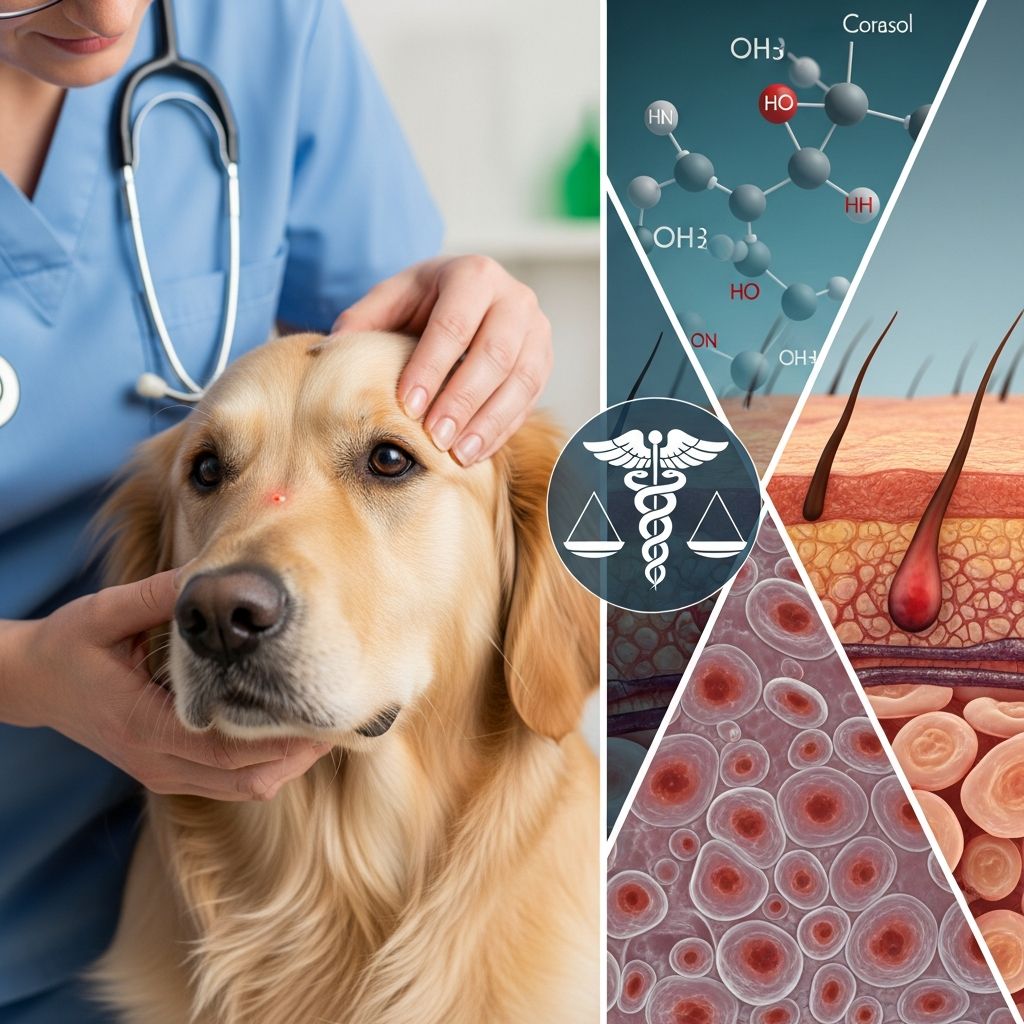
Hormonal therapies play a crucial role in veterinary dermatology by addressing underlying endocrine imbalances that manifest as skin issues in dogs and cats. These treatments target conditions like allergic reactions, autoimmune disorders, and hormone-responsive hair loss, offering relief where topical measures fall short.
Understanding the Role of Hormones in Skin Health
The skin, as the body’s largest organ, relies on a delicate hormonal balance for proper function. Disruptions in glucocorticoid, thyroid, sex, or growth hormone levels can lead to inflammation, poor hair growth, or excessive shedding. Veterinary professionals use systemic hormonal agents to restore equilibrium, improving coat quality and reducing pruritus.
Key mechanisms include suppressing immune overreactions with glucocorticoids or supplementing deficient hormones like thyroxine for hypothyroidism-related dermatitis. Success depends on accurate diagnosis, precise dosing, and vigilant monitoring to avoid adverse effects such as immunosuppression or metabolic shifts.
Glucocorticoids: Primary Agents for Inflammatory Dermatoses
Glucocorticoids remain the cornerstone for managing acute and chronic inflammatory skin conditions. They excel in treating hypersensitivity reactions, contact allergies, and autoimmune diseases including pemphigus foliaceus and discoid lupus erythematosus.
Prednisone and prednisolone are commonly administered orally at anti-inflammatory doses of 1-2 mg/kg daily for dogs, tapering as symptoms subside. For cats, dexamethasone at 0.1-0.2 mg/kg provides potent suppression. Immunosuppressive protocols require higher initial doses (4-6 mg/kg prednisone for dogs) over 10-20 days, followed by gradual reduction to alternate-day maintenance.
- Induction Phase: High doses control flares rapidly.
- Taper Schedule: Stepwise decrease to prevent rebound or adrenal insufficiency.
- Monitoring: Regular adrenal function tests if long-term use planned.
Abrupt cessation risks hypoadrenocorticism; relapse during taper necessitates dose escalation. Many patients achieve remission, allowing drug withdrawal, while others need lifelong low-dose therapy.
Thyroid Supplementation for Hypothyroidism-Linked Skin Issues
Hypothyroidism frequently presents with dull coats, symmetric alopecia, and hyperkeratosis in dogs. Levothyroxine (0.02 mg/kg twice daily) restores hormone levels, promoting hair regrowth within 4-6 weeks.
Baseline T4 and TSH assays guide therapy adjustments. Over-supplementation risks iatrogenic hyperthyroidism, so monthly bloodwork is essential during the first three months, then biannually.
| Species | Initial Dose | Frequency | Expected Response Time |
|---|---|---|---|
| Dogs | 0.02 mg/kg | q12h PO | 1-3 months |
| Cats | 0.025 mg/kg | q24h PO | 4-8 weeks |
Concurrent seborrhea or infections require adjunctive shampoos. Full clinical improvement may take up to six months.
Managing Hyperadrenocorticism with Adrenal Inhibitors
Cushing’s disease (hyperadrenocorticism) causes thin skin, poor healing, and secondary infections. Trilostane inhibits steroidogenesis at 1-3 mg/kg daily, monitored via ACTH stimulation tests. Mitotane (o,p’-DDD) destroys adrenal tissue at 40-50 mg/kg daily until diagnostic hypoadrenalism, then maintenance.
Trilostane offers reversibility, ideal for pituitary-dependent cases. Weekly electrolytes and cortisol checks prevent overdose. Mitotane demands strict abstinence from food two hours pre/post-dose.
Progestogens in Feline and Canine Alopecia
Progestational agents like megestrol acetate (2.5-5 mg/cat q48h PO, tapering) treat non-pruritic alopecia in neutered cats, possibly due to sex hormone imbalances. Medroxyprogesterone acetate (50-100 mg/cat IM, repeat 3-6 months) provides longer action but risks pyometra or diabetes.
Glucocorticoid-like effects aid inflammation, yet mammary hyperplasia and adrenocortical suppression are concerns. Use sparingly, with owners informed of carcinogenic potential.
Growth Hormone Therapy for Refractory Alopecia
Growth hormone-responsive dermatosis in adult dogs features non-inflammatory hair loss. Bovine or recombinant human GH (0.1 U/kg SC three times weekly for 4-6 weeks) stimulates regrowth in 2-3 months, with remissions up to three years.
Diabetes risk necessitates weekly glucose monitoring. Not for hypothyroid or Cushingoid patients, as efficacy drops.
Sex Hormone Replacement Strategies
Hormone-responsive skin diseases in intact or neutered animals stem from imbalances. For hypoestrogenism in spayed females, diethylstilbestrol (0.02 mg/kg PO q24h for three weeks monthly, max 1 mg total) regrows hair in 3-4 weeks. Weekly CBC monitors bone marrow toxicity.
Hypoandrogenism in males responds to methyltestosterone (0.5-1 mg/kg q48h PO, max 30 mg) or testosterone propionate (0.5-1 mg/kg weekly IM). Risks include aggression, prostatomegaly, and hepatopathy; baseline and monthly liver panels advised.
In cats, repositol testosterone (12 mg IM) or combined with low-dose estrogens treats symmetric alopecia, watching for hepatobiliary issues.
Melatonin for Seasonal and Cyclic Hair Disorders
Melatonin modulates photoperiod-influenced molting. For canine recurrent flank alopecia or pattern baldness, 3-6 mg PO q6-8h or 36-mg SC implants promote cycling. Improvements in keratinization and coat density follow, with minimal side effects.
Surgical Interventions in Sex Hormone Imbalances
For hyperestrogenism in intact females (ovarian cysts/tumors), ovariohysterectomy yields response in 3-6 months. Sertoli cell tumors in males causing feminization require bilateral orchiectomy, with chest rads ruling out metastasis.
Post-op, anti-seborrheic shampoos manage oily skin; infections demand antibiotics. Relapse signals metastasis.
Diagnostic Approaches Before Hormonal Therapy
Rule out non-endocrine alopecias via skin biopsies, hormone panels, and imaging. Fluctuating sex hormones challenge assays; rely on history, clinical signs, and therapeutic trials.
- Symmetric, non-pruritic hair loss
- Age, neuter status
- Exclude thyroid/adrenal disorders
Adverse Effects and Monitoring Protocols
Hormonal agents demand oversight. Glucocorticoids risk iatrogenic Cushing’s; progestins diabetes; estrogens myelosuppression; androgens behavior changes.
| Drug Class | Common Risks | Monitoring |
|---|---|---|
| Glucocorticoids | Polyuria, immunosuppression | Urinalysis, CBC q2-4w |
| Sex Hormones | Bone marrow toxicity, hepatopathy | CBC, liver enzymes q1w |
| Growth Hormone | Diabetes | Glucose q1w |
Combination Therapies and Alternatives
Integrate hormones with topicals (e.g., glucocorticoids with antiseborrheics) or surgery. For refractory cases, consider cyclosporine or oclacitinib, reserving hormones for endocrine-specific issues.
Species-Specific Considerations
Dogs tolerate broader regimens; cats sensitive to progestins and androgens. Tailor doses: lower for felines to minimize toxicity.
FAQs
How long until hair regrows on hormonal therapy?
Typically 1-4 months, varying by agent and condition. Patience and compliance key.
Can neutered pets develop hormone skin diseases?
Yes, via receptor upregulation or residual imbalances, responding to supplementation.
Is lifelong therapy common?
In autoimmune or hypothyroid cases, yes; many taper successfully.
What if my pet worsens on treatment?
Immediate vet consult; adjust dose or switch agents.
Are natural alternatives effective?
Limited evidence; consult professionals before substituting.
References
- Hormonal Treatment for Integumentary Disease in Animals — Merck Veterinary Manual. 2023. https://www.merckvetmanual.com/pharmacology/systemic-pharmacotherapeutics-of-the-integumentary-system/hormonal-treatment-for-integumentary-disease-in-animals
- Sex Hormone Dermatoses – Canine — University of Minnesota Open Textbook. 2023. https://open.lib.umn.edu/animaldermatology2/chapter/sex-hormone-dermatoses-canine/
- Use of topical glucocorticoids in veterinary dermatology — PMC/NCBI. 2019-06-28. https://pmc.ncbi.nlm.nih.gov/articles/PMC6563888/
Similar Articles








Read full bio of Sneha Tete


