

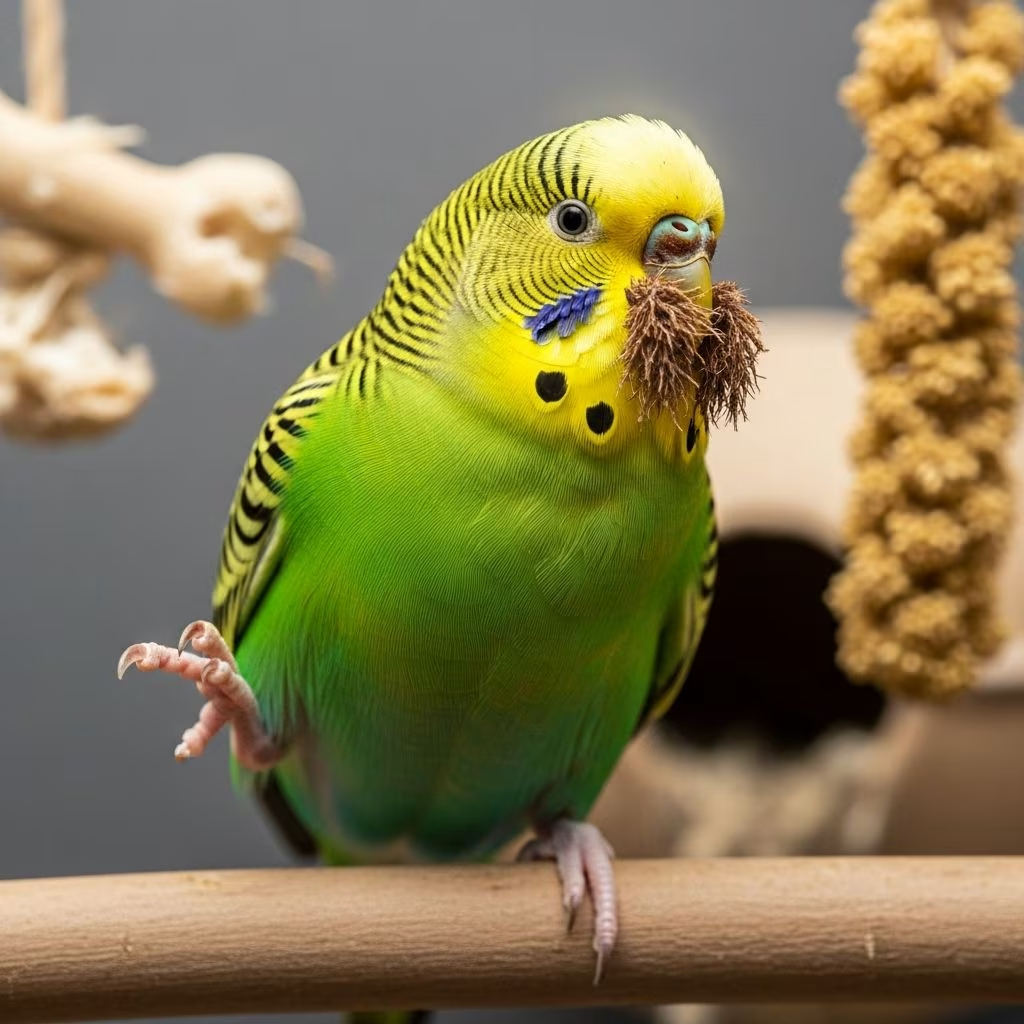
If you’ve owned your pet parakeet for a while and suddenly notice unusual behavior, there’s good news: your budgie is likely displaying typical hormonal behavior. Even better news is that you can take specific steps to reduce hormonal triggers and help your parakeet return to its normal, sweet self. Hormonal behavior in parakeets is a natural biological process that occurs when estrogen and testosterone levels rise, resulting in both physical and behavioral changes.
What Is Hormonal Behavior in Parakeets?
Hormonal behavior in parakeets represents a natural phase where rising estrogen and testosterone levels trigger noticeable changes in your bird’s actions and personality. According to veterinary experts, these hormonal fluctuations occur in cycles, typically lasting three to six weeks. During this period, your parakeet may exhibit behaviors that seem completely out of character.
Interestingly, not all parakeets experience hormonal behavior with the same intensity. Some birds show minimal signs of hormonal activity, while others become significantly stressed during this phase. Gender plays a crucial role in how hormonal behavior manifests, with female parakeets generally displaying more pronounced signs than their male counterparts. Each bird has its own unique personality and hormonal response pattern, so what you observe in one budgie may differ substantially from another.
Gender Differences in Hormonal Behavior
Male and female parakeets exhibit distinctly different hormonal behaviors, with females typically showing more dramatic changes. Female budgies often display heightened aggression, territorial behavior, and nesting instincts during hormonal periods. Males, while still capable of hormonal displays, tend to show less intense behavioral changes overall.
Single male parakeets may attempt mating behaviors with their human owners, toys, perches, or other cage objects. In contrast, bonded or paired budgies will likely mate with each other and produce eggs, whether fertile or infertile. Single female birds can lay infertile eggs even without access to a nest box, driven purely by hormonal triggers. This biological programming affects their behavior regardless of whether mating is actually possible.
Common Hormonal Behaviors in Parakeets
Understanding the specific behaviors your parakeet displays during hormonal periods helps you recognize what’s happening and respond appropriately. These behaviors typically fall into several distinct categories.
Aggression and Defensive Behavior
One of the most noticeable hormonal behaviors is increased aggression. Hormonal female parakeets may refuse to step up onto their owner’s hand, hiss when approached, or display other aggressive tendencies. Your usually friendly budgie might seem irritable and quick to bite. This defensive posturing represents a natural protective instinct tied to hormonal fluctuations.
A hormonal parakeet might not step up or may hiss when you put your hand in the cage. Some birds become territorial about specific areas of their cage, toys, or even their owner. This aggressive behavior, while concerning to owners, is a normal part of the hormonal cycle and typically subsides once the hormonal period ends.
Courtship Displays
Female parakeets demonstrate readiness to mate through specific courtship behaviors. A hormonal hen will squat on her perch, spread her wings outward, and produce soft cooing sounds. Most parakeets select a favorite owner and direct these courtship displays exclusively toward that individual.
Interestingly, mirrors and reflective objects can trigger courtship behavior, as your budgie may perceive the reflection as a potential mate. This can lead to regurgitation, where the bird brings up partially digested food as a sign of affection or feeding behavior. To discourage excessive courtship behavior, veterinarians recommend removing any mirrors or nest boxes from your parakeet’s environment.
Masturbation and Sexual Behavior
Both male and female budgies may engage in masturbatory behavior during hormonal periods. Your parakeet might squat down on a perch and rub itself against the perch or cage bars, which is completely normal sexual behavior. While this activity is entirely natural and healthy, you may prefer that your budgie express itself in private rather than on your hand or shoulder.
If your parakeet performs these behaviors on your hand, you can gently redirect the activity by offering toys, treats, or gentle head scratches to distract your bird. Avoid punishing these behaviors, as they represent natural hormonal expressions. Simply providing alternative outlets and activities can help manage this behavior effectively.
Physical Changes and Droppings
Hormonal parakeets often produce larger, more liquid droppings than usual. This physical change reflects the hormonal fluctuations affecting their digestive system. Some females also experience slight changes in their plumage or overall appearance during hormonal periods. These physical indicators help confirm that your budgie is indeed experiencing hormonal activity.
Nesting Behaviors
While nesting behaviors are less common in budgies compared to larger parrot species, hormonal female parakeets may gather nesting materials or show interest in confined spaces. Some females will lay infertile eggs without any nest box access, driven entirely by hormonal triggers. This behavior, while sometimes concerning to owners, represents a natural biological response.
Environmental Triggers for Hormonal Behavior
Certain environmental factors can intensify or trigger hormonal behavior in parakeets. Understanding these triggers allows you to modify your bird’s environment and reduce the frequency or intensity of hormonal episodes.
Light Exposure
Extended daylight hours stimulate hormonal activity in parakeets. Providing more than 10-12 hours of light daily can trigger or extend hormonal behaviors. Controlling your bird’s light exposure by maintaining a consistent sleep schedule with adequate darkness helps regulate hormonal cycles.
Physical Contact
Excessive petting, particularly on the back, wings, or tail, can stimulate hormonal behavior. What seems like innocent affection may actually trigger mating instincts in your budgie. Limiting physical contact to head and neck scratches and avoiding sensitive body areas helps minimize hormonal stimulation.
Nesting Materials and Spaces
Providing access to nesting materials, dark spaces, or nest boxes directly stimulates hormonal behavior. Removing these items from your parakeet’s environment can significantly reduce hormonal triggers. Even seemingly innocent items like tissue boxes or covered areas can encourage nesting instincts.
Certain Foods
Warm foods can mimic mate regurgitation and incite hormonal stimulation. Discontinuing warm foods, particularly soft or mushy options, helps reduce hormonal triggers. Offering fresh, room-temperature foods and cold water instead supports a calmer hormonal state.
Management Strategies for Hormonal Parakeets
Several proven strategies can help manage your parakeet’s hormonal behavior and restore normal interactions.
Modify the Environment
Remove mirrors, nest boxes, and dark spaces from your parakeet’s cage. Mirrors are particularly problematic as they encourage courtship displays and mating behaviors. Increasing cage lighting and providing more open space reduces nesting behaviors. A well-lit, open environment discourages hormonal nesting instincts.
Adjust Handling Practices
Limit petting to the head and neck area, avoiding the back, wings, and tail. Reduce the frequency and duration of physical contact during hormonal periods. Offering toys and treats instead of constant physical affection provides engagement without stimulating hormonal responses.
Regulate Sleep and Light
Provide 10-12 hours of uninterrupted sleep in a quiet, dark location. Consistent sleep schedules help regulate hormonal cycles. Avoid keeping your parakeet in your bedroom, as artificial lighting and activity can disrupt natural sleep patterns and trigger hormonal responses.
Provide Mental Stimulation
Offer toys, puzzles, and foraging opportunities to redirect hormonal energy. Rotating toys regularly maintains interest and engagement. Mental stimulation provides a healthy outlet for your budgie’s energy while reducing stress-related hormonal behavior.
Dietary Adjustments
Avoid warm or soft foods that mimic regurgitation. Offer fresh, room-temperature foods instead. A balanced diet with appropriate nutrition supports hormonal regulation without excessive stimulation.
When to Consult a Veterinarian
While most hormonal behaviors are normal, certain situations warrant veterinary attention. If your parakeet displays excessive aggression, self-mutilation, feather plucking, or signs of illness alongside hormonal behavior, consult an avian veterinarian. Chronic hormonal behavior leading to health complications may require medical intervention. Some veterinarians can prescribe hormone regulators or provide additional management strategies for severely affected birds.
Frequently Asked Questions About Hormonal Parakeet Behavior
Q: How long do hormonal periods last in parakeets?
A: Hormonal periods typically last three to six weeks. The duration varies between individual birds and can recur seasonally, particularly in spring and early summer.
Q: Can I prevent hormonal behavior entirely?
A: You cannot eliminate hormonal behavior, as it’s a natural biological process. However, you can significantly reduce its intensity and frequency by managing environmental triggers and adjusting your handling practices.
Q: Is my parakeet sick or just hormonal?
A: Hormonal behavior alone doesn’t indicate illness. However, if your budgie displays vomiting without head-bobbing, severely loose droppings, fluffed feathers, lethargy, or behavioral changes combined with other concerning signs, consult a veterinarian to rule out health issues.
Q: Should I separate hormonal parakeets that are bonded?
A: Bonded pairs will naturally mate during hormonal periods. If you want to prevent breeding, you can temporarily separate them, but this may cause stress. Consult with your veterinarian about the best approach for your specific situation.
Q: Why does my parakeet regurgitate food?
A: Regurgitation during hormonal periods is a natural mating behavior. Males regurgitate to feed mates, and this instinct may redirect toward mirrors, toys, or owners. If regurgitation is accompanied by vomiting or loose droppings, seek veterinary care.
Q: Can diet affect hormonal behavior?
A: Yes, warm foods can stimulate hormonal behavior. Discontinuing warm foods and offering room-temperature options helps minimize hormonal triggers. Proper nutrition supports overall hormonal regulation.
Understanding Your Parakeet’s Hormonal Cycle
Recognizing that hormonal behavior is temporary and manageable helps owners respond with patience and appropriate strategies. Your parakeet isn’t misbehaving—it’s responding to biological impulses. By implementing environmental modifications, adjusting handling practices, and providing proper care, you can minimize hormonal stress for both you and your budgie.
Remember that every parakeet is an individual. Some may show minimal hormonal signs, while others become noticeably stressed. Observing your specific bird’s patterns helps you anticipate hormonal periods and adjust your approach accordingly. With knowledge and proactive management, you can successfully navigate your parakeet’s hormonal cycles and maintain a happy, healthy relationship with your feathered friend.
References
- Hormonal Parakeet Behavior — Chewy. 2025. https://www.chewy.com/education/bird/parakeet/hormonal-parakeet-behavior
- Hormonal Parakeet Behavior — Whiskers, Paws and Love. https://whiskerspawslove.org/article/hormonal-parakeet-behavior/
- Parakeet Behavior Problems — Omlet. https://www.omlet.us/guide/parakeets/parakeet_behaviour/problems/
- The Importance of Managing Hormonal Behavior in Birds — Bird Supplies. https://birdsupplies.com/pages/curbing-hormonal-behavior-in-parrots
- Handling Hormonal Birds — BirdTricks. https://birdtricksstore.com/blogs/birdtricks-blog/handling-hormonal-birds



