

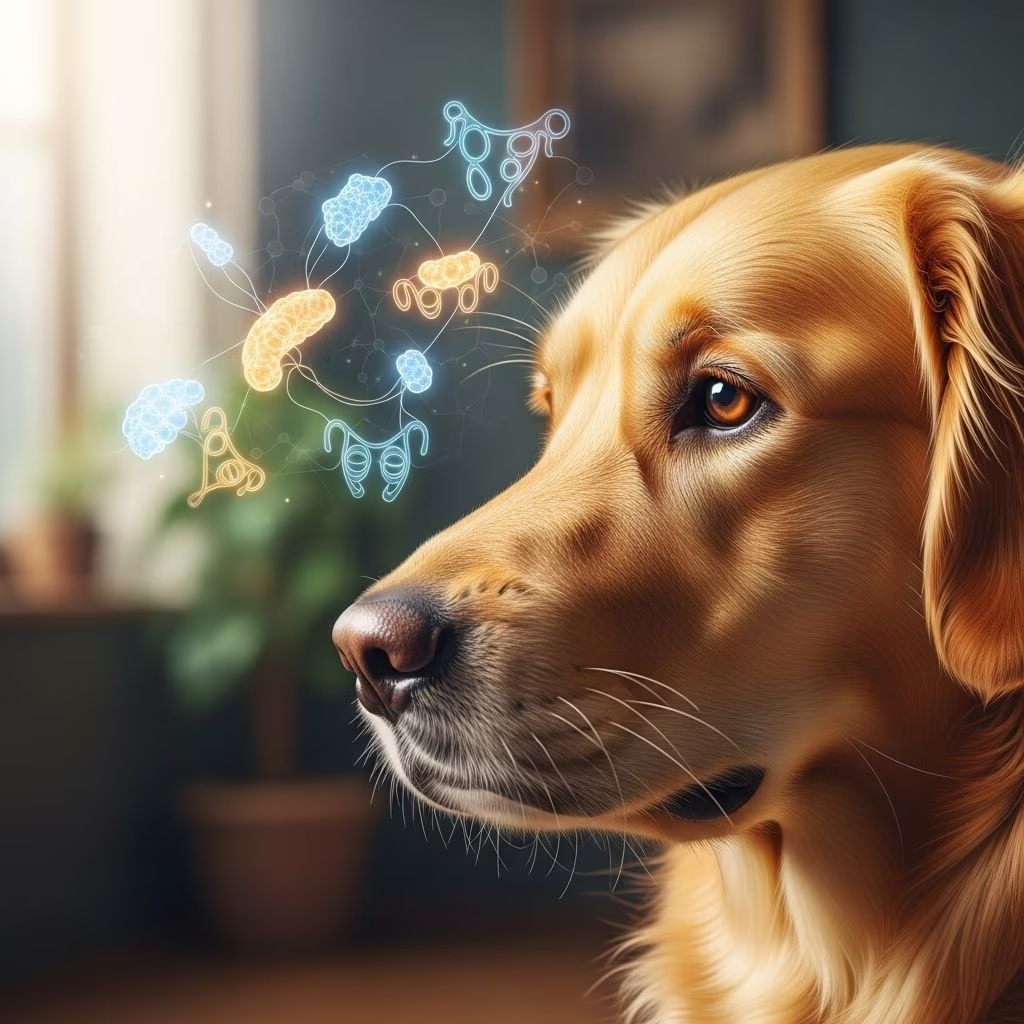
Hormonal disruptions in dogs occur when the endocrine system fails to produce, regulate, or respond to hormones properly, leading to a range of physical and behavioral issues. These imbalances often stem from surgical procedures like spaying or neutering, which remove hormone-producing gonads, or from conditions like hypothyroidism and Cushing’s disease. Early detection through veterinary assessment is crucial for effective management.
Understanding the Canine Endocrine System
The endocrine system in dogs comprises glands such as the thyroid, adrenal glands, pancreas, and reproductive organs that secrete hormones regulating metabolism, growth, reproduction, and mood. Key hormones include thyroid hormones for energy levels, cortisol from adrenals for stress response, insulin for blood sugar control, and sex hormones like estrogen, progesterone, and testosterone for reproductive health and behavior.
When spayed or neutered, dogs lose primary sources of sex hormones, causing elevated luteinizing hormone (LH) levels due to absent feedback mechanisms. This unregulated LH can contribute to various disorders, affecting organs body-wide.
Primary Causes of Hormonal Issues
- Surgical Sterilization: Spaying females or neutering males disrupts estrogen, progesterone, and testosterone production, leading to high LH.
- Hypothyroidism: Underactive thyroid gland, common in medium-to-large breeds, slows metabolism.
- Hyperadrenocorticism (Cushing’s): Excess cortisol from adrenal tumors or pituitary issues causes systemic effects.
- Diabetes Mellitus: Insulin deficiency or resistance impacts energy use.
- Age and Breed Factors: Older dogs and predisposed breeds like Golden Retrievers face higher risks.
Recognizing Behavioral and Physical Symptoms
Hormonal imbalances manifest in noticeable changes. Owners often first observe behavioral shifts, which signal deeper physiological problems.
Behavioral Indicators
- Increased aggression, anxiety, or fearfulness, especially post-neutering in males.
- Heightened vocalization like excessive barking or whining from discomfort.
- Restlessness or inappropriate elimination, such as house soiling in trained dogs.
Physical Manifestations
| Symptom | Associated Hormone | Common in |
|---|---|---|
| Weight gain, lethargy | Low thyroid hormones | Hypothyroidism |
| Urinary incontinence | Low estrogen, high LH | Spayed females |
| Excessive thirst, hunger | High cortisol | Cushing’s disease |
| Loss of appetite, poor coat | Various imbalances | General endocrine issues |
| Disrupted sleep patterns | Sex hormone loss | Neutered dogs |
These signs can overlap with other conditions, necessitating professional diagnosis.
How Vets Diagnose Endocrine Problems
Veterinarians start with a thorough history and physical exam, followed by blood tests measuring hormone levels, such as LH, testosterone, estrogen, thyroid panels, and cortisol curves. Advanced imaging like ultrasound or MRI detects tumors. For incontinence linked to low estrogen, specific urinary tests confirm involvement. Ruling out non-hormonal causes ensures accurate treatment.
Conventional Treatment Approaches
Treatments target restoring balance or suppressing excess hormones.
Hormone Replacement Therapies
- For Males: Weekly subcutaneous testosterone cypionate (0.5 mg/kg) combined with deslorelin implants to lower LH. Studies show safety and efficacy in raising testosterone while stabilizing behavior and mobility.
- For Females: Oral estrogens like estriol or diethylstilbestrol, plus Suprelorin implants for LH reduction, effectively treat incontinence.
Other Medical Options
Diabetes uses insulin injections; hypothyroidism responds to oral levothyroxine; Cushing’s may involve surgery, radiation, or drugs like trilostane. Merck Veterinary Manual notes hormone deficiencies are straightforward to treat with replacements, while excesses require tumor management or inhibitors.
Supportive and Natural Strategies
Complement vet care with lifestyle adjustments.
- Dietary Tweaks: High-quality, breed-specific food supports endocrine function. Lignans from flaxseed oil or soy aid hormone regulation.
- Exercise Regimens: Daily physical activity reduces stress-induced cortisol spikes and promotes well-being.
- Supplements: Omega-3s for inflammation, probiotics for gut health linked to hormone metabolism.
- Behavioral Training: Positive reinforcement counters anxiety-driven actions.
Preventive Measures for Hormone Health
Delay spay/neuter until skeletal maturity in large breeds to minimize risks. Regular wellness checks catch imbalances early. Maintain optimal weight and stress-low environments to support natural hormone production.
Potential Risks and Monitoring
Hormone therapies may cause side effects like prostate enlargement in intact-like states or mating behaviors. Routine bloodwork monitors levels. Not all neutered dogs develop issues; individualized vet plans are essential.
FAQs
Can hormonal imbalances cause aggression in my neutered dog?
Yes, elevated LH post-neutering can contribute to aggression or anxiety. Hormone restoration often improves this.
Is urinary incontinence always from hormones?
In spayed females, yes, often due to low estrogen; treatments like GnRH agonists resolve it.
How long do treatments take to work?
Improvements vary: incontinence may resolve in weeks, behavior in months with consistent therapy.
Are natural remedies enough without meds?
They support but rarely suffice alone for diagnosed imbalances; consult vets.
What breeds are prone to hypothyroidism?
Dobermans, Labs, and Dachshunds; annual thyroid screening recommended.
References
- Managing Dog Behavior Changes Caused By Hormonal Imbalance — Taranet.co.uk. Accessed 2026. https://www.taranet.co.uk/Animal%20Care%20Events/blog-2/files/69d3dfb2abc04f6d4c8198edaf86589c-93.html
- Hormone Restoration in Dogs — Parsemus Foundation. Accessed 2026. https://parsemus.org/project/hormone-restoration-in-dogs/
- Introduction to Hormonal Disorders of Dogs — Merck Veterinary Manual. Accessed 2026. https://www.merckvetmanual.com/dog-owners/hormonal-disorders-of-dogs/introduction-to-hormonal-disorders-of-dogs



