

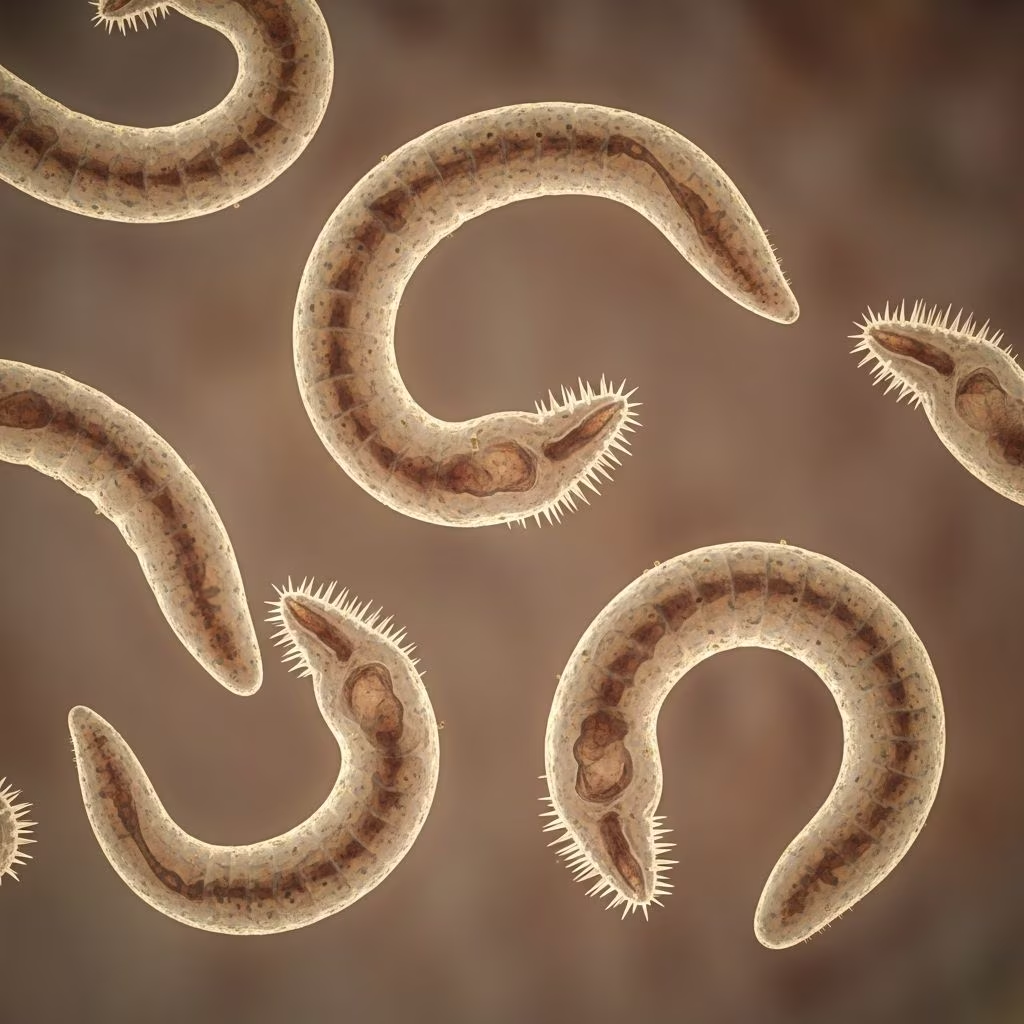
Hookworms represent a prevalent intestinal parasite affecting dogs and cats, particularly in warm, humid climates where they thrive. These nematodes, equipped with hook-like mouthparts, latch onto the intestinal mucosa, drawing blood and tissue fluids, which can lead to severe anemia, especially in young animals. Understanding their biology, transmission routes, health impacts, and control measures is crucial for pet owners and veterinarians alike.
Biology and Life Cycle of Hookworms
Hookworms in small animals primarily include species such as Ancylostoma caninum, Ancylostoma braziliense, and Uncinaria stenocephala in dogs, with similar parasites impacting cats. These worms measure about 1/4 to 3/4 inches in length, making them nearly invisible to the naked eye.
The life cycle begins when adult females deposit microscopic eggs into the host’s intestines. These eggs exit via feces, hatching into larvae in moist soil within days. Infective larvae can persist in the environment for weeks or months under favorable conditions.
- Oral ingestion: Animals swallow larvae-contaminated soil, water, or prey.
- Skin penetration: Larvae burrow through paw pads or skin, migrating via bloodstream to lungs, then swallowed after being coughed up.
- Transmammary transmission: In puppies and kittens, dormant larvae in the mother’s tissues activate during pregnancy, passing through milk.
This multifaceted transmission underscores why puppies are especially vulnerable, often infected before weaning.
Health Impacts and Clinical Manifestations
Once established in the small intestine, hookworms anchor using their buccal capsules, secreting anticoagulants that promote ongoing hemorrhage from attachment sites. Heavy infestations trigger inflammation, blood loss, and nutrient malabsorption.
Primary symptoms include:
- Pale mucous membranes indicating anemia.
- Weakness, lethargy, and exercise intolerance.
- Dark, tarry, or bloody diarrhea from intestinal bleeding.
- Weight loss or stunted growth in juveniles.
- Dull, dry coat due to poor nutrition.
- Coughing if larvae traverse lungs.
- Skin irritation, particularly on paws (cutaneous larval migrans in severe cases).
Puppies face the gravest risks; severe infections can prove fatal before eggs appear in feces, as larvae mature in 2-3 weeks. Adults may harbor subclinical infections, contaminating environments unnoticed.
| Age Group | Common Signs | Severity Risk |
|---|---|---|
| Puppies/Kittens | Anemia, failure to thrive, diarrhea, death | High |
| Adult Pets | Mild weight loss, pale gums, occasional diarrhea | Moderate |
Diagnostic Approaches for Accurate Detection
Veterinarians rely on fecal flotation tests, where stool samples are mixed with a dense solution, allowing hookworm eggs to float for microscopic examination. Eggs are distinctive, with thin shells and morulated contents.
Challenges arise in young animals, as prepatent periods (time to egg production) span 2-3 weeks, potentially yielding false negatives. Advanced options like PCR or antigen tests detect low burdens or immature stages.
In severe cases, bloodwork reveals anemia (low packed cell volume, regenerative response), prompting supportive diagnostics like complete blood counts. Routine screening is advised: four times yearly for puppies, twice for adults.
Treatment Protocols and Management Strategies
Anthelmintics form the cornerstone, targeting all parasitic stages. Common options include pyrantel, fenbendazole, milbemycin, or ivermectin (with caution in certain breeds).
Recommended regimens:
- Puppies: Deworm at 2, 4, 6, and 8 weeks, regardless of test results.
- Adults: Single or repeated doses based on burden, followed by retesting.
- Severe anemia: Transfusions, fluids, and nutritional support may be needed.
Treatment alone insufficient; environmental decontamination essential, as larvae survive outdoors.
Prevention Tactics for Long-Term Control
Proactive measures drastically reduce infection risks:
- Monthly preventives: Broad-spectrum products covering hookworms year-round.
- Sanitation: Immediate feces removal from yards, parks; discourage geophagia.
- Maternal care: Deworm pregnant/nursing dams routinely.
- Lifestyle limits: Avoid high-risk areas; restrict scavenging.
Year-round protocols vital, given hookworms’ environmental resilience and zoonotic potential.
Zoonotic Risks and Public Health Implications
Hookworms exhibit zoonotic capability; human skin penetration by dog/cat larvae causes creeping eruptions (cutaneous larval migrans), itchy, serpiginous tracks on feet or legs. Rare systemic migration occurs. Pet control minimizes human exposure.
Special Considerations for High-Risk Populations
Puppies from endemic areas, shelter animals, or those in multi-pet homes demand vigilant monitoring. Immunocompromised pets may suffer amplified effects. Regular vet check-ups integrate fecal exams with preventives.
FAQs on Hookworms in Small Animals
Q: Can I see hookworms in my pet’s stool?
A: Rarely; adults attach firmly to intestines. Eggs are microscopic.
Q: How soon after infection do symptoms appear?
A: Anemia can develop rapidly in puppies before eggs shed.
Q: Are over-the-counter dewormers sufficient?
A: No; consult vets for prescription-strength, broad-spectrum options.
Q: Can hookworms spread to my family?
A: Yes, via skin contact with contaminated soil; practice hygiene.
Q: How often should I test my dog for parasites?
A: Puppies: 4x/year; adults: 2x/year minimum.
Monitoring and Follow-Up Care
Post-treatment fecal exams confirm clearance. Persistent environmental contamination necessitates repeated interventions. Educating owners on risks fosters compliance.
References
- Hookworm Infection in Dogs — VCA Animal Hospitals. 2023. https://vcahospitals.com/know-your-pet/hookworm-infection-in-dogs
- Hookworm in Dogs: Signs, Treatment & Prevention — Animal Hospital of Smithville. 2024-07-15. https://www.ahsvet.com/site/blog/2024/07/15/hookworm-dogs
- Hookworms in Dogs — Cornell University College of Veterinary Medicine. 2024. https://www.vet.cornell.edu/departments-centers-and-institutes/riney-canine-health-center/canine-health-topics/hookworms-dogs
- Hookworms — Companion Animal Parasite Council (CAPC). 2024. https://capcvet.org/guidelines/hookworms/
- Dog Owners – Hookworms — Companion Animal Parasite Council (CAPC). 2024. https://www.petsandparasites.org/dog-owners/hookworms/



