

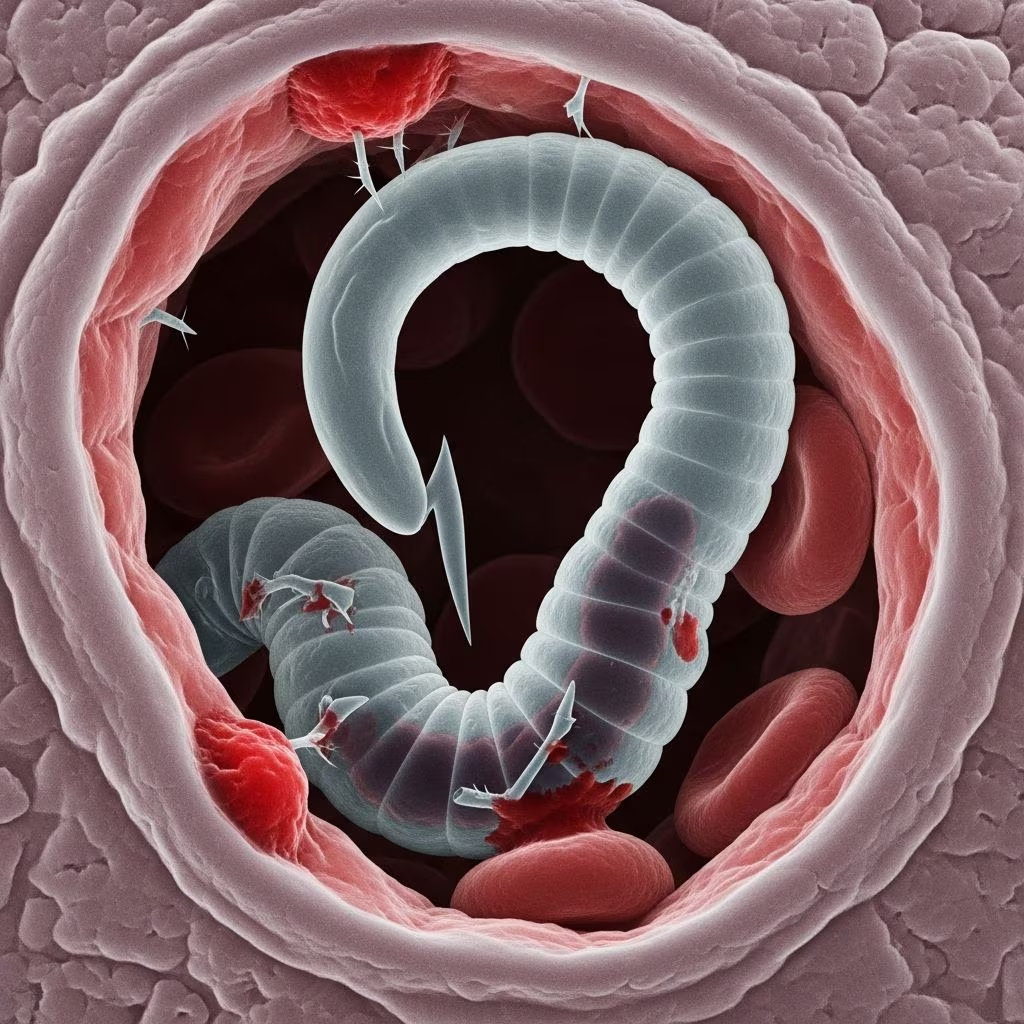
Hookworms are intestinal parasites that affect dogs and cats, particularly puppies and kittens, leading to significant health complications if untreated. These nematodes attach to the intestinal wall, feeding on blood and causing anemia, digestive disturbances, and developmental issues.
The Nature and Life Cycle of Hookworms
Hookworms belong to species such as Ancylostoma caninum in dogs and Ancylostoma tubaeforme in cats. Eggs are passed in the feces, hatch into larvae in warm, moist environments, and infect hosts through skin penetration, ingestion, or transmammary transmission from nursing mothers.
The life cycle completes when larvae mature into adults in the small intestine, where they embed and reproduce. This cycle allows rapid reinfection without intervention, emphasizing the need for environmental management.
Recognizing Symptoms in Dogs and Cats
Symptoms vary by infection severity and host age but commonly include pale gums indicating anemia, dark tarry stools from digested blood, and progressive weakness.
- Dogs: Bloody diarrhea, vomiting, weight loss, coughing, dull coat, and paw irritation from larval migration.
- Cats: Anemia more pronounced in kittens, poor coat condition, and skin itching around paws.
Puppies and kittens face higher mortality risks due to blood loss, with failure to thrive as a key indicator.
Diagnosis Methods for Accurate Detection
Veterinarians diagnose hookworms via fecal flotation tests to identify eggs under a microscope. Multiple samples may be needed due to intermittent shedding.
In heavy infestations, blood tests confirm anemia, and clinical signs guide initial suspicion. Advanced cases might require imaging or endoscopy, though rare.
Veterinary Treatments and Recovery Protocols
Treatment centers on anthelmintics like pyrantel pamoate, fenbendazole, and moxidectin, administered orally or topically. Repeat dosing every 2-3 weeks targets emerging adults from larvae.
| Medication | Primary Use | Administration | Notes |
|---|---|---|---|
| Pyrantel pamoate | Adult hookworms | Oral | Repeat in 2-3 weeks |
| Fenbendazole | Adults and some larvae | Oral, daily | Safe for pregnant dogs |
| Moxidectin (e.g., in heartworm preventives) | Larvae and adults | Topical/Oral monthly | Prevents reinfection |
| Selamectin | Cats, specific species | Topical | Label dose effective |
Supportive care includes fluids, iron supplements, and blood transfusions for severe anemia. Post-treatment, ulcers may cause temporary bleeding, requiring monitoring.
Prevention Strategies for Long-Term Protection
Monthly heartworm preventives covering hookworms are highly effective. Puppies need deworming from 2 weeks old, every 2 weeks until 8 weeks, then monthly.
- Prompt feces removal to break the environmental cycle.
- Avoid high-risk areas like contaminated soil or dog parks during shedding.
- Treat pregnant/nursing pets to prevent transmammary transmission.
Environmental decontamination involves steam cleaning and avoiding overcrowding.
Zoonotic Risks: Protecting Human Family Members
Hookworm larvae can cause cutaneous larva migrans in humans via skin contact with contaminated soil, though full infection is rare in developed regions. Children and immunocompromised individuals are at higher risk; maintain hygiene and discourage geophagia in pets.
Special Considerations for Puppies and Kittens
Neonates are vulnerable; routine deworming starts at 2-3 weeks. Arrested larvae in tissues evade single treatments, necessitating protocols.
For litters from infected dams, weekly treatments for 12 weeks reduce mortality.
Emerging Challenges: Drug Resistance and Management
Resistance to some anthelmintics, particularly A. caninum, is rising, requiring fecal egg count monitoring post-treatment. Rotate products and combine therapies for efficacy.
FAQs on Hookworms in Pets
What are the earliest signs of hookworms in pets?
Digestive upset like diarrhea (possibly bloody), pale gums, lethargy, and appetite loss signal early infection.
How long does hookworm treatment last?
Initial treatment works in days, but 2-3 weeks of follow-up ensures clearance, with monthly preventives ongoing.
Can hookworms spread from pets to humans?
Larvae may cause skin irritation (cutaneous larva migrans), resolving in 5-6 weeks without treatment, but prevent via sanitation.
Are monthly preventives enough for hookworm control?
Yes, products like those with moxidectin cover hookworms alongside heartworms.
Should all puppies be dewormed routinely?
Absolutely, starting at 2 weeks regardless of tests, to combat hidden infections.
Hookworms remain a preventable threat with vigilant care. Regular vet visits and hygiene practices safeguard pet health.
References
- Hookworm Infection in Cats — VCA Animal Hospitals. Accessed 2026. https://vcahospitals.com/know-your-pet/hookworm-infection-in-cats
- Understanding the Signs of Hookworm in Dogs for Early Treatment — CAIN Hoy Veterinary Hospital. 2023-01-01. https://www.cainhoyvet.com/signs-of-hookworm-in-dogs-early-treatment/
- Hookworm in Dogs: Signs, Treatment & Prevention — Animal Hospital of Surprise. 2024-07-15. https://www.ahsvet.com/site/blog/2024/07/15/hookworm-dogs
- Hookworms in Small Animals — Merck Veterinary Manual. Accessed 2026. https://www.merckvetmanual.com/digestive-system/gastrointestinal-parasites-of-small-animals/hookworms-in-small-animals
- Hookworms in Dogs — Cornell University College of Veterinary Medicine. Accessed 2026. https://www.vet.cornell.edu/departments-centers-and-institutes/riney-canine-health-center/canine-health-topics/hookworms-dogs
- Hookworms — Companion Animal Parasite Council. Accessed 2026. https://capcvet.org/guidelines/hookworms/
- About Zoonotic Hookworm — Centers for Disease Control and Prevention. Accessed 2026. https://www.cdc.gov/zoonotic-hookworm/about/index.html



