

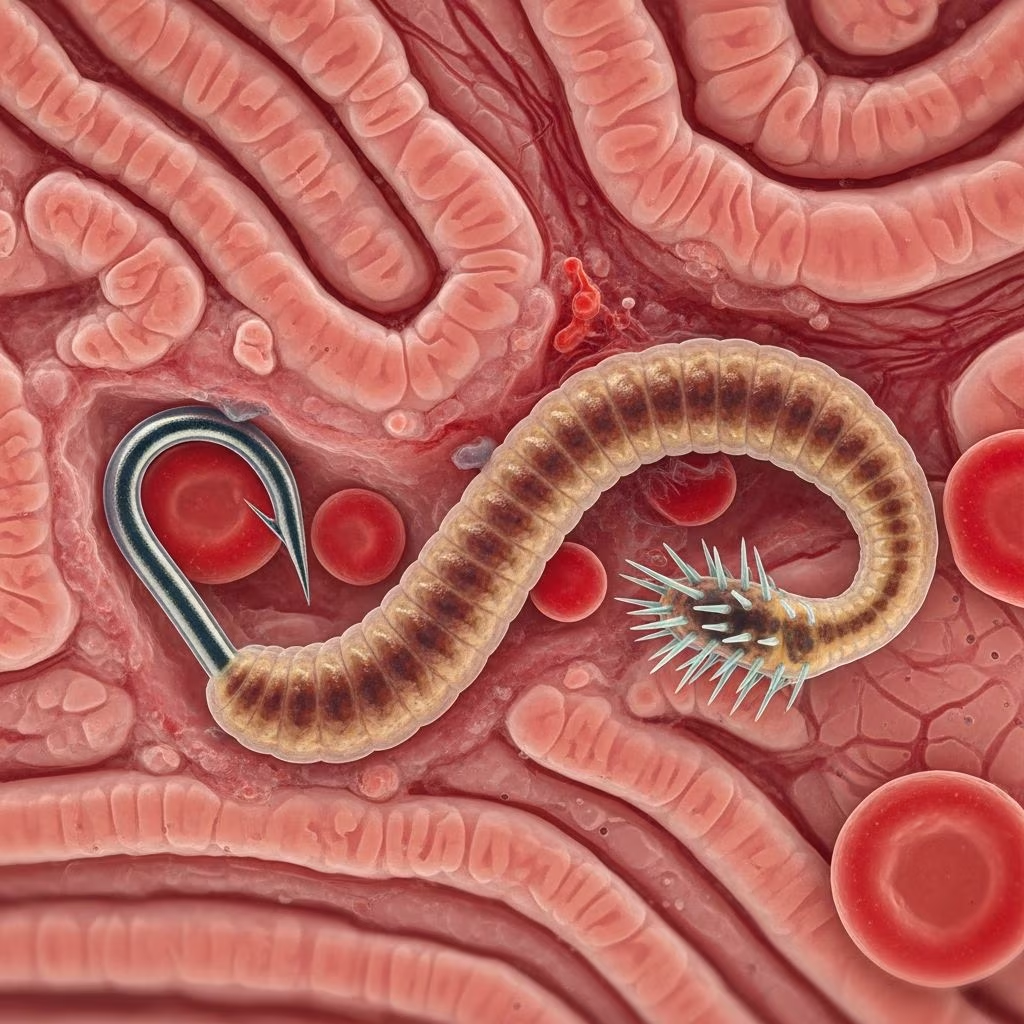
Hookworms are intestinal parasites that affect dogs and cats, particularly young animals, leading to blood loss, anemia, and potential life-threatening conditions if untreated. These nematodes attach to the intestinal walls, feeding on blood and causing significant health challenges.
Understanding Hookworms: Types and Characteristics
Hookworms belong to genera like Ancylostoma and Uncinaria, with species such as A. caninum being the most pathogenic in dogs, prevalent in tropical and subtropical regions. In cats, A. tubaeforme is common, while U. stenocephala affects both in cooler climates. Adults measure 10-15 mm, featuring a buccal cavity for attachment to intestinal villi.
- A. caninum: Primary cause of severe anemia in puppies.
- A. braziliense: Linked to skin issues and zoonotic risks.
- U. stenocephala: Less severe, common in northern areas.
These parasites thrive in warm, moist environments, making outdoor pets vulnerable.
The Intricate Life Cycle of Hookworms
The hookworm life cycle begins in the small intestine where adults produce thin-walled eggs passed in feces 15-20 days post-infection. In the environment, eggs embryonate and hatch into larvae within 24-72 hours under warm, moist conditions, developing into infective third-stage larvae in 2-9 days.
Infective larvae enter hosts via:
- Skin penetration, especially paws.
- Ingestion from contaminated soil, water, or prey like rodents or cockroaches.
- Transmammary transmission in puppies from nursing mothers harboring dormant larvae.
Once inside, larvae migrate through blood to lungs, are coughed up, swallowed, and mature in the intestines, restarting the cycle. Dormant larvae in tissues activate during pregnancy.
Routes of Transmission in Pets
Pets acquire hookworms from contaminated environments like dog parks, backyards, or beaches. Larvae penetrate skin during walks or penetrate via licking paws. Puppies are at high risk from maternal milk, even if the mother appears healthy.
| Transmission Method | Common Scenarios | Risk Level |
|---|---|---|
| Skin Penetration | Paws in infected soil | High in puppies |
| Ingestion | Contaminated food/water, prey | Moderate |
| Transmammary | Nursing from infected dam | Very High |
| Vertical (Prenatal) | Rare in dogs | Low |
Environmental reservoirs include sandboxes and gardens; prompt feces removal is crucial.
Clinical Signs and Health Impacts
Symptoms vary by infection burden and host age. Heavy infestations cause anemia from blood-feeding, leading to pale gums, weakness, and dark, tarry stools (melena).
- In Puppies/Kittens: Lethargy, poor growth, diarrhea, respiratory distress from lung migration.
- In Adults: Weight loss, bloody stools, dermatitis on paws.
- Skin Issues: Itching, redness from larval penetration (A. caninum, A. braziliense).
Severe cases in young animals can be fatal; emergencies include shallow breathing or collapse.
Diagnosing Hookworm Infections
Veterinarians diagnose via fecal flotation, identifying morulated eggs (2-8 cells). Antigen tests detect early infections before eggs appear. Multiple samples may be needed due to intermittent shedding.
Key diagnostic features:
- Eggs: Thin-shelled, 60-75 μm, oval.
- Clinical correlation: Anemia signs prompt testing.
Annual or more frequent fecal exams recommended for at-risk pets.
Treatment Protocols for Infected Pets
Treatment involves anthelmintics like fenbendazole, milbemycin, or pyrantel, often repeated after 2-4 weeks to target new larvae. Supportive care includes fluids, blood transfusions for severe anemia.
Puppies require early deworming from 2 weeks, every 2 weeks until 8 weeks.
- Common Medications:
| Drug | Species | Dosage Frequency |
|---|---|---|
| Fenbendazole | Dogs/Cats | 3 days, repeat in 3 weeks |
| Emodepside/Praziquantel | Cats | Single dose |
| Milbemycin Oxime | Dogs | Monthly preventive |
Drug resistance in A. caninum is emerging in the US southeast; consult vets for updates.
Prevention Strategies for Pet Owners
Year-round broad-spectrum preventives are essential, covering heartworm products with hookworm efficacy. Puppies need early, frequent treatments.
- Administer monthly preventives.
- Remove feces immediately from yards.
- Avoid high-risk areas like public parks.
- Deworm breeding females.
- Discourage scavenging/prey hunting.
Environmental decontamination: Steam cleaning or strong disinfectants; larvae survive weeks in soil.
Zoonotic Risks: Hookworms and Human Health
Some species (A. braziliense, A. ceylanicum) cause cutaneous larval migrans in humans—itchy, migrating skin tracks from larval penetration, unable to complete cycle in people. Risk highest for children in contaminated sand/soil.
Prevent by hygiene, covering sandboxes, and pet deworming. No person-to-pet transmission.
Special Considerations for Puppies and Breeding Pets
Puppies are assumed infected if nursing untreated dams; start deworming at 2 weeks. Dormant larvae reactivate in pregnancy, necessitating treatment for breeding animals.
Monitor growth; failure to thrive signals parasites.
Frequently Asked Questions (FAQs)
What do hookworm eggs look like in dog poop?
Small, thin-shelled, oval eggs in early cleavage (2-8 cells), visible under microscope.
Can indoor cats get hookworms?
Yes, via grooming contaminated fur/paws or infected prey.
How long do hookworm larvae live in soil?
Weeks to months in warm, moist conditions.
Is hookworm infection contagious to humans?
Limited; causes skin larva migrans, not intestinal infection.
When should I deworm my puppy?
Start at 2 weeks, repeat every 2 weeks until 8 weeks, then monthly.
Long-Term Management and Monitoring
Regular vet check-ups, fecal tests 2-4 times yearly for high-risk pets. Combine preventives with hygiene for optimal control. Educate on resistance; rotate products if advised.
Hookworms remain a persistent threat, but proactive measures ensure pet vitality.
References
- Hookworms – Companion Animal Parasite Council — CAPC. 2023. https://capcvet.org/guidelines/hookworms/
- Hookworms in dogs – Cornell University — Riney Canine Health Center. 2024. https://www.vet.cornell.edu/departments-centers-and-institutes/riney-canine-health-center/canine-health-topics/hookworms-dogs
- Hookworms – Virbac — Virbac US. 2023. https://us.virbac.com/home/health-topics/hookworms.html
- Hookworms in Small Animals – Merck Veterinary Manual — Merck & Co. 2025. https://www.merckvetmanual.com/digestive-system/gastrointestinal-parasites-of-small-animals/hookworms-in-small-animals
- What every pet owner should know about roundworms & hookworms — CDC. 2020. https://stacks.cdc.gov/view/cdc/13560



