

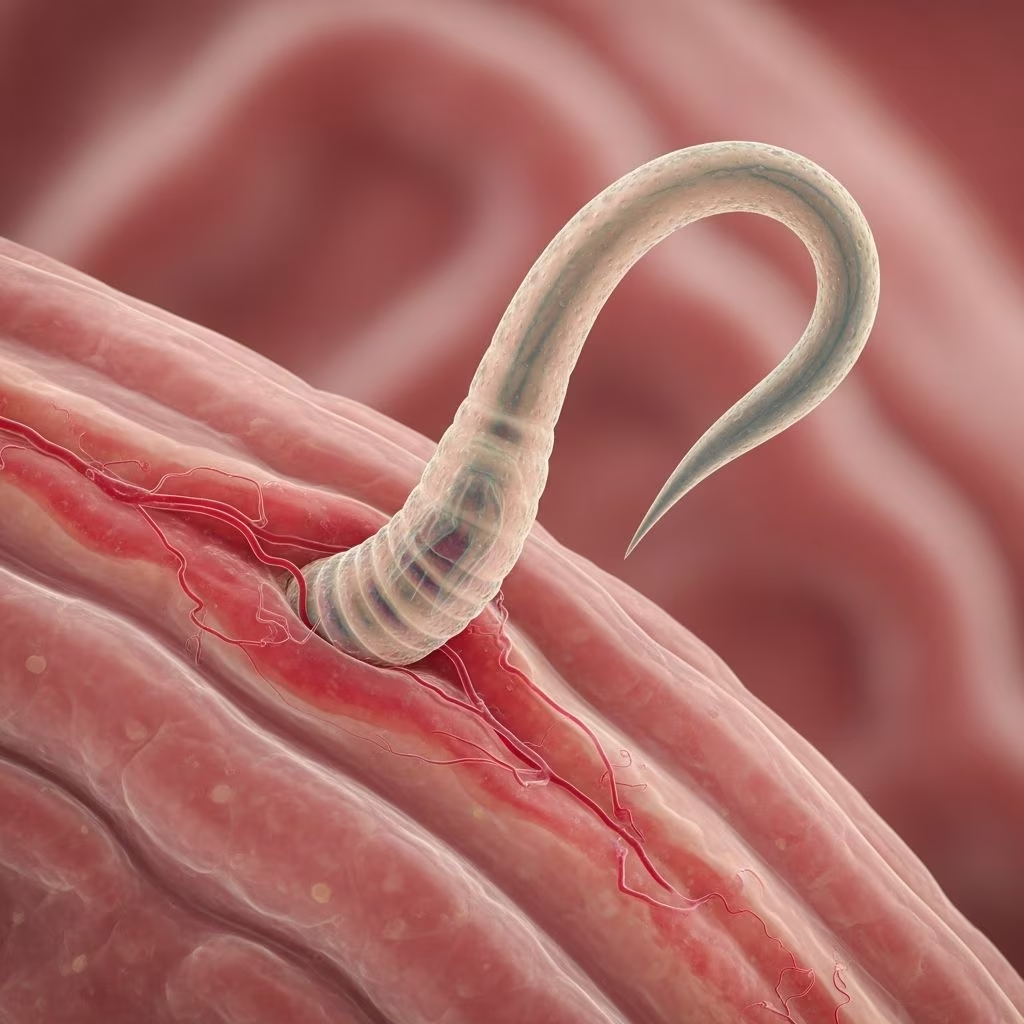
Hookworms represent one of the most prevalent intestinal parasites affecting dogs worldwide, capable of causing significant health issues ranging from mild discomfort to life-threatening conditions, particularly in young puppies. These nematodes attach to the intestinal wall, feeding on blood and nutrients, which can lead to anemia, poor growth, and even death if untreated. Understanding the biology, transmission routes, clinical signs, diagnostic approaches, treatment protocols, and preventive measures is essential for every dog owner to safeguard their pet’s health.
The Biology and Life Cycle of Canine Hookworms
Hookworms in dogs primarily belong to species such as Ancylostoma caninum and Uncinaria stenocephala. Adult worms, measuring about 1-2 cm in length, reside in the small intestine where they embed their mouths into the mucosal lining to suck blood. Females lay thousands of eggs daily, which are passed in the feces and embryonate in the environment within days under warm, moist conditions.
The life cycle is complex and includes several transmission pathways. Eggs hatch into larvae that can penetrate the skin, be ingested through contaminated soil or water, or transmitted transplacentally or via colostrum from infected mothers to puppies. This prenatal and transmammary transmission explains the high infection rates in neonates, even without environmental exposure.
- Free-living stage: Eggs develop into infective larvae in soil.
- Direct penetration: Larvae enter through paw pads or skin abrasions.
- Oral uptake: Ingestion of larvae from contaminated sources.
- Vertical transmission: From dam to puppies in utero or through milk.
This multifaceted cycle underscores why hookworms persist in kennels, parks, and yards despite sanitation efforts.
Recognizing the Signs of Hookworm Infestation
Symptoms vary by infection severity, age, and nutritional status of the dog. Mild cases may be subclinical, but heavy burdens—common in puppies—manifest dramatically. Primary signs stem from blood loss and protein deficiency caused by the parasites’ feeding habits.
| Symptom | Description | Common in |
|---|---|---|
| Bloody diarrhea | Dark, tarry stools or fresh blood due to intestinal damage | All ages, severe cases |
| Pale gums | Indication of anemia from chronic blood loss | Puppies, adults |
| Weight loss | Unexplained loss despite normal appetite | Adults |
| Weakness/lethargy | Generalized fatigue and reduced activity | All ages |
| Poor coat condition | Dry, dull fur from malnutrition | Chronic infections |
| Coughing | Larvae migrating through lungs | Early/migrating phase |
| Stunted growth | Failure to thrive in puppies | Puppies under 6 months |
| Skin irritation | Redness/itching on paws from larval penetration | Outdoor dogs |
Puppies under 2 months are at highest risk, with mortality rates soaring in untreated litters due to acute anemia. Adult dogs often show subtler signs but can serve as reservoirs.
How Hookworms Are Diagnosed in Canine Patients
Veterinarians rely on a combination of history, clinical signs, and lab tests for confirmation. Fecal flotation or centrifugation reveals characteristic oval eggs with thin shells, though false negatives occur in light infections or prepatent periods (2-3 weeks post-infection).
Advanced diagnostics include:
- Fecal Baermann technique: Detects larvae in early infections.
- Bloodwork: Checks for anemia (low PCV, hemoglobin), eosinophilia.
- PCR testing: Species identification in research settings.
Prompt diagnosis is critical, as delays exacerbate blood loss. Owners should report travel to endemic areas or exposure to contaminated environments.
Effective Treatment Strategies for Hookworm Infections
Treatment targets adult worms, larvae, and supportive care for anemia. Anthelmintics like pyrantel pamoate, fenbendazole, or milbemycin oxime are first-line, administered orally or topically. A single dose kills adults, but protocols require repeats every 2-3 weeks to address emerging larvae.
Monthly heartworm preventives (e.g., ivermectin/pyrantel combinations) provide ongoing control against larval stages but not dormant hypobiotic larvae in tissues. Severely anemic dogs may need blood transfusions, iron supplements, and high-protein diets for recovery.
Treatment Protocol Example:
- Initial dewormer dose (e.g., pyrantel at 20 mg/kg).
- Repeat in 2 weeks.
- Switch to monthly preventive.
- Follow-up fecal exam 2-4 weeks post-treatment.
Consult a vet for breed-specific dosing, as herding breeds sensitive to ivermectin require alternatives.
Prevention: Key Steps to Protect Your Dog from Hookworms
Prevention combines pharmacological, environmental, and behavioral strategies. Core recommendations from veterinary authorities emphasize early intervention and hygiene.
- Puppy deworming: Start at 2 weeks, repeat at 4, 6, 8 weeks regardless of fecal results.
- Maternal treatment: Deworm nursing dams concurrently.
- Monthly preventives: Heartworm products with hookworm coverage (e.g., milbemycin).
- Sanitation: Daily fecal removal from yard; discourage earth-eating or scavenging.
- Restrict access: Leash walks, fenced yards to avoid contaminated soil.
Annual fecal exams during wellness visits catch subclinical infections early.
Zoonotic Potential: Risks to Humans and Family Safety
A. caninum poses zoonotic risks, primarily cutaneous larval migrans (CLM), where larvae cause itchy, serpiginous skin tracks after penetrating human skin. Oral infection is rare but can lead to eosinophilic enteritis. Children, gardeners, and immunocompromised individuals are vulnerable.
Human prevention mirrors canine:
- Wear shoes in dog areas.
- Supervise children; cover sandboxes.
- Hand hygiene post-dog contact or waste handling.
- Maintain pet preventives.
No human vaccines exist; control focuses on canine reservoirs.
Special Considerations for High-Risk Populations
Puppies and Breeding Dogs
Neonates face near-universal exposure via dams. Protocol: deworm every 2 weeks until 8 weeks, then monthly. Breeding females receive pre-breeding and gestational treatments.
Senior and Immunocompromised Dogs
Elderly dogs may show amplified anemia; tailor preventives to comorbidities.
Multi-Pet Households and Shelters
Quarantine new arrivals; blanket deworming and environmental disinfection (steam cleaning, as larvae resist common disinfectants).
Frequently Asked Questions (FAQs)
Can hookworms be seen in dog poop?
Adult worms rarely; eggs require microscopic exam. Bloody mucus may indicate presence.
How long do hookworm eggs survive outdoors?
Weeks to months in warm, shaded soil; sunlight and dryness kill them.
Is over-the-counter deworming safe?
Not for accurate dosing; vet-prescribed products ensure efficacy and safety.
Can cats get hookworms from dogs?
Separate species, but shared environments enable cross-infection risks.
What if my dog was exposed but tests negative?
Treat empirically in puppies; retest in 2 weeks.
Long-Term Management and Monitoring
Post-treatment, monitor weight, gum color, and energy. Integrate parasite screening into annual checkups. Educate on regional prevalence—hookworms thrive in southern U.S. climates but occur nationwide. By committing to consistent preventives and cleanliness, owners minimize recurrence risks, ensuring their dogs lead parasite-free lives.
References
- Hookworms in Dogs — Cornell University College of Veterinary Medicine, Riney Canine Health Center. 2024-07. https://www.vet.cornell.edu/departments-centers-and-institutes/riney-canine-health-center/canine-health-topics/hookworms-dogs
- Hookworm in Dogs: Signs, Treatment & Prevention — Companion Animal Parasite Council (CAPC). N/A. https://capcvet.org/guidelines/hookworms/
- Hookworms — Pets & Parasites. N/A. https://www.petsandparasites.org/dog-owners/hookworms/



