

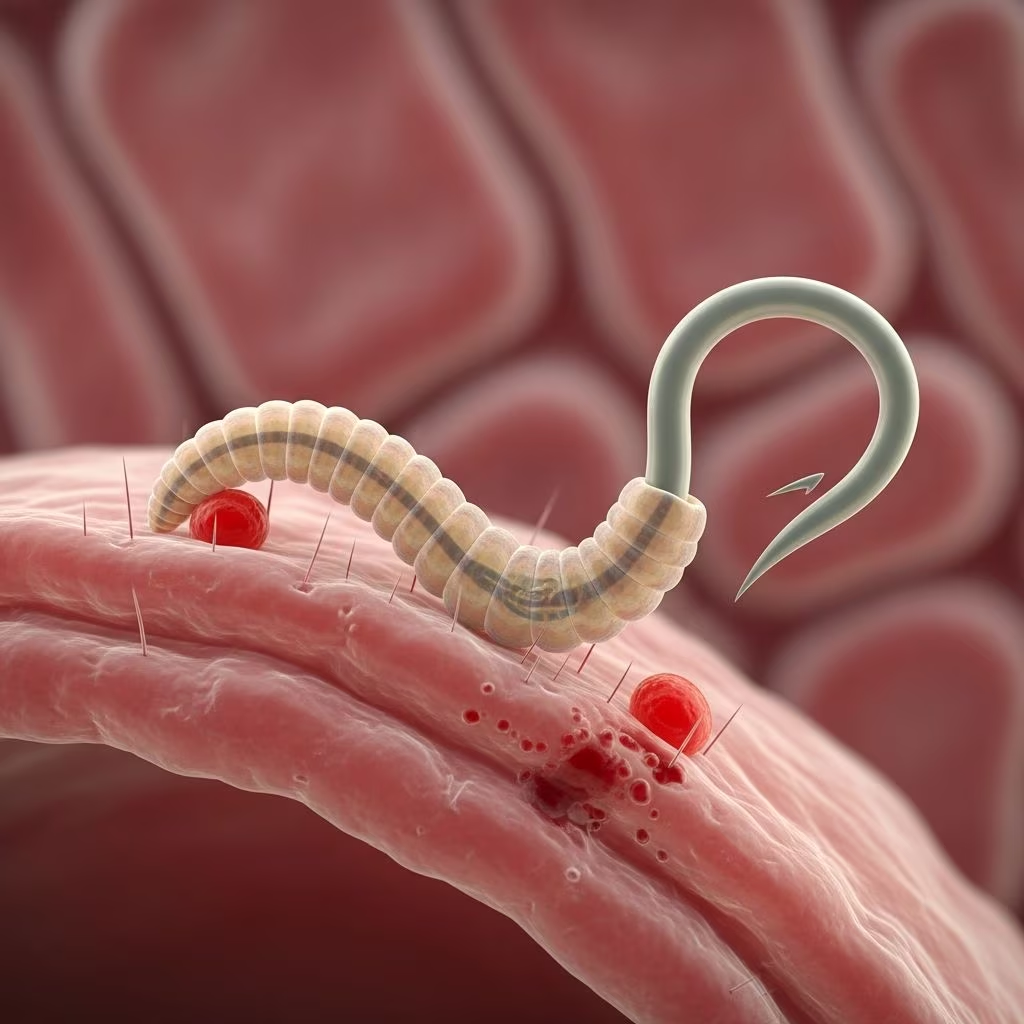
Hookworms represent one of the most prevalent intestinal parasites affecting dogs, capable of causing significant health issues by feeding on their host’s blood. These small nematodes attach to the intestinal walls, leading to anemia, digestive disturbances, and in severe cases, life-threatening conditions especially in young puppies. Understanding how these parasites infiltrate a dog’s system and the steps to combat them is crucial for every pet owner committed to their dog’s well-being.
The Nature of Hookworms and Their Life Cycle
Hookworms belong to a group of parasitic worms scientifically classified under the genus *Ancylostoma* or *Uncinaria*, with *Ancylostoma caninum* being the most common species in dogs. Measuring just a few millimeters in length, these worms possess sharp mouthparts that latch onto the small intestine’s lining, where they ingest blood and tissue fluids. This feeding behavior directly contributes to blood loss, nutrient malabsorption, and overall debilitation in infected dogs.
The life cycle of hookworms is remarkably resilient, enabling widespread transmission. Eggs are shed in the feces of infected dogs, hatching into larvae in warm, moist soil within days. These larvae can survive for weeks, penetrating a dog’s skin during walks in contaminated areas, being ingested through grooming or contaminated food, or migrating via the placenta or colostrum from mother to puppies. This multi-route infection pathway underscores why hookworms pose risks even to indoor dogs or those in seemingly clean environments.
Recognizing the Warning Signs of Hookworm Infestation
Early detection hinges on observing subtle yet telling symptoms. The hallmark sign is gastrointestinal distress, often manifesting as dark, tarry stools due to digested blood or overt bloody diarrhea. Affected dogs may exhibit a pot-bellied appearance from protein loss, coupled with rapid weight reduction despite normal appetite.
- Pale mucous membranes: Gums and inner eyelids lose their pink hue, signaling anemia from chronic blood loss.
- Lethargy and weakness: Reduced energy levels and reluctance to play indicate oxygen deprivation from low red blood cell counts.
- Poor coat condition: A dull, dry fur texture results from nutritional deficiencies.
- Coughing or respiratory issues: Larvae migrating through lungs can irritate airways.
- Skin lesions: Itchy, red patches on paws or ventral abdomen from larval penetration.
- Stunted growth in puppies: Failure to thrive, with delayed development and persistent frailty.
Puppies under six months are particularly vulnerable, as even moderate infestations can overwhelm their immature immune systems, potentially leading to fatal anemia or heart failure. Adult dogs might show milder signs but can still suffer long-term organ damage if untreated.
Factors That Heighten Risk for Your Dog
Not all dogs face equal threats from hookworms. Puppies inherit parasites from their mothers transplacentally or through nursing, explaining the high infection rates in litters. Dogs in warm, humid climates or those frequenting public parks, kennels, or dog runs encounter contaminated soil more readily. Strays, rescue animals, or those hunting small prey amplify transmission risks by ingesting larvae-laden hosts.
Breeds with thin coats or light skin, like Greyhounds or Whippets, may be more susceptible to skin penetration. Immunocompromised dogs, such as seniors or those on chemotherapy, struggle to expel worms naturally. Environmental persistence—larvae thriving in shaded, damp yards—means multi-pet households require vigilant monitoring.
Comprehensive Diagnosis Procedures
Veterinarians confirm hookworm presence through fecal flotation tests, where eggs appear under a microscope as oval structures with thin shells. Multiple samples over days improve accuracy, as shedding varies. Severe cases warrant blood work to assess anemia levels, complete blood counts revealing low hematocrit, and imaging for intestinal damage.
Advanced diagnostics like PCR testing detect larval DNA in low-burden infections missed by standard exams. Differentiating from other parasites (e.g., whipworms or Giardia) ensures targeted therapy. Owners should report travel history or exposure to foster puppies, aiding precise diagnosis.
Effective Treatment Strategies
Treatment protocols center on anthelmintic medications that paralyze and expel worms. Common options include fenbendazole, milbemycin oxime, or pyrantel pamoate, administered orally over 2-3 days to target hatching larvae. Dosage hinges on weight, age, and infection severity; vets tailor regimens to avoid resistance.
For critical cases—puppies with hemoglobin below 8 g/dL or adults in shock—hospitalization provides intravenous fluids, blood transfusions, and nutritional support via high-protein diets. Iron supplements combat anemia, while antibiotics prevent secondary bacterial invasions from gut ulcers. Follow-up fecal exams two weeks post-treatment verify clearance, with re-administration if eggs persist.
| Medication | Active Ingredient | Dosage Frequency | Additional Benefits |
|---|---|---|---|
| Heartgard Plus | Ivermectin/Pyrantel | Monthly | Heartworm prevention |
| Simparica TRIO | Sarolaner/Moxidectin/Pyrantel | Monthly | Flea/tick control |
| Sentinel Spectrum | Milbemycin/Lufenuron/Pyrantel | Monthly | Tapeworm/flea prevention |
| Panacur (Fenbendazole) | Fenbendazole | 3 consecutive days | Broad-spectrum worms |
Owners must disinfect premises using steam cleaning or diluted bleach (1:32 ratio), as larvae resist many cleaners. Isolate infected dogs to curb spread.[10]
Proven Prevention Tactics for Lifelong Protection
Proactive measures form the cornerstone of hookworm control. Monthly broad-spectrum preventatives like Simparica TRIO or Trifexis eliminate larvae before maturity, offering year-round coverage.
- Scheduled deworming for young pups: Begin at 2 weeks, repeat at 4, 6, and 8 weeks, then transition to monthly products.
- Maternal treatment: Deworm pregnant/nursing dams to block vertical transmission.
- Hygiene protocols: Remove feces daily from yards and walks; discourage digging in soil.
- Vet check-ups: Biannual fecal screens for adults, quarterly for pups; annual wellness exams.
- Zoonotic safeguards: Handwashing post-cleanup, barefoot avoidance in yards, child supervision.
Avoid raw meat diets or untreated water sources harboring larvae. Quarantine new pets for testing before integration.
Potential Complications and Long-Term Outlook
Untreated hookworms erode vitality, fostering secondary issues like bacterial enteritis or hypoproteinemia causing edema. Chronic infestations impair growth, fertility, and immunity. Human risks—cutaneous larval migrans from skin exposure—necessitate family precautions, though oral transmission to people is rare.
With prompt intervention, prognosis excels: most dogs recover fully within weeks, regaining vigor and coat shine. Vigilance prevents reinfection, ensuring robust health.
Frequently Asked Questions (FAQs)
Can humans catch hookworms from dogs?
Direct transmission is unlikely, but larvae can cause skin rashes in contaminated soil. Practice hygiene to minimize risks.
How often should I deworm my puppy?
Treat every two weeks from 2-8 weeks, then monthly preventatives lifelong.
Is hookworm preventable in multi-dog homes?
Yes, via consistent preventatives, fecal removal, and regular vet testing for all pets.
What if my dog has mild symptoms?
Consult a vet immediately—early treatment averts escalation.
Do indoor dogs need prevention?
Absolutely; larvae enter via shoes/tracks or ingestion.
References
- Hookworms in Dogs: Symptoms, Treatment, and How To Prevent Them — PetMD. 2023. https://www.petmd.com/dog/conditions/infectious-parasitic/hookworms-dogs-symptoms-treatment-and-how-prevent-them
- Hookworm in Dogs: Signs, Treatment & Prevention — Wellesley Natick Veterinary Hospital. 2024-06-15. https://www.wellesleynatickveterinaryhospital.com/site/blog/2024/06/15/hookworm-dogs
- Hookworms in Dogs — Cornell University College of Veterinary Medicine. N/A. https://www.vet.cornell.edu/departments-centers-and-institutes/riney-canine-health-center/canine-health-topics/hookworms-dogs
- Hookworm in Dogs: Signs, Treatment & Prevention — Bel Marina Animal Hospital. 2023-02-15. https://www.belmarinanimalhospital.com/site/blog/2023/02/15/hookworm-dogs-signs-treatment
- Dog Owners – Hookworms — Companion Animal Parasite Council (petsandparasites.org). N/A. https://www.petsandparasites.org/dog-owners/hookworms/



