Hookworms in Dogs
Essential guide to identifying, treating, and preventing hookworm infections that threaten your dog's health and vitality.
Hookworms in Dogs: A Comprehensive Guide
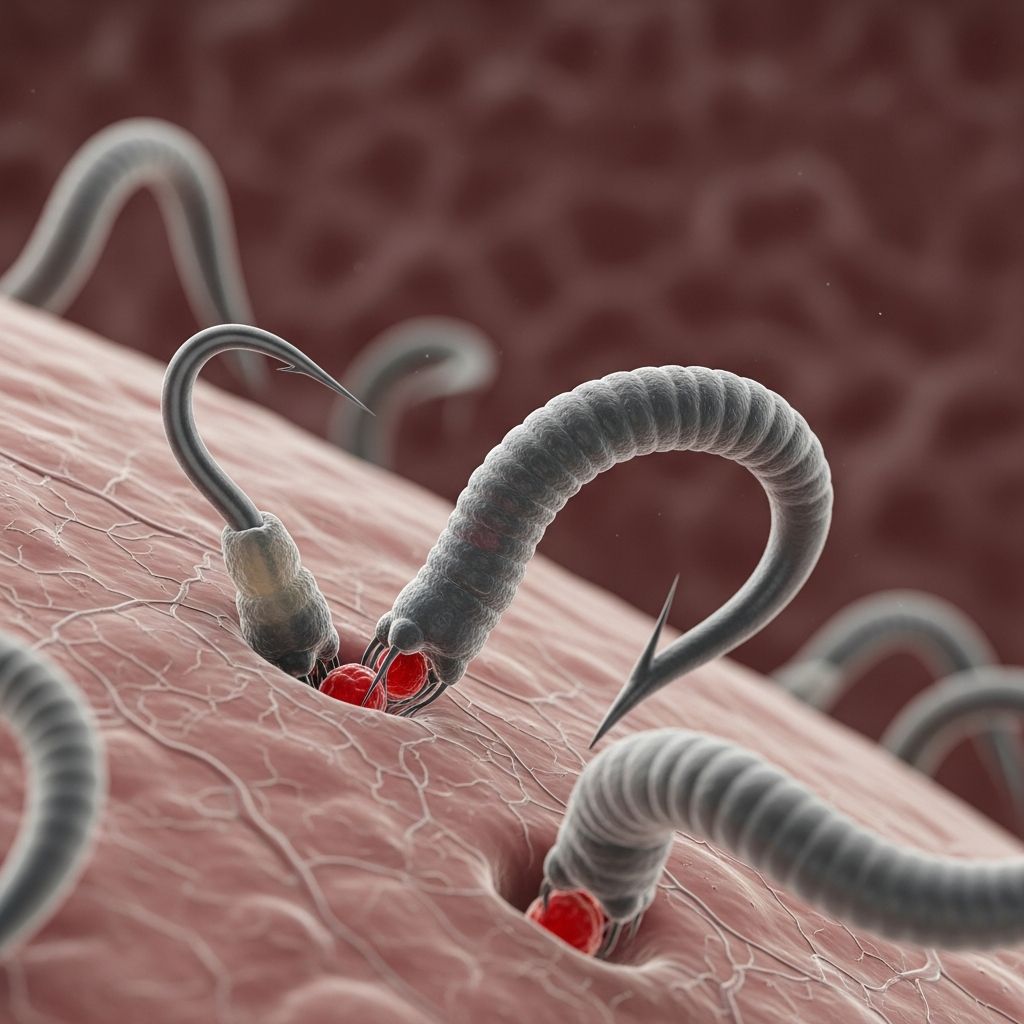
Hookworms represent one of the most prevalent intestinal parasites affecting dogs, capable of causing severe health complications particularly in young puppies. These blood-feeding nematodes attach to the intestinal walls, leading to anemia, digestive disturbances, and potentially fatal outcomes if untreated. Understanding their biology, transmission, and management is crucial for every dog owner.
Understanding the Biology of Canine Hookworms
Hookworms in dogs primarily belong to species like Ancylostoma caninum and Uncinaria stenocephala. These parasites measure about 1/4 to 3/4 inch in length as adults, with sharp mouthparts designed for latching onto the small intestine’s mucosa. Once attached, they consume blood and tissue fluids, with each worm potentially ingesting up to 0.03 milliliters of blood daily. This feeding behavior directly contributes to the hallmark symptom of anemia in infected hosts.
The life cycle of hookworms is complex and environmentally resilient. Eggs are shed in the feces of infected dogs, hatching into larvae within 1-2 days under warm, moist conditions. These larvae can remain infective in soil for weeks, penetrating a dog’s skin (often via paws), being ingested through contaminated food or water, or transmitted transmamarily from nursing mothers to puppies. This multifaceted transmission underscores the parasite’s persistence in kennels, yards, and public areas.
Recognizing the Signs of Hookworm Infection
Clinical manifestations vary by infection intensity and host age, but gastrointestinal distress remains the primary indicator. Infected dogs often exhibit diarrhea that may appear dark or bloody due to intestinal bleeding from worm attachments. Puppies frequently display stunted growth, pot-bellied appearance, and profound weakness, as heavy burdens can lead to rapid blood loss.
- Anemia-related symptoms: Pale gums, lethargy, rapid heartbeat, and collapse in severe cases.
- Digestive issues: Bloody or tarry stools, vomiting, and appetite loss.
- External signs: Dull, dry coat; weight loss despite normal eating; coughing from larval migration through lungs.
- Skin problems: Itchy, red lesions on paws or ventral abdomen from larval penetration (cutaneous larval migrans).
Adult dogs may remain subclinical carriers, shedding eggs without overt illness, yet posing risks to vulnerable puppies. Fatalities are rare in adults but common in untreated litters under 6 months, where blood loss exceeds production capacity.
Diagnosis: Confirming Hookworm Presence
Veterinarians diagnose hookworms through fecal flotation tests, where eggs are identified under microscopy. Multiple samples may be needed due to intermittent shedding. In heavy infections, bloodwork reveals anemia (low packed cell volume, hemoglobin), elevated white cells, and hypoalbuminemia from protein-losing enteropathy. Advanced cases might warrant endoscopy to visualize worms directly.
| Test Method | Purpose | Advantages |
|---|---|---|
| Fecal Flotation/Centrifugation | Egg detection | High sensitivity for patent infections |
| Fecal Antigen Tests | Antigen detection | Detects pre-patent stages |
| Complete Blood Count (CBC) | Anemia assessment | Quantifies blood loss severity |
Quantitative fecal egg counts guide treatment efficacy, especially amid reports of multi-drug resistant strains in some U.S. regions.
Treatment Protocols for Infected Dogs
Anthelmintics are the cornerstone of therapy, targeting adult worms effectively. Common options include pyrantel pamoate, fenbendazole, milbemycin oxime, and ivermectin (with breed-specific cautions for collies). A single dose kills adults, but follow-up at 2-3 weeks addresses emerging larvae. Severe anemia may necessitate hospitalization, fluids, blood transfusions, and nutritional support.
- Standard regimen: Initial deworming, repeat in 2 weeks, monthly preventives thereafter.
- For puppies: Start at 2 weeks, repeat every 2 weeks until 8 weeks.
- Supportive care: Iron supplements, high-protein diet to rebuild blood volume.
Environmental decontamination is vital: Remove feces daily, steam-clean bedding, and apply strong disinfectants, as larvae survive months in soil.
Prevention Strategies: Keeping Hookworms at Bay
Proactive measures drastically reduce infection risk. Monthly heartworm preventives (e.g., those containing pyrantel or milbemycin) also control hookworms. Puppies require early, frequent deworming: at 2, 4, 6, and 8 weeks, regardless of fecal results. Nursing dams should be treated concurrently to halt transmammary transmission.
- Promptly dispose of all dog feces from yards, parks, and walks.
- Restrict access to contaminated soil; use concrete runs for high-risk groups like breeders.
- Avoid raw prey or scavenging; keep dogs leashed in endemic areas.
- Hand hygiene for owners and children to prevent zoonotic spread.
- Annual fecal exams for all dogs, even on preventives.
In multi-dog households or shelters, quarantine new arrivals and test routinely.
Zoonotic Risks: Hookworms and Human Health
A. caninum poses zoonotic potential, though rare. Larvae penetrating human skin cause creeping eruption: intensely pruritic, serpiginous tracks on feet, legs, or buttocks from beach/soil contact. Oral ingestion rarely leads to eosinophilic enteritis. Children and immunocompromised individuals face higher risks from geophagia or poor hygiene. Treatment involves topical antiparasitics or oral albendazole; prevention mirrors canine strategies.
Special Considerations for Puppies and Breeding Dogs
Puppies are uniquely susceptible due to immature immunity and transmammary transmission. Prenatal infection via placenta is negligible, but colostrum and milk carry heavy larval loads from heavily parasitized bitches. Thus, deworm breeding females throughout gestation and lactation. Failure to do so risks entire litters.
For rescues or fosters, assume exposure and initiate protocol immediately. Monitor growth charts; persistent failure-to-thrive signals parasites.
Emerging Challenges: Drug-Resistant Hookworms
Recent reports document A. caninum resistant to multiple anthelmintics, confirmed via fecal egg reduction tests (10-14 days post-treatment). Affected breeds include Greyhounds but extend broadly. Vets recommend combination therapies (e.g., fenbendazole + pyrantel) and resistance monitoring. This trend emphasizes integrated prevention over reliance on drugs alone.
Frequently Asked Questions (FAQs)
Can hookworms be seen in dog poop?
No, eggs are microscopic; only heavy infections might show worms post-deworming. Fecal tests are essential.
How long do hookworm eggs survive outdoors?
Up to 3-4 weeks in warm, shaded, moist soil; UV light and dryness kill them quickly.
Is hookworm infection contagious between dogs?
Indirectly via shared environment; not dog-to-dog contact alone.
Can I treat hookworms at home?
Over-the-counter dewormers exist but consult a vet for proper dosing and follow-up to avoid resistance.
Do heartworm preventives cover hookworms?
Many do (e.g., ivermectin/pyrantel combos); verify labels.
This guide equips dog owners with knowledge to detect, treat, and prevent hookworms effectively, promoting healthier companionship.
References
- Hookworm Infection in Dogs — VCA Animal Hospitals. Accessed 2026. https://vcahospitals.com/know-your-pet/hookworm-infection-in-dogs
- Hookworms in Dogs — Cornell University College of Veterinary Medicine. Accessed 2026. https://www.vet.cornell.edu/departments-centers-and-institutes/riney-canine-health-center/canine-health-topics/hookworms-dogs
- Hookworm in Dogs: Signs, Treatment & Prevention — Tumwater Veterinary Hospital. 2024-08-15. https://www.tumwaterveterinary.com/site/blog/2024/08/15/hookworm-dogs
- Hookworms Guidelines — Companion Animal Parasite Council. Accessed 2026. https://capcvet.org/guidelines/hookworms/
- Hookworm in Dogs: Signs, Treatment & Prevention — Animal Hospital Babcock Ranch. 2024-01-24. https://www.animalhospitalbabcockranch.com/site/blog/2024/01/24/hookworm-dogs
Similar Articles







Read full bio of medha deb