

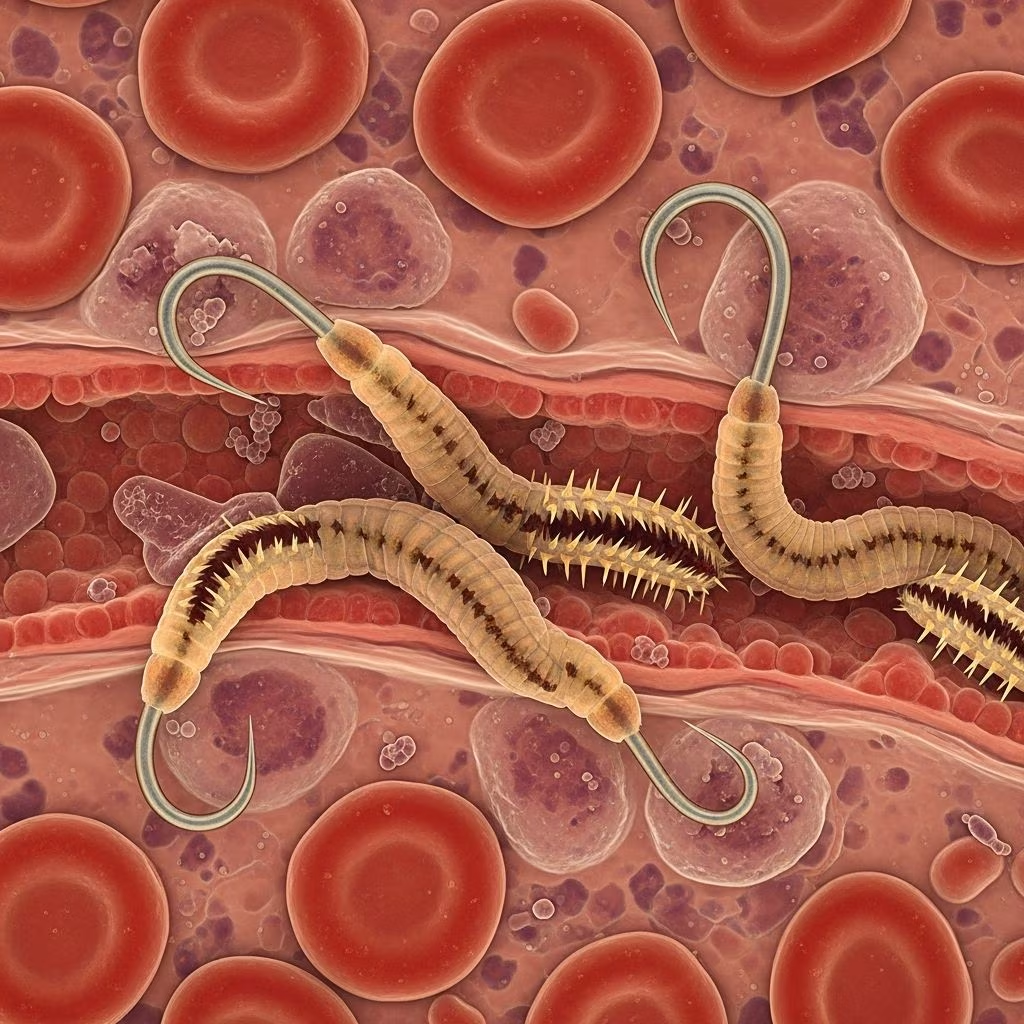
Hookworms represent a significant parasitic threat to canine health, particularly in warmer climates where moist environments foster their survival. These nematodes attach to the intestinal lining, feeding on blood and nutrients, which can lead to debilitating conditions like anemia. Dog owners must recognize the dangers early to ensure timely intervention.
The Nature and Life Cycle of Canine Hookworms
Hookworms belong to the Ancylostoma and Uncinaria genera, featuring hook-like mouths that anchor them firmly within a dog’s small intestine. Eggs are shed in infected feces, hatching into larvae within days under favorable conditions of warmth and moisture. These larvae can penetrate the skin, be ingested through contaminated soil or water, or transmitted via nursing from mother to puppy—a process known as transmammary transmission.
Once inside the host, larvae migrate through the bloodstream to the lungs, are coughed up and swallowed, eventually maturing in the intestines. Adult worms produce thousands of eggs daily, perpetuating the cycle. This resilience makes hookworms ubiquitous in soil, especially in areas with high dog populations.
Recognizing the Signs of Hookworm Infestation
Symptoms vary by infection severity and the dog’s age or health status. Adult dogs might show subtle gastrointestinal distress, while puppies face life-threatening complications due to their developing systems.
- Bloody or dark, tarry stools: Resulting from intestinal bleeding caused by worm attachment sites.
- Pale gums and weakness: Indicators of anemia from chronic blood loss.
- Unexplained weight loss and poor growth: Puppies often fail to thrive despite adequate nutrition.
- Dry, dull coat and coughing: Secondary effects from larval migration and nutrient deficiencies.
- Skin irritation on paws: From larvae penetrating the skin during walks in contaminated areas.
Severe cases in young puppies can prove fatal without prompt veterinary care, as their small blood volume exacerbates anemia rapidly.
Diagnosis Methods for Hookworm Infections
Veterinarians typically diagnose hookworms through fecal flotation tests, where eggs are detected under a microscope. However, in puppies younger than two weeks, tests may yield false negatives since larvae haven’t yet matured to produce eggs. Multiple samples over time or advanced techniques like Baermann sedimentation enhance accuracy.
Blood tests assess anemia levels, and in extreme cases, imaging or endoscopy confirms heavy burdens. Early diagnosis hinges on routine check-ups, especially for at-risk populations like puppies and pregnant dams.
Effective Treatment Protocols
Treatment centers on anthelmintic medications that target adult worms, such as pyrantel pamoate, fenbendazole, or milbemycin oxime. These are administered orally, often requiring repeat doses every two to three weeks to eliminate newly matured larvae.
For anemia, supportive therapies include iron supplements, blood transfusions in critical cases, and high-quality nutrition to rebuild strength. Many heartworm preventatives, like those containing ivermectin/pyrantel, also control hookworm larvae, reducing reinfection risk.
| Treatment Type | Examples | Frequency | Notes |
|---|---|---|---|
| Anthelmintics | Pyrantel pamoate, Fenbendazole | Every 2-3 weeks | Kills adults; repeat for larvae |
| Heartworm Preventatives | Ivermectin/pyrantel, Milbemycin | Monthly | Prevents larval stages |
| Supportive Care | Iron supplements, Transfusions | As needed | For severe anemia |
Always consult a vet for tailored dosing, as some breeds are sensitive to certain drugs.
Prevention Strategies for Pet Owners
Proactive measures drastically cut infection risks. Key steps include:
- Routine deworming: Puppies from two weeks old, every two weeks until eight weeks, then monthly preventatives.
- Pregnant and nursing dogs: Deworm at whelping and during lactation to block transmammary spread.
- Environmental hygiene: Immediate feces removal from yards, parks, and walks prevents larval contamination.
- Monthly parasite control: Products covering heartworms often include hookworm protection.
- Discourage scavenging: Prevent ingestion of infected prey or soil.
Cleaning with strong disinfectants like steam or bleach solutions (after removing solids) helps, though larvae resist many agents.
Zoonotic Risks: Protecting Human Family Members
Hookworms pose a low but real zoonotic threat, primarily cutaneous larval migrans where larvae cause itchy, serpentine skin tracks. This affects children, gardeners, and barefoot walkers in contaminated sand or soil. Rare systemic infections occur in immunocompromised individuals.
Minimize risks by:
- Washing hands after pet contact or cleanup.
- Supervising children away from dog areas.
- Covering sandboxes and wearing shoes/gloves outdoors.
- Maintaining pets on preventatives.
Special Considerations for Puppies and High-Risk Dogs
Newborns acquire hookworms via mother’s milk, necessitating early intervention. Shelter dogs, those in multi-pet homes, or travelers to endemic areas warrant vigilant monitoring. Annual fecal exams complement preventatives for comprehensive protection.
FAQs on Hookworms in Dogs
Can hookworms kill my dog?
Yes, especially puppies; severe anemia can be fatal without treatment.
How often should I deworm my puppy?
Every two weeks from 2-8 weeks, then monthly.
Are hookworms contagious to humans?
Rarely, mainly causing skin irritation; hygiene prevents it.
Do heartworm meds prevent hookworms?
Many do, targeting larvae effectively.
How do I clean my yard of hookworm larvae?
Remove feces promptly, disinfect, and limit sun exposure as UV kills larvae.
Staying informed empowers dog owners to safeguard their pets against hookworms, ensuring long, healthy lives through diligence and veterinary partnership.
References
- Hookworms in Dogs — Cornell University College of Veterinary Medicine. 2024-07. https://www.vet.cornell.edu/departments-centers-and-institutes/riney-canine-health-center/canine-health-topics/hookworms-dogs
- Hookworm in Dogs: Signs, Treatment & Prevention — VCA Animal Hospitals. N/A. https://vcahospitals.com/know-your-pet/hookworm-infection-in-dogs
- Hookworms — Pets & Parasites. N/A. https://www.petsandparasites.org/dog-owners/hookworms/
- Hookworm Disease: Symptoms & Treatment — Cleveland Clinic. N/A. https://my.clevelandclinic.org/health/diseases/14072-hookworm-disease



