

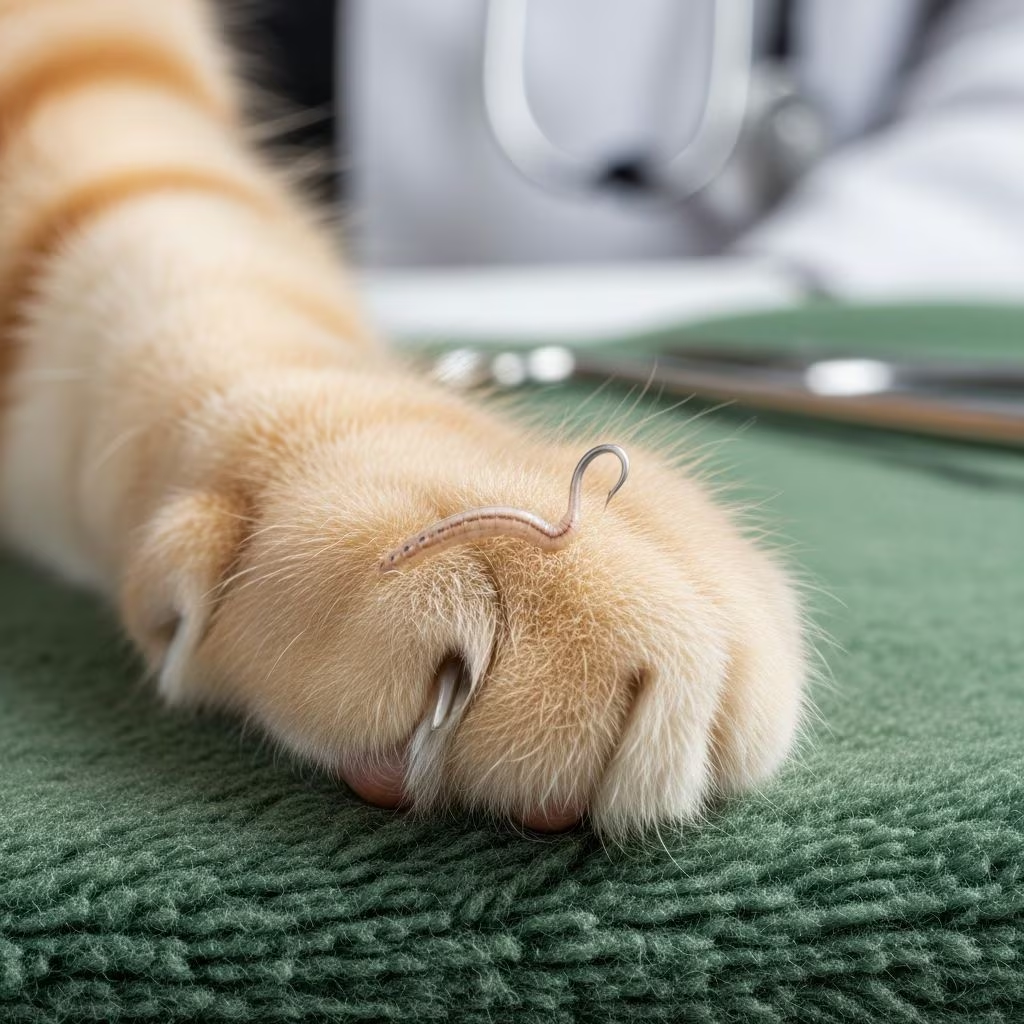
Hookworms represent a common yet dangerous intestinal parasite affecting cats of all ages, with kittens facing the greatest vulnerability due to their developing immune systems. These blood-feeding worms attach to the intestinal walls, leading to anemia, malnutrition, and potentially life-threatening conditions if untreated. Early detection and intervention are crucial for recovery, as treatments are straightforward and highly effective when administered promptly.
Understanding the Nature of Hookworms
Hookworms belong to the Ancylostoma genus, small nematodes measuring about 1 cm in length that reside primarily in a cat’s small intestine. They latch onto the mucosal lining using sharp mouthparts, consuming blood and tissue fluids to sustain themselves. A single worm can extract significant blood volumes daily, exacerbating issues in heavily infested animals. Adult cats may harbor infections asymptomatically, but the burden multiplies rapidly in young or immunocompromised individuals.
The lifecycle of hookworms is complex, involving eggs passed in feces that hatch into larvae in warm, moist environments. These larvae can penetrate skin, be ingested, or migrate through the body, eventually maturing into egg-laying adults. This versatility allows transmission via contaminated soil, prey, or even from mother to kitten during nursing, underscoring the need for vigilant management in multi-pet households.
Recognizing Symptoms of Hookworm Infestation
Clinical signs vary based on worm burden and host age. Kittens often exhibit the most dramatic effects, including pale gums indicative of anemia, rapid weight loss despite normal appetite, and lethargy from blood loss. Owners may notice dark, tarry stools containing digested blood, vomiting, diarrhea, or a pot-bellied appearance due to poor nutrient absorption.
- Anemia indicators: Weakness, rapid breathing, collapse in severe cases.
- Gastrointestinal distress: Bloody or mucoid diarrhea, appetite fluctuations.
- Physical changes: Dull, rough coat; poor growth in kittens.
- Skin issues: Itching or lesions on paws from larval migration.
Adult cats might show subtler signs like intermittent diarrhea or unexplained weight loss, but chronic infections weaken immunity, increasing susceptibility to other diseases. If your cat displays any of these, a veterinary fecal exam is essential for confirmation.
How Hookworms Spread Among Cats
Transmission occurs through multiple routes, making hookworms ubiquitous in environments with poor sanitation. Larvae in soil penetrate paw pads during outdoor exploration or infect via ingestion from grooming contaminated fur. Nursing queens pass larvae through milk to kittens, perpetuating cycles in breeding situations. Rodent predation introduces additional risks, as intermediate hosts harbor infective stages.
| Transmission Route | Description | Risk Level for Cats |
|---|---|---|
| Skin Penetration | Larvae burrow through footpads | High (outdoor cats) |
| Oral Ingestion | Eating contaminated soil/prey | Moderate to High |
| Transmammary | Via mother’s milk | Very High (kittens) |
| Fecal-Oral | Litter box contamination | Moderate (indoor multi-cat homes) |
Indoor cats aren’t immune; larvae survive on surfaces or in litter, emphasizing hygiene’s role.
Diagnostic Approaches for Accurate Identification
Veterinarians diagnose hookworms via microscopic fecal flotation, where eggs appear as thin-shelled ovals with visible embryos. Multiple samples may be needed due to intermittent shedding. In anemic cases, blood tests assess packed cell volume (PCV), while advanced imaging rules out complications. Kittens warrant routine screening during wellness visits, as early detection prevents escalation.
For breeders or high-risk cats, antigen tests detect larval stages missed by egg hunts, ensuring comprehensive evaluation.
Effective Treatment Protocols
Treatment centers on anthelmintics like pyrantel, fenbendazole, or moxidectin, administered orally or topically. These kill adult worms but spare encysted larvae, necessitating a repeat dose 2-3 weeks later. Kittens start deworming at 2-3 weeks, aligning with vaccination schedules. Severe anemia may require hospitalization, IV fluids, and transfusions for stabilization.
Supportive care includes nutritional boosts and iron supplements to rebuild blood volume. Most cats recover fully within days, with follow-up fecals verifying clearance.
Prevention Strategies for Long-Term Protection
Proactive measures break transmission chains effectively. Monthly broad-spectrum preventives covering heartworms also target hookworms, ideal for all cats regardless of lifestyle. Daily litter scooping, handwashing post-handling, and restricting outdoor access minimize exposure.
- Start kittens on dewormers at 2 weeks, repeating every 2 weeks until 8 weeks, then monthly.
- Annual fecal exams for adults; quarterly for high-risk pets.
- Quarantine new cats with parasite screening before integration.
Queens receive treatments pre- and post-partum to protect litters. Environmental decontamination involves steam cleaning and larvicides where safe.
Special Considerations for Kittens and Pregnant Cats
Kittens under 8 weeks demand tailored protocols; early deworming curtails environmental contamination. Pregnant or lactating queens benefit from safe anthelmintics from mid-gestation through weaning, averting transmammary spread. Monitoring litters closely prevents outbreaks.
Potential Complications and Prognosis
Untreated infestations cause profound anemia, heart strain, and stunted growth, fatal in kittens. Immunosuppressed cats risk secondary infections. With timely care, prognosis excels; even severe cases rebound with supportive therapy. No vaccine exists, reinforcing prevention’s primacy.
FAQs on Hookworms in Cats
Can indoor cats get hookworms?
Yes, via contaminated litter, fleas, or introductions from untreated visitors/pets. Monthly preventives are advised universally.
How often should I deworm my kitten?
Every 2 weeks from 2-8 weeks, then monthly until 6 months, followed by vet-guided protocols.
Are hookworms contagious to humans?
Larvae can cause cutaneous larva migrans in skin-contact scenarios, especially children/sandboxes. Prompt feces disposal mitigates risks.
What if my cat shows no symptoms?
Asymptomatic carriers shed eggs, infecting others. Routine fecals detect silent infections.
Do over-the-counter dewormers suffice?
Vet-prescribed options ensure efficacy and safety; consult professionals for dosing.
Arming yourself with knowledge empowers proactive guardianship, keeping hookworms at bay for a thriving feline companion.
References
- Hookworm Infection in Cats — VCA Animal Hospitals. 2023. https://vcahospitals.com/know-your-pet/hookworm-infection-in-cats
- Hookworms in Cats — PetMD. 2024. https://www.petmd.com/cat/conditions/infectious-parasitic/hookworms-cats
- Hookworms in Cats — Small Door Veterinary. 2023. https://www.smalldoorvet.com/learning-center/medical/hookworms-in-cats
- Hookworms — Companion Animal Parasite Council. 2024. https://capcvet.org/guidelines/hookworms/
- Feline Hookworm Infection — The Drake Center for Veterinary Care. 2023. https://www.thedrakecenter.com/resources/materials/cats/feline-hookworm-infection
- Clinical Care of Zoonotic Hookworm — CDC. 2024. https://www.cdc.gov/zoonotic-hookworm/hcp/clinical-care/index.html



