

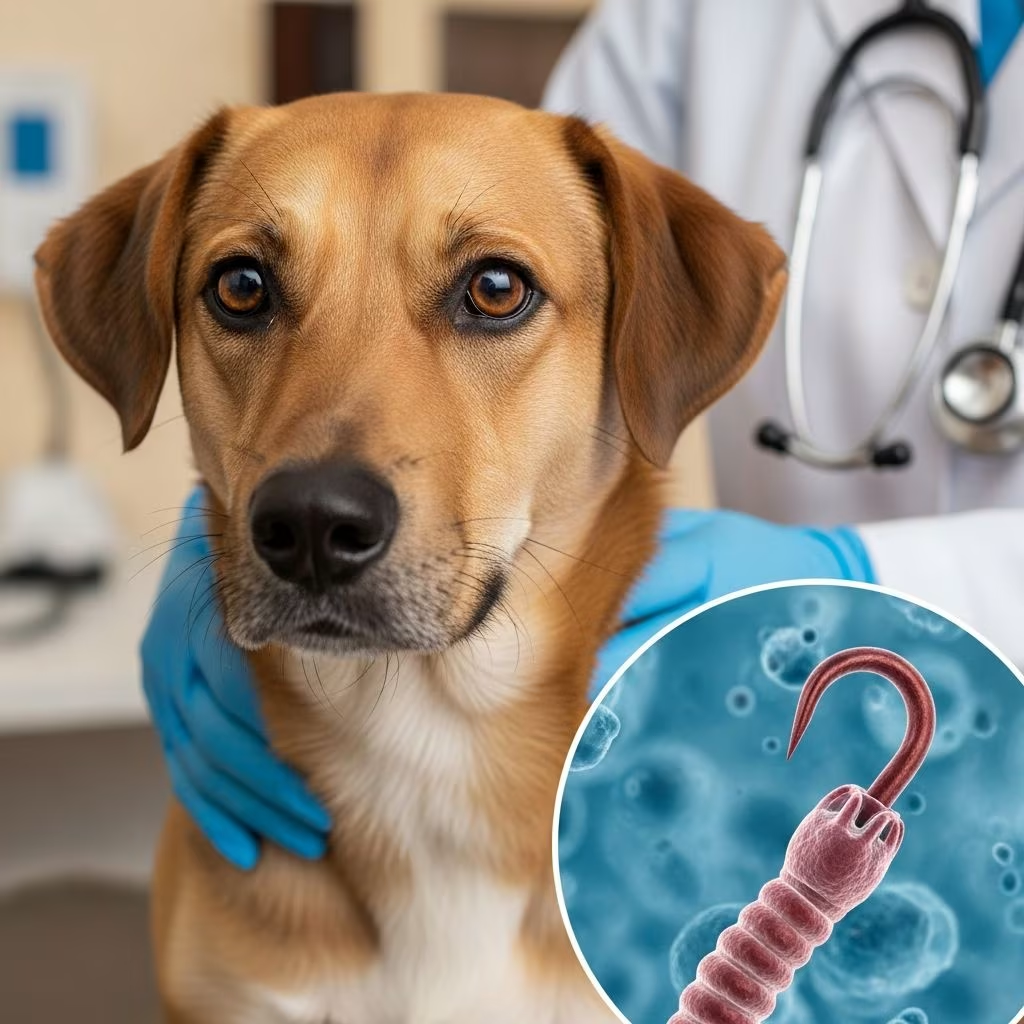
Understanding Hookworm Infection in Dogs
Hookworms are parasitic nematodes that pose a significant health threat to dogs of all ages, though puppies are particularly vulnerable to severe complications. These parasites inhabit the small intestines of infected dogs, where they attach to the intestinal lining and feed on tissue fluids and blood. The condition is more prevalent than many pet owners realize, and understanding this parasitic infection is crucial for maintaining your dog’s health and preventing transmission to other animals or potentially to humans through contaminated environments.
Hookworm infections can range from subclinical presentations with minimal symptoms to severe, life-threatening conditions, especially in young puppies. The severity of infection depends on the parasite burden, the dog’s age, overall health status, and nutritional state. Early recognition of symptoms and prompt veterinary intervention are essential for successful treatment and prevention of serious complications.
Clinical Signs of Hookworm Infection
The clinical presentation of hookworm infection in dogs is primarily characterized by gastrointestinal distress and anemia-related symptoms. The parasites create a cascade of health issues by anchoring themselves to the intestinal lining and injecting anticoagulant substances that prevent blood clotting, leading to continuous bleeding at attachment sites even after the worms detach.
Primary Symptoms
Dogs infected with hookworms typically exhibit the following clinical signs:
- Intestinal upset and gastrointestinal distress
- Pale gums indicating anemia
- Generalized weakness and lethargy
- Dull, dry coat lacking its normal shine
- Significant unexplained weight loss
- Bloody diarrhea or melena (digested blood in stool)
- Failure to grow or develop properly in puppies
- Skin irritations, particularly around the paws from larvae burrowing into the skin
- Coughing in severe cases
- Inappetence or loss of appetite
- Dehydration
- Vomiting
Severity in Puppies
Young puppies are at significantly higher risk for severe complications from hookworm infections. It is not uncommon for young puppies to die from severe hookworm infections, particularly when exposed to heavy parasite loads during the nursing period. Nursing puppies can acquire infections through their mother’s milk, making maternal deworming an important preventive measure.
Pathophysiology of Hookworm Infection
Understanding how hookworms damage the dog’s body is essential for appreciating why prompt treatment is necessary. The parasites attach firmly to the intestinal mucosa using their buccal capsule, creating a feeding site where they extract blood and tissue fluids. The anticoagulant substances they secrete prevent normal blood clotting, which means bleeding continues from the attachment sites long after the worm has moved to a new feeding location. This continuous blood loss leads to chronic anemia, which manifests as pale gums, weakness, and lethargy.
In addition to blood loss, the parasitic infection causes inflammation of the intestinal tract, leading to diarrhea, malabsorption of nutrients, and gastrointestinal upset. The combination of blood loss and nutritional malabsorption makes it difficult for infected dogs to maintain body weight and energy levels, particularly affecting growing puppies who have high nutritional demands.
Diagnosis of Hookworm Infection
Veterinarians typically diagnose hookworm infections through fecal examination. During a routine wellness visit, your veterinarian may collect a fecal sample and examine it under a microscope for the presence of hookworm eggs. However, newly infected dogs or those with light infections may test negative even though parasites are present, as it takes time for worms to mature and begin shedding eggs. Multiple fecal tests may be necessary for accurate diagnosis, particularly in suspected cases.
Treatment Options for Hookworm Infection
Hookworm infections are treatable with appropriate veterinary care, though the treatment protocol requires careful follow-up to ensure complete eradication of the parasites.
Anthelmintic Medications
Several effective drugs called anthelmintics are available for treating hookworm infections. Most of these medications are given orally and have few, if any, side effects. Common anthelmintics approved for hookworm treatment include:
- Pyrantel pamoate
- Fenbendazole
- Moxidectin
- Milbemycin oxime
- Nitroscanate
Treatment Protocol and Duration
A critical aspect of hookworm treatment is understanding that most anthelmintics only kill adult hookworms, not larvae. Therefore, treatment must be repeated two to three weeks after the initial dose to kill any new adult worms that have developed from larvae that were present during the first treatment. This repeated dosing schedule is essential for complete parasite eradication.
Many monthly heartworm preventatives, such as ivermectin/pyrantel combinations and milbemycin oxime products, also have activity against hookworm larvae, helping prevent re-infection between doses of primary treatment medications.
Supportive Care
For dogs with severe hookworm infections, treatment extends beyond anthelmintic medications. Supportive care is critical and may include:
- Iron supplements to address anemia
- High-protein diet to promote recovery and tissue repair
- Fluid and electrolyte therapy for dehydrated or severely affected animals
- Gastrointestinal protective medications such as sucralfate
- Blood transfusions for cases with severe anemia
It is important to note that anemia may temporarily worsen after treatment begins, as treated worms detach from the intestinal lining, leaving ulcerative lesions that can continue bleeding for several days. This is a normal part of the healing process and should not be interpreted as treatment failure.
Prognosis
With appropriate diagnosis and treatment, the prognosis for hookworm infection is generally good for full recovery. However, dogs with severe anemia requiring blood transfusions have a poorer prognosis and typically require more extensive treatment protocols.
Prevention of Hookworm Infection
Prevention is significantly more effective than treatment and should be a cornerstone of responsible pet ownership. Several preventive strategies can substantially reduce the risk of hookworm infection in dogs.
Puppy Deworming Protocol
All puppies should receive veterinary-approved anthelmintic treatment at two to three weeks of age, with additional doses at appropriate intervals throughout their early development. A comprehensive puppy deworming schedule typically involves treatments at 2, 4, 6, and 8 weeks of age. Nursing female dogs should also be dewormed when their puppies are dewormed to minimize transmission to nursing offspring.
Environmental Management
Proper environmental sanitation is crucial for preventing hookworm transmission. Key practices include:
- Immediate disposal of dog feces in yards, public parks, and playgrounds
- Regular cleaning and disinfection of areas where dogs spend time
- Avoiding dog parks when your pet is actively shedding parasitic ova
- Keeping yards free of dog waste
- Proper disposal of contaminated waste materials
Personal Hygiene
Protecting human family members from potential contamination is equally important. Regular handwashing after handling dogs or cleaning up waste, and ensuring children practice good hygiene around pets, significantly reduces the risk of accidental exposure to hookworm larvae.
Routine Fecal Monitoring
Periodic fecal examinations, particularly for dogs at high risk of infection, help identify and treat infections before they become severe. Your veterinarian can recommend an appropriate screening schedule based on your dog’s lifestyle and risk factors.
Transmission and Risk Factors
Understanding how hookworm transmission occurs helps pet owners take appropriate preventive measures. Hookworm transmission can occur through multiple routes, including:
- Ingestion of contaminated soil containing hookworm larvae
- Ingestion of infected prey or raw meat
- Transplacental transmission from mother to developing fetuses
- Transmission through nursing milk from infected mothers
- Penetration of skin by larvae in heavily infested environments
Dogs with outdoor access, those that spend time in communal areas like parks, and young puppies are at highest risk for hookworm infection. Multi-dog households and kennels also present increased transmission risks.
Special Considerations
Drug-Resistant Hookworms
In rare cases, hookworms may develop resistance to standard anthelmintic medications. When drug resistance is suspected, combination therapy using multiple drug classes administered concurrently may be necessary. Veterinarians may recommend combinations such as fenbendazole plus pyrantel pamoate plus moxidectin for resistant infections.
Arrested Larvae
Some hookworm larvae can become arrested or dormant within the dog’s tissues, remaining viable for extended periods. Routine anthelmintic therapies do not kill these arrested third-stage larvae, which means treatment may need to continue for months or years depending on larval populations and environmental recontamination risks.
Frequently Asked Questions
Q: Can humans get hookworms from dogs?
A: While dog hookworms can cause cutaneous larva migrans (a skin infection) in humans through contact with contaminated soil or larvae, the parasites do not typically establish full infections in humans. However, proper hygiene and environmental sanitation remain important to minimize any risk.
Q: How long does hookworm treatment take?
A: Initial treatment typically involves two doses of anthelmintic medication given two to three weeks apart. However, complete resolution may take several months to years depending on environmental contamination and the presence of arrested larvae in tissues.
Q: Can hookworm infections be prevented entirely?
A: While complete prevention is challenging, particularly for outdoor dogs, the combination of regular deworming, environmental sanitation, and routine fecal monitoring significantly reduces infection risk. Monthly heartworm preventatives with anti-hookworm activity also provide substantial protection.
Q: What should I do if my dog shows signs of hookworm infection?
A: Contact your veterinarian immediately if you notice signs such as bloody diarrhea, pale gums, unexplained weight loss, or failure to thrive in puppies. Early diagnosis and treatment prevent serious complications and reduce environmental contamination.
Q: Are monthly heartworm preventatives sufficient for hookworm prevention?
A: Many monthly heartworm preventatives contain agents that kill hookworm larvae, providing good preventive coverage. However, veterinarians may recommend additional treatments based on individual risk factors and exposure history.
References
- Hookworm in Dogs: Signs, Treatment & Prevention — Cave Creek Vets (AHS Veterinary). 2024-07-15. https://www.ahsvet.com/site/blog/2024/07/15/hookworm-dogs
- Hookworms in dogs — Cornell University College of Veterinary Medicine, Riney Canine Health Center. 2024. https://www.vet.cornell.edu/departments-centers-and-institutes/riney-canine-health-center/canine-health-information/hookworms-dogs
- Hookworm Infection in Dogs — VCA Animal Hospitals. https://vcahospitals.com/know-your-pet/hookworm-infection-in-dogs
- Hookworms in Small Animals – Digestive System — Merck Veterinary Manual. https://www.merckvetmanual.com/digestive-system/gastrointestinal-parasites-of-small-animals/hookworms-in-small-animals
- Hookworms – Companion Animal Parasite Council — Companion Animal Parasite Council (CAPC). https://capcvet.org/guidelines/hookworms/
- Hookworms – Dog Owners — Pets & Parasites. https://www.petsandparasites.org/dog-owners/hookworms/



