

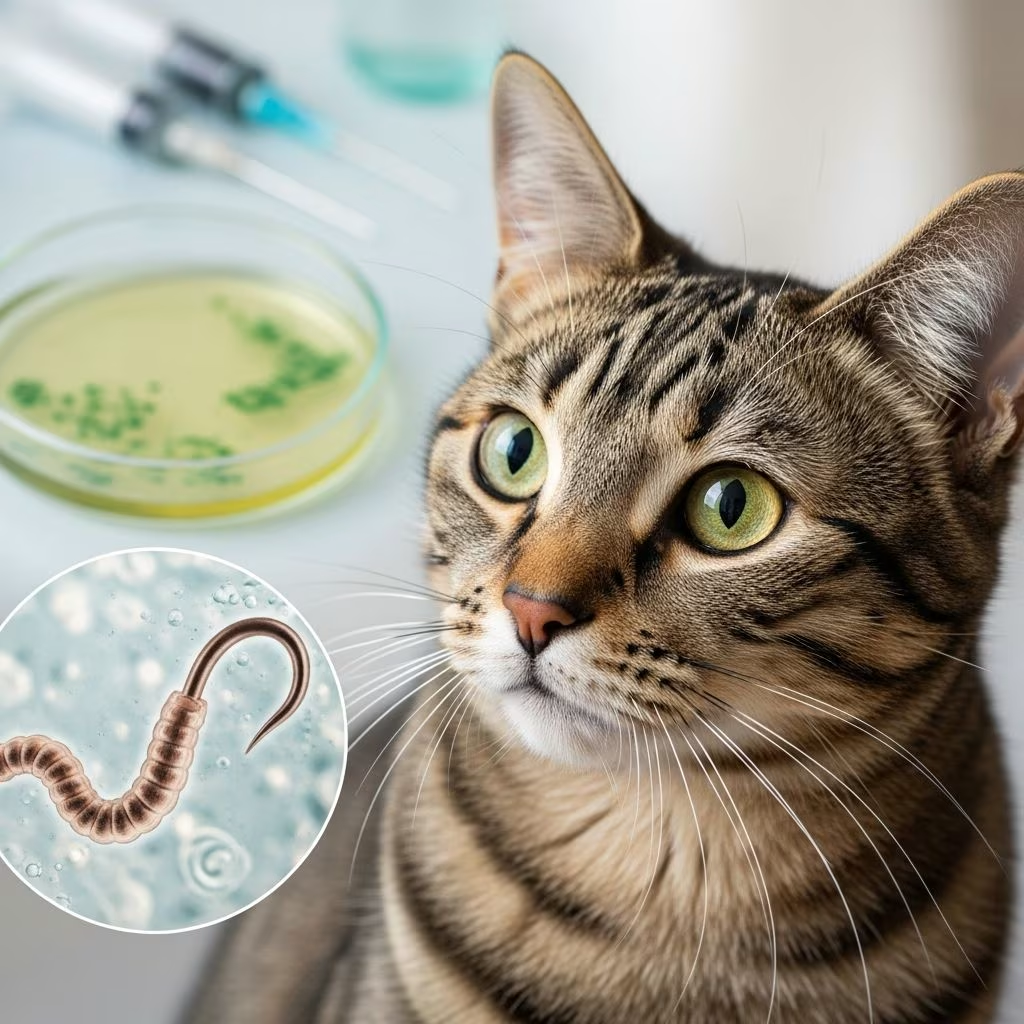
Understanding Hookworm Infection in Cats
Hookworm infection is a common parasitic condition affecting cats of all ages, though young kittens are particularly susceptible to severe complications. These microscopic parasites attach to the intestinal lining of infected cats and feed on blood, potentially causing significant health issues if left untreated. Understanding the nature of this infection, its transmission routes, and available treatment options is essential for cat owners who want to protect their pets’ health and well-being.
Hookworms are tiny parasites that are barely visible to the naked eye, making them difficult to detect without proper diagnostic testing. Despite their small size, these parasites can cause serious health consequences, especially in young or immunocompromised cats. Fortunately, hookworm infection is highly treatable when diagnosed early and managed appropriately by a veterinary professional.
What Are Hookworms?
Hookworms are intestinal parasites that belong to the nematode family. These organisms are specialized feeders that attach to the intestinal wall of their hosts and extract blood for nutrition. Feline hookworms tend to “graze” along the lining of the small intestine and are considered “tissue feeders.” When the parasites feed, they inject an anti-coagulant substance at the feeding site, which prevents blood from clotting and enables continuous blood loss.
The lifecycle of hookworms involves multiple stages, including eggs, larvae, and adult worms. Understanding this lifecycle is crucial for effective treatment and prevention, as different medications target different stages of development. This is why multiple treatments are often necessary to completely eliminate hookworm infections.
How Do Cats Get Hookworms?
Cats can acquire hookworm infections through several transmission routes. The most common method of infection occurs through contact with contaminated fecal matter. While hookworms rarely leave their host independently, microscopic eggs are continuously laid in the intestines and pass through stool. These eggs can contaminate the environment, including litter boxes, soil, and other areas where cats spend time.
Kittens can also become infected through their mother’s milk or during the nursing process, particularly if the mother is infected. Additionally, cats may ingest larvae through contaminated food or water, or larvae can penetrate the skin, particularly between the paws and on the paw pads. In heavily infested environments, cats may experience skin irritation and itching as larvae burrow into and along the skin surface.
Clinical Signs of Hookworm Infection
Recognizing the symptoms of hookworm infection is vital for early detection and treatment. The clinical presentation can vary depending on the severity of the infection and the age of the affected cat.
Common Symptoms
Evidence of hookworm infection includes several observable signs:
– Anemia (low numbers of circulating red blood cells)- Presence of digested blood in the stool, appearing as a black “tarry” appearance- Poor hair coat quality and appearance- Weight loss- Pale gums and weakness, which are common signs of anemia- Loss of appetite- Diarrhea or constipation- General lethargy and reduced activity levels
Severity in Kittens
Anemia due to blood loss is a more significant problem in kittens than in adult cats. Young kittens may require emergency medical intervention in severe cases, as their smaller body mass means that blood loss has a proportionally greater impact. In heavily infested environments, cats may also experience skin irritation and itching, especially of the paws, caused by larvae burrowing into and along the skin.
Diagnosis of Hookworm Infection
Proper diagnosis requires a comprehensive veterinary evaluation. A symptomatic cat undergoes a full diagnostic workup to determine their overall health status and confirm the presence of hookworms.
Diagnostic Methods
The diagnostic process includes multiple components:
– Physical examination by a veterinarian- Bloodwork to assess red blood cell counts and detect anemia- Diagnostic imaging to evaluate internal organs if necessary- Fecal analysis to identify hookworm eggs or larvae in stool samples- Specific testing for viral infections that can cause immunosuppression, such as FeLV (Feline Leukemia Virus) or FIV (Feline Immunodeficiency Virus)
Fecal analysis is particularly important, as it allows veterinarians to directly identify hookworm eggs. However, because hookworms are very small and eggs may not always be present in every sample, multiple fecal tests may be necessary to confirm diagnosis. Commercial laboratories may publish algorithms specific to their diagnostic tests that can assist in accurate identification.
Treatment of Hookworm Infection
Fortunately, treatment for hookworm infection is safe, simple, and relatively inexpensive. However, successful treatment requires understanding the parasite’s lifecycle and following veterinary recommendations carefully.
Anthelmintic Medications
A deworming medication called an anthelmintic will be administered to kill the adult hookworms. Several effective drugs are available that will kill hookworms, and these can be given topically or orally with few, if any, side effects. Common anthelmintic medications include:
– Moxidectin- Fenbendazole- Milbemycin oxime- Pyrantel pamoate- Combination products containing multiple active ingredients
Treatment Protocol
Most anthelmintics do not kill the larval stages of hookworms. Therefore, it is necessary to treat an infected cat again in two to three weeks to kill any new adult worms that were larvae at the time of the first treatment. This repeated treatment protocol is essential for complete elimination of the infection and breaking the parasite’s lifecycle.
The second treatment targets newly matured adult worms while preventing the establishment of new infections from remaining larvae. Following the prescribed treatment schedule is crucial for successful outcomes.
Supportive Care
For severe infections leading to anemia, supplemental treatment includes:
– Blood transfusions for severely anemic cats- Fluid therapy and electrolyte replacement- Oxygen supplementation when needed- Gentle warming of the animal- Nutritional support with high-protein diets- Iron supplements to help restore red blood cell production
In severe cases, if the cat is dehydrated, hospitalization may be required. Fluids will be administered intravenously with frequent tests to ensure the heart and kidneys are responding well to the fluid therapy.
Recovery and Prognosis
With appropriate diagnosis and treatment, the prognosis is good for full recovery from hookworm infection. Most medications begin to take effect within a few days, but you may be advised to continue administering medication for a longer period of time. How long it takes for your cat to feel better depends on your cat’s clinical signs as well as the treatment option prescribed by your veterinarian.
After the second dose of dewormer, recovery is rather quick. In rare cases, kittens or debilitated cats might require a blood transfusion because of severe anemia. These patients have a poorer prognosis and extensive treatments are usually necessary. However, with proper management, even severely affected animals can recover successfully.
Follow-up Visits
You will need to schedule a follow-up visit three to four weeks after treatment is completed to ensure re-infestation does not occur. During this time, feces can still pass hookworms on to other pets in the environment, so prompt fecal removal and proper hygiene are essential.
Prevention of Hookworm Infection
Effective prevention strategies can significantly reduce the risk of hookworm infection in your cats.
Kitten Treatment
– All newborn kittens should be treated with a veterinary-approved anthelmintic by two to three weeks of age- Infected kittens should be given medication after they have reached three to four weeks of age and continue treatment once a month- Ideally, kittens are treated for worms during their kitten vaccination series- Kittens should be dewormed every 2 weeks between 3 and 9 weeks of age, followed by administration of a monthly treatment
Pregnant and Nursing Cats
Pregnant cats infected with hookworms should be given the medication two weeks after breeding and continue treatment until two to four weeks after giving birth. This approach helps eliminate worms from the intestine and lowers the risk of infecting their newborn kittens.
General Prevention Measures
– Prompt deworming should be given if parasites are detected- Periodic deworming may be appropriate for pets at high risk of infection- Use a monthly heartworm preventive that also prevents hookworm infection- Promptly remove all feces from litter boxes and yards- Wash hands thoroughly after handling feces- Avoid areas where other infected animals may have defecated- Maintain clean living environments- Consider limiting outdoor access in high-risk areas
Environmental Management
Controlling the environment is crucial for preventing re-infestation and protecting other pets. Continue to promptly remove all feces from the litter box or yard and wash your hands after handling feces. Treatment may take months or years, depending on larval populations in tissues and is also dependent upon environmental decontamination practices to minimize reinfection.
During active infection and treatment periods, avoid dog parks and other areas where your cat might come into contact with contaminated soil or other infected animals. Thoroughly clean and disinfect litter boxes and areas where your cat spends time.
Frequently Asked Questions
Q: Can hookworms in cats be fatal?
A: While hookworm infections can be serious, especially in young kittens or debilitated cats, they are rarely fatal when treated appropriately. Severe or chronic hookworm infestations can be seriously debilitating, but with prompt veterinary care and treatment, most cats make a full recovery.
Q: How long does hookworm treatment take?
A: The standard treatment protocol involves two doses of anthelmintic medication given 2-3 weeks apart. Most medications begin to take effect within a few days, but the entire treatment course typically spans 3-4 weeks. However, treatment may take months or years depending on larval populations in tissues.
Q: Can I catch hookworms from my cat?
A: While feline hookworms primarily affect cats, it’s important to practice good hygiene when handling infected cats or their feces to prevent accidental ingestion of contaminated material. Always wash your hands thoroughly after handling your cat or cleaning the litter box.
Q: Are there side effects from hookworm medications?
A: Most anthelmintic medications used to treat hookworms have few, if any, side effects. The medications are generally safe and well-tolerated by cats. Your veterinarian can discuss any specific concerns about your cat’s health or potential medication interactions.
Q: How can I prevent my kitten from getting hookworms?
A: Start with early deworming at 3-4 weeks of age, continue monthly treatments during the kitten period, maintain a clean environment, promptly remove feces, and use a monthly heartworm preventive that also prevents hookworm infection. Regular veterinary check-ups are also essential.
References
- Hookworm Infection in Cats — VCA Animal Hospitals. 2025. https://vcahospitals.com/know-your-pet/hookworm-infection-in-cats
- Hookworms in Cats – Causes, Treatment and Associated Conditions — Vetster. 2025. https://vetster.com/en/conditions/cat/hookworms
- Hookworms in Cats — PetMD. 2025. https://www.petmd.com/cat/conditions/infectious-parasitic/hookworms-cats
- Feline Hookworm Infection — The Drake Center For Veterinary Care. 2025. https://www.thedrakecenter.com/resources/materials/cats/feline-hookworm-infection
- Hookworms – Companion Animal Parasite Council — Companion Animal Parasite Council. 2024. https://capcvet.org/guidelines/hookworms/
- Hookworms in Cats — Small Door Veterinary. 2025. https://www.smalldoorvet.com/learning-center/medical/hookworms-in-cats



