

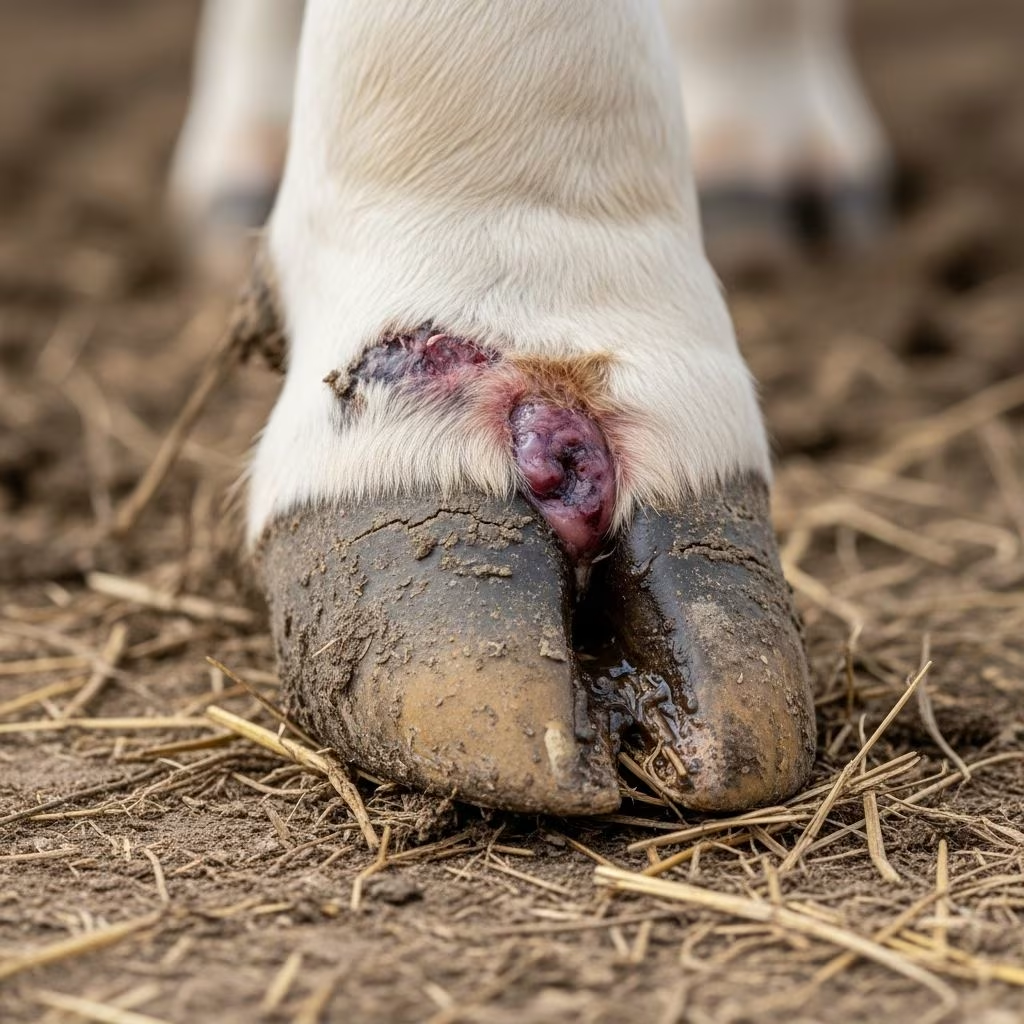
Hoof problems account for the majority of lameness cases in cattle, impacting 70-90% of instances and leading to reduced mobility, lower productivity, and potential culling. These issues arise from infectious agents, mechanical stresses, nutritional shortfalls, and environmental factors, affecting both dairy and beef herds differently based on housing and management practices.
Understanding the Impact of Hoof Lameness
Lameness manifests as abnormal gait, reluctance to bear weight, arched back, or head bobbing, signaling pain in the hoof. In dairy cows, it correlates with decreased milk yield, poor reproductive performance, and higher veterinary costs. Beef cattle suffer weight gain losses and handling difficulties during outbreaks. Early detection through routine observation prevents chronic conditions that compromise animal welfare.
Primary Infectious Causes
Infectious hoof diseases spread rapidly in wet, overcrowded environments, thriving on bacteria like Fusobacterium necrophorum and Bacteroides melaninogenicus.
Foot Rot: A Rapidly Progressive Infection
Foot rot, or interdigital necrobacillosis, strikes suddenly with severe lameness in one limb, symmetric swelling above the hoof, fever, and foul-smelling discharge from cracked interdigital skin. It often erupts herd-wide after mud exposure or injury. Necrotic tissue sloughs off, exposing sensitive corium if untreated.
- Symptoms: Hot, swollen interdigital space; pus; lameness score 3-5.
- Risk factors: Wet pastures, poor drainage, overcrowding.
Digital Dermatitis and Heel Erosion
Digital dermatitis, known as hairy heel warts, features ulcerative lesions on heel bulbs and interdigital skin, progressing to granulomatous growths. It causes mild to moderate lameness, worsened by secondary infections. Heel horn erosion undermines rear hoof walls in a V-pattern, rarely lameness-inducing unless deep.
These thrive in damp barns with slurry buildup, spreading via fomites on feet and equipment.
Non-Infectious Hoof Disruptions
Mechanical and metabolic factors dominate non-infectious lameness, often linked to high-production dairy genetics and concrete flooring.
Sole Ulcers and Hemorrhages
Sole hemorrhages appear as red-black discolorations from P3 bone pressure on corium, stemming from laminitis or uneven weight distribution. Prolonged pressure evolves into sole ulcers at the toe-bulb junction, exposing bone and inviting sepsis. White line disease weakens outer hoof walls, allowing gravel penetration and abscesses.
Fissures and Structural Defects
Vertical fissures crack hoof walls, common in dry climates or mineral-deficient diets. Horizontal grooves signal metabolic insults like post-calving stress. Corkscrew claws twist medially, altering biomechanics and amplifying sole bruising. Thin soles exacerbate all lesions in overgrown hooves.
Contributing Risk Factors
Multifactorial origins demand holistic prevention. Key contributors include:
| Category | Examples | Impact |
|---|---|---|
| Environmental | Slippery concrete, wet bedding, sharp turns in alleys | Trauma, infection entry points |
| Nutritional | Zinc/copper shortages, rapid concentrate shifts causing acidosis | Weak horn, laminitis |
| Management | Overstocking, infrequent trimming, heat stress | Overgrowth, poor hygiene |
| Physiological | Early lactation, high parity, low BCS | Metabolic strain |
Breeds like Holsteins show steeper hoof angles correlating with higher lameness risk.
Diagnostic Approaches
Locate the lesion via gait scoring (1-5 scale: 1 normal, 5 non-weight bearing). Claw examination requires chutes, blocks, and illumination. Probe for pain, paring soles reveals hemorrhages/ulcers. Swabs confirm infections; radiographs detect bone involvement in deep sepsis.
- Visual: Swelling, odor, lesions.
- Palpation: Heat, crepitus.
- Functional: Hoof testers pinpoint soreness.
Treatment Strategies
Tailor interventions to etiology for best outcomes.
For Infectious Cases
Foot rot demands systemic antibiotics (penicillin, oxytetracycline), foot baths (copper sulfate 5-10%), and topical sprays. Isolate cases; pare necrotic tissue. Digital dermatitis responds to lincomycin topicals and zinc sulfate baths.
Non-Infectious Management
Trim hooves to ideal length/angle, apply blocks to offload ulcers. Therapeutic shoeing relieves pressure. NSAIDs like flunixin reduce inflammation. Address nutrition to heal horn disruptions.
Severe deep infections may require amputation, but prognosis improves with early action.
Prevention and Herd Health Protocols
Proactive measures slash incidence by 50%+.
- Foot Care Routine: Trim 2-4x/year, inspect monthly.
- Hygiene: Clean alleys daily, dry bedding, foot baths weekly in risk periods.
- Nutrition: Balanced minerals (Zn 40-60ppm, Cu 10-20ppm), gradual diet transitions.
- Housing: Rubber mats, wide alleys, >120 sq ft/cow freestalls.
- Monitoring: Weekly locomotion scores, vaccinate against predisposers.
Beef herds benefit from pasture rotation avoiding mud; dairies prioritize cubicle comfort.
FAQs
What is the most common cause of lameness in dairy cattle?
Digital dermatitis, sole ulcers, and white line lesions predominate, often multifactorial.
How do I differentiate foot rot from sole ulcers?
Foot rot shows interdigital swelling/discharge; ulcers reveal sole defects post-paring without swelling.
Can nutrition prevent hoof lameness?
Yes, adequate biotin, zinc, and methionine strengthen horn; acidosis prevention averts laminitis.
When should I call a vet for lame cattle?
Any score >2 lasting >48 hours, swelling, or herd outbreaks warrant professional input.
Are there breed differences in susceptibility?
Holsteins/Jerseys higher risk due to genetics; beef breeds prone to fissures in arid areas.
Long-Term Herd Management
Implement lameness teams: farmers, vets, nutritionists. Track via apps for trends. Culling chronic cases preserves welfare/economics. Research underscores prevention’s ROI, with treated cases costing $200-500/head vs. $50 avoided.
References
- Overview of Lameness in Cattle – Musculoskeletal System — Merck Veterinary Manual. 2023. https://www.merckvetmanual.com/musculoskeletal-system/lameness-in-cattle/overview-of-lameness-in-cattle
- Causes of Lameness in Cattle — Lethbridge Animal Clinic. 2023-10-15. https://lethbridgeanimalclinic.com/blog/lameness-in-cattle/
- Exploring Cattle Lameness: Causes, Identifying, and Management Strategies — QLF. 2024. https://www.qlf.com/news/exploring-cattle-lameness-causes-identifying-and-management-strategies/
- Lameness in Cattle—Etiopathogenesis, Prevention and Treatment — PMC (NCBI). 2024-07-20. https://pmc.ncbi.nlm.nih.gov/articles/PMC11200875/
- Lameness Originating in the Hoof in Cattle – Musculoskeletal System — Merck Veterinary Manual. 2023. https://www.merckvetmanual.com/musculoskeletal-system/lameness-in-cattle/lameness-originating-in-the-hoof-in-cattle
- Foot Rot in Cattle: Symptoms, Treatment & Prevention — Cattlytics. 2024. https://www.cattlytics.com/blog/what-is-foot-rot-in-cattle/



