
Hoof Cracks In Horses: Complete Guide To Identification & Care
Comprehensive guide to understanding, preventing, and treating hoof cracks for optimal equine foot health and performance.
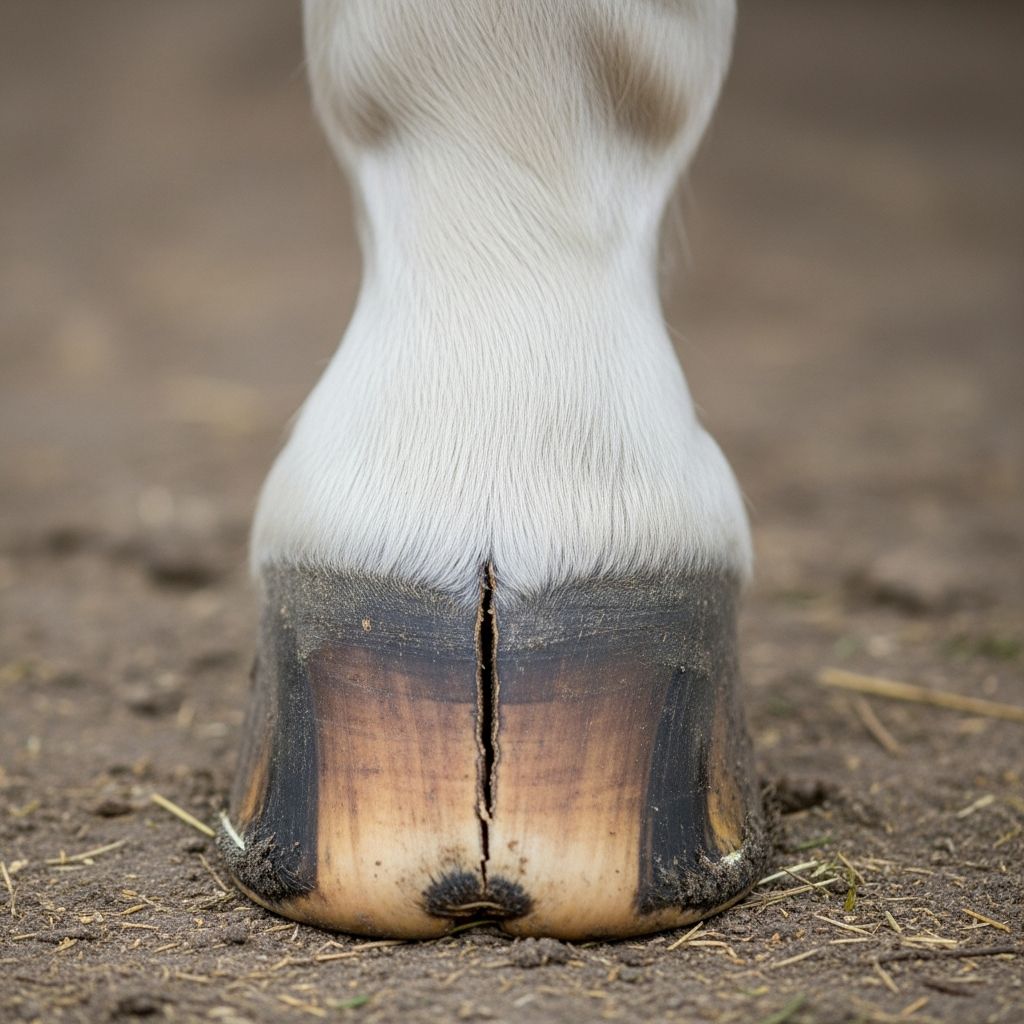
Hoof cracks represent one of the most frequent structural issues in equine hooves, potentially ranging from minor cosmetic flaws to severe conditions causing pain and lameness. These vertical or horizontal fissures in the hoof wall can compromise a horse’s mobility if not addressed promptly. Understanding their origins, classifications, and remedies empowers horse owners and caretakers to safeguard foot integrity effectively.
Understanding the Anatomy of Equine Hooves
The equine hoof is a complex structure designed to support the horse’s weight while absorbing shock during movement. Composed primarily of keratinized hoof wall, sole, frog, and sensitive laminae beneath, the hoof wall grows continuously from the coronary band at a rate of about 1 cm per month. Disruptions in this growth or excessive stress can lead to cracks that follow the natural orientation of hoof tubules, typically running vertically.
Healthy hooves exhibit uniform thickness, smooth surfaces, and resilience to environmental stresses. Factors like genetics influence wall quality, with some breeds more susceptible to thin or brittle hooves. Daily inspection reveals early signs of weakness, preventing escalation.
Primary Causes Behind Hoof Cracks
Hoof cracks seldom arise in isolation; they stem from a combination of mechanical, nutritional, environmental, and conformational contributors. Mechanical imbalances, such as long toes or underrun heels, redistribute weight unevenly, weakening specific wall sections.
- Foot Imbalance: The leading trigger, often from irregular trimming or shoeing, where toes extend excessively or heels remain low.
- Trauma: Direct impacts from rocks, overreaching, or stomping against insects fracture the wall.
- Environmental Extremes: Prolonged exposure to dry, brittle ground or soggy pastures alters hoof moisture, making walls prone to splitting.
- Nutritional Deficiencies: Inadequate intake of biotin, methionine, zinc, or overall protein weakens keratin production.
- Conformational Issues: Club feet, long pasterns, or limb deviations amplify stress on vulnerable areas.
Addressing these root causes forms the cornerstone of prevention, as superficial treatments alone fail to resolve underlying problems.
Classifying Hoof Cracks by Location and Severity
Cracks are categorized by their position—toe, quarter, heel, or bar—and depth, from superficial (epidermal) to deep (involving sensitive tissues). Superficial cracks rarely cause lameness, while deeper ones may penetrate laminae, inviting infection.
| Type | Location | Common Causes | Severity Risk |
|---|---|---|---|
| Toe Cracks | Front third of hoof | Long toes, white line disease, club feet | Moderate; front feet bear more weight |
| Quarter Cracks | Middle hoof wall | Coronary trauma, imbalance, poor shoe fit | High; often leads to lameness |
| Heel Cracks | Below heel bulbs | Shifting shoes, overstriking from hind feet | Variable; infection common |
| Horizontal Cracks | Across wall | Abscess drainage, trauma | Low once abscess resolves |
This classification guides treatment priorities, with quarter cracks demanding immediate veterinary attention due to lameness potential.
Recognizing Symptoms and Diagnosing Issues
Early detection hinges on routine hoof picking and visual checks. Visible fissures, chipping, or flaking signal trouble, especially if accompanied by heat, pulsing digital arteries, or gait changes. Lameness varies: mild for surface cracks, severe for infected deep fissures.
Veterinary diagnostics include hoof testers for sensitivity, radiographs to assess bone involvement, and venograms for vascular integrity. Differentiating cracks from abscesses or laminitis is crucial, as misdiagnosis delays recovery.
Effective Treatment Strategies for Hoof Cracks
Treatment protocols prioritize stabilizing the hoof, eradicating infection, and correcting imbalances. For minor cracks, regular farrier visits suffice, allowing natural grow-out over 6-12 months.
- Clean and Debride: Remove loose horn and debris; apply antiseptics like povidone-iodine.
- Stabilize: Use acrylic fillers, glue-on shoes, staples, or wire-screw methods for deeper cracks.
- Address Infection: Systemic antibiotics or topical silver nitrate for contaminated sites.
- Correct Biomechanics: Therapeutic shoeing with pads, wedges, or bar shoes to redistribute load.
- Support Healing: Rest, controlled exercise, and hoof boots protect during regrowth.
For working horses, partial shoeing or patches enable continued activity while healing progresses. Complex cases may require MRI for precise intervention.
Nutritional Support for Stronger Hooves
Diet profoundly impacts hoof quality. A forage-first approach delivering 1.5-2% bodyweight in hay, supplemented with ration balancers ensures essential nutrients. Key inclusions:
- Biotin (20-30 mg/day) for keratin cross-linking.
- Methionine and zinc for wall toughness.
- Omega-3 fatty acids to reduce inflammation.
- Vitamin E and selenium for antioxidant protection.
Avoid overfeeding grains, which disrupt hindgut health and mineral absorption. Blood tests confirm deficiencies before supplementation.
Preventive Measures to Avoid Future Cracks
Proactive management minimizes recurrence. Schedule trims every 4-6 weeks, matching shoe size to hoof proportions. Maintain consistent footing: harrow arenas, remove stones, and provide shelters from wet/dry extremes.
- Apply moisturizers like pine tar or keratin hardeners to dry hooves.
- Use fly masks and repellents to curb stomping.
- Monitor turnout partners to prevent interference injuries.
- Regular farrier-vet collaboration tailors care to individual conformation.
Genetic screening for at-risk breeds aids early intervention.
When to Seek Professional Help
Consult a veterinarian if cracks extend >1 inch, show pus/discharge, or coincide with lameness. Delaying risks subsolar abscesses or laminitis. Equine podiatry specialists excel in advanced repairs like heartbar shoes or digital flexor tenotomy adjuncts.
Frequently Asked Questions (FAQs)
Can hoof cracks heal on their own?
Superficial cracks often resolve with proper trimming and time, growing out as healthy horn replaces damaged sections. Deep cracks require intervention to prevent migration or infection.
How long does hoof crack recovery take?
Typically 3-12 months, depending on depth and location. Toe cracks heal slowest due to slower growth rates there.
Are supplements necessary for all cracked hooves?
Not always, but they benefit nutritionally compromised horses. Consult a vet for tailored recommendations based on forage analysis.
Do all hoof cracks cause lameness?
No, many are painless and cosmetic. Lameness signals involvement of sensitive laminae or infection.
What’s the best shoeing for preventing cracks?
Balanced trimming with full-contact shoes or barefoot if suitable, adjusted for conformation and discipline.
Long-Term Hoof Health Outlook
With diligent care, most horses recover fully from hoof cracks, resuming athletic careers. Persistent issues may indicate systemic problems like pituitary pars intermedia dysfunction (PPID), warranting holistic evaluation. Investing in hoof health yields dividends in performance and longevity.
References
- Hoof Cracks in Horses — Merck Veterinary Manual. 2023-10-15. https://www.merckvetmanual.com/musculoskeletal-system/disorders-of-the-foot-in-horses/hoof-cracks-in-horses
- Hoof Cracks: Types and Treatment — The Horse. 2019-05-01. https://thehorse.com/113955/hoof-cracks-types-and-treatment/
- Hoof Cracks in Horses and How to Treat Them — Mad Barn. 2024-02-12. https://madbarn.com/hoof-cracks-in-horses/
- Hoof Cracks in Horses: Causes, Treatment, and Prevention — Horse Sport Magazine. 2023-07-20. https://horsesport.com/magazine/health/hoof-cracks-horses-causes-treatment-prevention/
- Sand Cracks in Horses – Causes, Treatment — Vetster. 2024-01-08. https://vetster.com/en/conditions/horse/sand-cracks
Similar Articles








Read full bio of Sneha Tete


