

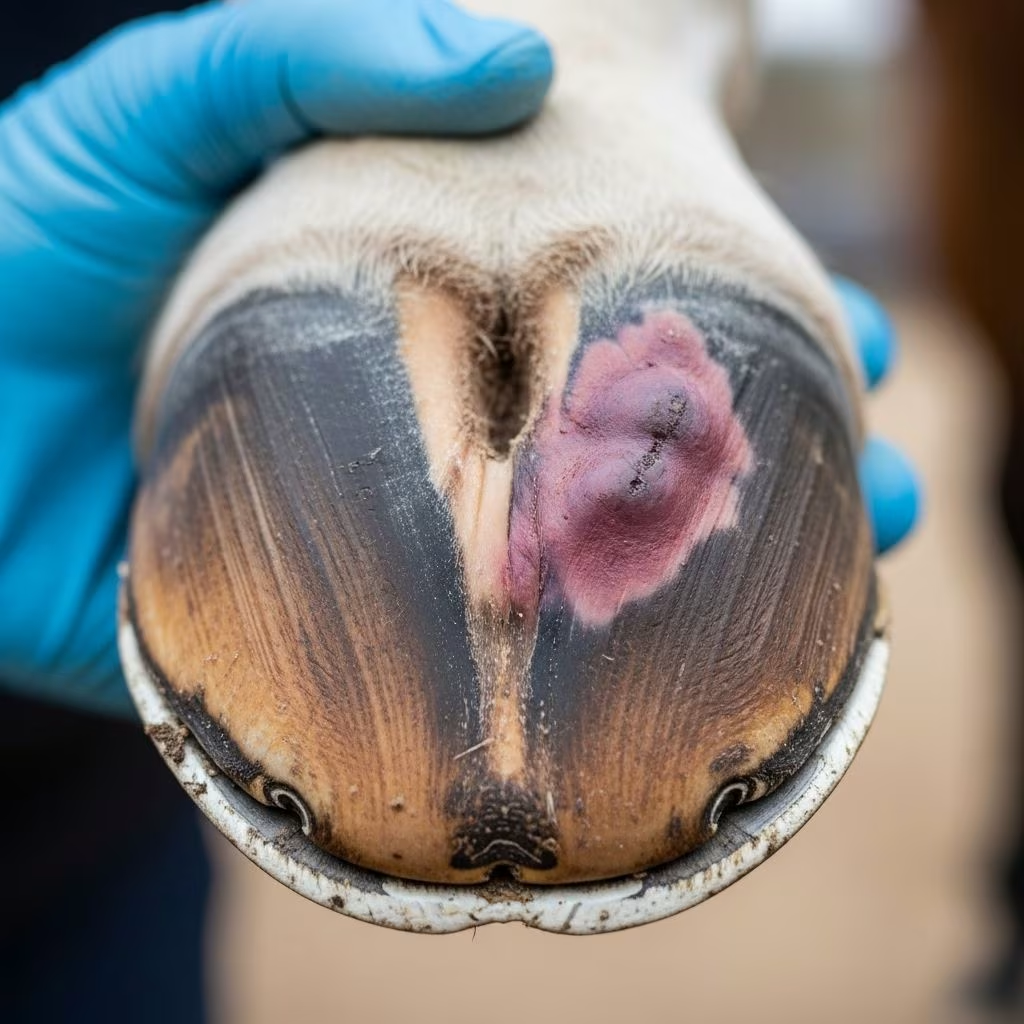
Hoof bruising represents one of the most frequent injuries in equine feet, stemming from direct impacts or mechanical stresses that damage internal blood vessels. This condition disrupts normal movement and can escalate if ignored, making early recognition vital for horse owners and caretakers.
Understanding the Anatomy of the Equine Hoof
The horse’s hoof is a complex structure designed to bear immense weight while absorbing shock. Key components include the hoof wall, sole, frog, and sensitive laminae beneath. Bruising typically occurs when force ruptures capillaries in the sole or laminar tissues, leading to blood accumulation that exerts pressure on nerves.
The sole, a protective concave layer, varies in thickness among horses. Thinner soles offer less cushioning against rocks or hard ground, heightening bruise risk. The white line, connecting wall and sole, is another vulnerable zone where strains from imbalance provoke hemorrhage.
Primary Triggers of Hoof Trauma
Several factors contribute to hoof bruising, often combining environmental, conformational, and management elements.
- Direct Impacts: Stepping on stones, traversing rocky trails, or sudden stops during jumps compress the sole, bursting vessels.
- Farriery Errors: Shoes too tight, loose, or overdue for replacement press unevenly, while improper angles exacerbate stress on toes or heels.
- Conformational Flaws: Flat feet, thin soles, or long toes redistribute weight poorly, inviting recurrent trauma.
- Surface Conditions: Hard, unforgiving arenas or frozen ground amplify concussion forces during exercise.
- Activity Demands: High-impact sports like barrel racing or eventing on firm footing multiply injury odds.
These triggers often interplay; for instance, a horse with dropped soles on gravel paths faces compounded risk without proper padding.
| Trigger Type | Examples | Risk Level |
|---|---|---|
| Environmental | Rocky terrain, hard arenas | High |
| Farriery | Tight shoes, long intervals | Medium-High |
| Conformation | Thin soles, flat feet | Medium |
| Activity | Jumping, racing | Variable |
Recognizing the Signs of Injury
Symptoms manifest subtly at first, progressing with severity. Owners should watch for gait changes post-exercise or turnout.
- Lameness: Ranges from slight head bob to refusal to bear weight, often worsening on turns or hard surfaces.
- Heat and Pulse: Warmth in the hoof or bounding digital artery pulse signals inflammation.
- Sensitivity: Hoof testers elicit pain; horse may flinch from firm pressure.
- Visual Clues: Reddish streaks in grown-out horn or yellowed sole indicate past bleeding.
- Behavioral Shifts: Reluctance to move, frequent lying down, or pawing.
Mild cases resolve spontaneously, but persistent signs demand professional input to rule out abscesses or fractures.
Diagnostic Approaches for Accurate Assessment
Veterinarians employ systematic methods to pinpoint bruising amid mimics like laminitis.
- Physical Exam: Palpation, hoof tester application, and flexion tests isolate pain sources.
- Hoof Radiography: X-rays reveal bone alignment, sole depth, and hematoma gas shadows.
- Venography: Contrast dye highlights vascular damage in chronic cases.
- History Review: Recent shoeing, terrain exposure, and workload inform context.
Early imaging prevents misdiagnosis, ensuring targeted care.
Immediate Care Strategies
Prompt intervention minimizes downtime. Start with conservative measures while awaiting expert advice.
- Rest Protocol: Stall confinement for 7-14 days offloads the foot.
- Cryotherapy: Ice boots or cold hosing 20 minutes thrice daily curbs swelling.
- Protection: Temporary pads or soft bedding shield from grit.
Avoid hot packs initially, as they may worsen bleeding.
Farriery Interventions for Relief
Collaborate with farriers for mechanical support. Custom shoeing realigns forces.
- Full Pads: Rubber or leather cushions sole, distributing impact.
- Trim Adjustments: Shorten toes, roll edges to ease breakover.
- Wedge Shoes: Elevate heels in low-heel cases.
- Packings: Medicated foams soften and medicate bruised areas.
For corns—bruises at heel-sole junctions—precise paring exposes and drains.
Pharmacological Support
Medications bridge healing gaps.
- NSAIDs: Phenylbutazone (2-4g/500kg daily) or flunixin reduce pain and fever.
- Opioids: Butorphanol for severe acute lameness.
- Topicals: Antiseptic poultices prevent secondary infection.
Monitor for gastric ulcers with prolonged NSAID use; dose per vet guidance.
Preventive Measures for Long-Term Soundness
Proactive hoof care averts repeats.
- Regular Farriery: Every 4-6 weeks, tailored to growth rates.
- Sole Thickening: Nutritional boosts like biotin (20mg/day) and methionine.
- Footing Choices: Arena maintenance with sand-clay mixes.
- Boot Usage: Turnout or trail boots for sensitive horses.
- Conditioning: Gradual workload ramps build tolerance.
Horses with inherent thin soles benefit from lifelong padding protocols.
Complications and When to Escalate
Untreated bruises invite abscesses, laminitis, or osteoarthritis. Red flags include fever, swelling above fetlock, or non-weight-bearing lameness—prompt emergency vet calls.
Chronic bruising signals deeper issues like navicular disease; advanced imaging or biopsies may follow.
Nutritional Role in Hoof Resilience
Diet influences horn quality. Ensure 10-15% protein forage, balanced minerals (zinc, copper). Avoid excess sugar/starch to curb inflammation. Supplements shine in deficient diets, backed by bloodwork.
Case Studies: Real-World Recovery
Consider a barrel horse with recurrent toe bruises: Post-radiograph trim, wide-web shoes, and rest yielded full return in 3 weeks. Contrast with a flat-footed trail horse needing pour-in pads and biotin for sustained protection.
FAQs on Equine Hoof Bruising
How long does a hoof bruise take to heal?
Typically 1-4 weeks with rest; chronic cases extend to months.
Can I ride a horse with a mild bruise?
Avoid until soundness returns; soft footing only if vetted.
Are hoof boots better than shoes for prevention?
Boots suit variable use; shoes excel in daily work.
Does breed affect bruising susceptibility?
Yes—Thoroughbreds and Arabians often have thinner soles.
What home remedies work best?
Ice therapy and rest; skip unproven soaks without advice.
References
- Hoof & Sole Bruises in Horses: Causes, Symptoms & Treatment — Mad Barn. 2023. https://madbarn.com/hoof-bruise-in-horses/
- Bruising of the Hoof Capsule in Horses — Merck Veterinary Manual. 2023-10-17. https://www.merckvetmanual.com/musculoskeletal-system/disorders-of-the-foot-in-horses/bruising-of-the-hoof-capsule-in-horses
- Sole Bruises in Horses – Causes, Treatment — Vetster. 2024. https://vetster.com/en/conditions/horse/sole-bruises
- Why hoof bruises happen — Equus Magazine. 2023. https://equusmagazine.com/lameness/hoof-bruises-happen-29327
- Hoof Bruising In Horses — Mid-Rivers Equine Centre. 2024. https://www.midriversequine.com/hoof-bruising-horses/



