

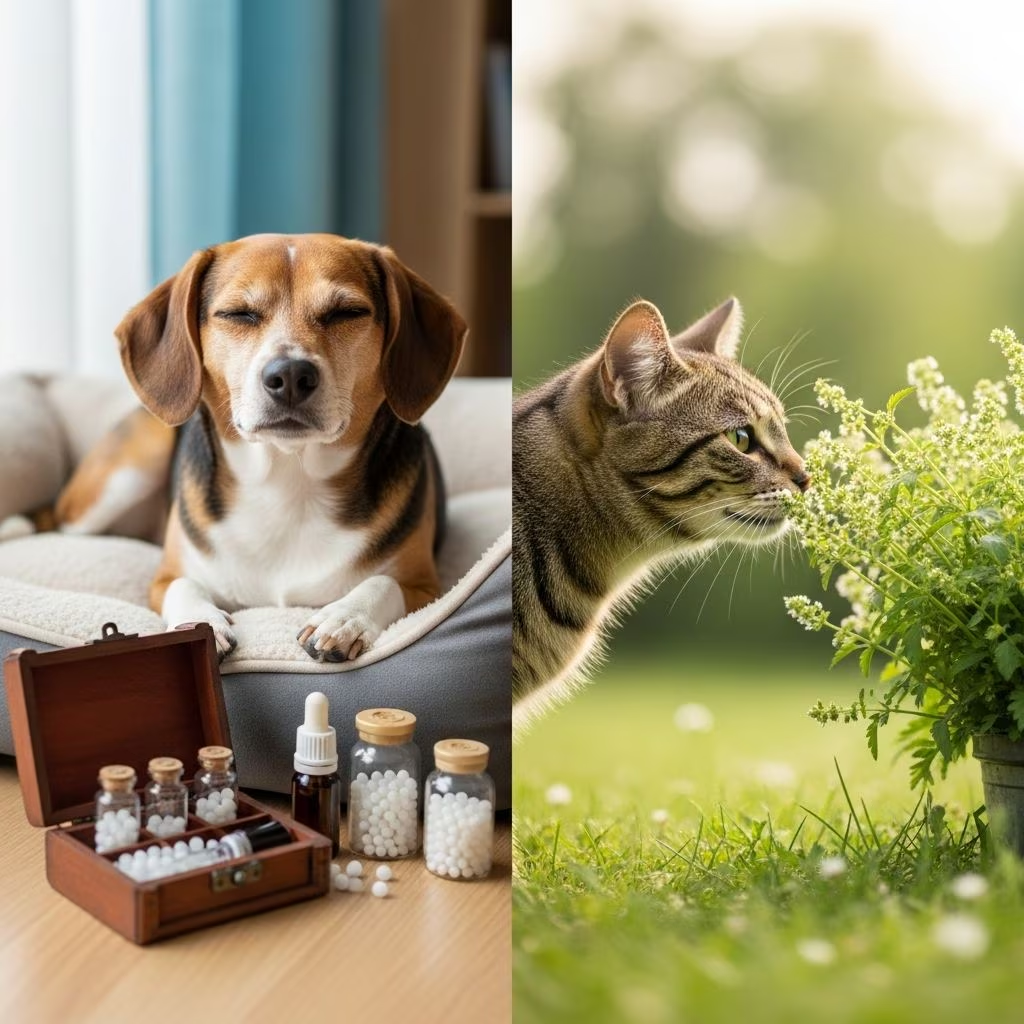
Homeopathy offers a gentle approach to pet health by using highly diluted substances to stimulate the body’s natural healing processes. This method, adapted for veterinary use, targets a wide range of conditions in dogs, cats, and other animals while emphasizing individualized treatment.
Core Principles of Veterinary Homeopathy
At its foundation, homeopathy follows the “like cures like” doctrine, where a substance causing symptoms in a healthy animal is administered in diluted form to treat similar symptoms in a sick one. Remedies undergo serial dilution and succussion, resulting in preparations that contain minimal original material but are believed to retain therapeutic memory.
This system views illness as an imbalance in the vital force, aiming to restore harmony rather than suppress symptoms. In pets, practitioners assess the whole animal—including behavior, appetite, environment, and emotional state—to select remedies.
Conditions Treated with Homeopathic Remedies
Veterinary homeopathy addresses diverse health issues, often as a complementary option for chronic or mild ailments. Common applications include:
- Digestive issues: Upset stomach, diarrhea, or food sensitivities.
- Skin and coat problems: Allergies, itching, fleas, or hot spots.
- Respiratory conditions: Coughs, allergies, or upper airway inflammation.
- Musculoskeletal disorders: Arthritis, joint pain, or injury recovery.
- Behavioral concerns: Anxiety, aggression, or stress-related issues.
- Immune and endocrine imbalances: Recurrent infections or hormonal disruptions.
- Reproductive and urinary tract issues: Infections or incontinence.
For acute cases like minor injuries or infections, remedies may provide quick support, while chronic diseases benefit from ongoing protocols.
Safety Profile of Homeopathic Pet Treatments
Most homeopathic remedies are highly diluted, minimizing toxicity risks and making them suitable for sensitive pets. Proponents highlight their non-invasive nature, lack of drug interactions, and safety for long-term use.
However, safety isn’t absolute. Undiluted or low-potency remedies may contain active ingredients that pose hazards, especially if misdosed. Over-the-counter products lack FDA regulation, potentially hiding contaminants or inaccurate labeling.
| Aspect | Potential Benefits | Possible Risks |
|---|---|---|
| Dilution Levels | Low risk of side effects | Harmful if not properly diluted |
| Regulation | Gentle on systems | No FDA testing for purity |
| Administration | Easy for home use | Requires vet expertise |
Initial aggravations—temporary symptom worsening—can occur as the body responds, typically resolving quickly.
Integrating Homeopathy with Conventional Veterinary Care
Combining homeopathy with standard treatments can enhance outcomes. For instance, it may support recovery from surgery, manage side effects of medications, or address conditions unresponsive to drugs alone.
Challenges arise when therapies interact; some drugs might interfere with homeopathic effects, complicating assessment of efficacy. Veterinary guidance ensures compatibility, avoiding nullification of benefits.
In supportive roles, homeopathy aids mild acute issues like travel anxiety or seasonal allergies alongside antibiotics or pain relievers.
Finding Qualified Veterinary Homeopaths
Select practitioners certified by bodies like the Academy of Veterinary Homeopathy, who blend homeopathic training with conventional veterinary expertise. They conduct thorough consultations, often lasting an hour, to match remedies precisely.
- Verify credentials and experience with your pet’s species.
- Discuss integration with ongoing treatments.
- Monitor progress through follow-ups.
Holistic vets prioritize evidence-based decisions, recommending homeopathy where appropriate without dismissing proven interventions.
Potential Drawbacks and Criticisms
While safe in isolation, the primary concern is delaying conventional care for serious conditions. Untreated infections, heart disease, or cancers can worsen if homeopathy substitutes effective therapies.
Lack of robust scientific evidence fuels debate; studies show mixed results, often attributed to placebo in owners but unlikely in unaware pets. Critics note opposition to vaccines or preventives by some homeopaths, risking preventable diseases.
Over-reliance on unproven remedies for life-threatening issues raises ethical questions about animal welfare.
Real-World Applications and Pet Owner Experiences
Pet owners report successes in managing chronic allergies, easing arthritis pain, or calming storm phobias. A dog with recurrent ear infections might receive a remedy alongside cleaning, reducing antibiotic needs.
For senior pets, homeopathy supports quality of life in degenerative conditions, alleviating discomfort without heavy sedation.[10]
Success depends on accurate remedy selection; mismatches yield no results, underscoring professional involvement.
FAQs on Homeopathy for Pets
Is homeopathy safe for puppies or kittens?
Yes, due to high dilutions, but consult a vet for age-appropriate dosing and to rule out conventional needs.
Can I give homeopathic remedies with my pet’s medications?
Often yes, but professional oversight prevents interactions; monitor closely.
How long until I see results?
Acute issues may improve in hours; chronic ones take days to weeks with consistent use.
Does insurance cover veterinary homeopathy?
Some pet plans do; check policies for alternative therapy inclusions.
What if symptoms worsen?
Aggravation is possible but short-lived; persistent issues require immediate vet evaluation.
Choosing the Right Approach for Your Pet
Evaluate your pet’s condition severity: use homeopathy for supportive or mild care, but prioritize proven treatments for emergencies. An integrative vet provides balanced strategies, maximizing wellness.
Empower your decisions with research and professional input, ensuring your companion thrives.
References
- Holistic Care: About Homeopathic Treatments in Pets — English Creek Vet. 2023-04-23. https://www.englishcreekvet.com/site/blog/2023/04/23/holistic-care–about-homeopathic-treatments-pets
- Veterinary homeopathy – Homeopathy Month — Pet-GP. N/A. https://pet-gp.co.uk/blog/veterinary-homeopathy/
- Veterinary Homeopathy — VCA Animal Hospitals. N/A. https://vcahospitals.com/know-your-pet/veterinary-homeopathy
- Homeopathy 101 for Dog Owners: Understanding How it Works — Goel Vet Pharma. N/A. https://goelvetpharma.com/blogs/blog/homeopathy-for-dog-owners-guide
- Homeopathic Pet Remedies: Too Good or … — Schertz Animal Hospital. N/A. https://schertzanimalhospital.com/blog/488-2/
- Homeopathic vs. Herbal Remedies for Pets: Which is best? — Prana Pets. N/A. https://www.pranapets.com/blogs/blog/homeopathic-vs-herbal-remedies-for-pets-which-is-best



