

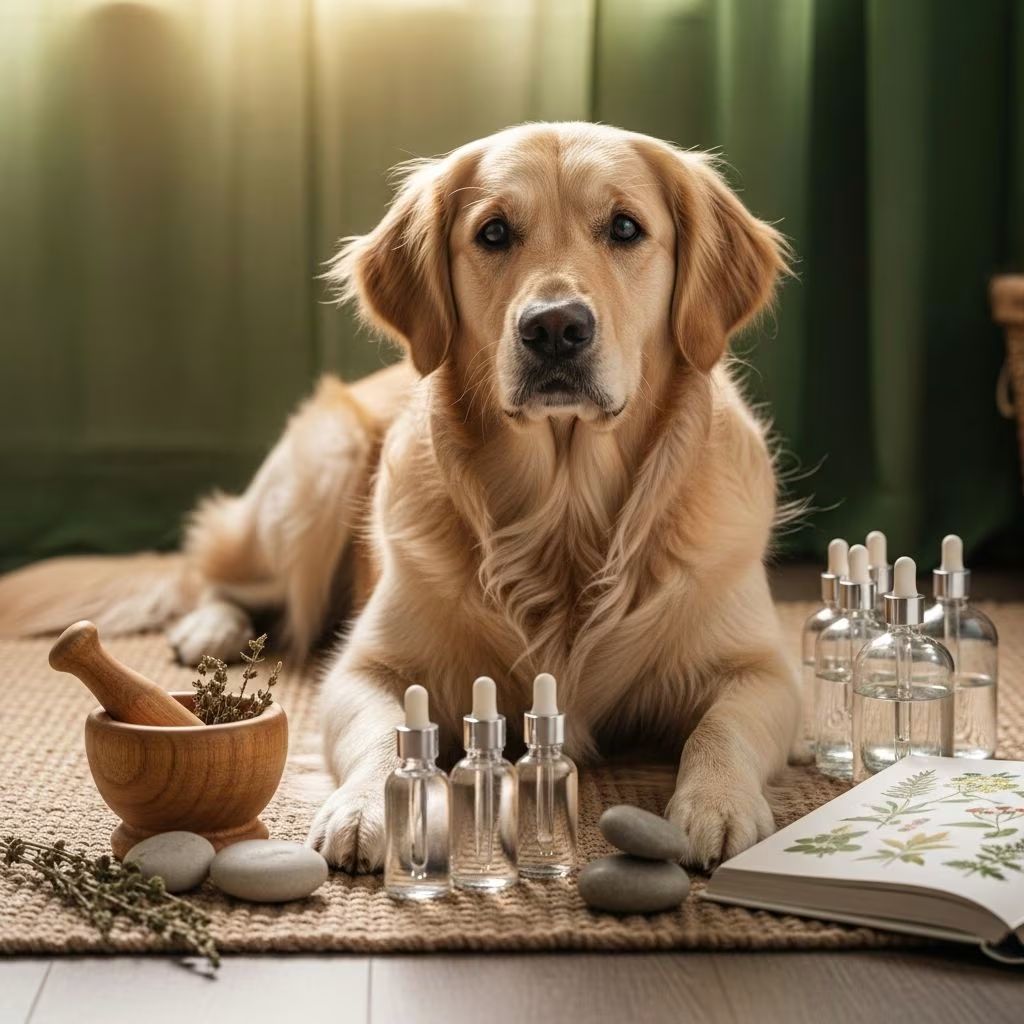
Homeopathy offers a gentle, individualized approach to canine health, using highly diluted natural substances to stimulate the body’s own healing mechanisms. This method focuses on treating the whole dog, addressing physical symptoms alongside emotional and behavioral aspects for comprehensive wellness.
Understanding the Foundations of Canine Homeopathy
The core principle of homeopathy, known as “like cures like,” involves selecting remedies that produce similar symptoms in healthy animals to those observed in the sick dog. These substances are then diluted extensively, sometimes to the point where no molecules of the original material remain, yet proponents claim the energetic imprint triggers the dog’s vital force to restore balance.
For dogs, this personalized treatment considers unique traits like temperament, symptom specifics, and environmental factors. Unlike conventional drugs that suppress symptoms, homeopathy aims to correct underlying imbalances, potentially leading to lasting improvements in conditions such as allergies or joint pain.
Key Advantages of Homeopathic Treatments for Canines
One major benefit is the minimal risk of side effects, making it suitable for sensitive dogs or those on long-term medications. Remedies are non-toxic and can often complement traditional veterinary care without interference.
- Gentle on the System: Highly diluted formulas reduce adverse reactions, ideal for puppies, seniors, or dogs with medication sensitivities.
- Holistic Improvement: Targets root causes, enhancing overall vitality rather than just masking issues.
- Cost-Effective Long-Term: May decrease reliance on ongoing pharmaceuticals, lowering lifetime healthcare expenses.
- Versatile Application: Effective across life stages, from acute injuries to chronic diseases.
Advocates report faster responses in younger dogs due to stronger vital forces, while older pets may require more patience for gradual progress.
Common Canine Conditions Responsive to Homeopathy
Homeopathy shows promise for a wide array of dog health issues, particularly chronic ones where conventional options fall short.
| Condition | Homeopathic Focus | Potential Outcomes |
|---|---|---|
| Allergies & Skin Issues | Individualized remedies for itching, rashes, or food sensitivities | Reduced flare-ups, healthier coat |
| Arthritis & Joint Problems | Support for mobility, pain relief without NSAIDs | Improved movement, less limping |
| Digestive Disorders | Remedies for diarrhea, vomiting, or IBD | Balanced gut, better nutrient absorption |
| Anxiety & Behavioral Issues | Tailored to stress triggers like separation or noise | Calmer demeanor, better adaptability |
| Respiratory & Immune Challenges | Boosts defenses against infections or allergies | Fewer illnesses, stronger resilience |
Case examples include dogs recovering from vaccine reactions or ACL injuries without surgery, highlighting homeopathy’s role in supporting natural recovery.
Selecting and Administering Remedies Safely
Choosing the right remedy requires assessing the dog’s full symptom picture, often best done with a certified veterinary homeopath. Avoid self-prescribing for complex cases to ensure accuracy.
Dry Dosing Method
- Select 2-3 pellets regardless of dog size; dosage isn’t weight-based.
- Administer away from food (at least 20 minutes) for optimal absorption; place directly in mouth or on gums.
- Store in a cool, dark place away from strong odors or electronics.
Wet Dosing Technique
Preferred for deeper penetration and ease in acute situations:
- Dissolve pellets in clean water (spring or distilled), succuss (vigorous shake) 10 times.
- Give via syringe or dropper; ideal for frequent dosing.
- Prepare multiple doses in advance for convenience.
Monitor for aggravations—temporary symptom worsening signaling the remedy is working— and adjust under professional guidance. Consistency and avoiding suppressants like strong drugs are key to success.
Integrating Homeopathy with Conventional Veterinary Practices
Many vets combine homeopathy with standard care for enhanced results, using it for chronic management while relying on allopathy for emergencies. Informed owners play a crucial role, committing to non-interfering protocols.
- Complementary Use: Homeopathy alongside antibiotics or pain meds when needed, without conflict.
- Vaccination Alternatives: Nosodes as substitutes for routine shots (rabies excepted), per some practitioners.
- Client Education: Understanding the vital force prevents premature switches to ER interventions.
This hybrid model supports lifelong health, from preventing early chronic diseases in pups to palliative care in seniors.
Scientific Perspectives and Evidence on Efficacy
While anecdotal successes abound, rigorous scientific validation remains limited. The AVMA’s 2014 review found insufficient proof of benefits beyond placebo in animal studies. Critics argue dilutions exceed therapeutic thresholds, yet proponents cite clinical observations and historical use.
Organizations like the Royal College of Veterinary Surgeons deem it ineffective, urging evidence-based alternatives. Nonetheless, for pets unresponsive to drugs or facing side effects, it offers a low-risk option worth exploring under vet supervision.
Finding Qualified Homeopathic Care for Your Dog
Seek certified professionals via directories from bodies like the Academy of Veterinary Homeopathy. Initial consultations involve detailed histories, with follow-ups tracking progress.
- Verify credentials and experience with canines.
- Discuss integration with your primary vet.
- Track symptom journals for accurate remedy selection.
Pet owners report transformative results in quality of life, emphasizing patience and holistic commitment.
FAQs on Homeopathy for Dogs
Is homeopathy safe for all dogs?
Yes, due to extreme dilutions, it’s generally safe, but consult a vet for puppies, pregnant dogs, or those with acute crises.
How long until I see results?
Acute issues may improve in days; chronic conditions take weeks to months, varying by age and vitality.
Can I use homeopathy with my dog’s medications?
Often yes, but avoid suppressants like Rimadyl during active treatment to prevent interference.
What if the remedy causes worse symptoms?
This ‘aggravation’ is common initially; reduce dose or contact your homeopath.
Does insurance cover homeopathic vet care?
Some pet plans do; check providers for holistic coverage.
Practical Tips for Starting Homeopathy at Home
Begin with over-the-counter remedies for minor issues like travel anxiety (e.g., specific flower essences), but escalate to pros for persistence. Maintain a symptom diary noting changes post-dose.
Support remedies with diet, exercise, and stress reduction for synergy. Young dogs often respond quickest, preventing entrenched issues.
References
- Combining Homeopathy Care with Traditional Veterinary Medicine in Pensacola — Pensacola Pets. 2023. https://pensacolapets.com/combining-homeopathy-care-with-traditional-veterinary-medicine-in-pensacola/
- A closer look at veterinary homeopathy — American Veterinary Medical Association (AVMA). 2017-05-01. https://www.avma.org/javma-news/2017-05-01/closer-look-veterinary-homeopathy
- Benefits of Homoeopathy for Pets — DPU Homoeopathy. N/A. https://homoeopathy.dpu.edu.in/blogs/benefits-of-homoeopathy-for-pets
- HOMEOPATHY OFFERS A GENTLE APPROACH TO CARE — Doylestown Veterinary Hospital. N/A. https://www.doylestownveterinaryhospital.com/blog/homeopathy-offers-gentle-approach-care/
- Homeopathy For Dogs: The Basics — Dogs Naturally Magazine. N/A. https://www.dogsnaturallymagazine.com/homeopathy-for-dogs/
- Veterinary Homeopathy — VCA Animal Hospitals. N/A. https://vcahospitals.com/know-your-pet/veterinary-homeopathy



