

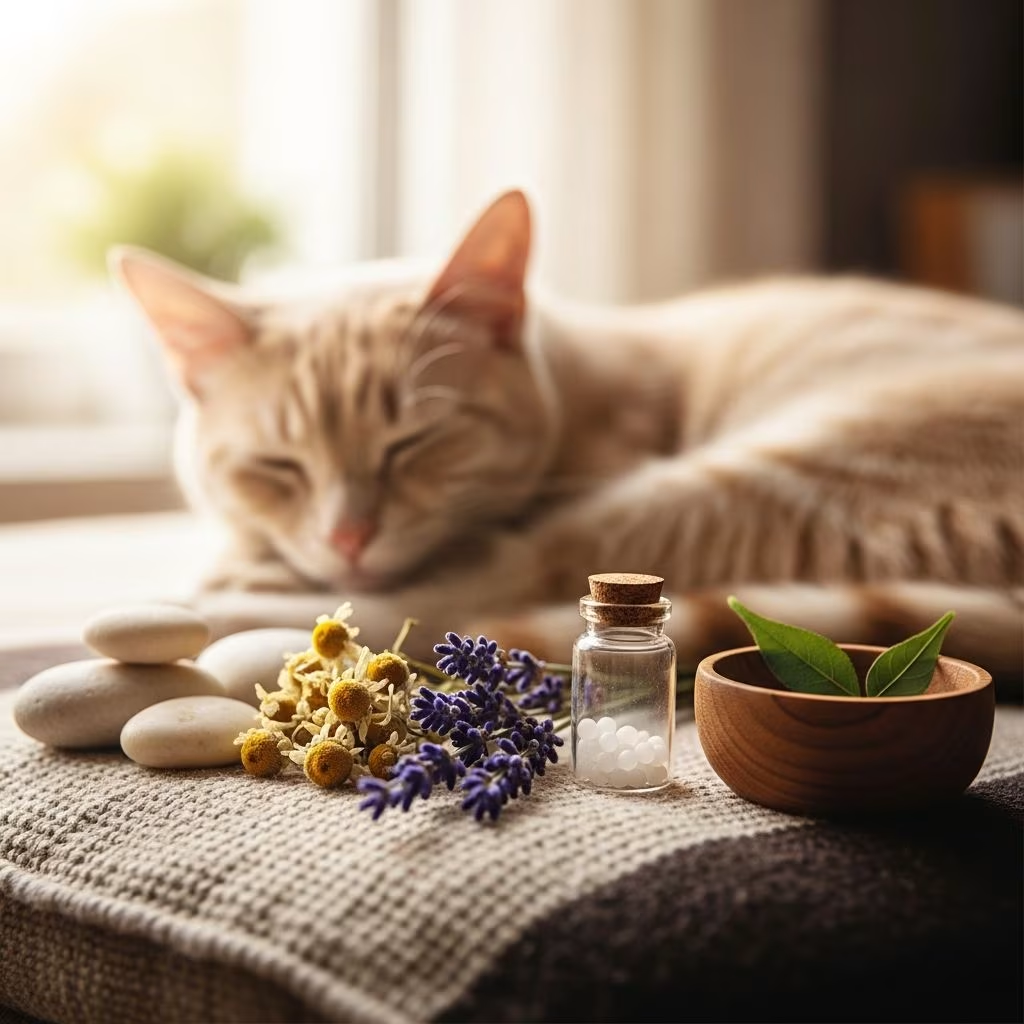
Cat allergies affect millions of people who adore their feline companions but struggle with uncomfortable symptoms like sneezing, itchy eyes, and nasal congestion. Rather than avoiding cats altogether, many individuals are turning to homeopathic medicine and natural remedies to manage their allergic reactions while maintaining their cherished relationships with their pets. This comprehensive guide explores the principles of homeopathic treatment for cat allergies, examines specific remedies that have shown promise, and discusses how to integrate these approaches into a personalized allergy management plan.
Understanding Allergic Reactions to Cats
Feline allergies develop when the immune system overreacts to proteins found in cat urine, saliva, and dead skin cells, commonly known as dander. This oversensitive immune response triggers the release of histamine and other inflammatory compounds, resulting in the characteristic symptoms that plague allergy sufferers. The severity of these reactions can vary widely among individuals, depending on factors such as genetic predisposition, overall immune system health, and exposure levels. Some people experience mild symptoms that are merely inconvenient, while others face debilitating reactions that significantly impact their quality of life and ability to spend time with their pets.
Understanding the root cause of these allergic responses is essential for selecting appropriate treatment strategies. Rather than simply suppressing symptoms, homeopathic medicine aims to address the underlying immune imbalance that makes individuals susceptible to allergic reactions in the first place.
The Fundamentals of Homeopathic Treatment
Homeopathy operates on the principle that the body possesses an innate capacity to heal itself, and sometimes it merely requires support to activate this natural defense mechanism. Unlike conventional antihistamines that temporarily mask allergic symptoms, homeopathic remedies work to strengthen the body’s overall response to allergens and reduce the intensity of reactions over time. This approach considers not only the physical symptoms but also the individual’s constitutional makeup, emotional state, and complete health history.
One significant advantage of homeopathic remedies is their safety profile. These preparations do not negatively impact the immune system and do not cause allergies themselves, making them suitable for long-term use without the side effects commonly associated with pharmaceutical interventions. Homeopathic treatments are particularly valued for their ability to provide lasting results rather than temporary relief, with many individuals experiencing complete resolution of symptoms after completing a course of tailored treatment.
Key Homeopathic Remedies for Cat Allergy Symptoms
Allium Cepa for Sneezing and Nasal Discharge
Allium Cepa, derived from onion, represents one of the most commonly recommended homeopathic remedies for individuals experiencing intense sneezing and profuse nasal discharge triggered by cat exposure. This remedy proves particularly effective when accompanied by acrid nasal secretions that cause burning sensations in the nasal passages. Patients requiring Allium Cepa often report a sensation of lumpiness at the base of the nose and may experience tingling or crawling feelings within the nostrils. In some cases, individuals alternate between periods of nasal congestion and runny nose, creating a frustrating cycle of symptoms.
Euphrasia Officinalis for Ocular Symptoms
When cat allergies primarily manifest as itchy, watery, and red eyes, Euphrasia Officinalis emerges as the remedy of choice. This natural medicine addresses the characteristic gritty sensation that feels like sand in the eyes, accompanied by burning and smarting sensations. The remedy proves especially valuable for individuals whose eyes become significantly inflamed, with eyelids swelling and tearing profusely. Euphrasia Officinalis often works synergistically with other symptoms, as patients frequently experience a runny nose alongside their ocular complaints.
Arsenic Album for Respiratory Involvement
For individuals whose cat allergies escalate to include respiratory symptoms such as wheezing, difficulty breathing, and persistent cough, Arsenic Album offers substantial relief. This remedy becomes particularly relevant when allergic reactions produce expectoration of yellow, green, or frothy secretions. Patients requiring Arsenic Album typically experience chest constriction and oppression, along with nasal burning and itching. Notably, these symptoms tend to worsen when individuals lie down, and excessive fatigue and anxiety frequently accompany the physical manifestations of the allergic response.
Ferrum Phosphoricum for Inflammatory Swelling
When cat allergens trigger noticeable swelling in various facial structures or throughout the respiratory tract, Ferrum Phosphoricum addresses this inflammatory component of the allergic response. This remedy proves effective during the early stages of allergic reactions and complements other remedies that target specific symptom patterns.
Apis Mellifica for Dermatological Manifestations
Some individuals develop urticaria (hives) or other skin reactions when exposed to cats. Apis Mellifica addresses these dermatological symptoms, particularly when wheals appear on the skin accompanied by intense itching, burning, and stinging pains. The remedy also alleviates facial swelling and puffiness, with symptoms often worsening in warm conditions and improving with cold applications.
Sulphur for Chronic Skin Conditions
Chronic itchy rashes and persistent dermatological manifestations of cat allergies respond well to Sulphur, a fundamental homeopathic remedy often used to address deep-seated skin conditions. Sulphur proves especially useful when affected skin appears dry and rough, with potential eruptions that worsen at night and in warm environments. The remedy addresses the characteristic burning and bleeding that occurs after scratching, along with formication sensations.
Complementary Natural Supplements and Ingredients
Beyond traditional homeopathic remedies, several natural supplements and botanical ingredients support immune system function and reduce allergy symptom severity. These substances offer additional tools for individuals seeking comprehensive, natural approaches to managing their cat allergies.
Quercetin for Histamine Regulation
Quercetin, a natural plant flavonoid with potent anti-inflammatory and antihistamine properties, helps prevent excessive histamine release from immune cells. By moderating histamine levels, quercetin reduces common allergic symptoms including sneezing, runny nose, itchy eyes, and nasal congestion. This natural compound works by stabilizing mast cells, which are responsible for releasing histamine during allergic reactions.
Bromelain for Respiratory Support
Bromelain, an enzyme derived from pineapples, offers another natural avenue for allergy management. This proteolytic enzyme helps reduce nasal swelling and improves breathing capacity, proving particularly valuable for individuals whose cat allergies involve respiratory symptoms. Bromelain may be especially beneficial when taken between meals to maximize its anti-inflammatory effects.
Butterbur for Symptom Frequency Reduction
Butterbur, a traditional herbal remedy, may help reduce both the frequency and severity of allergic episodes. This botanical preparation offers another natural option for individuals seeking to decrease their overall allergic burden when exposed to cats or cat-containing environments.
Personalized Treatment Approaches
A crucial aspect of homeopathic medicine involves individualization of treatment. Rather than applying a one-size-fits-all remedy protocol, skilled homeopathic practitioners tailor their prescriptions to each patient’s unique constitutional type, temperament, and complete health history. This personalized approach explains why the same remedy combination sometimes successfully treats multiple family members, as individuals with similar mental-emotional characteristics and constitutional makeups may respond identically to identical remedies.
The healing timeline varies among individuals. While some people experience rapid improvement in symptoms, others may require several weeks of consistent treatment before noticing significant changes. Case studies demonstrate that comprehensive homeopathic treatment can lead to complete resolution of cat allergies, with individuals progressing from severe reactions to the ability to enjoy close physical contact with their feline companions without any allergic manifestations.
Integrating Homeopathy with Lifestyle Modifications
While homeopathic remedies address the internal imbalance contributing to allergic susceptibility, environmental strategies work synergistically to reduce allergen exposure. Creating a comprehensive allergy management plan involves combining homeopathic treatment with practical household modifications that minimize allergen concentration. Maintaining high-efficiency air filtration systems, regular cleaning schedules, and designated cat-free zones can dramatically reduce symptom severity while homeopathic remedies work to strengthen the immune system[10].
Bathing cats regularly, using allergen-reducing sprays, and maintaining rigorous personal hygiene practices after cat contact all contribute to reducing the allergen load. When these environmental strategies combine with targeted homeopathic treatment, individuals often experience substantially greater improvement than either approach alone could provide.
Safety and Efficacy Considerations
Homeopathic remedies demonstrate a remarkable safety profile compared to conventional pharmaceutical options. These highly diluted preparations present minimal risk of adverse effects or drug interactions, making them appropriate for long-term use. Furthermore, homeopathic medicines do not cause drowsiness, organ damage, or dependency, unlike some conventional allergy medications. This safety advantage proves particularly important for individuals managing chronic allergies that require sustained treatment over months or years.
The effectiveness of homeopathic treatment depends significantly on accurate remedy selection, appropriate potency, and consistent use according to a practitioner’s recommendations. Consulting with experienced homeopathic practitioners ensures that individuals receive treatments matched precisely to their symptom patterns and constitutional types, maximizing the likelihood of achieving lasting relief.
Transitioning to Long-Term Wellness
Successful homeopathic treatment for cat allergies often progresses through distinct phases. Initial treatment addresses acute symptoms and provides immediate relief, while subsequent phases focus on strengthening the overall immune response and preventing future reactions. Over time, individuals often discover that their sensitivity to cat allergens decreases significantly, allowing them to tolerate increased exposure without experiencing proportional increases in symptoms.
The ultimate goal of homeopathic treatment extends beyond symptom suppression to achieve genuine healing of the underlying immune dysfunction. This approach contrasts sharply with conventional treatments that manage symptoms without addressing root causes, often leaving individuals dependent on ongoing pharmaceutical interventions.
Conclusion
Homeopathic medicine and natural remedies offer viable pathways for individuals struggling with cat allergies to manage their symptoms while preserving their ability to enjoy relationships with their feline companions. By combining targeted homeopathic remedies like Allium Cepa, Euphrasia Officinalis, and Arsenic Album with complementary natural supplements and environmental modifications, individuals can address allergies comprehensively. The personalized nature of homeopathic treatment, combined with its impressive safety profile and potential for long-term resolution of symptoms, makes this approach increasingly attractive to those seeking natural alternatives to conventional pharmaceutical interventions. With proper guidance from qualified homeopathic practitioners and commitment to integrated treatment strategies, individuals can transform their experience with cats from one of constant discomfort to one of genuine companionship and joy.
References
- Homeopathy For Cats: What You Need To Know — Cats.com. 2024. https://cats.com/homeopathy-for-cats
- Pets Causing Allergies? Homeopathy has an Effective Solution — Dr. Homeo. 2024. https://www.drhomeo.com/homeopathic-treatment/pet-allergies-homeopathy/
- Exploring Homeopathic Treatments for Cat Allergies — Allergy Defender. 2024. https://allergydefender.com/blogs/news/exploring-homeopathic-treatments-for-cat-allergies
- Overcome your cat allergy with homeopathy — Classical Homeopathy. 2024. https://www.classichomeo.org/post/overcome-your-cat-allergy-with-homeopathy
- Pet Allergy Relief with Homeopathy — Dr. Batra’s Homeopathy. 2024. https://www.drbatras.com/pet-allergy-no-need-to-say-goodbye-try-homeopathy
- Allergic to your cat? Easy tips to prevent and control your allergy — Ohio State University Veterinary Medicine. 2024. https://vet.osu.edu/sites/default/files/documents/allergic%20to%20your%20cat.pdf



