

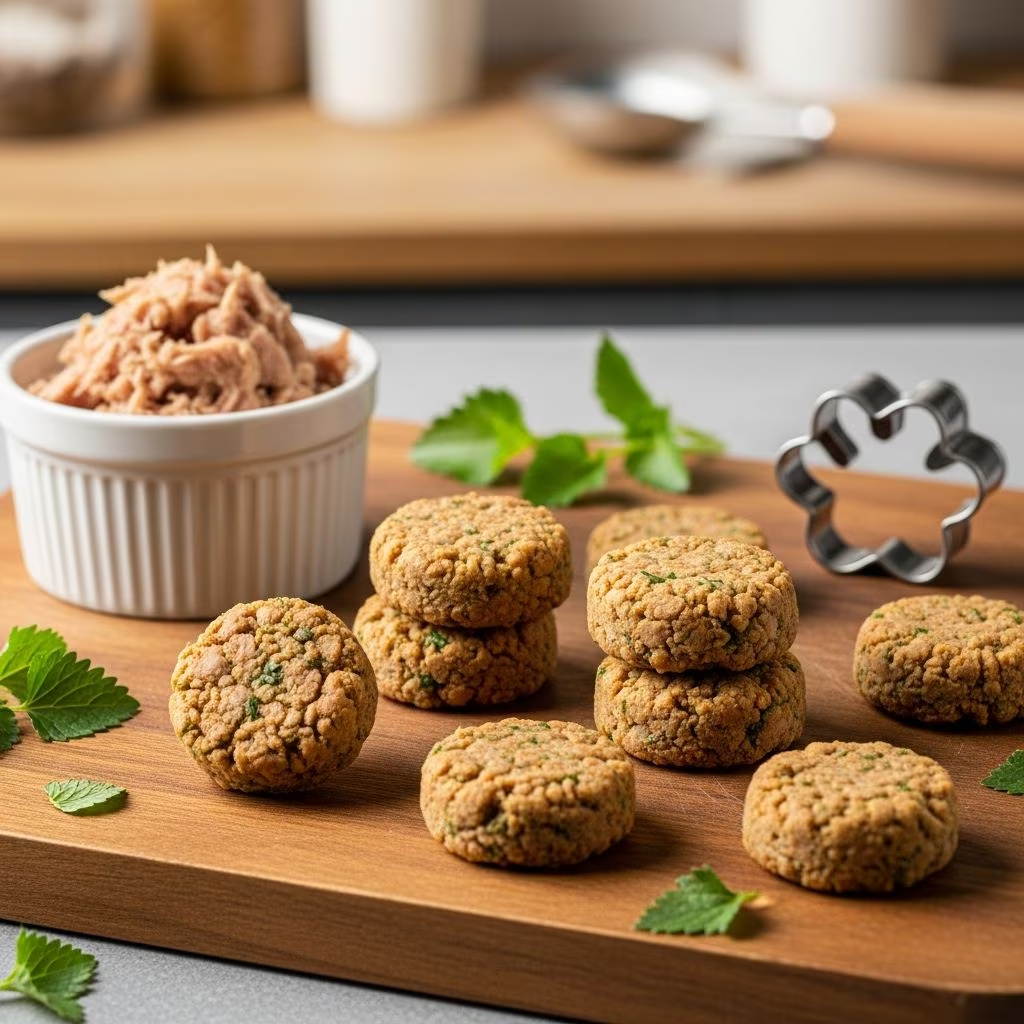
Fast (and Fishy) Tuna Cat Treats
Cat owners are constantly looking for ways to pamper their feline companions with treats that are not only delicious but also nutritious and safe. Homemade cat treats offer a wonderful alternative to store-bought options, allowing you to control exactly what goes into your pet’s snacks. One of the simplest and most effective homemade treat recipes is the tuna-based treat, which combines minimal ingredients with maximum feline appeal. This easy-to-follow recipe takes just 10 minutes of preparation time and requires only four ingredients that you likely already have in your kitchen.
Why Make Homemade Cat Treats?
Creating treats at home provides numerous benefits for both you and your beloved cat. Store-bought treats often contain preservatives, artificial flavors, and mysterious ingredients that may not align with your cat’s nutritional needs. Homemade treats eliminate these concerns, allowing you to provide wholesome, clean nutrition. Additionally, preparing treats at home is considerably more economical than purchasing premium brands from pet stores. The satisfaction of watching your cat enjoy something you’ve personally crafted adds an emotional reward that complements the practical benefits.
Homemade treats also provide excellent opportunities for bonding and reward-based training. Whether you’re working on litter box training, teaching your cat to respond to their name, or simply rewarding good behavior, homemade treats serve as powerful positive reinforcement. The ingredient transparency means you can also accommodate cats with dietary sensitivities or food allergies, customizing recipes to meet specific nutritional requirements.
Understanding the Ingredients
The beauty of this tuna treat recipe lies in its simplicity. Each ingredient serves a specific purpose in creating a treat that’s both appealing and nutritious for your feline friend.
Tuna Fish Packed in Water
The foundation of this recipe is one 5-ounce can of tuna fish packed in water, well-drained. Tuna is an excellent source of lean protein and omega-3 fatty acids, which support your cat’s skin and coat health. The key is using tuna packed in water rather than oil or brine, as oil can add unnecessary calories while brine contains excess sodium. Draining the tuna thoroughly removes excess liquid, creating a proper consistency for the mixture. Cats naturally gravitate toward tuna’s strong, appealing aroma, making it an ideal flavor foundation for treats they’ll eagerly consume.
Whole Egg
One whole egg serves as a binder in this recipe, helping all the ingredients come together into a cohesive mixture. Eggs are complete proteins containing all nine essential amino acids necessary for feline health. They also provide essential nutrients like choline, which supports brain function, and lutein, which promotes eye health. Importantly, only cooked eggs should be included in cat treats, as raw eggs pose salmonella risks. The baking process in this recipe ensures the egg is thoroughly cooked before your cat consumes the treats.
Whole Wheat Flour
Three tablespoons of whole wheat flour provides structure and helps bind the ingredients together. Whole wheat flour is essential for this recipe because cats cannot digest regular white flour as effectively as humans can. Whole wheat varieties contain more fiber and nutrients, making them the appropriate choice for feline nutrition. The flour creates the proper dough consistency, allowing you to form the treats into small, bite-sized pieces. It’s important to note that flour should comprise only a small portion of the mixture to maintain appropriate nutritional balance.
Catnip
One teaspoon of dried catnip adds an aromatic enhancement that most cats find irresistible. Catnip is a completely safe herb that triggers pleasurable responses in approximately 70-80% of cats. It contains nepetalactone, a compound that stimulates receptors in cats’ brains associated with pleasure and playfulness. Adding catnip to treats increases their appeal and makes training sessions more effective. For cats who don’t respond to catnip, you can omit this ingredient or substitute with alternative flavorings, though catnip remains the most universally appreciated option.
Required Supplies and Equipment
This recipe requires minimal equipment, most of which you probably already have in your kitchen. Here’s what you’ll need to prepare these treats successfully:
- Oven: Essential for baking the treats to proper crispness
- Measuring spoons: Necessary for accurate ingredient portions
- Mixing bowl: For combining all ingredients thoroughly
- Mixing spoon: For stirring the mixture until it reaches the correct consistency
- Cookie sheet: For baking the treats evenly
Optional but helpful items include parchment paper for the cookie sheet to prevent sticking and make cleanup easier, and a small measuring cup for the tuna liquid if you want to control moisture content precisely.
Step-by-Step Recipe Instructions
Preparation and Mixing
Begin by preheating your oven to 400 degrees Fahrenheit. This temperature is optimal for creating treats that are crispy on the outside while maintaining their structural integrity. While the oven heats, combine all ingredients in a bowl and mix well until the consistency resembles cookie dough.
The mixing process is straightforward but requires attention to detail. Start by draining your tuna thoroughly, removing as much liquid as possible. Add the drained tuna to your mixing bowl, then crack the egg and beat it slightly before adding to the bowl. Add the whole wheat flour gradually, stirring continuously to incorporate it evenly. Finally, sprinkle in the catnip and mix until all ingredients are uniformly distributed. The resulting mixture should hold together when pinched but remain slightly crumbly rather than wet.
Forming the Treats
Using approximately ¼ teaspoon of mixture for each treat, pinch portions between your fingers and roll them into small balls. This size is ideal for most cats, though you may need to adjust based on your individual pet’s size and chewing ability. Kittens and senior cats may require slightly smaller portions, while larger breeds might handle slightly bigger treats.
A helpful tip: lightly dampen your fingers with water before pinching and rolling the mixture. This prevents the mixture from sticking excessively to your hands, making the process cleaner and faster. Place each formed treat on your cookie sheet, spacing them approximately half an inch apart to allow for even heat circulation during baking.
Baking Process
Once your treats are arranged on the baking sheet, place them in the preheated 400-degree oven and bake for 20 minutes. The treats should transform from a soft, dough-like consistency to firm, slightly golden morsels. At the 10-minute mark, you may consider rotating the baking sheet to ensure even baking, though this step is optional for this particular recipe.
The treats are finished when they feel firm to the touch and have achieved a light golden-brown color. Avoid overbaking, as this can make them excessively hard and potentially uncomfortable for your cat to chew, particularly if your cat has dental sensitivities.
Cooling and Storage
After removing the treats from the oven, allow them to cool completely before offering them to your cat. This cooling period is important for several reasons: it allows the treats to firm up further, ensures they won’t burn your cat’s mouth, and prevents any residual heat from damaging your cat’s digestive system when consumed.
Store your homemade tuna treats in an airtight container in the refrigerator where they will remain fresh for 10-14 days. This storage timeframe balances freshness with convenience, allowing you to make a batch less frequently while ensuring treats don’t spoil. For longer storage, you can freeze these treats in an airtight freezer bag for up to three months, thawing them in the refrigerator as needed.
Recommended Serving Guidelines
Daily Serving Size
The recommended serving size for these treats is 3-5 treats per day. This portion size ensures your cat receives the enjoyment and rewards of homemade treats without exceeding appropriate treat caloric intake. Treats should constitute no more than 10% of your cat’s daily caloric intake, with the remaining 90% coming from complete and balanced commercial cat food or other nutritionally formulated meals.
Important Nutritional Considerations
While these treats are delicious and nutritious, it’s crucial to remember that they are supplements to, not replacements for, your cat’s primary diet. Cats require a diet complete in all essential nutrients, including taurine, which is critical for heart and eye health. Feeding excessive treats can lead to nutritional imbalances and deficiencies over time. Additionally, treats can contribute to weight gain if portion sizes aren’t carefully monitored, potentially leading to obesity-related health issues in cats.
Baking Time and Temperature Reference
| Parameter | Specification |
|---|---|
| Oven Temperature | 400°F (204°C) |
| Baking Time | 20 minutes |
| Prep Time | 10 minutes |
| Total Time | 30 minutes |
| Serving Size | 3-5 treats per day |
| Storage Duration | 10-14 days (refrigerated) |
| Freeze Duration | Up to 3 months |
Vet-Approved Safety Information
This recipe was created by a veterinarian and is intended specifically as a treat or snack for cats. It is crucial to understand that treats should only constitute a small percentage of your cat’s daily food intake. Feeding too many treats can lead to nutrient deficiencies and metabolic imbalances that may cause long-term health problems.
If your pet has any pre-existing health issues, dietary sensitivities, or if you have any concerns whatsoever about introducing these treats to your cat’s diet, it is essential to consult your pet’s veterinarian before offering this food item. Your vet can provide personalized recommendations based on your cat’s individual health status, age, weight, and nutritional requirements.
Frequently Asked Questions
Q: Can I make these treats ahead of time and freeze them?
A: Yes, absolutely! These treats freeze exceptionally well for up to three months in an airtight freezer bag. Simply thaw them in the refrigerator before serving to your cat. Freezing is an excellent way to prepare multiple batches and ensure you always have fresh treats available.
Q: What should I do if my cat doesn’t like catnip?
A: Not all cats respond to catnip—approximately 20-30% have no reaction to it. If your cat falls into this category, simply omit the catnip from the recipe. The tuna flavor is usually appealing enough on its own, though you might experiment with other cat-safe herbs or simply accept that your cat may enjoy these treats without the catnip enhancement.
Q: Can I substitute regular flour for whole wheat flour?
A: It is not recommended to substitute regular white flour for whole wheat flour. Cats cannot digest regular flour as efficiently as whole wheat varieties. Whole wheat flour contains beneficial fiber and nutrients that are more appropriate for feline digestion. Additionally, regular flour may cause digestive upset in some cats.
Q: How do I know if my cat has a tuna allergy?
A: Signs of potential food sensitivities include vomiting, diarrhea, excessive scratching, hair loss, or behavioral changes after consuming treats. If you notice any of these symptoms, discontinue the treats immediately and consult your veterinarian. A vet can perform allergy testing if necessary to identify specific food sensitivities.
Q: Can I use tuna packed in oil instead of water?
A: While technically possible, it’s best to avoid tuna packed in oil. Oil adds unnecessary calories and fat to the treats, potentially contributing to weight gain and digestive issues in cats. Tuna packed in water is the healthier choice and won’t negatively affect the treat quality.
Q: How should I introduce these treats to my cat if they’ve never had homemade treats before?
A: Introduce new treats gradually over several days to allow your cat’s digestive system to adjust. Start with just one treat and observe for any adverse reactions over the next 24 hours. If your cat shows no signs of digestive upset, you can gradually increase the number of treats offered to the recommended 3-5 per day.
Conclusion
Creating homemade tuna cat treats is an excellent way to show your feline companion how much you care while providing wholesome, transparent nutrition. With just four simple ingredients, minimal equipment, and only 10 minutes of preparation time, you can craft treats that your cat will find absolutely irresistible. These treats are perfect for training, bonding, and rewarding good behavior, making them a valuable addition to your cat care routine. Remember to follow the recommended serving guidelines, store treats properly, and consult your veterinarian if you have any concerns about your cat’s diet or health.
References
- Fast (and Fishy) Tuna Cat Treats — Chewy. 2025. https://www.chewy.com/education/cat/food-and-nutrition/homemade-tuna-cat-treats
- Vet-Approved Homemade Cat Treats Your Cat Will Love — PetsCare. 2025. https://www.petscare.com/news/post/vet-approved-homemade-cat-treats
- Homemade Cat Treats Recipes for Healthy Cats — Hill’s Pet Nutrition. 2025. https://www.hillspet.com/cat-care/nutrition-feeding/healthy-homemade-cat-treats



