

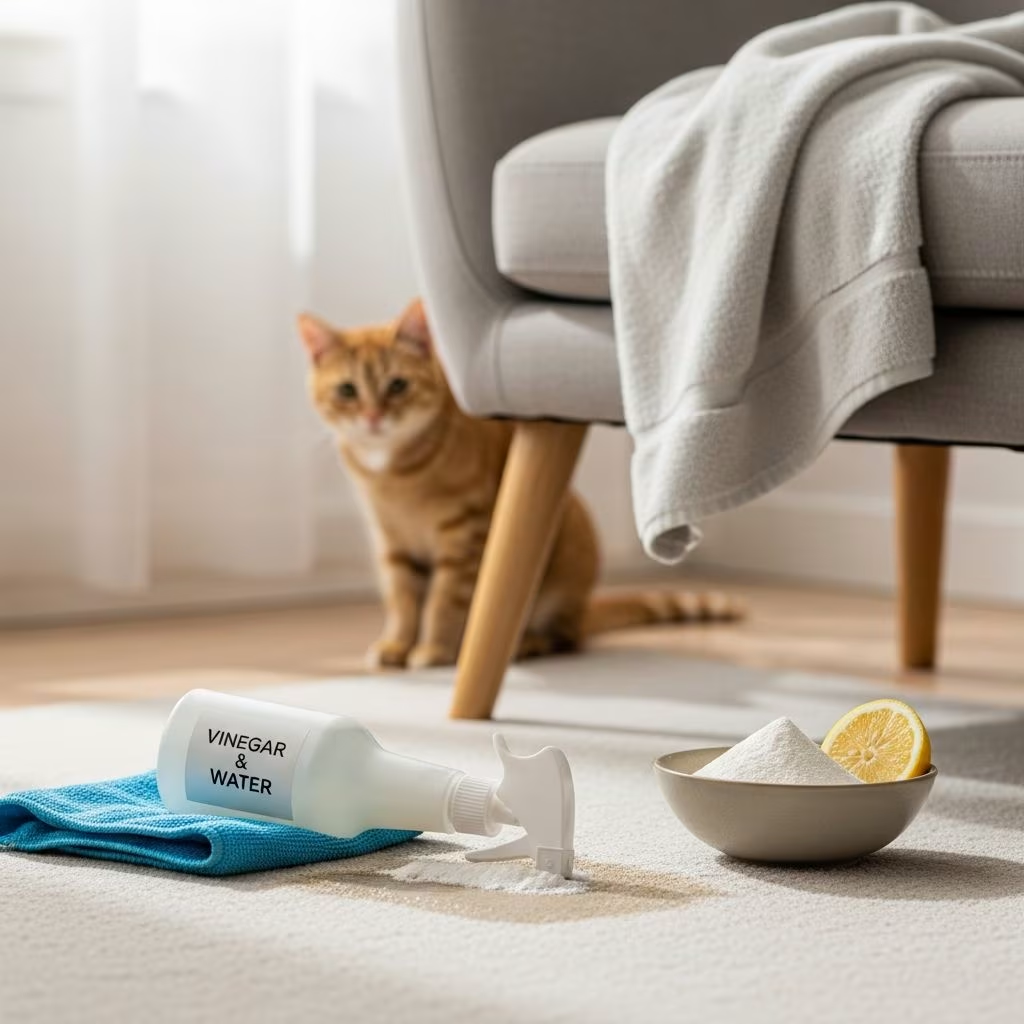
Cat accidents happen, and when they do, the lingering smell can be one of the most persistent problems pet owners face. Unlike regular household spills, cat urine contains compounds that penetrate deep into carpets, padding, and furniture, creating a stubborn odor that standard cleaning methods often fail to address. The challenge intensifies because cats have an extraordinarily keen sense of smell—approximately 14 times stronger than humans—which means if the area isn’t completely cleaned and deodorized, your feline friend may return to the same spot repeatedly.
Understanding why cat urine is so difficult to eliminate is the first step toward solving the problem. Cat urine contains uric acid crystals that bond tightly to carpet fibers and underlying padding. Even after the visible liquid dries, these crystals continue to emit odor, making complete cleanup essential. Fortunately, several homemade solutions can effectively break down these compounds and neutralize the smell without requiring expensive commercial products.
Why Standard Cleaning Methods Fall Short
Many homeowners make the critical mistake of using ammonia-based cleaners when dealing with cat urine accidents. This approach backfires because ammonia is actually a component of cat urine itself. According to veterinary experts, when cats detect ammonia residue, they become more likely to use that area again as a bathroom, essentially reinforcing the problem rather than solving it. This makes ammonia-containing products counterproductive for feline-related accidents.
The other common oversight is failing to treat the full depth of the affected area. When cat urine soaks through carpet fibers, it reaches the padding underneath. Cleaning only the carpet surface leaves the source of the odor intact beneath, meaning the smell returns once the surface dries. This is why thorough, multi-layered treatment approaches work better than quick surface cleanups.
Understanding Enzymatic Cleaning Action
Enzymatic cleaners represent one of the most effective approaches to cat urine removal, whether purchased commercially or created at home. These products work through a fundamentally different mechanism than traditional cleaners. Instead of simply masking odors or disinfecting surfaces, enzymes actively break down the organic compounds responsible for the smell. The enzymes target the uric acid crystals and other organic material in cat urine, essentially destroying the source of the odor rather than covering it up.
The chemical composition of enzymatic cleaners makes them particularly suitable for pet accidents. When applied correctly, they can penetrate the carpet structure and reach the underlying padding where much of the urine has soaked. This makes them suitable for addressing both fresh accidents and older stains that have set in over time.
The Vinegar Solution Method
One of the most accessible and effective homemade solutions involves white vinegar, a staple found in most kitchens. This method works because vinegar is acidic, and it can neutralize the alkaline salts that form in dried cat urine stains. The process is straightforward and requires minimal preparation.
Steps for applying the vinegar solution:
- Combine one cup of distilled white vinegar with one cup of water in a spray bottle
- Before applying to the affected area, test the solution on a small, inconspicuous section of carpet to ensure it won’t discolor the fibers
- Once confirmed safe, spray the solution generously over the stained area
- Allow the vinegar solution to sit for several minutes to neutralize the odor
- Blot the area thoroughly with clean rags or paper towels to remove excess moisture
- Allow the carpet to air dry completely
The vinegar method works particularly well for lighter stains or as a secondary treatment after initial cleanup. For heavier soiling or particularly stubborn odors, you may need to apply the solution multiple times. The natural acidity of vinegar makes it safe for most carpet types, though testing remains important given the variety of carpet materials available.
Baking Soda for Odor Absorption
Baking soda operates through a different mechanism than vinegar, working as an odor absorber rather than a chemical neutralizer. After initial cleanup with other solutions, baking soda can be applied directly to the affected area to capture and neutralize remaining odors.
How to use baking soda effectively:
- After treating the area with another cleaning solution and allowing it to dry somewhat, sprinkle a generous layer of baking soda over the affected region
- The baking soda should sit for several hours or overnight, allowing it to absorb lingering odor molecules
- Once the baking soda has had adequate time to work, vacuum it thoroughly from the carpet
- For stubborn odors, repeat the process multiple times
Baking soda is particularly useful as part of a multi-step approach. It’s safe for virtually all carpet types and poses no discoloration risk, making it an excellent follow-up treatment after using liquid solutions. Many pet owners find that combining vinegar treatment with subsequent baking soda application yields superior results compared to using either method alone.
Hydrogen Peroxide Treatment Approach
Hydrogen peroxide offers another chemical option for addressing cat urine stains, though it requires careful handling due to potential bleaching properties. This solution works by oxidizing and breaking down the compounds in urine while simultaneously disinfecting the area.
Important considerations for hydrogen peroxide:
- Test hydrogen peroxide on a hidden carpet area first, as it can sometimes bleach or discolor fabrics
- Only proceed with full application if the test patch shows the carpet is colorfast
- Spray or pour hydrogen peroxide generously over the stained area, ensuring complete coverage
- Allow the solution to sit for several minutes to work on the stain
- Blot the area thoroughly with paper towels or rags
- Rinse lightly with clean water
- Blot again with dry materials until mostly dry
Hydrogen peroxide works best on lighter-colored carpets where bleaching would be less noticeable, and on fresh stains rather than set-in odors. Its oxidizing action makes it particularly useful for breaking down organic material, though it may require additional enzymatic treatment for complete odor elimination.
Club Soda Technique
Club soda presents an unusual but surprisingly effective option for initial urine stain treatment. The carbonation in club soda helps lift stains from carpet fibers while the minerals it contains may help neutralize some odor compounds.
Club soda application process:
- Scrub the affected area thoroughly with club soda, using a brush or cloth to work the liquid into the carpet fibers
- Allow the area to dry completely
- Once dry, sprinkle baking soda over the treated region
- Let the baking soda sit to absorb any remaining odors
- Vacuum thoroughly to remove the baking soda
This method is often most effective as a first response to fresh accidents, before odor-causing compounds have fully penetrated carpet padding. The combination of physical scrubbing with club soda followed by odor absorption with baking soda creates a two-pronged attack on the problem.
Treating Different Surfaces and Materials
The approach to eliminating cat urine odor varies depending on the surface affected. Carpeting presents the greatest challenge due to the multiple layers that require treatment, but other household surfaces have their own specific considerations.
Hardwood and linoleum floors: These hard surfaces require less aggressive treatment than carpeting. Wipe up the puddle immediately with paper towels or a mop with soapy water, then clean the area thoroughly with warm water. For linoleum, follow with a sponge dampened in white vinegar and allow to air dry. For hardwood, if the smell persists, you may need to sand the affected area, apply bleach to the underlying wood, and refinish the surface.
Upholstered furniture and cushions: Cushions and soft furnishings require soaking rather than surface treatment. Soak the affected area with water first to dilute the urine, then blot up as much as possible. Apply enzymatic cleaner generously to the affected area and let it sit for 15 minutes. Blot again with a clean towel, then allow the cushion to air dry completely while keeping cats away from the area.
Mattresses: Mattress treatment follows a similar process to cushions, requiring thorough soaking with enzymatic cleaner rather than surface application. The thickness of mattress material means enzymes need adequate time to penetrate to where urine has soaked, typically requiring 15 minutes of contact time.
Clothing and washable fabrics: Items that can be machine washed should be rinsed in cool water first, then washed with normal detergent plus one cup of baking soda or ¼ cup of vinegar. If the smell persists after washing, add an enzymatic cleaner to a second wash cycle. Air-dry rather than using the dryer, as heat can set any remaining odor.
Locating Hidden Accident Sites
One significant challenge is identifying exactly where your cat has had an accident, particularly if the spot has dried and is no longer visible. Locating these sites is crucial because cats will return to areas where they can still detect urine odor, even if humans cannot smell it.
Finding dried urine spots: Using a blacklight reveals urine stains due to their chemical composition, which causes them to glow under ultraviolet light. In a darkened room, scan your home systematically with a blacklight to identify all accident sites. Mark these locations so you can treat them thoroughly.
Once you’ve located all affected areas, apply your chosen cleaning solution comprehensively. It’s better to treat an area that might not need treatment than to miss a spot and allow your cat to continue using that location as a bathroom.
Multi-Step Treatment for Stubborn Stains
Older stains or particularly pungent accidents often require a layered approach using multiple solutions rather than relying on a single method.
Recommended progression for difficult cases:
- Apply club soda or water to the area and scrub gently to lift initial staining
- Follow with vinegar solution, allowing it to sit for several minutes before blotting
- Apply enzymatic cleaner according to product directions, allowing extended contact time for set-in stains (12-24 hours under a damp cloth for heavily soiled areas)
- After enzymatic treatment has dried, apply baking soda to absorb remaining odors
- Repeat any steps as necessary until the odor is completely eliminated
The key to success with stubborn stains is allowing adequate drying time between treatments and being patient with the process. Rushing through treatments or applying solutions to still-wet areas can reduce effectiveness. Each treatment should be allowed to dry completely before the next application.
Prevention: The Most Effective Strategy
While treating existing cat urine accidents is important, preventing them from occurring is ultimately more effective. Several factors contribute to inappropriate elimination in cats, including medical issues, litter box problems, stress, and territorial marking. Ensuring your cat has access to clean litter boxes in quiet locations, maintaining good overall health through veterinary care, and addressing behavioral issues will significantly reduce the likelihood of accidents occurring in the first place.
For cats that have already established patterns of inappropriate elimination, thoroughly cleaning all affected areas with enzymatic cleaners is essential. Cats won’t be tempted to reuse areas where the scent has been completely eliminated. This makes thorough initial treatment an important part of preventing future accidents in the same locations.
Common Mistakes to Avoid
Understanding what not to do is as important as knowing proper treatment methods. Avoid ammonia-based cleaners, which can encourage cats to continue using treated areas as bathrooms. Don’t use excessive water, which can push urine deeper into carpet padding rather than extracting it. Avoid heat application or machine drying treated clothing before odors are completely gone, as heat can set the smell. Don’t neglect the underlying padding under carpets, as this is where much of the odor originates.
Frequently Asked Questions
How long does it take for homemade solutions to eliminate odor?
Timeline varies by solution and stain severity. Vinegar and club soda work within hours, while enzymatic cleaners require 15 minutes to 24 hours depending on stain age. Multiple treatments may span several days for stubborn cases.
Can I mix different cleaning solutions together?
Mixing solutions isn’t recommended unless specifically instructed. Different pH levels and chemical compositions may reduce effectiveness or create problematic reactions. Apply treatments sequentially after adequate drying rather than combining them.
Why does the smell return after cleaning?
This typically indicates incomplete treatment of carpet padding beneath the surface fibers. More thorough application, extended soaking time, or enzymatic treatment specifically designed to penetrate padding is needed.
Is vinegar safe for all carpet types?
While generally safe, vinegar’s acidity can affect some specialty carpet dyes. Always test on a hidden area first. This precaution applies to hydrogen peroxide as well, which has bleaching potential.
How can I prevent my cat from reusing the same spot?
Ensure complete odor elimination—cats can detect scents humans cannot. After chemical treatment, enzymatic cleaners provide the most reliable complete removal. Physically block access to the area during drying if possible.
Summary: Building Your Treatment Arsenal
Managing cat urine accidents effectively requires having multiple approaches available. The vinegar solution offers an accessible, safe, and cost-effective first treatment. Baking soda provides excellent odor absorption and can be reapplied multiple times. Club soda works well for fresh accidents through its combination of carbonation and minerals. Hydrogen peroxide addresses organic compounds but requires careful testing on colored carpets. Together, these homemade solutions provide comprehensive tools for addressing cat urine problems without relying on expensive commercial products.
The most successful approach combines these methods strategically, treating different surfaces appropriately and allowing adequate time for solutions to work. With patience, thoroughness, and understanding of how different solutions function, most cat urine stains and odors can be effectively eliminated, restoring your home’s freshness and discouraging your cat from revisiting accident sites.
References
- 3 Simple Ways to Get Rid of Cat Urine Odor — Arm & Hammer. Accessed February 2026. https://www.armandhammer.com/en/articles/ways-get-rid-cat-urine-odor
- How to Remove Dog and Cat Urine Smell from Carpet — BISSELL. Accessed February 2026. https://www.bissell.com/en-us/blog/how-to-remove-dog-and-cat-urine-smell-from-carpet/
- How To Get Rid of Cat Pee Smell — PetMD. Accessed February 2026. https://www.petmd.com/cat/general-health/how-to-get-rid-of-cat-pee-smell
- How to Clean-Up Cat Urine — Indoor Pet Initiative, Ohio State University Veterinary Hospital. Accessed February 2026. https://indoorpet.osu.edu/cats/problem-solving/how-clean-cat-urine



