

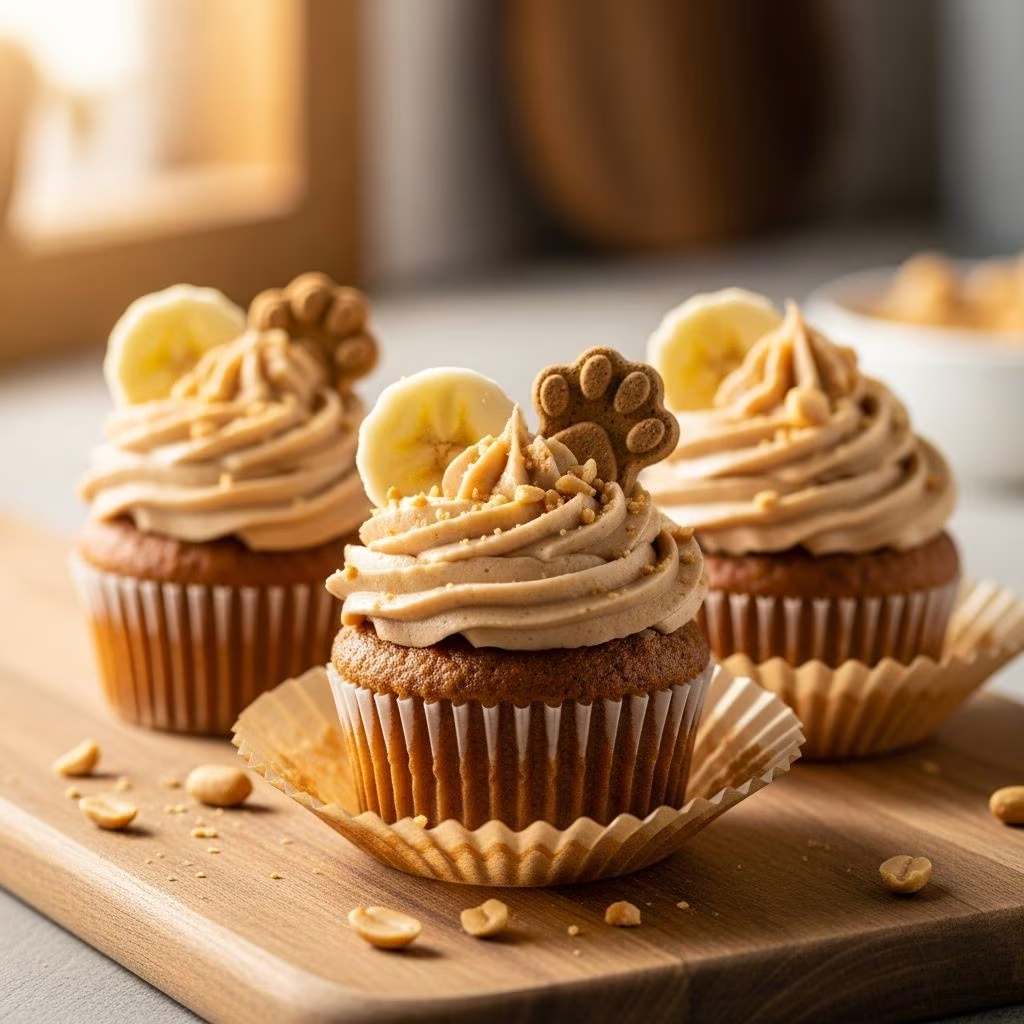
Homemade Peanut Butter Banana Dog Cupcakes: A Special Treat for Your Furry Friend
When it comes to celebrating your dog’s special moments, nothing says love quite like a homemade treat baked with care. Peanut butter banana dog cupcakes are an excellent way to show your furry companion how much they mean to you, whether it’s for their birthday, Mother’s Day, or just because you want to make them smile. These delightful confections combine simple, dog-friendly ingredients into a recipe that’s as fun to prepare as it is for your pup to enjoy.
Unlike store-bought treats laden with preservatives and excessive sugar, homemade dog cupcakes give you complete control over every ingredient that goes into your pet’s mouth. This means you can ensure they’re getting wholesome nutrition while still enjoying a special indulgence. The combination of peanut butter and banana creates a flavor profile that most dogs absolutely love, making these cupcakes a guaranteed hit at any canine celebration.
Why Your Dog Will Love These Cupcakes
There are numerous reasons why peanut butter banana dog cupcakes stand out as a favorite treat among canine companions:
- Irresistible Flavor Combination: Peanut butter and banana are two of the most beloved flavors for dogs. The creamy peanut butter combined with the natural sweetness of banana creates an absolutely delicious treat that dogs find hard to resist.
- Natural Sweetness: Rather than relying on refined sugar or artificial sweeteners, these cupcakes use the natural sweetness of ripe bananas, making them a healthier option for your pet.
- Packed with Nutrition: Bananas provide essential potassium and vitamins, while peanut butter offers protein and healthy fats. When made with wholesome ingredients, these cupcakes contribute positively to your dog’s diet.
- Simple, Recognizable Ingredients: You’ll know exactly what your dog is eating since you prepare it yourself. No mystery additives, fillers, or preservatives to worry about.
- Impressive Presentation: With frosting and decorative elements, these cupcakes look impressive and show your dog that you’ve put extra thought and effort into their treat.
Essential Ingredients for Success
Creating perfect peanut butter banana dog cupcakes requires gathering quality ingredients that are safe for canine consumption. Here’s what you’ll need:
For the Cupcakes
- 3 large eggs (provides binding and structure)
- 3 very ripe bananas, mashed (natural sweetener and flavor)
- 3 tablespoons coconut oil for dogs (healthy fat source)
- 1 1/2 cups whole wheat flour (provides fiber and nutrients)
- 1/2 teaspoon baking soda (leavening agent)
- 1/2 cup creamy peanut butter (protein and flavor)
For the Frosting
- 8 ounces cream cheese, softened (creates creamy frosting base)
- 1/2 cup creamy peanut butter (adds flavor and nutrition)
- 2 tablespoons honey (natural sweetness and binding)
Optional Decorations
- Dog-safe biscuits or treats for topping
- Dog-friendly sprinkles (if desired)
Important Note: Always use xylitol-free peanut butter, as xylitol is toxic to dogs. Additionally, avoid chocolate, raisins, grapes, macadamia nuts, and onions, which are all harmful to canine health.
Step-by-Step Instructions
Preparing Your Workspace
Before you begin baking, preheat your oven to 350°F (175°C). Line a muffin tin with cupcake liners or spray it thoroughly with cooking spray to prevent sticking. Having everything prepared and ready before you start mixing ingredients ensures a smooth baking process.
Making the Cupcake Batter
In a large mixing bowl, combine your mashed bananas, eggs, and peanut butter. Mix these ingredients thoroughly until well combined, ensuring there are no lumps of peanut butter remaining. The mixture should be relatively smooth and uniform in texture. Next, add your coconut oil and stir until fully incorporated. The oil will give the cupcakes a moist, tender crumb.
In a separate bowl, whisk together your whole wheat flour and baking soda. Gently fold the dry ingredients into the wet mixture, stirring until just combined. Be careful not to overmix, as this can result in dense, tough cupcakes. The batter should come together smoothly without too much stirring.
Filling and Baking
Using a cupcake scoop or spoon, evenly distribute the batter among your prepared muffin cups, filling each about three-quarters full. Bake for 18-22 minutes, or until a toothpick inserted into the center of a cupcake comes out clean. The tops should be light golden brown. Allow the cupcakes to cool completely in the pan for at least 10 minutes before carefully removing them. Complete cooling to room temperature is essential before frosting.
Creating the Peanut Butter Frosting
While your cupcakes are baking, prepare the frosting. Using an electric mixer, beat the softened cream cheese until light and fluffy, approximately 2-3 minutes. Add your creamy peanut butter and continue mixing until well combined. Finally, add the honey and mix until the frosting reaches your desired consistency. The frosting should be smooth, spreadable, and easy to pipe if you’re using a pastry bag.
Frosting and Decorating
Once your cupcakes have cooled completely, it’s time to frost them. Transfer your frosting to a piping bag fitted with your preferred tip, or simply spread it on with a spatula for a more rustic look. Pipe or spread the frosting generously onto each cupcake. The beauty of homemade frosting is that it doesn’t need to be perfectly smooth—a little rustic charm is part of the appeal! Finally, top each cupcake with a dog biscuit or other dog-safe decoration.
Storage and Serving Tips
Proper Storage
These homemade dog cupcakes should be stored in an airtight container in the refrigerator for up to 5 days. The cream cheese frosting requires refrigeration to maintain its texture and prevent spoilage. You can also freeze the unfrosted cupcakes for up to 3 months, which is convenient if you want to prepare them in advance.
Serving Suggestions
When serving, consider your dog’s size and dietary needs. Smaller dogs should receive smaller portions or mini cupcakes to avoid overfeeding. These treats should complement your dog’s regular diet, not replace meals or provide excessive calories. As with any new food, introduce the cupcakes gradually to ensure your dog’s digestive system tolerates them well.
Serve cupcakes at room temperature for the best flavor and texture. You can also freeze individual cupcakes for a refreshing frozen treat on warm days—dogs often enjoy the cooling sensation of frozen treats during summer months.
Nutritional Benefits and Considerations
Peanut butter banana dog cupcakes offer several nutritional advantages when made with quality ingredients. Bananas provide potassium, which supports heart health and muscle function in dogs. They also contain vitamin B6 and vitamin C, which contribute to immune system strength. Peanut butter offers protein for muscle development and healthy fats for coat and skin health.
Whole wheat flour provides beneficial fiber, which aids digestion and helps maintain healthy weight. Eggs contribute complete protein and contain choline, which supports brain function and memory. When combined, these ingredients create a treat that’s not just delicious but also nutritionally valuable.
However, moderation is key. While these cupcakes use natural sweeteners and wholesome ingredients, they remain treats and should only comprise a small portion of your dog’s daily caloric intake. Treats should make up no more than 10% of your dog’s total daily calories, with the remaining 90% coming from their regular balanced meals.
Variations and Creative Ideas
Size Variations
This recipe is easily adaptable for different dog sizes. Use regular muffin tins for larger dogs, mini muffin tins for smaller breeds, or even cupcake-shaped silicone molds for fun presentations. Simply adjust baking times accordingly—mini cupcakes typically bake in 8-10 minutes, while full-sized ones take 18-22 minutes.
Flavor Combinations
Feel free to experiment with dog-safe additions. Mashed sweet potato adds extra nutrition and subtle sweetness. A small amount of pure pumpkin puree (not pumpkin pie filling) creates delicious pumpkin banana cupcakes. Some dogs love the addition of a teaspoon of cinnamon for warmth and flavor, though this should be used sparingly.
Frosting Alternatives
If your dog prefers something lighter, you can substitute Greek yogurt mixed with peanut butter for the cream cheese frosting. This creates a tangier flavor profile and is lighter on the stomach for dogs with sensitive digestion. Plain yogurt also works well, though Greek yogurt provides more protein.
Topping Options
Beyond standard dog biscuits, consider topping your cupcakes with dog-safe treats such as freeze-dried apple pieces, small pieces of carrot, or dog-specific training treats. Some owners add a dog-safe candle for birthday celebrations, creating an Instagram-worthy moment before removing it before serving.
Perfect Occasions for Dog Cupcakes
These delightful treats are perfect for numerous special occasions in your dog’s life:
- Birthday Celebrations: Make your dog’s birthday extra special with a personalized cupcake celebration
- Adoption Anniversaries: Celebrate the day your furry friend came home
- Mother’s Day and Father’s Day: Honor pet parents with adorable treats for their companions
- Holiday Festivities: Create themed cupcakes for Christmas, Halloween, or other celebrations
- Training Rewards: Use smaller cupcakes as high-value training rewards during sessions
- Recovery Support: Make post-surgery recovery more pleasant with special treats your pup loves
- Just Because: Sometimes your furry friend deserves a treat simply for being their wonderful selves
Frequently Asked Questions
Q: Can I use crunchy peanut butter instead of creamy?
A: Yes, crunchy peanut butter works well and can add an interesting texture. However, ensure it contains no xylitol or added sugars. Creamy peanut butter is recommended for frosting to achieve a smoother consistency.
Q: Are these cupcakes safe for dogs with grain allergies?
A: The recipe calls for whole wheat flour, which contains gluten. For grain-free options, substitute with coconut flour or oat flour. Note that coconut flour absorbs more liquid, so you may need to adjust the recipe accordingly.
Q: How many cupcakes can my dog eat?
A: This depends on your dog’s size, age, and overall diet. A small dog might enjoy one mini cupcake, while a large dog could have one full-sized cupcake. Always consult with your veterinarian about appropriate portion sizes for your specific dog.
Q: Can I make these cupcakes without eggs?
A: Eggs bind the ingredients together, but you can experiment with egg replacers. Use applesauce or mashed banana as a binder, though this may slightly affect the texture and baking time.
Q: How long will frosted cupcakes last in the refrigerator?
A: Properly stored in an airtight container, frosted cupcakes last up to 5 days in the refrigerator. Unfrosted cupcakes can last up to a week. Always check for signs of spoilage before serving.
Q: Can I use honey alternatives like agave?
A: Honey is the safest sweetening option for dogs among liquid sweeteners. Avoid agave, as it has a higher glycemic index. Maple syrup is acceptable in moderation, though honey remains the preferred choice.
Q: My dog has never had peanut butter. Is it safe to introduce?
A: Peanut butter is generally safe for dogs in moderation. However, introduce new foods gradually in small amounts to ensure your dog doesn’t have an adverse reaction. Monitor for any signs of allergic reactions or digestive upset.
References
- ASPCA Animal Poison Control Center — American Society for the Prevention of Cruelty to Animals. 2024. https://www.aspca.org/pet-care/animal-poison-control
- Pet Nutrition Guidelines — American Animal Hospital Association (AAHA). 2023. https://www.aaha.org/
- Nutritional Requirements for Dogs — Association of American Feed Control Officials (AAFCO). 2024. https://www.aafco.org/
- Homemade Dog Treat Safety — UC Davis School of Veterinary Medicine. 2023. https://www.vetmed.ucdavis.edu/
- Toxic Foods for Dogs — American Veterinary Medical Association. 2024. https://www.avma.org/



