

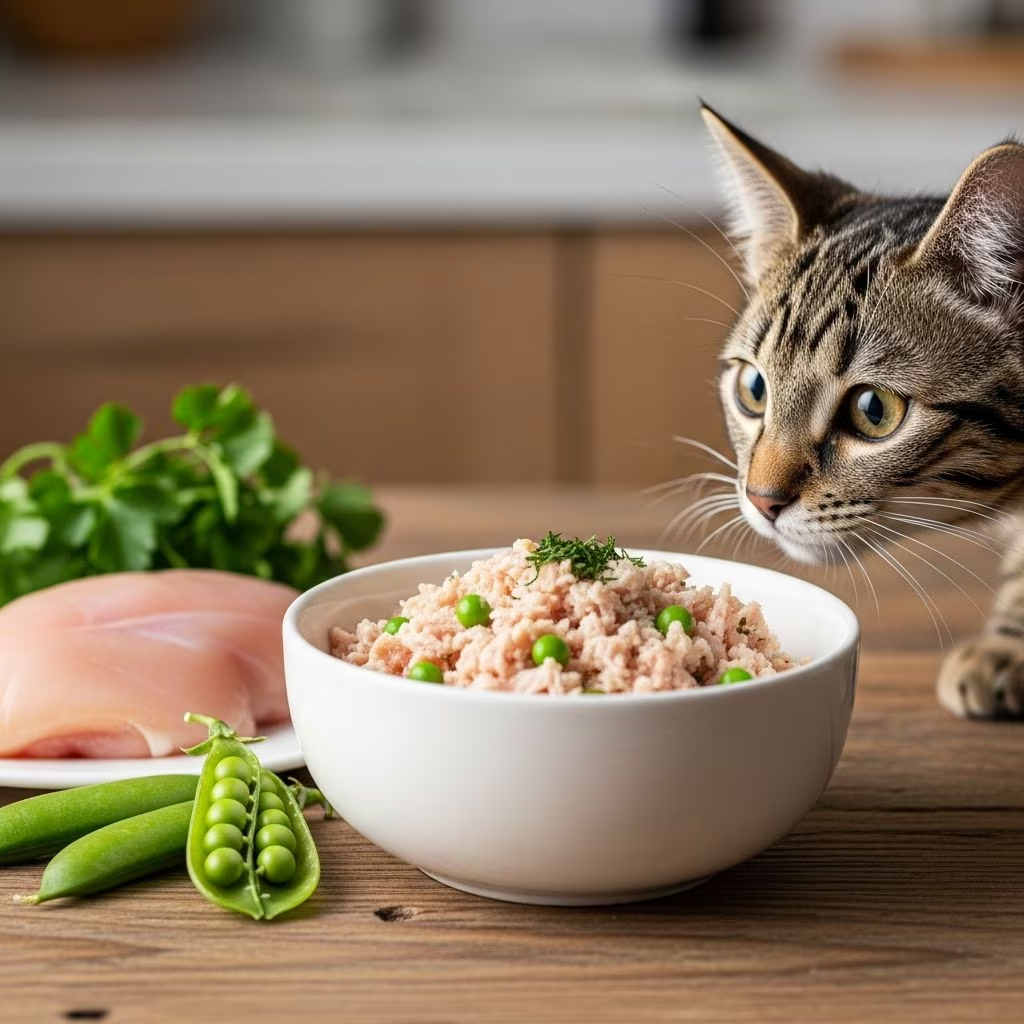
This vet-approved **homemade low-carb chicken cat food recipe** provides a nutritious, grain-free meal tailored for cats needing low-carbohydrate diets, such as those with diabetes or weight issues. Cats are obligate carnivores requiring high-protein, low-carb nutrition, and this recipe uses simple ingredients like chicken, eggs, and supplements to mimic their natural diet while ensuring balance.
Why Make Homemade Low-Carb Cat Food?
Commercial cat foods often contain high levels of carbohydrates from grains or fillers, which can contribute to obesity, diabetes, and urinary issues in cats. A **low-carb homemade recipe** allows control over ingredients, ensuring high-quality protein and minimal carbs. According to feline nutrition guidelines, cats thrive on diets with less than 10% carbohydrates on a dry matter basis. This recipe yields about 4 cups of food, suitable for short-term feeding or as a supplement, but must be balanced with proper supplements for long-term use.
Benefits include improved weight management, better blood sugar control for diabetic cats, enhanced hydration from added moisture, and palatability for picky eaters. Always consult a vet before switching diets, especially for health conditions.
Ingredients for Low-Carb Chicken Cat Food (Makes ~4 Cups)
- 1 lb (450g) boneless, skinless chicken thighs or breasts – High-quality protein source, lean and digestible.
- 2 large eggs – Provide fats, proteins, and nutrients like choline; use raw or lightly cooked.
- 1/2 cup chicken liver – Rich in vitamin A, iron, and taurine; limit to 5-10% of diet to avoid excess.
- 1 tbsp fish oil or salmon oil – Omega-3 fatty acids for skin, coat, and anti-inflammatory benefits.
- 1 tsp eggshell powder or 1/2 tsp calcium carbonate – Essential for calcium-phosphorus balance, as meat alone lacks sufficient calcium.
- 1/4 tsp taurine powder – Critical amino acid for heart and eye health; cats cannot synthesize enough.
- 1 cup water or low-sodium bone broth – For hydration and flavor; avoid onions/garlic.
- Optional: 1 tsp coconut oil – Healthy fat for energy and skin health.
These ingredients draw from balanced raw and cooked recipes, emphasizing 80-90% muscle meat, 10% organs, and supplements. Total carbs are under 5%, ideal for low-carb needs.
Step-by-Step Instructions
- Prepare ingredients: Rinse chicken and liver under cold water. Pat dry. Roughly chop chicken and liver into small pieces for easier blending.
- Cook the meat (optional for safety): In a skillet over medium heat, cook chicken and liver until no pink remains (8-10 minutes). This reduces bacterial risk, especially for immunocompromised cats. Drain excess fat if needed.
- Blend the base: Add cooked chicken, liver, eggs, fish oil, taurine, calcium, and coconut oil to a food processor or blender. Pulse until smooth pâté consistency. If too thick, add water/broth gradually.
- Incorporate liquid: Blend in water or bone broth until fully mixed. Taste-test a tiny bit (safe for humans); adjust for smoothness.
- Portion and store: Divide into daily portions (2-4 oz per 8-10 lb cat, depending on needs). Refrigerate up to 3 days or freeze in ice cube trays/silicone molds for 3 months. Thaw in fridge before serving.
This process takes under 30 minutes. For raw feeding, skip cooking but source human-grade, frozen meat to kill parasites.
Nutritional Breakdown and Balance
A balanced cat diet requires specific ratios: 80-90% moisture-rich meat/organs/bone, with precise vitamins/minerals. This recipe provides ~200-250 kcal per cup, high in protein (50-60% DM), moderate fat (30-40% DM), low carb (<5% DM). Key nutrients:
| Nutrient | Per Cup Serving | Benefit |
|---|---|---|
| Protein | 40-50g | Muscle maintenance, energy |
| Fat | 15-20g | Energy, coat health |
| Taurine | 250mg+ | Heart/eye function |
| Calcium | 1-1.2% | Bone health (balanced with phosphorus) |
| Carbs | <3g | Minimal to prevent spikes |
Supplements are non-negotiable for homemade food; deficiencies can cause dilated cardiomyopathy or blindness. Use vet-formulated premixes like those with taurine, calcium, and organ nutrients. For diabetics, this low-carb profile helps stabilize glucose.
Benefits of Low-Carb Chicken Cat Food
- Weight Loss: High protein promotes satiety; low carbs reduce fat storage.
- Diabetes Management: Minimizes insulin spikes; studies show low-carb diets improve remission rates in feline diabetes.
- Urinary Health: Higher protein/moisture reduces struvite crystals.
- Allergy-Friendly: Avoids common grains/fillers; chicken is rarely a true allergen.
- Cost-Effective: Bulk meat costs less than premium low-carb kibble.
Safety Tips and Common Mistakes
Homemade food risks include nutrient imbalances if supplements are skipped. Never feed raw without pathogen testing. Monitor stool, weight, and energy; get bloodwork every 6 months. Common pitfalls:
- Too much liver (>10%) causes vitamin A toxicity.
- No calcium leads to weak bones.
- Incomplete thawing causes bacterial growth.
For kittens/pregnant cats, increase calories/fats. Transition gradually over 7-10 days to avoid digestive upset.
Variations and Bonus Recipes
Turkey Version: Swap chicken for turkey thighs; add 10% bone for calcium.
Beef Blend: Use 50% beef heart/liver for variety; adjust taurine.
Mini Treats: Form 1 tsp portions into balls, freeze-dry or bake at 200°F for 2 hours. Great for training.
Sardine Boost: Add 4 oz sardines in water for omegas.
Frequently Asked Questions (FAQs)
What if my cat won’t eat homemade food?
Warm slightly to enhance aroma; mix with familiar food initially. Most cats love the meaty texture.
Is this safe for diabetic cats?
Yes, low-carb design suits diabetics; monitor glucose and consult vet.
How much to feed daily?
2-4 oz per 8-10 lb cat, split into meals. Adjust based on activity/weight.
Can I use this long-term?
With proper balancing and vet oversight, yes. Rotate proteins for completeness.
What supplements are essential?
Taurine, calcium, fish oil minimum; consider full premixes.
Final Thoughts
This **low-carb chicken cat food recipe** empowers owners to provide fresh, tailored nutrition. While rewarding, it’s not a substitute for professional advice. Track your cat’s health and enjoy bonding over mealtime!
References
- Easy Homemade Cat Food Recipe With Chicken and Sardines — Holistic Vet Blend. 2023. https://holisticvetblend.com/blogs/news/easy-homemade-cat-food-recipe-nutritious-and-delicious
- Feline Nutrition’s Easy Homemade Cat Food Recipe — Hare Today. 2024. https://hare-today.com/feline-nutrition/nutrition/making-raw-cat-food-for-do-it-yourselfers
- 5 Easy Homemade Cat Food Ideas for Diabetic Cats — Animal Care Clinic. 2021-08-30. https://www.animalcareclinicjc.com/news/2021/8/30/5-easy-homemade-cat-food-ideas-for-diabetic-cat
- Vet Approved Low Carb Chicken Cat Food Recipe — Catster (YouTube). 2024. https://www.youtube.com/watch?v=XefrPd7ik6k



