

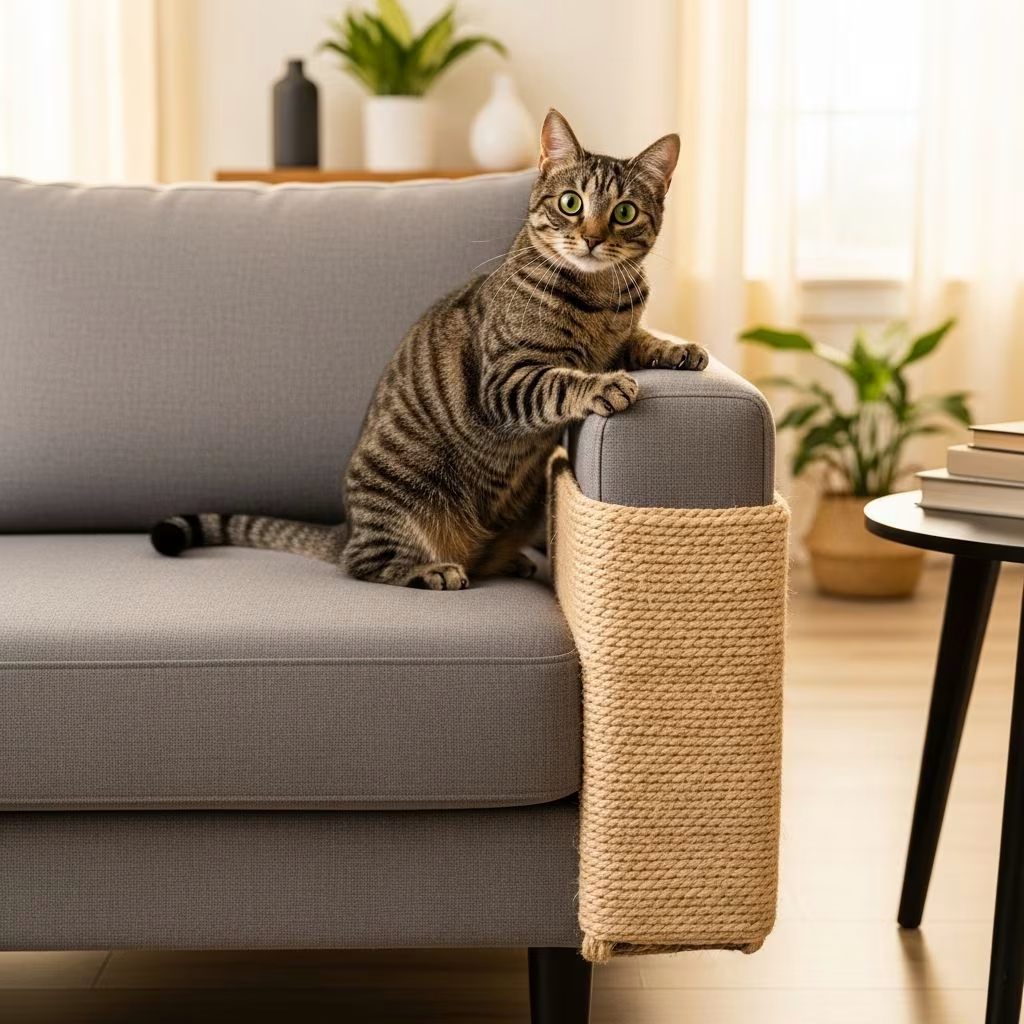
Cat owners understand the frustration of watching their beloved pets systematically destroy household furnishings. The scratching behavior that seems so natural and necessary for cats can quickly transform a pristine sofa into a tattered mess. Rather than accepting this inevitable damage or spending hundreds on commercial solutions, many homeowners are discovering that creating their own protective barriers is both affordable and effective. Building custom furniture protectors allows you to tailor solutions specifically to your home’s layout and your cat’s unique scratching preferences while maintaining control over the aesthetics of your living space.
Understanding Why Cats Target Your Furniture
Before diving into construction projects, it helps to understand the root cause of feline scratching behavior. Cats scratch surfaces for multiple reasons: marking territory, removing dead nail sheaths, stretching muscles, and expressing anxiety or excitement. This is entirely natural behavior that serves important physical and psychological functions for cats. Rather than punishing or discouraging this instinct, savvy pet owners channel it toward designated surfaces while simultaneously protecting their investment in home furnishings.
The key to successful furniture protection lies in understanding your specific cat’s scratching patterns. Some felines prefer vertical surfaces where they can stretch their full body length, while others favor horizontal or angled scratching areas. Observing these patterns will help you determine which DIY solution best matches your cat’s natural preferences and increase the likelihood that your cat will actually use the protective structures you build.
Creating Built-In Scratching Solutions
The Arm-Mounted Scratching Structure
One of the most direct approaches involves constructing a scratching post that attaches directly to your couch arm. This solution targets the exact location where cats tend to focus their destructive energy. The basic concept involves using natural sisal rope—a material that cats find irresistible—wrapped around a wooden frame that mounts securely to your furniture.
Materials required:
- Sisal rope (quality matters for durability)
- Dimensional lumber (1×10 boards work well)
- Wood screws appropriate for the mounting surface
- Sandpaper for surface preparation
- Optional: catnip spray to increase appeal
Tools needed:
- Circular saw or hand saw
- Power drill with bits
- Screwdriver (manual or powered)
- Sanding equipment
The difficulty rating for this project ranges from moderate to challenging, depending on your comfort level with power tools and your couch’s construction. The payoff, however, is substantial: a custom scratching area that diverts destructive behavior directly at the source. The scratching post should be tall enough that your cat can fully extend while using it, ensuring it meets their stretching needs and making it genuinely appealing.
The Corner Protective Structure
Corner sections of couches represent particularly vulnerable areas where cats love to dig their claws. A specialized corner protector combines protective barriers with an integrated scratching surface. This hybrid approach serves dual purposes: it shields the delicate corner upholstery while offering an attractive alternative scratching location.
This project requires slightly different materials than arm-mounted systems. Combining sisal rope with wooden corner frames creates a structure that can either attach to existing furniture or stand independently nearby. The moderate difficulty level makes this accessible to most DIY enthusiasts with basic carpentry experience.
Essential components:
- Sisal rope in adequate quantities
- Lumber cut to appropriate corner dimensions
- Fasteners (screws and mounting hardware)
- Tools for precise cutting and assembly
Fabric-Based Protective Covering Systems
Canvas Double-Layer Couch Wrapping
For those with sewing capabilities, constructing a protective canvas covering offers an elegant solution that can actually enhance your furniture’s appearance. This approach involves creating a fitted or draped fabric layer using heavy-duty canvas combined with felt backing. The dual-layer construction provides superior protection against even the most aggressive scratchers.
This sewing project requires patience and precision, making it better suited for individuals with experience using sewing machines. The investment in time pays dividends through extended furniture lifespan and continued aesthetic appeal.
Material requirements:
- Heavy-duty canvas fabric
- Felt backing material
- Thread matching your chosen fabric colors
- Measuring tools for accurate dimensions
The beauty of this approach lies in customization. You can select fabric colors and patterns that complement your décor, creating a protective solution that looks intentional rather than like a makeshift barrier. Some creators even incorporate decorative stitching or patterns that add visual interest while providing functional protection.
Doormat-Based Protective Panels
A surprisingly innovative approach involves repurposing affordable doormats into furniture protectors. Standard doormats feature textured surfaces that cats find satisfying to scratch, while their durable construction resists claw damage. This economical solution requires minimal sewing skills and opens up creative possibilities for customization.
The advantage of using doormats lies in their availability and variety. You can select from numerous colors and patterns to match your home’s aesthetic, creating protection that doesn’t look like typical pet furniture. The textured surface appeals to cats’ natural scratching instincts while the sturdy backing prevents penetration to your upholstery beneath.
What you’ll need:
- Multiple doormats selected for color and pattern
- Basic sewing supplies (needle and thread)
- Scissors for cutting and fitting
- Adhesive or fasteners to secure panels
Assembly is straightforward: select your doormat pieces, position them over vulnerable furniture areas, and secure them using stitching or adhesive. The process takes considerably less time than fabric covering projects, making it ideal for those seeking quick protection solutions.
Strategic Placement and Implementation
Successfully protecting your furniture requires more than simply installing barriers; strategic placement determines whether your cats will use protective structures or continue targeting your upholstery. Understanding your cat’s specific scratching locations and preferences significantly impacts project success rates.
Stability matters enormously. Any scratching structure that wobbles or shifts will discourage use and fail to protect your furniture. Secure mounting ensures that when your cat applies their full body weight and scratching force, the structure remains immovable and safe.
Consider providing multiple scratching options throughout your home. Cats often prefer certain surfaces in specific locations, and having alternatives reduces the likelihood they’ll resort to your furniture. One scratching solution per cat in your household represents a reasonable baseline, though additional options can improve behavioral outcomes.
Material Selection Considerations
The materials you choose directly influence both the durability of your protective structures and their appeal to your cats. Sisal rope remains the gold standard for scratching surfaces because its texture mimics natural tree bark—something cats instinctively seek out in their environments. The rough weave allows claws to catch and grip effectively, providing the satisfying sensation cats crave.
Hardwood selections should be sanded smooth to prevent splinters while maintaining structural integrity. Softer woods may degrade more quickly under repeated scratching pressure, requiring more frequent replacement or reinforcement.
Fabric choices for protective coverings should prioritize durability. Heavy canvas and thick felt outperform lighter-weight materials. Consider washability when selecting fabrics, as pet-related covers may need occasional cleaning to maintain appearance and hygiene.
Troubleshooting Common Implementation Issues
Cats Refusing to Use New Structures
Sometimes cats ignore your carefully constructed scratching solutions initially. This resistance doesn’t indicate project failure; it often simply means adjustment periods are necessary. Applying catnip spray to new structures can accelerate acceptance. Some cats respond to silvervine or valerian alternatives if standard catnip proves ineffective.
Structural Instability
If your protective barriers shift or wobble during use, cats will avoid them and return to your furniture. Reinforce connections, add diagonal bracing, or secure structures more firmly to your couch. The extra effort in initial construction prevents frustrating failures later.
Incomplete Protection
Sometimes cats target multiple furniture areas, requiring layered protection strategies. Combining arm-mounted scratchers with corner protectors and fabric coverings creates comprehensive defense. Observe your cat’s behavior patterns before constructing solutions to identify all vulnerable areas requiring protection.
Adapting Projects to Your Space
One significant advantage of DIY solutions is their flexibility. Commercial products come in standard sizes that may not fit your specific furniture or layout. Building your own protectors allows customization for odd-shaped couches, sectionals, or unique architectural features in your home.
Measure your furniture carefully before beginning projects. Account for existing dimensions, desired attachment points, and your cat’s size when determining appropriate heights and depths for scratching structures. Undersized protectors won’t adequately serve your cat’s stretching needs, while oversized projects may prove unwieldy and impractical.
Consider your household’s visual preferences when selecting materials and finishes. Protective solutions that coordinate with your existing décor are more likely to remain in place long-term, whereas eyesores often get removed in favor of accepting furniture damage.
Long-Term Maintenance and Replacement
Even well-constructed protective solutions eventually show wear. Sisal rope becomes frayed and less effective after extended use. Fabric coverings may develop permanent creases or stains. Plan for eventual maintenance or replacement rather than expecting permanent solutions. The good news is that replacement components are often simpler to construct than original projects, allowing you to refresh protectors as needed.
Regular inspection of your DIY protectors helps identify wear patterns before failure. Tightening loose screws, rewrapping frayed rope sections, or reinforcing seams extends the lifespan of your creations and maintains their protective effectiveness.
Frequently Asked Questions
How long does it take to build a couch arm scratching post?
Simple projects might take 2-4 hours including cutting, sanding, rope wrapping, and installation. More complex designs with multiple components could require a full day or spread across multiple sessions.
Will cats definitely use structures I build?
Most cats appreciate well-designed scratching options, but individual preferences vary. Proper placement, appealing materials like sisal rope, and catnip encouragement significantly improve adoption rates. Some cats may need adjustment periods before accepting new structures.
Can I apply these solutions to sectional couches?
Yes, most DIY protectors adapt to sectional furniture. You may need to construct multiple sections or larger panels to adequately cover all exposed areas where cats can scratch.
Are fabric coverings safe for cats?
Quality fabric coverings with secure stitching pose no safety concerns. Ensure there are no loose threads or small pieces that cats could ingest. Avoid toxic adhesives or treated fabrics.
What’s the most budget-friendly protection option?
Doormat-based protectors typically offer the best value for money, requiring minimal tools and inexpensive materials while providing decent protection. Sisal rope projects cost slightly more but last considerably longer with proper maintenance.
References
- Cat Behavior and Training — The Domestic Cat: The Biology, Behaviour and Ecology of the Cat. Desmond Morris, 2010. Academic reference on feline behavioral biology and natural scratching instincts.
- Feline Environmental Enrichment Guidelines — International Society of Feline Medicine (ISFM), 2024. https://www.vet.cam.ac.uk/
- Pet Furniture Protection Best Practices — American Veterinary Medical Association (AVMA), 2024. https://www.avma.org/
- DIY Pet Solutions Overview — Pet Industry Association, 2023-2024. General guidance on home-based pet protective solutions.



