

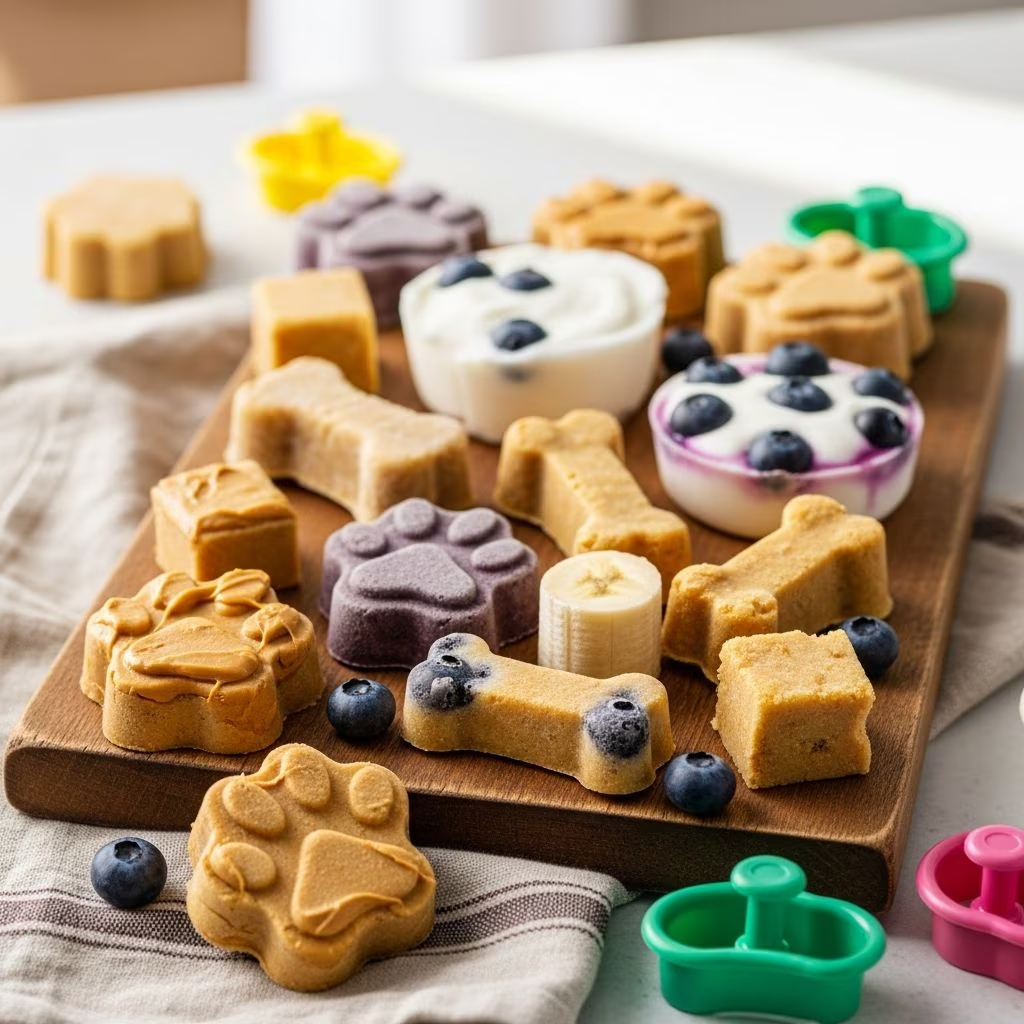
As temperatures rise during warmer months, our canine companions need ways to stay cool and refreshed. One delightful solution is preparing homemade frozen treats tailored specifically for your dog’s palate and nutritional needs. These icy creations offer a fun, rewarding way to supplement your pet’s diet while providing mental stimulation and comfort during hot weather. Unlike commercial alternatives, homemade frozen dog treats allow you to control ingredients, eliminate unnecessary additives, and customize flavors based on your individual dog’s preferences.
The process of making these treats requires minimal culinary expertise, making it an accessible project for any dog owner. By combining dog-safe ingredients with simple freezing techniques, you can create cost-effective alternatives that rival store-bought options while delivering superior nutritional value.
Essential Ingredients and Base Components
Creating successful frozen treats begins with selecting appropriate base ingredients that freeze well and provide nutritional benefits. These foundational components form the backbone of your treat recipes, determining texture, consistency, and overall appeal to your dog.
Primary Base Options
Several ingredients work effectively as primary bases for frozen dog treats, each offering distinct advantages:
- Plain Yogurt: Greek yogurt and regular plain yogurt serve as excellent bases, offering probiotics beneficial for digestive health. Ensure the yogurt contains no artificial sweeteners, particularly xylitol, which is toxic to dogs.
- Bone Broth: This nutrient-dense liquid provides collagen, gelatin, and minerals while delivering savory flavors many dogs enjoy. Use low-sodium varieties without onion or garlic additives.
- Water: Simple water works as a neutral base, particularly useful when combining with flavorful ingredients like pumpkin puree or meat broths.
- Coconut or Oat Milk: These alternatives accommodate dogs with dairy sensitivities while providing creamy texture and mild flavor.
Flavoring Ingredients
After selecting your base, incorporate flavorful components that appeal to canine taste preferences while maintaining nutritional integrity:
- Peanut Butter: Dogs typically love peanut butter’s rich taste. Always verify the product contains no xylitol, as this sweetener causes severe health complications in canines.
- Seasonal Fruits: Watermelon, blueberries, bananas, apples, and peaches add natural sweetness and beneficial vitamins. Remove any seeds and ensure proper portions.
- Vegetables: Pumpkin puree, sweet potato, and cooked carrots provide fiber, beta-carotene, and satisfying texture variations.
- Protein Elements: Incorporate small dog biscuits, freeze-dried meat pieces, or beef bacon bits for added appeal and textural interest.
- Broths: Beef, chicken, or fish broth concentrates deliver savory satisfaction. Use unsalted or low-sodium varieties exclusively.
Equipment and Mold Selection
Successful treat preparation relies on selecting appropriate molds and basic kitchen equipment. Different mold options accommodate various dog sizes and treat preferences:
| Mold Type | Best For | Advantages | Considerations |
|---|---|---|---|
| Ice Cube Trays | Small dogs, training treats | Creates bite-sized portions; easy removal | Limited capacity; treats melt quickly |
| Silicone Molds | Medium-sized treats | Flexible for easy popping; various shapes available | Requires space in freezer |
| Muffin Tins | Larger dogs, family treats | Creates substantial portions; convenient sizing | Longer freezing time required |
| Paper Cups | Novelty stick treats | Easy insertion of pretzel or stick handles | Less visually appealing; requires unwrapping |
Essential equipment includes a blender or food processor for creating smooth mixtures, measuring cups for precise ingredient portions, and a spatula for efficient filling. Freezer-safe storage containers preserve finished treats and maintain quality throughout storage.
Fundamental Preparation Techniques
The basic methodology for creating frozen dog treats remains consistent across most recipes, though variations occur based on specific ingredient combinations:
- Combine selected base ingredient with chosen flavorings in a blender or food processor.
- Blend until mixture reaches desired consistency, typically 60-90 seconds, scraping sides as necessary to ensure complete incorporation.
- If mixture appears too thick for pouring, gradually thin with water while maintaining flavoring integrity.
- Carefully distribute mixture into prepared molds, filling to appropriate levels while allowing slight expansion room during freezing.
- Optional: Insert pretzel sticks, dog biscuits, or decorative elements into mixture before freezing.
- Freeze for minimum four hours or until completely solid, preferably overnight.
- Remove treats from molds and transfer to freezer-safe containers for extended storage.
Successful Recipe Combinations
Tropical Fruit and Yogurt Medley
This refreshing combination appeals to dogs who prefer lighter, fruity profiles. Blend one cup plain Greek yogurt with three-quarters cup blueberries, one-half banana, and one-quarter cup water. The resulting mixture creates a purple-hued treat packed with antioxidants and probiotics. Pour into silicone molds and freeze until solid for approximately two hours. This recipe accommodates dogs requiring dairy alternatives—simply substitute coconut or oat milk for yogurt.
Classic Peanut Butter Sensation
This timeless flavor combination satisfies most canine palates. Combine five ounces plain yogurt, one-half medium banana, and two tablespoons natural peanut butter in a food processor until smooth and creamy. Spoon the mixture into ice cube trays, inserting pretzel sticks into each compartment’s center, ensuring thickness sufficient to hold sticks upright. Alternatively, use this same base mixture (scaling to 32 ounces yogurt, one banana, and two tablespoons peanut butter) to create larger treats using muffin pans or paper cups.
Savory Broth and Protein Fusion
For dogs preferring savory profiles, combine one container concentrated beef broth with two cups water, pouring the mixture into silicone molds until nearly full. Sprinkle bacon bits across the mixture, allowing the liquid to reach mold tops, then freeze overnight. This combination delivers intense flavor satisfaction while accommodating dogs with fruit or dairy sensitivities.
Autumn-Inspired Pumpkin Creation
Seasonal pumpkin offers nutritional benefits alongside comfort appeal. Blend one-half cup pure pumpkin puree (not pie filling) with one-half cup plain Greek yogurt and two tablespoons natural peanut butter, adding one tiny pinch cinnamon[10]. Pour into molds and freeze for at least four hours[10]. For variation, combine pumpkin puree with water and scattered watermelon pieces for unexpected flavor complexity.
Vegetable-Forward Carrot Treatment
Dogs with allergies or those requiring dietary modifications benefit from vegetable-based treats. Blend shredded cooked carrots with plain yogurt until smooth consistency, adjusting ratios based on desired thickness. For dairy-free versions, substitute water, bone broth, or chicken broth. Pour into molds, leaving slight expansion room, and freeze for minimum four hours.
Safety Considerations and Ingredient Restrictions
While most wholesome ingredients provide safe, nutritious options, certain substances pose serious health risks to canines and must be avoided entirely:
- Xylitol: This artificial sweetener, present in some peanut butters and sugar-free products, causes severe hypoglycemia and liver damage in dogs. Always verify ingredient labels explicitly state xylitol absence.
- Chocolate: All chocolate varieties contain theobromine, toxic to dogs in varying concentrations depending on chocolate type.
- Grapes and Raisins: These fruits cause acute kidney injury in susceptible dogs and should be completely avoided.
- Onions and Garlic: Both vegetables damage canine red blood cells, making them dangerous regardless of preparation method.
- Avocado: The compound persin causes gastrointestinal upset and potential toxicity in dogs.
- High-Fat Products: Excessive fat content triggers pancreatitis, particularly problematic for prone breeds.
When incorporating commercial products like broths or baby food, carefully review labels confirming absence of problematic ingredients. Opt for low-sodium varieties and those specifically formulated for pet consumption when available.
Storage and Preservation Methods
Proper storage ensures treats remain fresh, safe, and palatable throughout extended freezer periods. Transfer completed treats from molds into freezer-safe storage containers or zip-lock bags, removing excess air to prevent freezer burn. Clearly label containers with treat type and preparation date, consuming within one to three months for optimal quality.
Most frozen treats maintain palatability when stored at consistent freezer temperatures. However, certain recipes with high-fat content may benefit from slightly shorter storage windows. Thaw treats briefly at room temperature if mixture appears too hard initially; softer consistency improves palatability and prevents temperature shock.
Customization Based on Individual Dog Needs
Every canine possesses unique dietary requirements, allergies, and taste preferences. Successful treat creation involves tailoring recipes to accommodate individual needs:
Senior Dogs: Create softer textures by reducing freezing time slightly, or incorporate bone broth and easily digestible ingredients like pumpkin and soft fruits.
Dogs with Allergies: Substitute suspected allergen ingredients with alternatives—use bone broth instead of yogurt for dairy-sensitive dogs, or incorporate novel proteins like lamb or venison when addressing meat allergies.
Weight-Conscious Dogs: Reduce peanut butter quantities, emphasize water or low-fat yogurt bases, and incorporate high-volume, low-calorie ingredients like watermelon or carrots.
Small Breed Dogs: Utilize ice cube trays for appropriately sized portions, preventing overfeeding and simplifying storage.
Seasonal Treat Variations
Adapting recipes seasonally maintains novelty while capitalizing on fresh ingredient availability. Spring and summer allow incorporation of fresh berries, watermelon, and cooling water-based recipes. Autumn invites pumpkin and sweet potato creations, while winter welcomes warming broths and energizing peanut butter combinations.
Frequently Asked Questions
How long do homemade frozen dog treats last?
When stored properly in freezer-safe containers, most treats maintain quality for one to three months. Broths and water-based recipes remain fresh longer than yogurt-based varieties. Always inspect treats for freezer burn or discoloration before serving.
Can I use flavored yogurts?
Stick exclusively to plain, unsweetened yogurt varieties. Flavored yogurts often contain added sugars, artificial sweeteners including xylitol, and other ingredients inappropriate for canine consumption.
What’s the ideal serving size?
Serve frozen treats as occasional supplements, accounting for approximately ten percent of daily caloric intake. Ice cube-sized treats work well for training or small dogs, while larger portions suit bigger canines. Monitor individual dog responses and adjust portions accordingly.
Are these treats appropriate for all dogs?
Most dogs enjoy frozen treats; however, those with specific health conditions should receive veterinary approval before introduction. Dogs with pancreatitis, severe allergies, or dietary restrictions may require specialized recipe modifications.
How do I prevent treats from sticking to molds?
Silicone molds naturally release frozen contents easily. For other mold types, run warm water over external surfaces briefly before attempting removal, or lightly coat molds with coconut oil before filling.
References
- Easy Homemade Frozen Dog Treat Recipes For Snow Day Fun — Dog Trotting. Accessed 2026-03-30. https://dogtrotting.net/archives/22081
- Blueberry Frozen Dog Treats (Easy and Safe) — Peel with Zeal. Accessed 2026-03-30. https://www.peelwithzeal.com/frozen-dog-treat-recipe/
- Easy Peanut Butter Pupsicle Frozen Dog Treats — Jenel Elizabeth’s Journals. Accessed 2026-03-30. https://jenelizabethsjournals.com/2014/08/26/easy-peanut-butter-pupsicle-frozen-dog-treats/
- Quick and Easy Frozen Dog Treats for Summer, aka Copycat Frosty Paws — Home Is Where The Boat Is. Accessed 2026-03-30. https://homeiswheretheboats.net/2015/07/02/quick-and-easy-frozen-dog-treats-for-summer-aka-copycat-frosty-paws/
- The Easiest Homemade Dog Popsicles (Healthy Frozen Dog Treats!) — Bigger Bolder Baking with Gemma Stafford. Accessed 2026-03-30. https://www.youtube.com/watch?v=0LlwAjDupEw
- Frozen Greek Yogurt & Peanut Butter Dog Treats — Clover Sonoma. Accessed 2026-03-30. https://cloversonoma.com/recipe/greek-yogurt-dog-treats/
- DIY Frozen Dog Treats: Refreshing Snacks for Your Pup — Pet Evolution. Accessed 2026-03-30. https://www.petevolution.com/blog/diy-frozen-treats-refreshing-homemade-snacks-for-your-pup/
- Easy Homemade Frozen Dog Treats — Cotter Crunch. Accessed 2026-03-30. https://www.cottercrunch.com/easy-homemade-frozen-dog-treats/
- 5 DIY Frozen Treats for Dogs with Natural, Healthy Ingredients — The Kind Pet. Accessed 2026-03-30. https://thekindpet.com/blogs/blog/5-diy-frozen-treats-for-dogs
- Pumpkin Peanut Butter Frozen Dog Treats — Anchored Baking. Accessed 2026-03-30. https://anchoredbaking.com/pumpkin-peanut-butter-frozen-dog-treats/



