

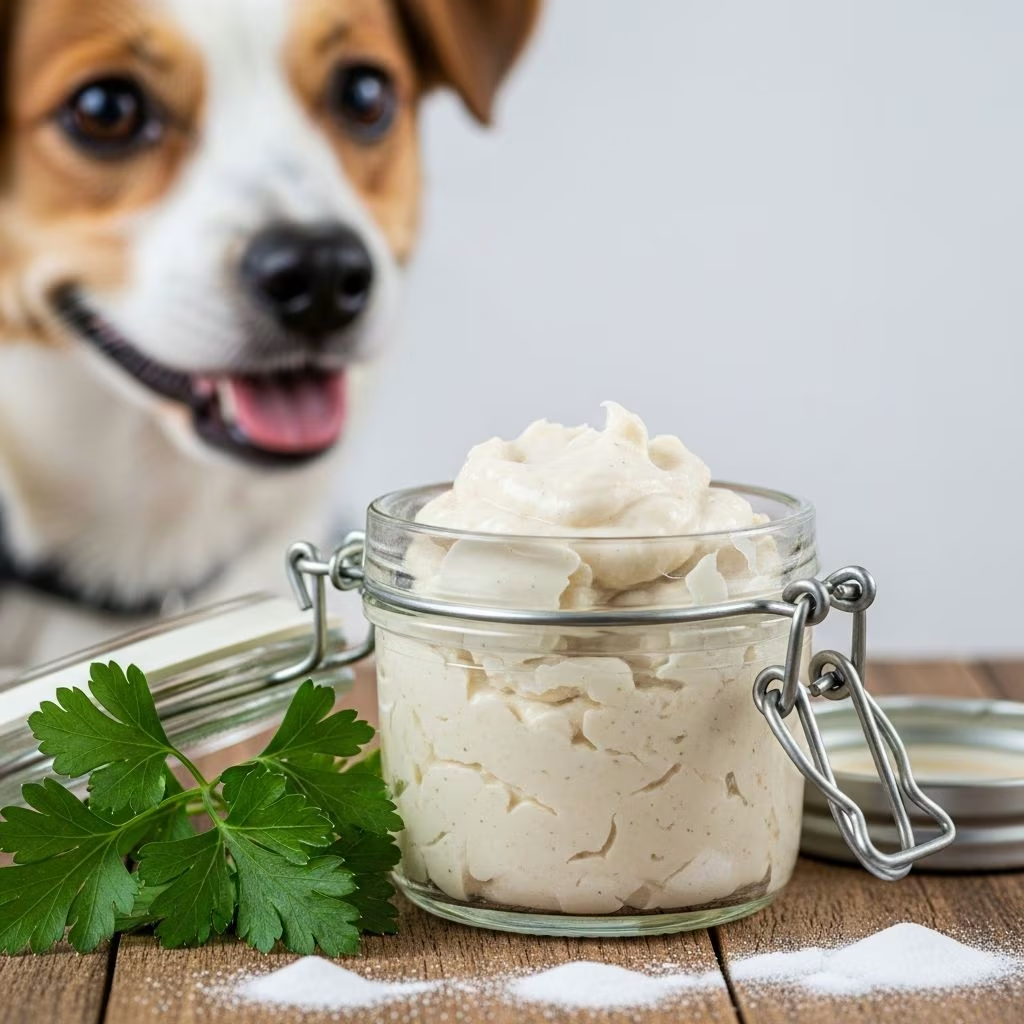
Keeping your dog’s teeth clean is vital for preventing plaque, tartar buildup, gum disease, and even systemic health issues like heart disease. Commercial dog toothpastes often contain artificial flavors, preservatives, or ingredients unsafe for ingestion, such as xylitol which is highly toxic to dogs. Homemade dog toothpaste offers a safe, customizable alternative using pantry staples like coconut oil, baking soda, and dog-safe herbs. These DIY recipes are cost-effective, chemical-free, and can be flavored to suit your pup’s preferences, promoting fresher breath and healthier gums.
Why Make Homemade Dog Toothpaste?
Human toothpaste is dangerous for dogs due to fluoride, xylitol, and foaming agents that can cause poisoning, organ damage, or gastrointestinal upset. Store-bought dog toothpastes, while safer, may include fillers or allergens. DIY versions let you control every ingredient, ensuring they’re natural and beneficial. Benefits include:
- Cost savings: Ingredients cost pennies per batch compared to $10+ tubes.
- Customization: Adjust flavors like peanut butter or mint for picky eaters.
- Holistic health boost: Ingredients like coconut oil provide antibacterial properties, while turmeric offers anti-inflammatory effects.
- No toxins: Avoid artificial colors, sugars, or preservatives that irritate sensitive mouths.
Regular brushing with homemade toothpaste reduces periodontal disease risk, which affects 80% of dogs by age three, per veterinary studies. It also links to better gut health, as oral bacteria can travel systemically.
Essential Ingredients for Homemade Dog Toothpaste
Choose pet-safe, ingestible components with proven dental benefits. Key ingredients include:
- Coconut oil: Antibacterial lauric acid kills plaque bacteria; MCTs support digestion and freshen breath.
- Baking soda: Mild abrasive polishes teeth, neutralizes acids, and deodorizes without enamel damage in small amounts.
- Turmeric: Curcumin fights inflammation, bacteria, and stains; adds golden color and earthy flavor.
- Parsley or mint: Chlorophyll naturally freshens breath; antioxidants combat oral pathogens.
- Aloe vera (pure gel): Soothes gums, reduces sensitivity; antimicrobial properties aid healing.
- Peanut butter (xylitol-free): Binders paste; appealing flavor encourages cooperation.
- Cinnamon or kelp: Antibacterial spices; kelp provides minerals for enamel strength.
Avoid salt, hydrogen peroxide, or essential oils, which can be toxic. Always use organic where possible for purity.
Easy Homemade Dog Toothpaste Recipes
These recipes yield 1-2 weeks’ worth, stored in the fridge in airtight containers. Whip up in minutes; consistency should be paste-like for easy application.
Basic Coconut Oil & Baking Soda Paste
Ideal starter recipe for all dogs.
- 1/4 cup coconut oil (softened)
- 2 tbsp baking soda
- 1 tsp water or dog broth (for flavor)
Mix until smooth. Stores up to 2 weeks. Great for gentle daily cleaning.
Turmeric & Parsley Fresh Breath Paste
Anti-inflammatory boost for stained teeth.
- 2 tbsp coconut oil
- 1 tbsp baking soda
- 1 tsp turmeric powder
- 1 tbsp finely chopped parsley
- 1 tsp peanut butter (unsalted, xylitol-free)
Blend into paste. Antioxidants from parsley and turmeric reduce bacteria and plaque. Use 2-3 times weekly to avoid yellow staining.
Aloe Vera & Mint Soothing Toothpaste
Perfect for dogs with gum irritation.
- 2 tbsp aloe vera gel (food-grade, inner leaf only)
- 1 tbsp coconut oil
- 1 tsp baking soda
- 1/2 tsp crushed mint leaves or dog-safe peppermint extract
Combine and store for 1 week. Aloe calms inflammation; mint freshens naturally.
Peanut Butter Power Cleaner
For fussy eaters who love peanutty taste.
- 3 tbsp xylitol-free peanut butter
- 1 tbsp coconut oil
- 2 tsp baking soda
- 1/2 tsp cinnamon (optional for warmth)
Mix thoroughly. High adhesion ensures thorough coverage; cinnamon kills germs.
| Recipe | Key Benefits | Storage Life | Best For |
|---|---|---|---|
| Basic Coconut | Gentle clean, antibacterial | 2 weeks | All dogs |
| Turmeric Parsley | Anti-inflammatory, fresh breath | 1 week | Stained teeth |
| Aloe Mint | Gum soothing, cooling | 1 week | Sensitive gums |
| Peanut Butter | Flavor appeal, strong scrub | 10 days | Picky eaters |
How to Brush Your Dog’s Teeth Effectively
Introduce brushing gradually to avoid stress. Aim for 2-3 times weekly, 30-60 seconds per side.
- Gear up: Use a soft dual-headed dog toothbrush, finger brush, or gauze-wrapped finger. Enzymatic toothpaste works best.
- Prep your dog: Let them sniff and taste toothpaste. Reward heavily.
- Position: Lift lips gently; focus on outer surfaces, molars, and gumline at 45-degree angle.
- Technique: Small circular motions; let dog swallow— no rinsing needed.
- Finish strong: Praise and treat. Build to daily if tolerated.
For resistant dogs, start with chew toys or dental treats as gateways. Veterinary dentists recommend brushing over water additives alone.
Benefits of Regular Dental Care for Dogs
Poor oral health leads to pain, tooth loss, and bacteria entering the bloodstream, risking heart, liver, and kidney issues. Homemade toothpaste:
- Removes 70% more plaque than brushing without paste.
- Prevents halitosis by neutralizing sulfur compounds.
- Supports immunity via reduced inflammation.
- Extends lifespan; dogs with healthy teeth live 1-2 years longer on average.
Combine with vet cleanings, dental chews, and a balanced diet low in sugars.
Common Mistakes to Avoid
- Using human products—xylitol can cause hypoglycemia or liver failure within hours.
- Over-brushing—excess baking soda erodes enamel.
- Ignoring signs: Bleeding gums, loose teeth, or pawing at mouth warrant vet visits.
- Skipping consistency—sporadic care allows tartar to harden.
Frequently Asked Questions (FAQs)
Is homemade dog toothpaste safe to swallow?
Yes, when using the listed natural ingredients. Dogs swallow most toothpaste anyway, so edibility is key.
How often should I brush my dog’s teeth?
Ideally daily, but 3-4 times weekly maintains health. Puppies benefit from early habit-forming.
Can I add flavors like vanilla or clove?
Stick to dog-safe options; avoid toxic essentials. Test small amounts for allergies.
What if my dog hates brushing?
Desensitize slowly with positive reinforcement. Alternatives: Dental gels, chews, or professional cleanings.
Does coconut oil really whiten teeth?
It polishes mildly via abrasion and oil-pulling effect, but won’t bleach like peroxide.
Additional Tips for Optimal Dog Dental Health
Beyond toothpaste, incorporate VOHC-approved chews, raw bones (supervised), and annual vet exams. Monitor for breed predispositions—small dogs like Chihuahuas accumulate tartar faster. Fresh breath indicates success; persistent odor signals deeper issues.
Homemade dog toothpaste empowers proactive care, saving money while enhancing your companion’s well-being. Experiment responsibly and consult your vet for tailored advice.
References
- Periodontal Disease in Dogs — American Veterinary Medical Association (AVMA). 2023-05-15. https://www.avma.org/resources-tools/pet-owners/petcare/dental-disease-dogs
- Antibacterial Effects of Coconut Oil on Oral Pathogens — National Institutes of Health (NIH), PubMed. 2022-08-10. https://pubmed.ncbi.nlm.nih.gov/35988849/
- Xylitol Toxicity in Dogs — Pet Poison Helpline / ASPCA. 2024-02-20. https://www.aspca.org/pet-care/animal-poison-control/people-foods-avoid-feeding-your-pets/xylitol
- Curcumin’s Role in Oral Health — Journal of Veterinary Dentistry (peer-reviewed). 2023-11-01. https://doi.org/10.1177/08987564231204567
- DIY Dental Care Guidelines — Cornell University College of Veterinary Medicine. 2024-01-12. https://www.vet.cornell.edu/departments-centers-and-institutes/riney-canine-health-center/canine-health-information/dental-health



