

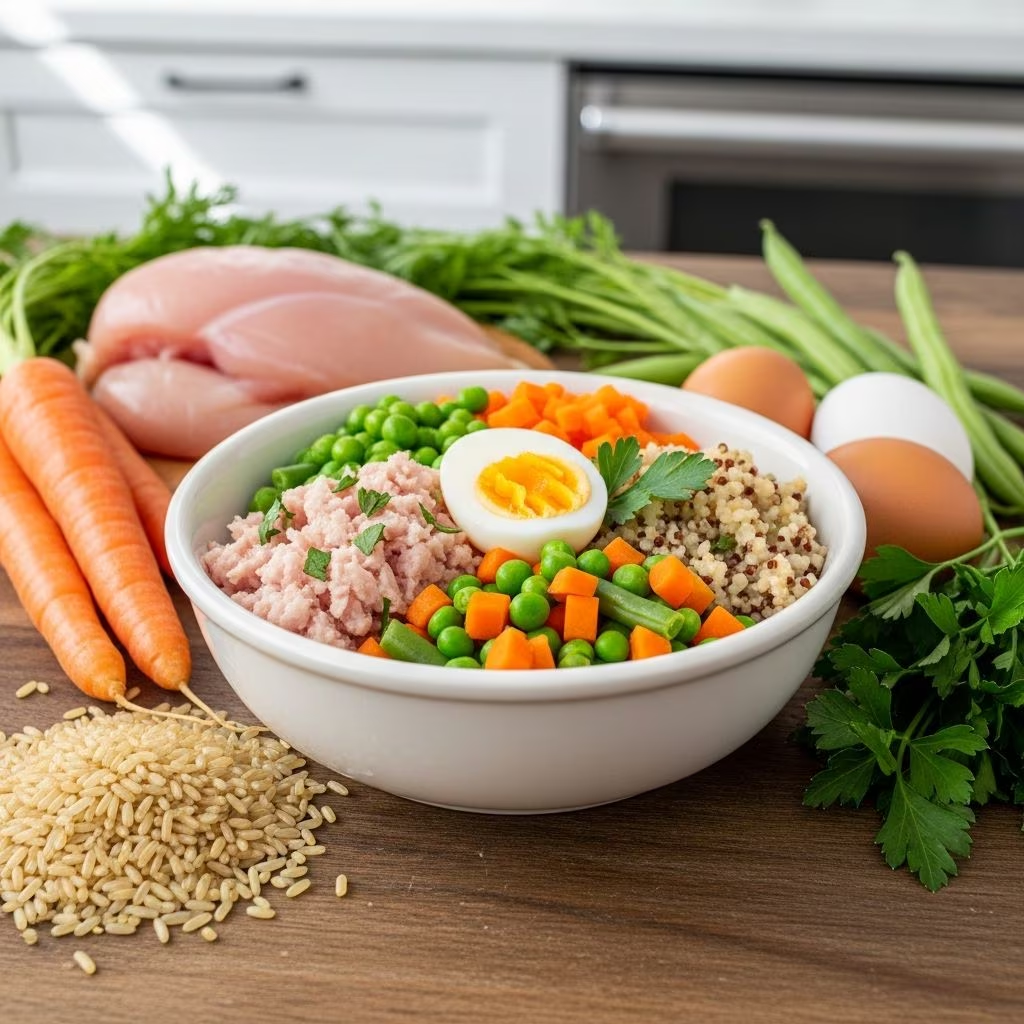
Pet owners increasingly recognize the value of preparing meals for their dogs using whole, recognizable ingredients rather than relying exclusively on commercially processed options. Creating homemade canine nutrition allows you to maintain complete control over what enters your dog’s digestive system while potentially improving overall health outcomes. This comprehensive guide explores the fundamentals of preparing balanced meals that meet your dog’s specific dietary requirements.
Understanding Your Dog’s Nutritional Foundation
Dogs require a carefully balanced combination of macronutrients and micronutrients to thrive. Unlike humans, dogs are carnivorous omnivores requiring roughly twice the protein amount that humans need to satisfy their essential amino acid requirements. This distinction fundamentally shapes how you should structure homemade meal plans.
The core nutritional building blocks for canine health include:
- Protein sources: The cornerstone of your dog’s diet, providing amino acids necessary for muscle development, tissue repair, and immune function. Quality animal-based proteins deliver superior nutritional profiles compared to plant-based alternatives.
- Carbohydrates: Supply energy and support digestive health through fiber content. Complex carbohydrates maintain stable blood sugar levels better than simple alternatives.
- Healthy fats: Essential for skin and coat condition, brain function, and nutrient absorption. Omega-3 and omega-6 fatty acids play critical roles in reducing inflammation and supporting cardiovascular health.
- Vitamins and minerals: Regulate metabolic processes, support bone development, and enable proper immune responses. Calcium deserves particular attention as a non-negotiable component of balanced homemade diets.
Selecting Quality Ingredients for Optimal Nutrition
The foundation of successful homemade dog feeding rests upon ingredient selection. Understanding which foods provide nutritional benefits while remaining safe for canine consumption prevents costly mistakes and potential health complications.
Protein Selection and Preparation
Lean meats form the backbone of nutritionally sound homemade dog food. Excellent protein sources include chicken, turkey, beef, lamb, fish such as salmon and sardines, and eggs. Each protein source offers distinct nutritional advantages:
- Chicken and turkey provide lean protein with minimal fat content, making them ideal for weight management
- Beef supplies iron and B vitamins while offering robust flavor appeal
- Fish delivers omega-3 fatty acids alongside high-quality protein, supporting skin and coat health
- Eggs contribute complete proteins and choline, benefiting cognitive function
Proper preparation ensures safety and digestibility. Always cook proteins thoroughly to eliminate harmful bacteria, drain excess fat from ground meats, and remove all bones from fish before serving.
Carbohydrate and Vegetable Components
Carbohydrates should comprise a meaningful portion of your dog’s diet without dominating the nutritional profile. Digestible carbohydrates include brown rice, quinoa, sweet potatoes, barley, and oats. These options provide steady energy release and valuable fiber for digestive health.
Vegetables add fiber, vitamins, and minerals while increasing meal volume without excessive caloric density. Incorporate a variety including carrots, peas, green beans, spinach, pumpkin, and blueberries. Each vegetable offers unique nutritional contributions—spinach provides iron, carrots support dental health through their abrasive texture, and blueberries offer antioxidant protection.
Essential Fats and Supplements
Healthy fat sources such as fish oil, flaxseed oil, and coconut oil should appear in appropriate quantities rather than being eliminated entirely. These fats support joint mobility, promote cognitive function, and enhance nutrient absorption. Additionally, a calcium source remains non-negotiable, with plain yogurt and vet-approved supplements providing reliable options.
Foundational Recipe Structures for Balanced Meals
Rather than following rigid recipes, understanding proportional guidelines enables customization based on your dog’s preferences and availability of ingredients. One effective approach suggests maintaining a 40% protein, 50% vegetable, and 10% starch ratio. This framework ensures balanced nutrition across meal preparation sessions.
Basic Beginner Formula
Those new to homemade dog feeding benefit from starting with straightforward combinations before advancing to more complex recipes. A foundational starting point combines 1 pound ground chicken (cooked), 1 cup cooked brown rice, ½ cup peas and carrots (steamed), 1 tablespoon fish oil, plus vet-recommended calcium and multivitamin supplements.
This simple structure demonstrates proper proportioning while minimizing preparation complexity. You can double or triple batches for weekly meal preparation, storing portions in refrigerator containers for convenient serving throughout the week.
Enhanced Protein-Forward Option
For dogs requiring additional protein or benefiting from reduced carbohydrate intake, a muscle-building formula incorporates 2 pounds boneless chicken breasts (cooked and diced), 1 large sweet potato (baked and mashed), 1 cup green beans (chopped), 1 tablespoon olive oil, and optional dried parsley. This combination provides sustained energy through complex carbohydrates while emphasizing protein for muscle maintenance.
Nutrient-Dense Beef-Based Recipe
A hearty beef option combines 1 pound lean ground beef (cooked and drained), 1 sweet potato (peeled and diced), ½ cup green peas, ¼ cup carrots (chopped), 2 tablespoons olive oil, and optional parsley. Beef provides superior iron content and broader micronutrient diversity than some alternative proteins, particularly benefiting dogs with active lifestyles.
Specialized Dietary Approaches for Health Conditions
Different health circumstances demand modified nutritional strategies. Customizing recipes according to your dog’s specific health profile optimizes therapeutic benefits and prevents exacerbating existing conditions.
Managing Diabetes Through Nutrition
Diabetic dogs require carefully controlled carbohydrate intake to maintain stable blood glucose levels. These recipes focus on high-fiber, low-glycemic ingredients while avoiding simple carbohydrates. A suitable formula incorporates 1 pound lean chicken breast (cooked and shredded), 1 cup green beans (steamed and chopped), ½ cup broccoli florets (steamed), ¼ cup red bell pepper (diced), 2 tablespoons olive oil, and 1 teaspoon ground flaxseed.
The emphasis on cruciferous vegetables and lean protein stabilizes blood sugar while maintaining satiety. Always work with your veterinarian before implementing dietary changes for diabetic dogs, as modifications may affect insulin requirements.
Supporting Joint Health in Senior Dogs
Aging dogs benefit from recipes prioritizing joint support and maintaining muscle mass with reduced overall caloric density. A senior-appropriate formula includes 1 pound lean ground chicken or turkey (cooked), 1 cup cooked quinoa or brown rice, ½ cup steamed carrots (chopped), ¼ cup blueberries (for antioxidants), 1 tablespoon fish oil, 1 teaspoon turmeric (anti-inflammatory), and ½ teaspoon ground flaxseed.
Turmeric’s curcumin compound offers natural anti-inflammatory properties supporting arthritic joints, while blueberries provide antioxidant protection against age-related cellular decline. Fish oil supplies omega-3 fatty acids crucial for joint fluid production and mobility maintenance.
Addressing Digestive and Skin Sensitivities
Dogs experiencing itchy skin or chronic digestive upset benefit from omega-3-rich formulations. These diets emphasize salmon, sardines, and fish oil supplements alongside flaxseed. The increased omega-3 content reduces inflammatory responses throughout the body, particularly benefiting skin barrier function and reducing scratching behavior.
Nutritional Considerations for Life Stages
Dogs progress through distinct life phases, each presenting unique nutritional demands. Adjusting recipes according to your dog’s age ensures optimal development, maintenance, and longevity.
Puppies Require Strategic Nutritional Planning
Growing puppies demand elevated calcium, phosphorus, and protein levels to support skeletal development and muscle growth. A balanced puppy formula combines 1 pound lean ground turkey (cooked), 1 cup cooked brown rice or oatmeal, ½ cup cottage cheese (for calcium), ¼ cup steamed and finely chopped carrots, ¼ cup steamed and finely chopped spinach, 1 tablespoon fish oil, and 2 teaspoons ground eggshell or veterinary calcium supplement.
The calcium-to-phosphorus ratio critically impacts bone development, making veterinary consultation essential before implementing any puppy diet. Puppies typically require more frequent meals than adult dogs, necessitating portion adjustments based on age and expected adult size.
Practical Implementation Strategies
Understanding nutritional theory differs substantially from executing daily meal preparation. Developing efficient systems ensures consistency while maintaining nutritional integrity throughout your dog’s feeding journey.
Batch Preparation and Storage Methods
Preparing larger quantities during designated cooking sessions streamlines your routine while ensuring nutritional consistency. Most homemade dog food maintains refrigerator viability for approximately four days when properly stored in airtight containers. For extended storage, freezing individual portions in ice cube trays or small containers provides convenient single-serving options lasting several months.
Portion Control and Caloric Adjustment
Homemade food exhibits greater nutritional density with fewer fillers compared to commercial options, meaning most dogs require smaller portions to meet their caloric needs. Establishing appropriate serving sizes depends upon your dog’s weight, activity level, age, and metabolic rate. Monitoring body condition scores guides necessary adjustments—ribs should be palpable without prominent visibility, and dogs should maintain visible waists when viewed from above.
Ingredient Substitution and Flexibility
Homemade feeding accommodates ingredient substitutions based on seasonal availability, cost considerations, and your dog’s preferences. If ground chicken becomes expensive, ground turkey or beef provide comparable nutritional profiles. When carrots run low, broccoli or green beans offer similar fiber and micronutrient contributions. This flexibility transforms homemade feeding from a rigid commitment into a sustainable long-term practice.
Veterinary Guidance and Nutritional Oversight
While homemade feeding offers numerous advantages, professional oversight ensures recipes meet complete nutritional requirements. Veterinarians can recommend species-appropriate multivitamin supplements, assess whether current formulations adequately address your dog’s specific health status, and identify potential nutritional imbalances before they cause problems.
Dogs with kidney disease, heart conditions, or other serious health concerns require therapeutic diets formulated under direct veterinary supervision. Attempting to address these conditions through generic homemade recipes without professional guidance risks serious complications.
Transitioning to Homemade Feeding
Sudden dietary changes frequently trigger gastrointestinal upset. Gradual transitions lasting 7-10 days minimize digestive disturbance. Begin by replacing 25% of commercial food with homemade portions, progressively increasing homemade percentages every 2-3 days until reaching 100%. This measured approach allows your dog’s digestive system to adjust to new ingredients and bacterial profiles.
Frequently Asked Questions
How do I know if my homemade dog food recipe is nutritionally complete?
Working with a veterinary nutritionist ensures recipes meet AAFCO standards. You can also submit recipes to services that analyze nutritional profiles and recommend supplementation adjustments. Regular health monitoring including bloodwork helps identify any emerging nutritional deficiencies.
Can I use the same recipe year-round for my dog?
Yes, consistent recipes simplify preparation and maintain nutritional stability. However, adjusting portions seasonally as activity levels fluctuate and updating recipes every few years as nutritional science evolves represents best practices.
Are there any foods I absolutely must avoid when preparing homemade dog food?
Certain human foods prove toxic to dogs, including chocolate, grapes, raisins, onions, garlic, avocado, and foods containing xylitol. Additionally, bones can splinter and cause intestinal damage. Always research ingredients before incorporation.
How much homemade dog food should I prepare at once?
Most pet owners find weekly preparation manageable, creating 7 days of meals during a single cooking session. Doubling recipes and freezing half extends preparation efficiency, with most frozen portions remaining viable for 3 months.
Should I add supplements to homemade dog food?
Most homemade recipes benefit from calcium supplementation and comprehensive multivitamin additions to ensure nutritional completeness. Your veterinarian can recommend appropriate products and dosing based on your specific recipe composition.
References
- Choosing Balanced Ingredients for Homemade Dog Food — American Kennel Club (AKC). Accessed 2026. https://www.akc.org/expert-advice/nutrition/homemade-dog-food/
- Dog Food Recipes: Complete Guide to Healthy, Homemade Meals — Weasy Pet. Accessed 2026. https://weasypet.com/blogs/news/dog-food-recipes
- Nutritiously Complete Homemade Dog Food Recipes — Just Food for Dogs Blog. Accessed 2026. https://blog.justfoodfordogs.com/nutritionally-complete-homemade-dog-food-recipes.html
- How Much Homemade Food Should I Feed? — Dog Cancer. Accessed 2026. https://www.dogcancer.com/perspectives/diet-and-lifestyle/how-much-homemade-food/
- Nutritious and Delicious: Your Guide to Homemade Dog Food — OVRS. Accessed 2026. https://www.ovrs.com/blog/homemade-dog-food/



