

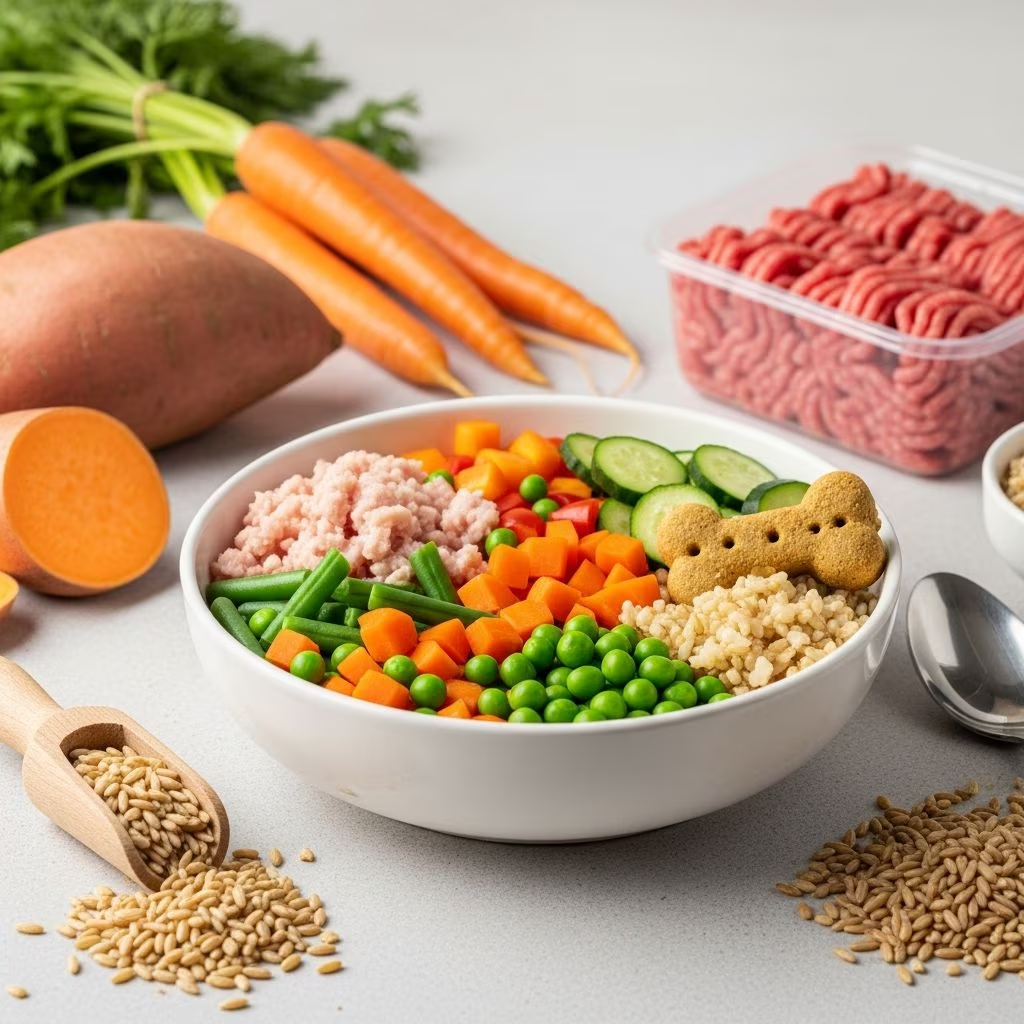
The trend of preparing meals at home for dogs has gained considerable momentum among pet owners who seek greater control over their dog’s nutrition and ingredient quality. Many dog owners are drawn to homemade feeding as a means to avoid commercial additives, provide fresh whole foods, and address specific dietary needs or sensitivities their dogs may experience. However, the transition from commercial dog food to home-prepared meals requires substantial knowledge of canine nutritional science and careful planning to ensure that dogs receive all essential nutrients in appropriate quantities.
Understanding the Complexity of Canine Nutritional Requirements
Dogs have evolved alongside humans for thousands of years, yet their nutritional needs differ significantly from human dietary requirements. Unlike humans who have nutritionists developing standardized dietary guidelines, dogs require a precise balance of fats, vitamins, minerals, carbohydrates, and proteins that must be carefully calculated to maintain optimal health. This complexity is often underestimated by pet owners who assume that combining common household food ingredients will naturally provide complete nutrition.
The body systems of dogs process nutrients through metabolic pathways that have been shaped by their biology and evolutionary history. This means that what appears nutritionally sound to a human preparing a meal may fall dramatically short of a dog’s actual requirements. The challenge becomes even more significant because nutritional needs vary considerably based on a dog’s age, activity level, body weight, and existing health conditions.
A dog transitioning from commercial pet food to a home-prepared diet experiences a fundamental shift in how their digestive system processes nutrients. Natural and fresh ingredients are often easier for dogs to digest than heavily processed commercial options, potentially improving nutrient absorption and reducing gastrointestinal upset. However, this digestive advantage only materializes when the diet is nutritionally complete and properly formulated.
The Critical Nutrient Deficiency Problem in Homemade Diets
Research conducted at the University of California, Davis School of Veterinary Medicine revealed a sobering reality about homemade dog food recipes. When researchers analyzed 200 recipes for home-prepared dog foods—including recipes published in books by veterinarians—they discovered that an overwhelming majority contained significant nutritional deficiencies. Specifically, 95 percent of the 200 recipes examined resulted in food that was lacking in the necessary levels of at least one essential nutrient, and more than 83 percent of the recipes had multiple nutrient deficiencies.
This finding is particularly striking because it demonstrates that even well-intentioned recipes from credible sources frequently fail to meet established canine health standards. The study identified several deficiencies that appear consistently across recipes, including deficiencies in choline, vitamin D, zinc, and vitamin E. These specific deficiencies can result in serious health consequences, ranging from immune dysfunction to the accumulation of fat in the liver and musculoskeletal abnormalities.
The most encouraging finding from this research involves the recipes developed by board-certified veterinary nutritionists. Among the 200 recipes analyzed, only four had been formulated by board-certified specialists in veterinary nutrition. Notably, all four of these professionally developed recipes contained acceptable nutrient profiles for adult dogs. This distinction underscores the importance of consulting with specialists rather than relying on general recipes from books or internet sources.
Specific Nutritional Imbalances in Home-Prepared Meals
Certain nutritional imbalances appear more frequently in homemade dog food diets than others. Understanding these common deficiencies allows dog owners to recognize potential problem areas and work with veterinary professionals to address them specifically.
Mineral and Bone Development Issues
The balance of minerals like calcium and phosphorus deserves particular attention, especially for growing puppies whose skeletal systems are still developing. An improper balance of these minerals can lead to skeletal problems that may cause lifelong mobility and joint issues. The calcium-to-phosphorus ratio is considered delicate and difficult to maintain consistently in homemade diets without professional guidance. Additionally, deficiencies in zinc, magnesium, and iron represent common imbalances in home-prepared diets.
Protein and Amino Acid Complications
While many dog owners prioritize including protein in their homemade recipes, they may inadvertently create an amino acid problem. Dogs require essential amino acids that come from various protein sources. A homemade diet that relies on a single protein source may not provide all the necessary amino acids. This incomplete amino acid profile can compromise muscle development, immune function, and overall metabolic health even when the total protein quantity appears adequate.
Vitamin Deficiencies and Their Consequences
Vitamins present a particular challenge because they are easy to overlook despite their critical importance. The most important and commonly deficient vitamins in homemade diets include vitamins A, D, and components of the B complex. Without adequate vitamin supplementation calculated according to the specific recipe and ingredients used, dogs may develop deficiency diseases that manifest over weeks or months of feeding an inadequate diet.
Safety Concerns Related to Food Preparation and Handling
Beyond nutritional considerations, the actual preparation and storage of homemade dog food introduces several safety challenges that can affect both the dog and human household members.
Bacterial Contamination and Raw Meat Risks
Raw meat, a common component in some homemade dog diets, can harbor harmful pathogens according to warnings from the Centers for Disease Control and Prevention (CDC). The microbes present in raw ingredients pose a threat not just to the dog consuming the food but also to household members, particularly children, the elderly, or immunocompromised individuals.
Bacterial contamination risks specifically include salmonella and E. coli, which can cause serious foodborne illnesses. Cross-contamination can occur during food preparation when handling raw meat and other ingredients, potentially spreading harmful pathogens throughout the kitchen and food preparation areas. Additionally, without proper preservation methods, homemade pet food can spoil quickly, leading to foodborne illnesses even when initially prepared safely.
Toxic Ingredients That May Be Included Accidentally
Some ingredients commonly used in human food are potentially toxic to dogs. These dangerous substances include onions and garlic, grapes, xylitol (a sugar substitute found in some peanut butters), avocado, and certain nuts. Pet owners preparing homemade meals must have comprehensive knowledge of ingredient safety to avoid accidentally including these toxic elements in their dog’s meals.
Physical Hazards Associated with Raw Bones
Raw bones present particular physical risks that are often overlooked. Several cases of fecal impaction and intestinal accidents have been reported, including esophageal and bowel perforation resulting from raw bone feeding. Additionally, feeding bones poses the risk of breaking teeth, which can lead to tooth pain and possible infection. Cooked bones must never be fed to dogs because they are brittle and prone to splintering, which can cause obstructions and perforations of the intestinal tract.
The Concept of “Balance Over Time” and Its Limitations
Some pet owners attempt to address nutritional deficiencies by rotating between different homemade recipes, employing a strategy known as the “balance over time concept.” The theory suggests that feeding different foods in rotation would allow the gaps in one recipe to be filled by another recipe’s strengths. However, research indicates this approach is ineffective. Since so many homemade recipes share the same deficiencies, rotation of recipes is not likely to correct the underlying nutritional problems.
Benefits of Home-Prepared Dog Food When Done Correctly
Despite the substantial challenges, properly formulated homemade dog food offers genuine benefits that explain its appeal to conscientious pet owners.
Customization for Individual Health Needs
A major benefit of cooking homemade dog food is the ability to individualize the diet to provide appropriate calories and nutrients for a dog’s specific age, body weight, and health issues. Owners can select fresh food ingredients to meet the particular needs of their canine companion, whether that involves weight management, dietary allergies, or accommodating dogs with discerning palates.
Improved Digestive Health and Ingredient Control
Commercial pet foods often contain ingredients that can lead to gastrointestinal problems such as vomiting, diarrhea, and gas. Some dogs have allergies or sensitive stomachs that can be avoided when owners prepare meals themselves using known ingredients. Many pet owners report their dogs experience increased levels of energy and improved hair and skin condition after starting on a home-prepared diet.
Psychological and Emotional Benefits
Beyond physical health, the act of preparing meals for one’s dog creates a deeper connection between owner and pet. This intentional care and personalized approach to feeding aligns with the desire many pet owners have to provide the very best nutrition and care for their companions.
The Essential Role of Veterinary Nutritionists
For pet owners committed to preparing homemade dog food, consulting with a board-certified veterinary nutritionist represents the most crucial step in the process. These specialists have advanced training in nutrition specifically designed to help formulate customized and nutritionally appropriate recipes. The difference between recipes created by these professionals and those created by well-meaning but untrained individuals is striking, as evidenced by the University of California study where all four recipes developed by board-certified nutritionists met acceptable nutritional standards for adult dogs.
It is extremely difficult for the average pet owner—or even veterinarians without specialized nutrition training—to develop balanced recipes that are appropriate and safe for long-term use. The calculations required to ensure proper nutrient levels, supplement additions, and ingredient ratios demand specialized knowledge that extends beyond general veterinary practice.
Practical Considerations for Home-Prepared Diets
Beyond nutrition and safety, several practical factors influence whether a homemade feeding approach is sustainable and appropriate for a particular household.
Recipe Complexity and Preparation Requirements
Pet owners should avoid recipes that are overly complicated or time-consuming to prepare, since complex recipes increase the likelihood of taking shortcuts that compromise nutritional accuracy. A simple, straightforward recipe that a pet owner can execute consistently and correctly will produce better long-term nutritional outcomes than an elaborate recipe that gets modified or simplified when time constraints arise.
Monitoring and Adjusting Over Time
Ideas about what constitutes the ideal diet for dogs are constantly evolving as nutritional science advances. Rigid adherence to one recipe over a long time may cause severe nutritional imbalances if that diet is later found to be inadequate based on newer research. Pet owners should plan for periodic consultation with their veterinary nutritionist to reassess whether the current recipe continues to meet their dog’s needs as new information emerges.
Portion Control and Feeding Management
Without proper portion control and monitoring, pets fed homemade diets may be at risk of overfeeding or underfeeding. The caloric density of homemade meals can differ significantly from commercial foods, requiring careful measurement and adjustment based on the dog’s body condition, activity level, and any changes in the dog’s size or metabolism.
Frequently Asked Questions About Homemade Dog Food
Is homemade dog food healthier than commercial dog food?
While many pet owners believe homemade food is inherently healthier, there is no hard scientific evidence that supports the statement that a homemade diet is universally healthier than commercial dog foods. The health outcomes depend entirely on whether the homemade diet is nutritionally complete and balanced. A poorly formulated homemade diet can be less healthy than quality commercial options.
Can I use general recipes from books or the internet?
Research strongly recommends against relying on general recipes from books and the internet. Instead, pet owners should consult with board-certified veterinary nutritionists who can formulate customized recipes appropriate for their dog’s specific needs.
What nutrients are most commonly deficient in homemade dog food?
The most common nutritional imbalances in home-prepared diets involve calcium, phosphorus, zinc, magnesium, iron, choline, vitamin D, vitamin E, and B-complex vitamins.
Is raw meat safe for homemade dog food?
Raw meat can harbor harmful pathogens including salmonella and E. coli, which pose risks to both the dog and household members. Proper handling, storage, and preparation procedures are essential if raw meat is used.
Creating a Sustainable Homemade Feeding Plan
Pet owners who wish to prepare homemade dog food should follow a structured approach. First, they should consult with a board-certified veterinary nutritionist to develop an appropriate recipe rather than relying on published sources. Second, they should focus on recipes that are straightforward and sustainable for their household to execute consistently. Third, they should implement proper food safety practices during preparation and storage. Fourth, they should monitor their dog’s health and body condition regularly and schedule periodic consultations with their veterinary nutritionist to reassess the diet’s appropriateness as their dog ages or health circumstances change.
By following these guidelines and prioritizing professional guidance, pet owners can create homemade dog food that provides genuine health benefits while minimizing the substantial risks associated with nutritionally inadequate or improperly prepared meals.
References
- Homemade Dog Food Benefits & Risks For Your Pup — We Are The Cure. 2024. https://wearethecure.org/homemade-dog-food-benefits-and-risks/
- Homemade dog food recipes can be risky business, study finds — University of California, Davis School of Veterinary Medicine. 2013. https://www.ucdavis.edu/news/homemade-dog-food-recipes-can-be-risky-business-study-finds
- Food for Thought: Pros and Cons of Homemade Pet Diets — Cupertino Veterinary Clinic. 2024. https://cupertinovet.com/food-for-thought-pros-and-cons-of-homemade-pet-diets/
- The Trouble with Homemade Pet Food — Central Kentucky Veterinary Hospital. 2024. https://centralkentuckyvet.com/2024/10/01/the-trouble-with-homemade-pet-food/
- Nutrition – Home Made Diets — VCA Animal Hospitals. https://vcahospitals.com/know-your-pet/nutrition—home-made-diets
- Homemade Diet as a Paramount for Dogs’ Health — PMC (PubMed Central). 2024. https://pmc.ncbi.nlm.nih.gov/articles/PMC11435771/
- Homemade Dog Food: Is It Healthy to Cook for Your Dog? — PetMD. 2024. https://www.petmd.com/dog/nutrition/how-make-sure-your-homemade-dog-food-delivers-right-nutrients



