

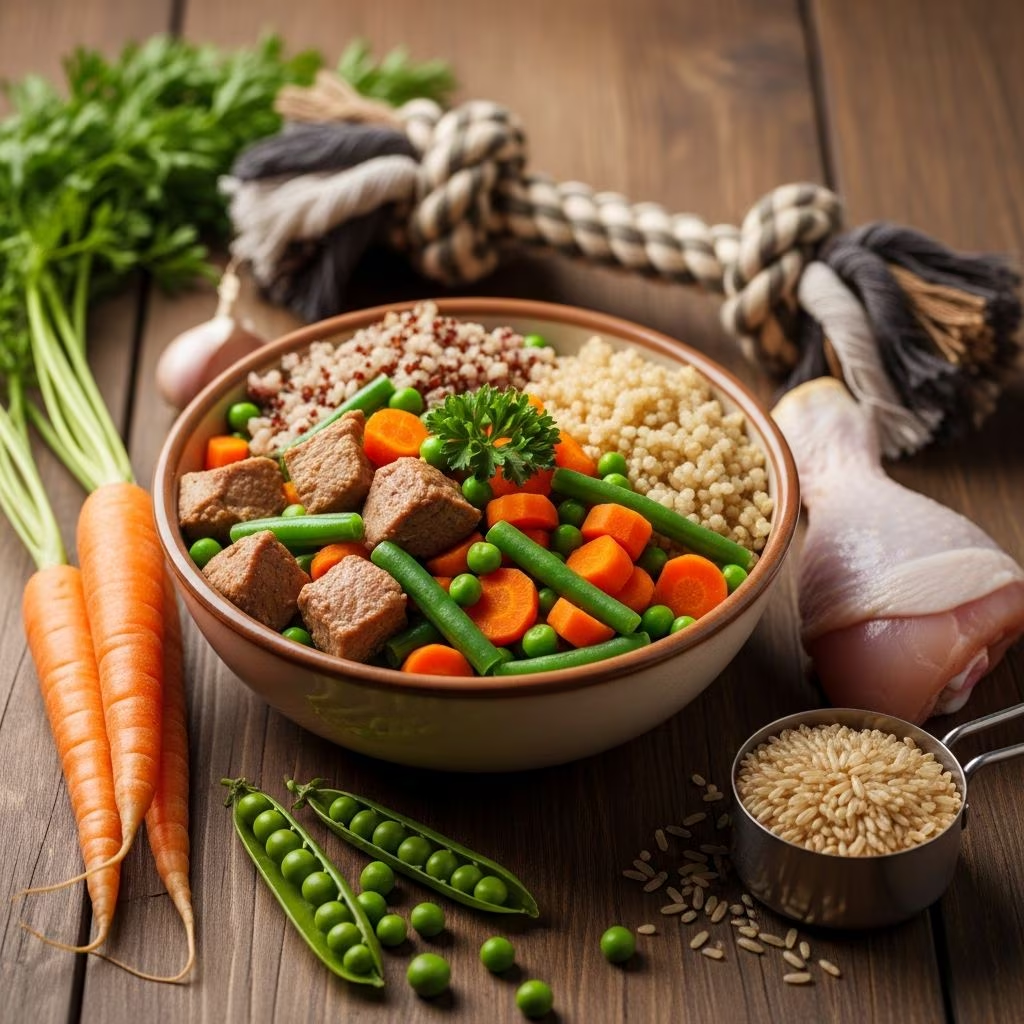
Preparing meals at home for your dog offers a personalized approach to nutrition but requires careful planning to ensure completeness and safety. This guide examines the advantages, potential pitfalls, key nutritional components, practical preparation methods, and professional recommendations for success.
Why Consider Home-Cooked Meals for Dogs?
Many pet owners turn to homemade diets seeking fresher ingredients and customization. Dogs with allergies or sensitivities may benefit from controlled components, avoiding commercial fillers that trigger issues. Fresh produce and proteins can enhance palatability, encouraging picky eaters to consume more consistently.
- Freshness control: Select human-grade meats, vegetables, and grains tailored to your dog’s preferences.
- Allergen avoidance: Eliminate common irritants like grains or artificial additives.
- Portion precision: Adjust calorie intake for weight management or activity levels.
However, these perks depend on scientific formulation; casual recipes often fall short.
Critical Nutritional Needs for Canine Health
Dogs require a precise mix of macronutrients and micronutrients for thriving. Proteins supply amino acids for muscle repair, fats provide energy and coat health, while carbohydrates offer quick fuel. Essential vitamins and minerals prevent deficiencies leading to immune weakness or bone disorders.
| Nutrient Category | Key Examples | Role in Dog Health | Common Deficiency Risks |
|---|---|---|---|
| Proteins | Complete sources like chicken, beef, eggs | Muscle growth, enzyme function | Muscle wasting, poor immunity |
| Fats | Fish oil, animal fats | Energy, skin/coat condition | Dry skin, obesity if excessive |
| Vitamins | A, D, E, B-complex | Vision, bone health, antioxidants | Liver issues, skeletal problems |
| Minerals | Calcium, phosphorus, zinc | Bone structure, metabolism | Rickets, weak bones |
Maintaining a calcium-to-phosphorus ratio of 1:1 to 2:1 is vital, especially for puppies; imbalances up to 1:10 occur in unbalanced recipes, causing rickets or osteomalacia.
Major Risks of Unbalanced Homemade Diets
Studies reveal 95% of online and book recipes lack at least one nutrient, with 83% missing multiple. Even veterinary-authored ones often fail without board-certified input. Deficiencies in choline, vitamin D, zinc, and vitamin E risk liver fat accumulation, immune dysfunction, and musculoskeletal issues.
- Skeletal deformities: Puppies on improper mineral ratios develop bowed legs or fractures.
- Organ strain: Vitamin shortages impair liver and heart function over time.
- Selective eating: Dogs may pick favorites, worsening imbalances despite varied menus.
Rotation doesn’t fix systemic flaws in flawed recipes.
Safety Hazards in Preparation
Beyond nutrition, hygiene poses threats. Raw meats carry Salmonella, E. coli, and Listeria, endangering pets and humans, particularly vulnerable household members.
- Bacterial risks: Cross-contamination from raw to cooked foods during prep.
- Toxicity dangers: Onions, garlic, grapes, xylitol, and avocados are poisonous; recipes must exclude them.
- Spoilage issues: Improper storage leads to quick bacterial growth.
Raw bones risk fractures and insufficient calcium, plus pathogen exposure. High-fat raw diets promote obesity despite shiny coats.
Steps to Create Balanced Recipes Safely
Start with veterinary nutritionist consultation for tailored formulas. Use tools like nutrient calculators validated by experts. Aim for AAFCO standards: 22-32% protein, 10-25% fat for adults.
- Assess needs: Factor age, breed, activity, health conditions.
- Source quality: Fresh, unprocessed ingredients from reputable suppliers.
- Balance precisely: Include supplements for calcium, omega-3s, multivitamins as advised.
- Cook thoroughly: Heat kills pathogens; freeze raw components separately.
- Portion correctly: Calculate daily calories (e.g., 25-30 kcal/lb body weight).
- Monitor regularly: Blood tests check for deficiencies every 6 months.
Example balanced adult meal (per 20lb dog, daily): 8oz turkey, 1 cup brown rice, 1/2 cup carrots/peas, 1 tsp fish oil, calcium powder. Always customize.
Cost and Time Realities
Homemade can exceed commercial kibble costs by 2-3x due to premium ingredients. Prep time averages 1-2 hours weekly, plus shopping and cleanup. Batch cooking saves effort but demands freezer space.
Transition gradually over 7-10 days to avoid GI upset.
Expert Recommendations and Alternatives
Board-certified nutritionists craft complete recipes; only their 4/200 analyzed met standards. For most, commercial foods ensure balance effortlessly. Hybrid approaches—kibble base with fresh toppers—offer compromise.
“Avoid general recipes; consult specialists for customized plans.” – UC Davis study lead.
Common Myths Debunked
- Myth: Variety balances flaws. Shared deficiencies persist across recipes.
- Myth: Raw is superior. Risks outweigh unproven benefits; cooked is safer.
- Myth: Vets endorse all home recipes. Most don’t; seek specialists.
Frequently Asked Questions
Is homemade dog food better than kibble?
Not inherently; balanced commercial options match or exceed if properly formulated. Homemade shines with expert oversight.
How do I know if my recipe is balanced?
Submit to a veterinary nutritionist for analysis using software like BalanceIT.
Can puppies eat homemade food?
Yes, but with heightened mineral precision to support growth; deficiencies cause irreversible damage.
What if my dog has health issues?
Therapeutic diets need professional design; self-prep risks complications.
How often should I rotate proteins?
Variety aids but doesn’t compensate for base imbalances; prioritize completeness.
Conclusion: Informed Choices for Your Dog’s Future
Homemade feeding rewards dedication with tailored nutrition but demands expertise to sidestep dangers. Prioritize professional guidance for health longevity.
References
- Homemade Dog Food Benefits & Risks For Your Pup — We Are The Cure. 2023. https://wearethecure.org/homemade-dog-food-benefits-and-risks/
- Homemade dog food recipes can be risky business, study finds — University of California, Davis. 2013-02-19. https://www.ucdavis.edu/news/homemade-dog-food-recipes-can-be-risky-business-study-finds
- Homemade diets – good or bad? — Royal Canin Academy. N/A. https://academy.royalcanin.com/en/veterinary/homemade-diets-good-or-bad
- Food for Thought: Pros and Cons of Homemade Pet Diets — Cupertino Veterinary. N/A. https://cupertinovet.com/food-for-thought-pros-and-cons-of-homemade-pet-diets/
- Home-prepared dog food: benefits and downsides — Frontiers in Animal Science. 2025. https://www.frontiersin.org/journals/animal-science/articles/10.3389/fanim.2025.1506003/full
- The Trouble with Homemade Pet Food — Central Kentucky Vet. 2024-10-01. https://centralkentuckyvet.com/2024/10/01/the-trouble-with-homemade-pet-food/



