

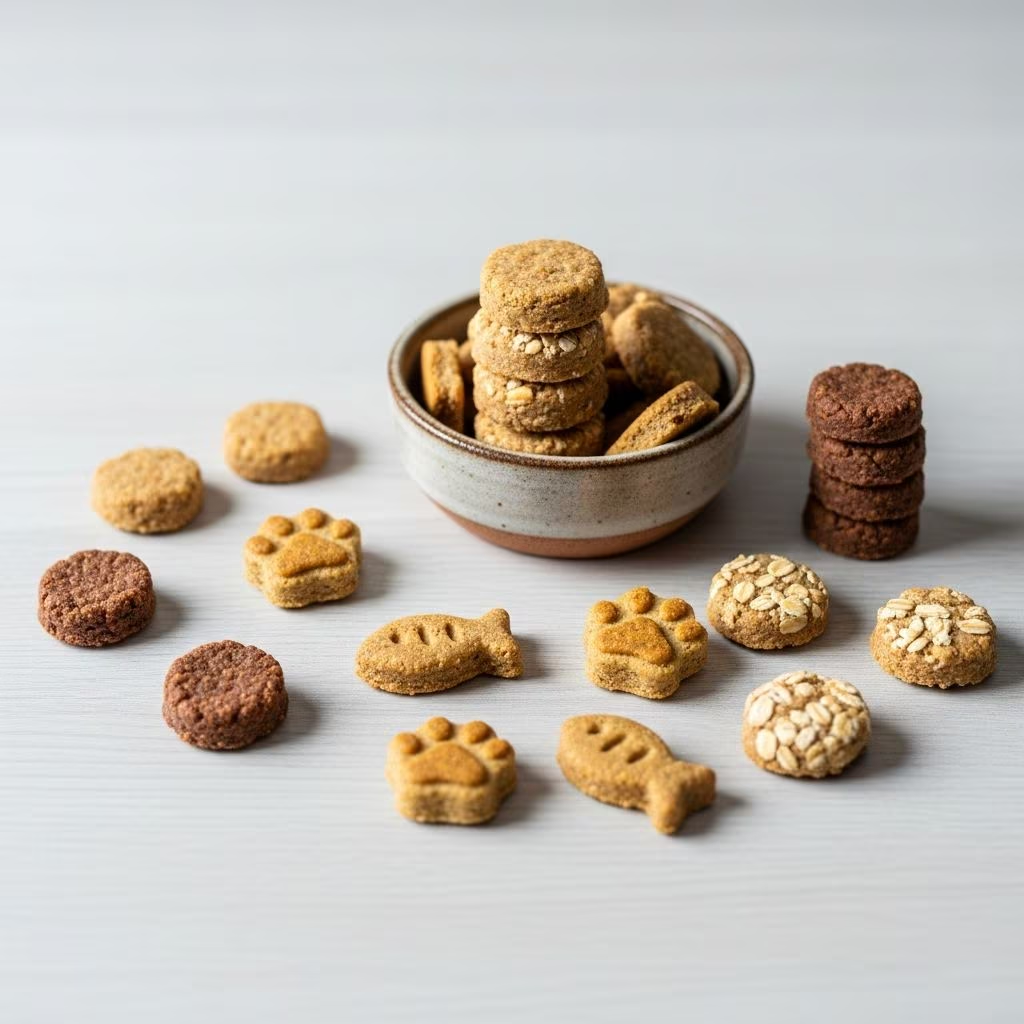
Pet owners who prepare treats at home gain a significant advantage: complete transparency about what their cats consume. Unlike commercial products that may contain artificial additives, preservatives, and fillers, homemade treats allow you to select every ingredient with precision. This control becomes especially valuable when addressing your cat’s specific health needs, managing food sensitivities, or simply offering superior nutrition than what mass-produced alternatives typically provide.
Understanding the nutritional requirements of cats is the foundation for creating treats that genuinely benefit their health. Cats possess unique metabolic demands that differ substantially from other pets, requiring an approach specifically tailored to their biological needs.
Understanding Feline Nutritional Architecture
Cats are obligate carnivores, meaning their evolutionary history and digestive systems are fundamentally designed to process animal-based nutrients rather than plant-based alternatives. This distinction shapes every aspect of their nutritional requirements and should guide every homemade treat recipe you develop.
The protein requirements for cats substantially exceed those of dogs or humans. Cats need approximately 2-3 times more protein than the average dog to maintain optimal health. This heightened requirement stems from their natural predatory lifestyle and the way their bodies utilize amino acids for essential functions including muscle maintenance, immune support, and cellular repair.
Beyond basic protein needs, fats serve as the primary energy source for feline metabolism. Their bodies have evolved to efficiently extract energy from dietary fats through long chains of fatty acids that fuel their characteristically high metabolic rate. This reliance on fat as fuel differs markedly from many other mammals and must be respected when formulating treat recipes.
The Macronutrient Foundation: Protein, Fat, and Fiber
Creating balanced homemade treats requires understanding how macronutrients work together to support feline wellness. Rather than focusing on single nutrients in isolation, successful recipes consider the interplay between protein, fat, fiber, and micronutrients.
Protein: The Essential Building Block
High-quality animal-based proteins form the cornerstone of any nutritious cat treat. Proteins provide the essential amino acids your cat requires for maintaining lean muscle mass, supporting immune function, and enabling the bodily repair processes necessary for longevity. When selecting protein sources, prioritize options like chicken, salmon, turkey, or duck—ingredients that deliver complete amino acid profiles and minimal processing.
The ideal protein content in homemade treats should fall between 30-40% of the total composition. This range ensures adequate protein provision while leaving sufficient space for other essential nutrients. Exceeding these percentages can create nutrient imbalances, while insufficient protein fails to meet your cat’s biological needs.
Fat: Energy and Cellular Support
While protein builds structure, fat provides concentrated energy and delivers critical fatty acids your cat’s body cannot synthesize independently. Omega-3 and Omega-6 fatty acids serve multiple functions, from supporting coat quality and skin health to enabling proper cognitive function.
Whole food sources like salmon, sardines, and chicken skin offer superior nutritional profiles compared to isolated fat supplements. These sources provide naturally balanced ratios of beneficial fatty acids while avoiding excessive saturated fats found in beef or pork. Your target should be approximately 20-35% of total calories from fats, mirroring the composition of a cat’s natural prey-based diet.
Fiber: Supporting Digestive Health
While cats require minimal fiber compared to omnivorous species, small quantities of gentle fiber sources support digestive regulation and overall wellness. Pumpkin, for instance, serves multiple functions—it provides easily digestible carbohydrates, aids cats experiencing digestive irregularities, and contributes essential micronutrients. Fiber should comprise approximately 1-5% of your treat recipes, ensuring digestive support without displacing essential macronutrients.
Micronutrient Essentials: Vitamins and Minerals
Beyond macronutrients, cats require specific vitamins and minerals in higher quantities than humans, as deficiencies can trigger serious health complications including anemia, neurological issues, cardiac problems, and weakened immune response.
Vitamin A supports ocular and dermal health, while niacin and riboflavin enable metabolic processes and support nerve function. Taurine, technically an amino acid, deserves special emphasis as a critical micronutrient for cardiac health and vision support. B vitamins (including B6 and B12) facilitate enzyme production essential for countless biological processes.
Mineral requirements include calcium for skeletal strength, phosphorus for nutrient absorption, and zinc, iron, and selenium for thyroid function, oxygen transport, and disease resistance. The most efficient approach to meeting these micronutrient needs involves using whole food ingredients such as organ meats, fish, eggs, and fortified foods rather than relying exclusively on synthetic supplements.
Safe and Unsafe Ingredients: What to Include and What to Avoid
Success with homemade cat treats requires knowing which ingredients support feline health and which pose genuine dangers.
Ingredients That Support Feline Wellness
- Cooked chicken or turkey (plain, without seasoning)
- Canned tuna or salmon in water (low sodium varieties)
- Eggs (excellent protein and nutrient sources)
- Pumpkin (plain, pureed form)
- Catnip and cat grass (enrichment and digestive support)
- Oat flour or rice flour (for cats with grain sensitivities)
- Sweet potato (fiber and vitamins)
Toxic Ingredients to Avoid
- Onions and garlic (destroy red blood cells)
- Chocolate (contains theobromine, toxic to cats)
- Raisins and grapes (cause kidney failure)
- Artificial sweeteners, particularly xylitol (causes insulin surges and liver damage)
- Raw or undercooked meat (bacterial contamination risk)
- Excessive salt (strain on kidney function)
Recipe Development: Transforming Knowledge Into Practice
With nutritional guidelines established, the creative process of developing balanced recipes becomes straightforward. Begin by selecting a premium protein centerpiece—perhaps chicken breast, salmon, or lean beef—then supplement with complementary ingredients that provide healthy fats, gentle fiber, and micronutrient diversity.
Foundational Recipe Structure
Successful recipes follow this approximate macronutrient distribution: 30% high-quality animal protein, 30% fat from whole food sources rich in omega fatty acids, 1-5% fiber from cat-safe vegetables or fruits, and adequate vitamin and mineral diversity. This framework ensures species-appropriate nutrition while maintaining palatability and texture variety.
Sample Recipe Ideas
Poultry and Liver Bites
Braised chicken or beef liver creates treats that are lean protein-focused with minimal fat content while naturally boosting taurine availability. These simple preparations celebrate the ingredient’s nutritional density without requiring complicated techniques or additional components.
Salmon Cakes with Omega Enhancement
Combining canned salmon with whole eggs creates treats rich in omega-3 fatty acids, complete proteins, and bioavailable minerals. The natural binding properties of eggs eliminate the need for flour or other binders, keeping ingredients minimal and pure.
Pumpkin and Yogurt Drops
Gentle fiber from pumpkin paired with protein-rich yogurt creates easily digestible treats suitable for cats experiencing digestive sensitivity. This combination delivers calcium and probiotics while maintaining low complexity in terms of ingredient count and preparation requirements.
Antioxidant Fruit and Vegetable Blends
Blueberries and sweet potato purees offer antioxidant compounds and essential vitamins, though these should supplement rather than replace meat-based components. These treats require calcium supplementation to maintain proper mineral ratios, emphasizing the importance of balanced formulation.
Dehydrated Protein Jerky
Thin-sliced turkey or chicken strips, dehydrated at low temperatures, create nutrient-dense treats concentrating protein while removing moisture that could support bacterial growth. This preparation method extends shelf life while preserving nutritional integrity better than many cooking techniques.
Practical Preparation and Safety Considerations
Beyond recipe formulation, proper handling and preparation techniques ensure your homemade treats remain safe throughout storage and feeding. Cook proteins thoroughly to eliminate pathogenic bacteria, allow all prepared treats to cool completely before storage, and keep detailed records of preparation dates and storage methods.
Homemade treats should be stored in airtight containers in the refrigerator for up to five days or frozen for extended preservation. Always discard treats showing signs of spoilage, discoloration, or off-odors before offering them to your cat.
Customization for Individual Health Needs
One significant advantage of homemade treats involves customization for your specific cat’s health requirements. Cats with food sensitivities can enjoy treats avoiding problematic ingredients while still providing complete nutrition. Weight management becomes easier when controlling portion sizes and caloric density. Senior cats benefit from softer textures and adjusted nutrient profiles supporting aging bodies.
Ingredient Rotation and Nutritional Diversity
Rotating various protein sources and complementary ingredients throughout treat preparation ensures broader micronutrient exposure and prevents monotony that might reduce palatability. Alternating between chicken-based, fish-based, and beef-based recipes over successive weeks exposes your cat to diverse amino acid ratios and nutrient profiles that contribute to comprehensive nutritional support.
Frequently Asked Questions
How often should I offer homemade treats?
Homemade treats should comprise no more than 10% of your cat’s daily caloric intake, with the remainder coming from complete, balanced commercial or professionally formulated diets. This ensures treats supplement rather than replace essential nutrition from primary food sources.
Can I use human-grade ingredients?
Yes, human-grade ingredients often represent superior choices for homemade treats. Fresh, unprocessed chicken, salmon, and vegetables intended for human consumption typically exceed the quality standards of pet-grade alternatives, providing better nutritional density and fewer additives.
Should I add supplements to homemade treats?
Whole food ingredients provide more bioavailable nutrients than isolated supplements. Only add supplements if creating treats as the primary nutrition source, which is not recommended. With homemade treats serving as supplements to complete commercial diets, whole food ingredients generally provide sufficient micronutrient diversity.
How do I know my recipe is balanced?
Consulting with a veterinary nutritionist ensures your recipes meet feline-specific requirements. Many veterinarians can analyze recipes and provide specific guidance tailored to your cat’s individual health status and nutritional needs.
What texture do cats prefer?
Cats generally enjoy varied textures. Some prefer soft, moist treats while others appreciate crunchier options. Experimenting with different preparation methods—from braised pieces to dehydrated jerky—reveals your individual cat’s preferences while maintaining nutritional balance across different textures.
Building Your Homemade Treat Repertoire
Starting with simple recipes using single protein sources combined with one or two complementary ingredients allows you to master basic techniques before expanding to more complex formulations. Success with your first batches builds confidence for experimenting with varied flavor profiles and nutritional emphases that match your cat’s preferences and health objectives.
The process of creating homemade treats strengthens your understanding of feline nutrition while deepening your bond with your cat. By grounding your efforts in scientific understanding of feline nutritional requirements and maintaining commitment to ingredient quality, you provide treats that deliver genuine health benefits rather than empty calories.
References
- Creating Balanced Homemade Cat Treats: A Nutritional Guide — BoneItUp. Retrieved February 17, 2026. https://boneitup.com/blogs/news/creating-balanced-homemade-cat-treats-a-nutritional-guide
- Exploring Natural and Healthy Cat Treats — SmarterPaw. Retrieved February 17, 2026. https://smarterpaw.com/blogs/news/exploring-natural-and-healthy-cat-treats
- Healthy Homemade Cat Treat Recipes: Delicious and Nutritious Snacks for Your Feline Friend — Whiskers Rescue AR. Retrieved February 17, 2026. https://www.whiskersrescuear.org/whiskersblog/healthy-homemade-cat-treat-recipes-delicious-and-nutritious-snacks-for-your-feline-friend
- The Benefits of Homemade Cat Treats for Your Feline Friend — Nature Pet Store. Retrieved February 17, 2026. https://naturepetstore.com/blogs/pet-health/the-benefits-of-homemade-cat-treats-for-your-feline-friend
- Commercial vs Homemade Cat Diets: What you need to know — PubMed Central, National Center for Biotechnology Information. 2024. https://pmc.ncbi.nlm.nih.gov/articles/PMC11104037/
- How to Choose the Right Natural Cat Treats for Your Pet’s Health — Whole Life Pet. Retrieved February 17, 2026. https://wholelifepet.com/blogs/blog/how-to-choose-the-right-natural-cat-treats-for-your-pets-health
- From the Inside Out: Recipes for Homemade Cat Treats with Vet-Approved Nutrition — Pettsie. Retrieved February 17, 2026. https://www.pettsie.com/blogs/blog/from-the-inside-out-recipes-for-homemade-cat-treats-with-vet-approved-nutrition



