

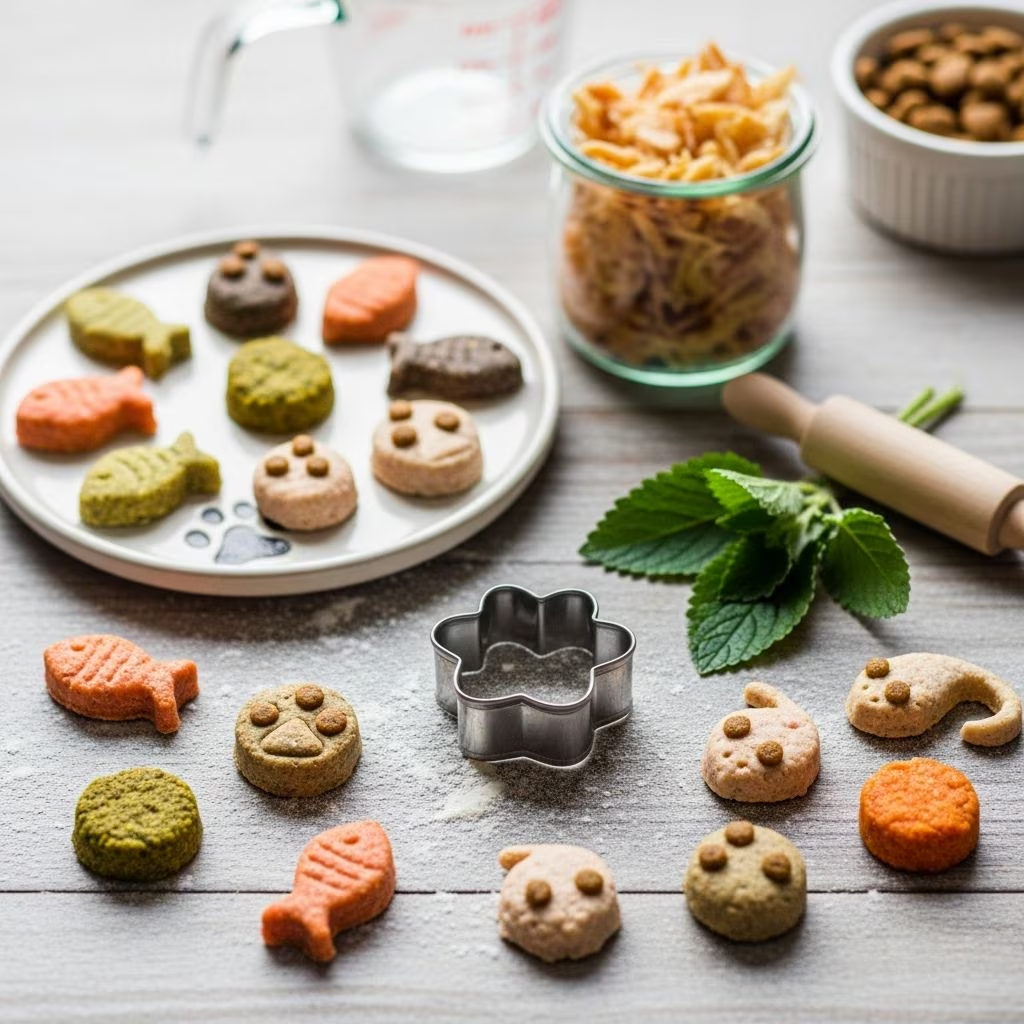
Creating treats for your feline companion at home offers a wonderful opportunity to control ingredients, ensure nutritional value, and strengthen your bond through the joy of preparation. Unlike commercial alternatives, homemade treats allow you to select fresh, high-quality components while avoiding artificial preservatives, excessive sodium, and unknown additives that may compromise your cat’s health.
Understanding Feline Nutrition in Treat Preparation
Before diving into recipes, it’s essential to understand what makes a treat nutritionally appropriate for cats. Cats are obligate carnivores, meaning their bodies require nutrients found primarily in animal tissues. When formulating homemade treats, prioritizing protein sources ensures your creations align with your cat’s natural dietary needs.
The foundation of any successful cat treat recipe relies on selecting ingredients that have been proven safe for feline consumption. This involves avoiding common household foods that pose toxicity risks, such as onions, garlic, grapes, and raisins, which can cause serious health complications even in small quantities.
Essential Ingredients for Safe and Delicious Treats
Several readily available ingredients serve as excellent bases for homemade cat treat recipes. Understanding their nutritional benefits helps you make informed choices about which components best suit your cat’s individual health needs and taste preferences.
Protein Sources
Canned Fish Options: Tuna and salmon rank among the most popular ingredients in homemade cat treat recipes due to their intense aroma and strong palatability. When selecting canned fish, choose varieties packed in water rather than oil or brine, and ensure thorough draining before incorporating into your mixture. The distinct smell of these proteins naturally attracts cats and makes treats irresistible.
Poultry Products: Cooked chicken breast, finely shredded or pureed, provides an excellent lean protein alternative for cats that may tire of fish-based options. Turkey offers similar nutritional benefits and introduces variety into your treat rotation. Always use unseasoned, boneless, skinless poultry prepared specifically for pet consumption without salt, garlic, or onion additives.
Specialty Proteins: Canned mackerel, sardines, and shrimp provide novel protein sources that keep your cat’s palate engaged while delivering omega-3 fatty acids beneficial for skin and coat health.
Binding and Texture Components
Achieving the right consistency in homemade treats requires careful selection of binding agents. Whole wheat flour remains the most accessible option for most recipes, providing structure while contributing modest nutritional value. For cats with grain sensitivities or allergies, coconut flour and oat flour offer suitable grain-free alternatives that still provide adequate binding power.
Eggs serve a dual purpose in treat preparation: they act as binding agents while adding protein and moisture to the mixture. A single beaten egg typically binds approximately one cup of dry ingredients, though ratios vary depending on your chosen base ingredients and desired texture.
Nutritional Enhancement Additions
Pumpkin Puree: Pure pumpkin puree, unsweetened and free from pie-filling spices, offers exceptional digestive benefits for cats prone to hairball formation or digestive sensitivity. The high fiber content supports healthy gastrointestinal function while adding natural sweetness and moisture to treat mixtures. Use only pure puree, as pie fillings contain added sugars and spices potentially harmful to feline health.
Supplementary Herbs and Powders: Catnip stimulates feline interest and enjoyment, making treats more appealing to your pet. Dried parsley contributes to breath freshness, while bone broth powder adds depth of flavor and supports joint health. Ground turmeric provides anti-inflammatory properties, though quantities should remain minimal. Always verify that any addition is feline-safe before inclusion.
Simple Recipe Foundations for Beginners
Two-Ingredient Fish Treats
The simplest approach to homemade treat creation requires minimal ingredients and preparation time. This basic formula introduces newcomers to the process without overwhelming complexity.
- One can tuna or salmon (thoroughly drained)
- One egg (beaten)
Combine the drained fish with the beaten egg, mixing until a consistent paste forms. Drop small spoonfuls onto parchment paper and bake at 350°F for approximately 12 minutes until golden brown. This minimalist approach produces approximately 50 individual treats, though exact yield depends on spoon size and oven characteristics.
Poultry and Grain Combination
This recipe introduces variety while maintaining simplicity. Combine one-half cup cooked chicken with one egg white, one-quarter cup cornmeal, and two tablespoons of unsalted broth. Mix thoroughly, form small shapes, and bake at 350°F for 15 minutes. The cornmeal provides texture and contributes to the treats’ appeal for cats preferring crunchier varieties.
Root Vegetable Innovation
Incorporating vegetables expands nutritional diversity. Combine one-half cup cooked carrot with one egg yolk, one cup flour, and one tablespoon catnip. Mash the carrot thoroughly, blend with flour until a soft dough forms, cut into small shapes, and bake at 350°F for 15 minutes. The natural sweetness of carrot combined with catnip’s aromatic appeal creates treats many cats find irresistible.
Advanced Recipes for Specific Health Needs
Digestive Support Formula
Cats experiencing digestive sensitivities or hairball issues benefit from treats specifically formulated with digestive support ingredients. Combine one-half cup pumpkin puree with two tablespoons coconut flour, one egg white, and one teaspoon catnip. This grain-free option provides gentle digestive support while remaining palatable enough to encourage regular consumption. The pumpkin’s soluble fiber promotes healthy intestinal function without causing digestive upset.
Seafood Medley for Nutritional Completeness
Blending multiple proteins creates more complex flavor profiles while distributing diverse nutrients. Combine one-quarter cup chicken puree with one-quarter cup tuna puree, one egg yolk, and one tablespoon tapioca flour. Whisk the yolk before combining other ingredients, spread the mixture onto a baking sheet, and bake at 300°F for 20 minutes before cutting into strips. This approach provides complementary amino acid profiles from different protein sources.
Grain-Free Option for Sensitive Cats
Cats with identified grain allergies or sensitivities require specialized recipes eliminating wheat entirely. Combine one-half cup tuna or chicken with one beaten egg and two tablespoons coconut flour. Mix until the dough achieves proper consistency, form tiny discs, place on lined baking sheets, and bake at 325°F for 10 to 12 minutes. Coconut flour requires more careful moisture management than wheat alternatives, so adjust water content gradually if the mixture appears too dry.
Preparation Techniques and Best Practices
Ingredient Selection and Preparation
Success in homemade treat creation begins with ingredient quality. Select human-grade components whenever possible, ensuring all items are fresh and free from artificial additives. When using canned items, inspect containers for damage or swelling before opening. Always drain canned fish thoroughly to remove excess sodium and liquid that could compromise treat texture.
Prepare fresh ingredients immediately before use. Cooked chicken should be cooled completely before shredding or pureeing. If using a food processor for ingredient blending, pulse gently to avoid over-processing, which creates excessively fine textures that may not appeal to your cat’s preferences.
Oven Temperature and Baking Duration
Precise oven temperature control prevents over-drying or under-cooking treats. Most recipes call for temperatures between 300°F and 350°F, which gently removes moisture without burning delicate ingredients. Baking times typically range from 10 to 20 minutes depending on treat size and thickness. Begin checking treats around the two-thirds mark of specified baking time, as oven characteristics vary significantly between appliances.
Cooling and Texture Adjustment
Allow treats to cool completely on the baking sheet before handling. This cooling period allows moisture redistribution and permits the treats to firm up, making them easier to handle and less prone to crumbling. If treats appear too soft after cooling, return them to the oven for an additional 5-minute drying period.
Storage Solutions for Optimal Freshness
Proper storage extends treat shelf life while maintaining nutritional integrity and safety. Airtight containers—whether glass jars with secure seals or heavy-duty plastic containers—prevent moisture absorption and oxidation that compromise quality.
Refrigerator Storage: Most homemade cat treats remain fresh in sealed containers for 3 to 5 days when refrigerated. This timeframe applies to recipes containing fish, poultry, or egg components that could support bacterial growth if left at room temperature. Always inspect treats before serving if any considerable time has elapsed.
Freezer Storage: Freezing extends treat viability significantly, preserving most recipes for up to three months. Portion treats into ice cube trays or small freezer bags before freezing, allowing convenient thawing of individual servings without repeatedly opening storage containers. Thaw frozen treats in the refrigerator for several hours before offering to your cat.
Room Temperature Considerations: Only grain-heavy recipes with minimal moisture content maintain safety at room temperature for extended periods. Even these should be stored in airtight containers away from direct sunlight and heat sources that could compromise ingredient stability.
Safety Considerations and Ingredient Restrictions
Understanding prohibited ingredients prevents serious health consequences. Never incorporate onions, garlic, salt, chocolate, grapes, raisins, or xylitol into homemade cat treats, as these substances pose genuine toxicity risks even in small quantities. Additionally, avoid artificial sweeteners, excessive salt, and spices that may upset sensitive feline digestive systems.
When experimenting with novel ingredients, introduce them gradually in small quantities while monitoring your cat for adverse reactions such as vomiting, diarrhea, or behavioral changes. Some cats develop sensitivities to specific proteins or ingredients not previously problematic, so careful observation during new recipe trials proves essential.
Frequently Asked Questions About Homemade Cat Treats
How often should I offer homemade treats to my cat?
Treats should comprise no more than 10% of your cat’s daily caloric intake, with the remaining 90% coming from balanced primary meals. For most cats, this translates to offering treats in moderation, perhaps several times per week, rather than daily.
Can I prepare large batches and freeze treats for later?
Yes, freezing homemade treats preserves them effectively for extended periods. Portion treats into appropriately-sized containers before freezing to facilitate thawing only necessary quantities.
What should I do if my cat shows no interest in a particular recipe?
Feline taste preferences vary considerably. If a recipe fails to generate interest, try adjusting ingredient ratios or selecting alternative proteins. Some cats strongly prefer fish-based treats, while others favor poultry options.
Are homemade treats appropriate for senior or young cats?
Homemade treats can be adapted for cats of any age by adjusting texture and ingredient selection. Senior cats may prefer softer varieties, while young cats typically enjoy crunchier options. Ensure treats suit your individual cat’s dental health and chewing ability.
Customization for Individual Cat Preferences
The true advantage of homemade treat preparation lies in customization possibilities. Once you master basic recipes, experiment with ingredient combinations reflecting your cat’s individual preferences and nutritional needs. Track which ingredients generate the strongest positive responses, then build future recipes around those preferences.
Consider seasonal variations, rotating proteins throughout the year to prevent palatability fatigue. Spring might feature lighter poultry-based treats, while winter variations could incorporate warming additions like bone broth powder.
The Rewarding Nature of Homemade Cat Care
Creating treats at home transforms pet nutrition from a passive purchasing decision into an active expression of care. The preparation process strengthens your bond with your feline companion while ensuring complete transparency regarding every ingredient your cat consumes. This hands-on approach to nutrition provides peace of mind unavailable with commercially-produced alternatives, knowing precisely what your beloved pet receives.
References
- 9 Easy Homemade Cat Treat Recipes — JustFoodforDogs Blog. 2025. https://blog.justfoodfordogs.com/homemade-cat-treats.html
- DIY Cat Treat Recipes for Special Days: Healthy, Homemade Feline Delights — RSH Pets. 2025. https://rshpets.com/blogs/cat-lifestyle-fun/diy-cat-treat-recipes-for-special-days-healthy-homemade-feline-delights
- Three-Ingredient Salmon Cat Treats — The Cookie Rookie. 2015. https://www.thecookierookie.com/3-ingredient-salmon-cat-treats/
- Homemade Cat Treats – My Sweet Precision — My Sweet Precision. https://mysweetprecision.com/chewy-cat-treats/
- 11 homemade cat treats your kitty will love — Care.com. https://www.care.com/c/easy-homemade-cat-treats/



