Homemade Cat Toys Guide
Discover simple, safe DIY cat toys using household items to boost play, reduce boredom, and strengthen your bond with your feline friend.
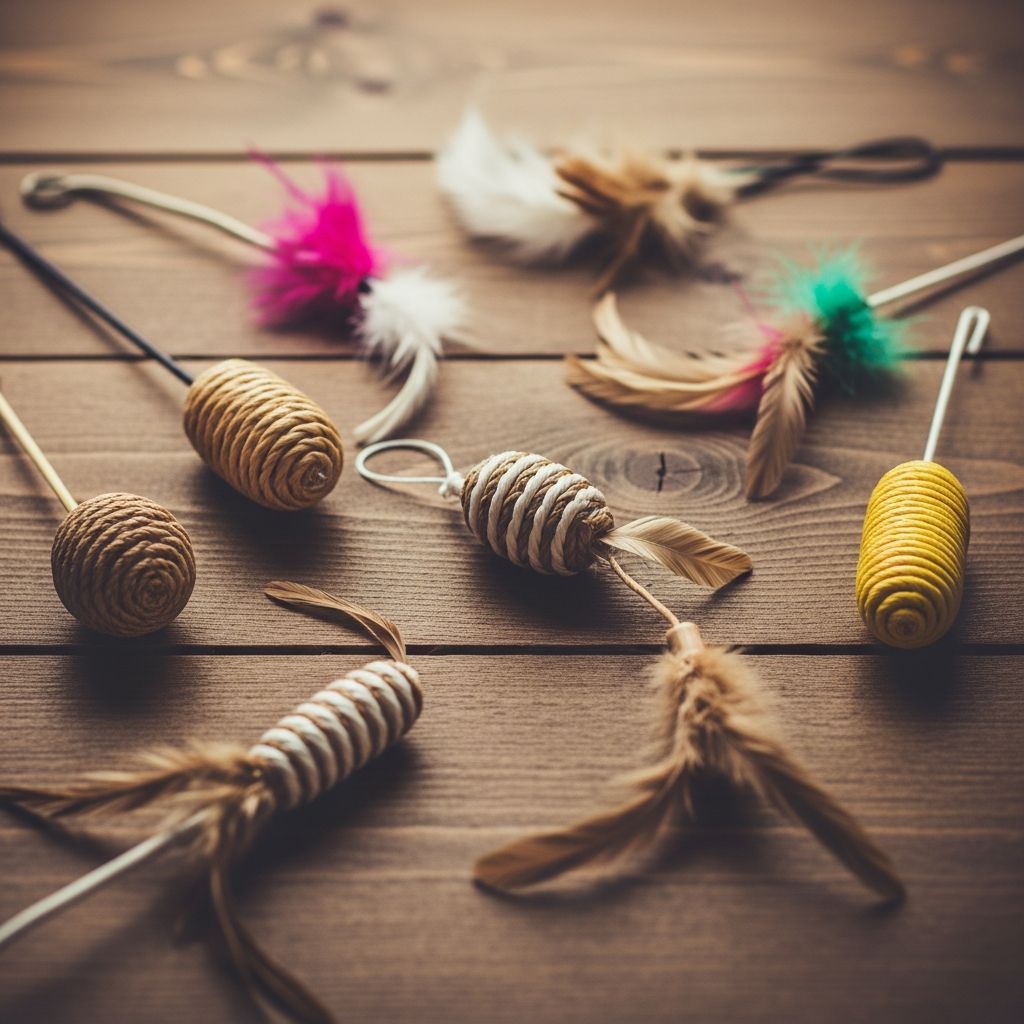
Creating homemade cat toys offers an affordable way to keep your feline companion active, mentally sharp, and entertained using items already around your home. These DIY projects tap into cats’ innate hunting, climbing, and exploring behaviors, fostering stronger bonds while promoting overall well-being.
Benefits of Crafting Your Own Cat Toys
Making toys at home goes beyond mere play; it addresses key aspects of feline health. Cats are natural predators that thrive on stimulation, and insufficient activity can lead to obesity, stress, or destructive habits. DIY options allow personalization to match your cat’s age, energy level, and preferences, such as a love for chasing or pouncing.
Financially, these crafts eliminate the need for store-bought items, which can add up quickly. Environmentally, they repurpose waste like cardboard and fabric scraps, reducing household clutter. Most importantly, supervised crafting sessions build trust and interaction, enhancing your relationship with your pet.
- Health Boost: Encourages physical exercise and prevents weight gain.
- Mental Stimulation: Challenges problem-solving skills to combat boredom.
- Cost Savings: Uses free or recycled materials.
- Customization: Tailors to individual cat personalities.
- Safety Control: Ensures only pet-safe components are used.
Essential Materials for DIY Success
Stock up on basic, non-toxic supplies before starting. Focus on durability and safety to avoid ingestion risks.
| Material | Uses | Safety Notes |
|---|---|---|
| Old socks or fabric scraps | Stuffing, bases for mice or balls | Wash thoroughly; avoid dyes |
| Cardboard boxes/toilet rolls | Hideouts, puzzles, mazes | No tape with adhesive that peels |
| Yarn, string, or ribbons | Wands, attachments | Short lengths; supervise use |
| Catnip or treats | Attractants | Organic, sparingly dosed |
| Scissors, non-toxic glue | Assembly | Child-safe varieties only |
| Feathers or paper | Movement toys | Secure firmly to prevent choking |
Simple Starter Projects for Beginners
Begin with easy designs requiring minimal tools. These quick makes provide immediate fun and build your confidence.
Stuffed Sock Pouncer
Transform a lone sock into a bouncy chase toy. Fill it with soft scraps like old t-shirts or cotton balls, sprinkle in catnip, and knot the end securely. For added appeal, sew on felt ears or a tail. Drag it across the floor or toss for leaping action. This mimics small prey, igniting chase instincts.
Time: 5 minutes. Ideal for kittens or seniors.
Crumpled Paper Chaser
Scrunch newspaper or scrap paper into a tight ball. The crinkle sound captivates most cats. Attach string for dangling or leave loose for batting. Refresh periodically with new paper to maintain interest. Excellent for solo play sessions.
Toilet Roll Treat Dispenser
Fold one end of an empty toilet paper roll, cut slits along the sides, and tuck treats inside. As your cat paws and rolls it, rewards tumble out, rewarding persistence. This puzzle encourages foraging behaviors akin to wild hunting.
Pro tip: Vary hole sizes for different difficulty levels.
Advanced Builds for Active Cats
Once comfortable, tackle multi-component toys that offer prolonged engagement. These suit energetic adults craving complexity.
Cardboard Exploration Fortress
Stack boxes of varying sizes, cutting entryways, tunnels, and ramps. Secure with non-toxic tape and line with fabric for comfort. Hide treats or ping-pong balls inside compartments. Cats adore the verticality and mystery, turning it into a daily adventure hub.
Expand by linking multiple units for a ‘castle’ effect.
Yarn Pom-Pom Bomber
Wind yarn around a fork or hand to form a core, tie tightly, and trim loops into a fluffy sphere. Scatter several for a ‘hunt’ game, or attach to a stick for interactive waving. The texture and bounce provoke batting frenzies.
Warning: Remove strings post-play to prevent tangles.
Feather Wand Teaser
Attach feathers or ribbons to a dowel via string. Swish erratically to simulate fleeing birds. This high-energy tool burns calories and sharpens reflexes. Store disassembled to extend life.
Incorporating Natural Elements
Leverage wood, sisal, and other eco-materials for sustainable play. Untreated wood blocks with drilled holes invite chewing and hiding. Wrap sisal rope around sticks for scratching posts. Felt balls from natural wool roll enticingly. These options align with cats’ preferences for organic textures and scents, promoting instinctual behaviors without synthetics.
- Sisal scratching pads from rope coils.
- Wooden perches from branches.
- Felted wool for quiet tumblers.
Safety Guidelines Every Cat Owner Must Follow
Prioritize precautions to prevent accidents. Inspect toys daily for frays or loose bits. Never leave string-based items unattended. Steer clear of beads, batteries, or small swallowables. Choose glue and dyes labeled pet-safe. Introduce new toys gradually to monitor reactions, especially for multi-cat homes.
Quick Safety Checklist
- No small detachable parts.
- Non-toxic everything.
- Supervise string/yarn play.
- Replace worn items promptly.
- Avoid painted or varnished wood.
Enhancing Play with Sensory Variety
Cats engage via multiple senses. Incorporate crinkly paper for sound, fuzzy fabrics for touch, catnip for smell, and fluttering feathers for sight. Rotate toys weekly to sustain novelty—cats tire of static items. Combine with laser pointers or apps for hybrid sessions, but always end on a positive note to avoid frustration.
Frequently Asked Questions
Are DIY cat toys as good as commercial ones?
Yes, often better due to freshness and customization. They match natural instincts effectively.
What if my cat ignores the toy?
Try catnip enhancement or demonstrate play yourself. Patience is key; interests vary.
Can these toys help shy cats?
Absolutely—low-pressure puzzles build confidence gradually.
How often should I refresh toys?
Rotate every 3-7 days; discard damaged ones immediately.
Is catnip safe for all cats?
Most enjoy it, but genetic non-responders exist. Use sparingly to avoid overstimulation.
These projects not only entertain but enrich your cat’s life profoundly. Experiment, observe, and adapt—your creativity will yield endless joy.
References
- DIY Enrichment Toys For Your Cat — AAHA. 2023-05-15. https://www.aaha.org/resources/diy-enrichment-toys-for-your-cat/
- Cat Toys For Fun and Enrichment — Humane Society of Huron Valley. 2022-11-10. https://www.hshv.org/cat-toys-what-are-they-for/
- DIY cat toys: Safe materials and tips for fun playtime — Homeaglow. 2024-08-20. https://www.homeaglow.com/hub/content/diy-cat-toys
- 7 Easy DIY Cat Toys Your Kitty Will Love — Diamond Pet. 2023-02-14. https://www.diamondpet.com/blog/culture/7-easy-diy-cat-toys-your-kitty-will-love/
- Repurposing Children’s Toys Into Cat Toys — Hill’s Pet (Canada). 2021-06-30. https://www.hillspet.ca/en-ca/cat-care/play-exercise/diy-homemade-cat-toys-from-childrens-toys
Similar Articles








Read full bio of medha deb