

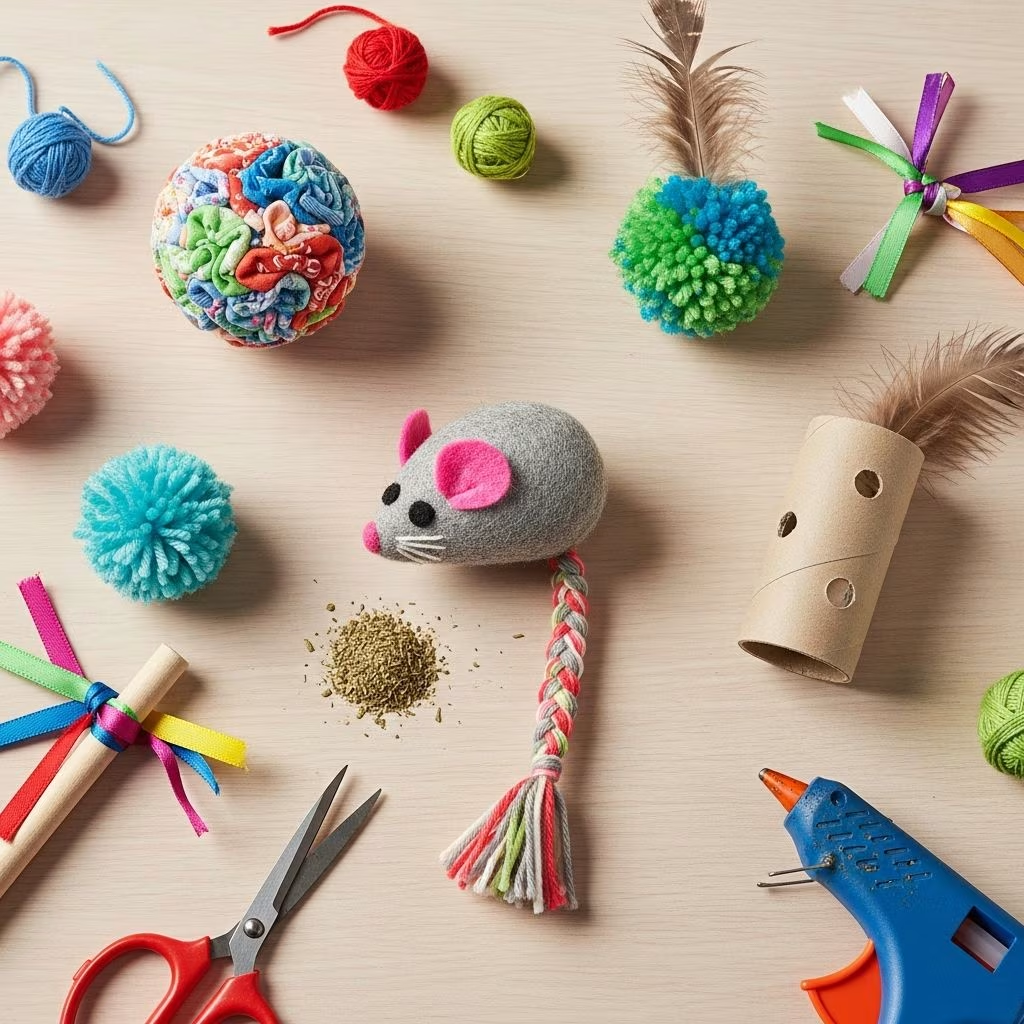
Cats thrive on play that mimics their natural hunting and exploring instincts. Crafting homemade cat toys from household items offers an affordable way to provide enrichment, prevent boredom, and promote physical activity. These projects use safe, recycled materials to create engaging toys tailored to your cat’s preferences.
Benefits of Crafting Your Own Cat Toys
Making DIY cat toys goes beyond simple entertainment. It allows customization to match your cat’s energy level and interests, whether they love chasing, pouncing, or problem-solving. Key advantages include:
- Cost Savings: Repurpose items like old socks or cardboard, eliminating the need for store-bought alternatives.
- Environmental Impact: Reduce waste by transforming recyclables into playthings, minimizing landfill contributions.
- Health Boost: Encourage exercise and mental stimulation, helping combat obesity and stress in indoor cats.
- Bonding Opportunity: Joint play sessions with handmade toys strengthen the human-cat relationship.
- Safety Control: Choose non-toxic materials, avoiding small parts or hazards found in some commercial products.
Studies from veterinary organizations emphasize how such enrichment supports feline well-being, with interactive toys proven to enhance cognitive function.
Essential Materials for Safe DIY Cat Toys
Stock up on these common household finds to start creating. Always prioritize safety by selecting non-toxic, durable items free from small swallowable pieces.
| Material | Uses | Safety Notes |
|---|---|---|
| Old Socks | Stuffing toys, catnip pouches | Clean thoroughly; knot securely |
| Cardboard Tubes/Boxes | Puzzles, hideouts | No tape with adhesive; supervise chewing |
| Scrap Paper/Newspaper | Balls, crinkle fillers | Ink-free preferred; shred if ingested risk |
| Yarn/String (cotton) | Wands, pom-poms | Short lengths; never leave unattended |
| Fabric Scraps | Mice, stuffings | Washable, no loose threads |
| Catnip (dried) | Attractant | Organic, sparingly to avoid overstimulation |
Additional tools: scissors, non-toxic glue, needle/thread. Avoid batteries, beads, or painted wood to prevent ingestion hazards.
Simple Sock-Based Toys for Quick Play
Socks are versatile for instant gratification toys that cats adore batting and carrying.
Catnip-Filled Sock Pouch
This no-sew option mimics prey with scent appeal.
- Wash an old knee sock.
- Fill with fiber fill or fabric scraps, adding 1 tsp catnip.
- Knot the open end twice or tie with string.
- Toss for your cat to chase; refresh catnip monthly.
Cats respond strongly to catnip’s nepetalactone, triggering playful behavior in up to 70% of felines.
Knotted Sock Tug Toy
For interactive sessions:
- Cut sock into strips.
- Braid three strips, knot ends.
- Gently tug during play, releasing for solo fun.
Cardboard Creations for Exploration
Cardboard taps into cats’ love for boxes, fostering hide-and-seek adventures.
Multi-Level Box Fortress
Build a climbing wonderland:
- Collect boxes of varying sizes.
- Cut entry holes (cat-head sized) on sides/tops.
- Stack and secure with non-adhesive tape.
- Add crinkle paper inside for sound effects.
This setup encourages vertical play, ideal for space-limited homes.
Treat-Dispensing Tube Puzzle
Promote foraging skills:
- Take toilet paper rolls.
- Fold ends, cut side slits.
- Insert treats; let cat roll to dispense.
Such puzzles improve problem-solving, as noted in enrichment guidelines from animal health authorities.
Textile and Fiber Toys for Pouncing
Fabric crafts offer soft textures cats crave.
Fabric Scrap Mouse
A classic hunter’s target:
- Cut felt into mouse shape (body, ears, tail).
- Sew sides, stuff with scraps/catnip.
- Attach yarn tail; add rattle bells if safe.
Yarn Pom-Pom Bomber
Easy rolling fun:
- Wrap yarn around hand 50 times.
- Tie center, cut loops.
- Trim to sphere; supervise play.
These stimulate batting instincts without tangling risks if monitored.
Natural and Eco-Friendly Options
Incorporate nature-inspired elements for sustainable play.
Wooden Balance Beam
Using untreated wood scraps:
- Sand smooth edges.
- Drill holes for exploration.
- Secure sisal rope for scratching.
Natural materials like sisal support claw health safely.
Feather Wand from Household Finds
Repurpose craft feathers:
- Tie to stick/string.
- Wiggle to simulate birds.
This aerobic activity burns calories effectively.
Safety Guidelines for All DIY Toys
Prioritize these rules:
- Supervise Always: Especially with strings/yarn to prevent ingestion.
- Size Appropriately: Larger than mouth to avoid choking.
- Inspect Regularly: Discard frayed/dirty toys.
- No Toxins: Skip glues with chemicals; use natural dyes.
- Rotate Toys: Refresh weekly to maintain interest.
Veterinary experts warn against small parts or chewable hazards, recommending daily checks.
Advanced Enrichment: Combining Toys
Elevate play by integrating projects. Fill box fortresses with pom-poms or hide sock mice in puzzles. Add packing paper crinkles for auditory stimulation—cats magnetize to its rustle. This multi-sensory approach combats lethargy in multi-cat homes.
Common Mistakes to Avoid
Don’t overload with catnip daily, as tolerance builds. Steer clear of plastic bags or ribbons that mimic dangers. Test toys gently for durability before cat access.
FAQs
Are DIY cat toys as good as store-bought?
Yes, often better due to customization and scent familiarity, providing equal stimulation.
How often should I replace homemade toys?
Weekly inspection; replace when worn to ensure safety.
Can kittens play with these?
Adapt sizes; avoid small parts for under 6 months.
What if my cat ignores the toys?
Introduce with play sessions; rotate to spark curiosity.
Is catnip safe for all cats?
Generally yes, but 30% unaffected; use sparingly.
Conclusion
DIY cat toys transform everyday items into sources of joy, health, and connection. Start simple, observe preferences, and watch your cat flourish through creative play.
References
- How to Make Your Own Cat Toys — Lords & Labradors. 2023. https://www.lordsandlabradors.co.uk/blogs/journal/how-to-make-your-own-cat-toys
- Keeping Cats Busy DIY — Flappie Doors. 2024. https://flappiedoors.com/en/blogs/katzenerziehung/katzen-beschaeftigen-diy
- Paws for the Planet: 5 DIY Cat Toys — Adored Beast. 2023. https://blog.adoredbeast.com/paws-for-the-planet-5-diy-cat-toys/
- DIY Enrichment Toys for Your Cat — AAHA. 2024. https://www.aaha.org/resources/diy-enrichment-toys-for-your-cat/
- DIY Cat Toys — De Dierenkliniek. 2023. https://de-dierenkliniek.nl/en/news/diy-cat-toys/
- Using Your Kid’s Old Toys as Homemade Cat Toys — Hill’s Pet. 2023. https://www.hillspet.com.cy/en-cy/cat-care/play-exercise/diy-homemade-cat-toys-from-childrens-toys
- Top 5 Free DIY Cat Enrichment Products — Cat Advocate. 2020-05-26. https://www.cat-advocate.com/post/2020/05/26/best-free-cat-toy-packing-paper



