

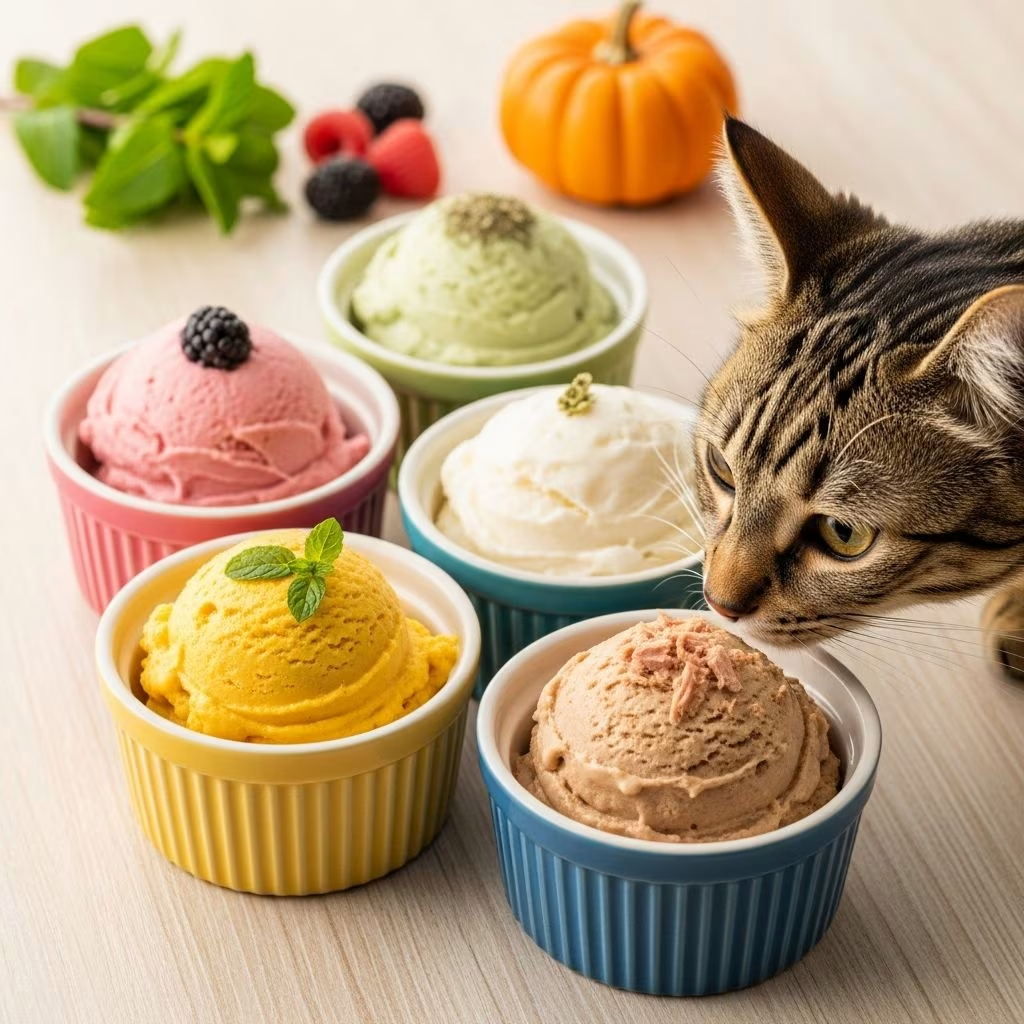
5 Homemade Cat Ice Cream Recipes (Vet-Approved)
As the weather heats up, keeping your feline friend cool and hydrated becomes increasingly important. One delicious and nutritious way to help your cat beat the heat is by preparing homemade ice cream treats specifically designed for their dietary needs. Unlike regular human ice cream, which often contains ingredients harmful to cats such as sugar, chocolate, and lactose, homemade cat ice cream can be crafted with cat-safe ingredients that provide both refreshment and nutritional benefits.
Homemade cat ice cream treats serve multiple purposes beyond simply cooling down your pet. They encourage increased water intake, which is particularly beneficial for cats who naturally tend to drink insufficient amounts of water. Additionally, these frozen treats can help maintain your cat’s interest in eating during hot weather when their appetite might diminish. Making your own cat ice cream also allows you to control exactly what ingredients go into your pet’s food, ensuring they receive only safe and healthy components.
The following five recipes have been carefully selected and vetted to ensure they meet feline nutritional requirements while being simple enough for any cat owner to prepare at home. Each recipe uses readily available ingredients and requires minimal equipment.
1. Simple Blueberry Cat Ice Cream Recipe
The simplest approach to making cat ice cream starts with fresh blueberries and dry cat food. This recipe requires minimal preparation and uses ingredients that most cat owners likely already have on hand. Blueberries are excellent for cats, providing natural antioxidants while remaining low in calories, making them an ideal treat option.
Equipment Needed
- Ice cube tray
- Blender
- Freezer
Ingredients
- 1/3 cup fresh blueberries
- 1/4 cup dry cat food (kibble)
Instructions
- Wash your fresh blueberries thoroughly under running water.
- Place the cleaned blueberries into your blender.
- Blend until the mixture reaches a smooth consistency.
- Mix in your dry cat food using a spoon until well combined.
- Pour the mixture into your ice cube tray, filling each compartment.
- Freeze for at least 3 hours until completely solid.
- Serve individual cubes to your cat in their favorite bowl.
These frozen treats are healthy, tasty, and remarkably easy to make. The blueberries provide natural flavor that appeals to most cats while contributing beneficial nutrients, while the kibble ensures your cat receives their regular nutritional intake in a fun new format. Store any unused cubes in a sealed freezer container for up to two weeks.
2. Pumpkin Cubes Ice Cream for Cats
Pumpkin is an intriguing ingredient that often captures feline interest once cats discover what this delicious ice cream contains. Pumpkin provides fiber and various nutrients while maintaining a flavor profile that appeals to most cats. This recipe originally developed for dogs has been adapted specifically for cats by substituting dairy yogurt with cat-safe milk alternatives.
Ingredients
- 1 cup of water
- 2 chicken livers
- 1 cup of plain water or cat’s milk (instead of yogurt)
- 1 cup of solid-pack pumpkin puree
Instructions
- Bring water and chicken livers to a boil in a small saucepan.
- Reduce heat and simmer for 8 minutes until the livers are fully cooked.
- Drain the livers, reserving the cooking stock if desired for future use.
- Allow the cooked livers to cool completely before handling.
- Chop the cooled livers into very fine pieces.
- Combine the chopped livers, cat’s milk or water, and pumpkin puree in a medium mixing bowl.
- Stir the mixture thoroughly until you achieve a smooth, consistent texture.
- Spoon the mixture into an ice cube tray.
- Freeze for 4 to 6 hours until completely solid.
This recipe provides excellent protein from the chicken livers while delivering the digestive benefits of pumpkin. The combination creates an appealing flavor profile that most cats find irresistible. For presentation, consider serving these frozen treats in a high-quality, modern bowl that complements your home decor while demonstrating the care you put into your cat’s nutrition.
3. Tuna Ice Cream for Cats
Tuna-based ice cream treats leverage cats’ natural affinity for fish while providing excellent protein and moisture content. This recipe is straightforward and uses ingredients commonly found in most households with cats. The key to this recipe is retaining the tuna water, which aids in the freezing process and enhances the nutritional profile.
Ingredients
- 1 can of water-packed tuna (alternatively, canned salmon works well)
- Approximately 1/2 cup of water
Instructions
- Open your can of water-packed tuna and pour the entire contents into a bowl.
- Using a fork or food processor, mash the tuna thoroughly until broken into small pieces.
- Do not drain the tuna water—this liquid is essential for both the freezing process and nutritional value.
- Add approximately half a cup of water to the mashed tuna mixture.
- Stir until the mixture reaches a consistent, pourable consistency.
- Pour into ice cube trays or freezer-safe molds.
- Freeze until completely solid, typically 3-4 hours.
The tuna water provides additional hydration and helps the mixture freeze to a proper consistency. This simple recipe is ideal for cats that are particularly attracted to fish-based foods and require additional hydration, especially during hot weather months.
4. Goat’s Milk & Wet Food Ice Cream for Cats
For cats that enjoy creamier textures, this recipe combines goat’s milk with wet cat food to create what some cat owners affectionately call “Catsicles.” Goat’s milk contains less lactose than cow’s milk, making it generally more tolerable for feline digestive systems, though individual cats may vary in their tolerance. This recipe requires careful introduction and observation of your cat’s response.
Important Tolerance Test
Before preparing this full recipe, it is essential to conduct a tolerance test with your cat. Begin by offering no more than one teaspoon of goat’s milk and observe your cat for any adverse reactions over the next 24 hours. Watch carefully for signs of vomiting, diarrhea, or bloating. Only if your cat shows no negative reaction should you gradually increase the amount of goat milk offered in subsequent days. This cautious approach ensures that the goat’s milk agrees with your cat’s individual digestive system before committing to a full batch of treats.
Ingredients
- 1 can of wet cat food (your cat’s favorite variety)
- The same volume of goat milk as wet food
- Small cat treats (optional, for embedding)
Instructions
- After confirming your cat tolerates goat milk, dump the full can of wet food into a mixing bowl.
- Fill the empty can with goat milk as your measurement guide.
- Mix the goat milk with the wet cat food until well-blended and smooth.
- Spray your ice cube tray lightly with cooking spray to facilitate easy removal after freezing.
- Spoon or pour the mixture into the prepared ice cube tray.
- If desired, place a small cat treat into each cube before the mixture fully sets.
- Freeze until completely solid, approximately 2-3 hours.
- Remove cubes from the tray and serve to your cat immediately.
For best freshness and texture, remove the cubes from the tray and store them immediately in a sealed freezer container or freezer-safe Ziploc bag. This creamy treat is particularly purrfect during hot summer days when cats appreciate cooling refreshment. The combination of familiar wet food flavors with the novel texture of frozen goat’s milk creates an exciting treat that most cats find delightful.
5. Ice Cube Surprises – Iced Cat Treat Recipe
This unconventional recipe takes a different approach by focusing more on ice than cream, creating an engaging enrichment activity while cleverly disguising tuna-infused water. This recipe serves the dual purpose of providing a fun treat while encouraging increased water intake—a particularly valuable benefit for cats who naturally drink insufficient water and may be prone to urinary tract issues.
Ingredients
- Tuna-infused water (water mixed with tuna juice or a small amount of tuna)
- Cat treats (your cat’s favorite variety)
Instructions
- Place your cat’s favorite treats into the compartments of an ice cube tray.
- Fill the remaining space in each compartment with tuna-infused water.
- Freeze until completely solid.
- Serve in your cat’s favorite bowl or on a plate.
As your cat licks and works on the ice cube to access the treat inside, they naturally consume water along with their favorite snack. This recipe is particularly beneficial for cats that resist drinking adequate water quantities, as it makes hydration an enjoyable part of playtime and treat consumption. The puzzle-like nature of working to retrieve the embedded treat also provides mental enrichment and entertainment during warm weather.
Important Guidelines for Cat Ice Cream
Ingredients to Avoid
When preparing any homemade cat ice cream, it is crucial to understand which ingredients are dangerous for felines. Chocolate and sugar, which sweeten regular ice cream for humans, are strictly forbidden for cats and can cause serious health complications. Similarly, salt and grains are unsuitable components in cat ice cream recipes. Always verify that any ingredient you include is safe for feline consumption.
Dairy Considerations
While many cats enjoy dairy-based treats, many adult cats are lactose intolerant. If you choose to incorporate dairy into your recipes, opt for lactose-free alternatives or special cat milk specifically formulated for feline consumption. Natural yogurt and curd can work for cats that tolerate these ingredients, but always monitor for any signs of digestive upset. Unseasoned broths or pure water are even gentler options for cats with sensitive digestive systems.
Serving Recommendations
Before offering frozen treats to your cat, allow the ice cream to thaw slightly. This precaution protects your cat’s delicate digestive system from the shock of consuming extremely cold food. Serve ice cream in small amounts to avoid potential digestive upset, particularly if your cat is not accustomed to frozen treats. Some cats may bolt down treats too quickly, so monitor your pet during consumption.
Storage and Freshness
For best results and maximum freshness, remove frozen cubes from ice trays immediately after freezing and store them in sealed freezer containers or freezer bags. This prevents freezer burn and maintains optimal texture. Most homemade cat ice cream treats remain fresh for up to two weeks when properly stored in the freezer.
Benefits of Homemade Cat Ice Cream
Creating homemade cat ice cream offers numerous advantages beyond simple treat provision. Homemade recipes allow you to control exactly which ingredients enter your cat’s diet, eliminating concerns about artificial additives, preservatives, or ingredients unsuitable for feline metabolism. These treats provide essential hydration, particularly valuable for cats who naturally drink insufficient water and may be at risk for urinary or kidney issues.
The protein content in these recipes supports muscle health and maintenance, while nutrients from ingredients like pumpkin and blueberries provide antioxidants and fiber. These frozen treats also serve practical purposes during hot weather by helping cats maintain stable body temperatures and encouraging appetite when heat-related anorexia might otherwise affect their nutrition.
Additionally, even cats on restricted diets can enjoy frozen treats formulated to meet their specific dietary requirements. Low-calorie options using water-based recipes provide refreshment without significant caloric impact, allowing weight-conscious cats to participate in treat experiences with their families.
Frequently Asked Questions About Cat Ice Cream
Q: Is regular ice cream safe for cats?
A: No, regular ice cream made for humans is not safe for cats. It typically contains sugar, lactose, and sometimes chocolate or xylitol, all of which can cause serious health problems in felines. Homemade cat-specific ice cream is a much safer alternative.
Q: How often can I give my cat ice cream treats?
A: Frozen treats should be offered as occasional supplements to your cat’s regular diet, not as meal replacements. Once or twice weekly is generally appropriate, though you should adjust based on your cat’s overall caloric intake and dietary needs. Consult your veterinarian for personalized recommendations.
Q: Can kittens eat homemade cat ice cream?
A: Kittens can enjoy homemade cat ice cream in very small portions. However, ensure all ingredients are age-appropriate and monitor for any digestive upset. Some kittens may be more sensitive to new foods, so introduce frozen treats gradually.
Q: What should I do if my cat has a sensitive stomach?
A: For cats with sensitive digestive systems, stick to simple recipes using plain water, plain chicken broth, or cat-specific milk. Avoid complex recipes with multiple ingredients, and introduce new treats very gradually. Always allow frozen treats to thaw slightly before serving.
Q: Can I make ice cream treats for senior cats?
A: Yes, senior cats can enjoy frozen treats. Simple recipes focusing on hydration and easily digestible ingredients work best. Consult your veterinarian about appropriate ingredients if your senior cat has specific health conditions requiring dietary restrictions.
Q: How long do homemade cat ice cream treats last in the freezer?
A: When stored properly in sealed freezer containers or bags, homemade cat ice cream treats remain fresh and safe for up to two weeks. Longer storage may result in freezer burn and texture degradation.
References
- 5 Homemade Cat Ice Cream Recipes (Vet-Approved) — Catster. 2024. https://www.catster.com/nutrition/cat-ice-cream-recipes/
- Make your own cat ice cream: 5 great recipe ideas — Zooplus Magazine. https://www.zooplus.co.uk/magazine/cat/cat-nutrition/make-your-own-cat-ice-cream-5-great-recipe-ideas
- Summer Treats for Cats — FOUR PAWS USA. https://www.fourpawsusa.org/our-stories/publications-guides/summer-treats-for-cats
- 8 frozen cat treat recipes to keep your cat cool & hydrated — Trusted House Sitters. https://www.trustedhousesitters.com/blog/pets/frozen-cat-treat-recipes/
- DIY Cooling Cat Treats for Summer – Easy Homemade Recipes — My Waggle. https://mywaggle.com/blogs/pet-food/diy-cat-treats-to-keep-them-cool-and-satisfied-during-summer
- Feline Freeze: Easy Enrichment Recipes for Cats — Lizzi and Rocco’s. https://lizziandroccos.com/feline-freeze-enrichment-recipes-for-cats/
- 5 Frozen Cat Treat Recipes Your Cat Can Enjoy this Summer — Feliway. https://us.feliway.com/blogs/news/5-frozen-cat-treat-recipes-your-cat-can-enjoy-this-summer



