

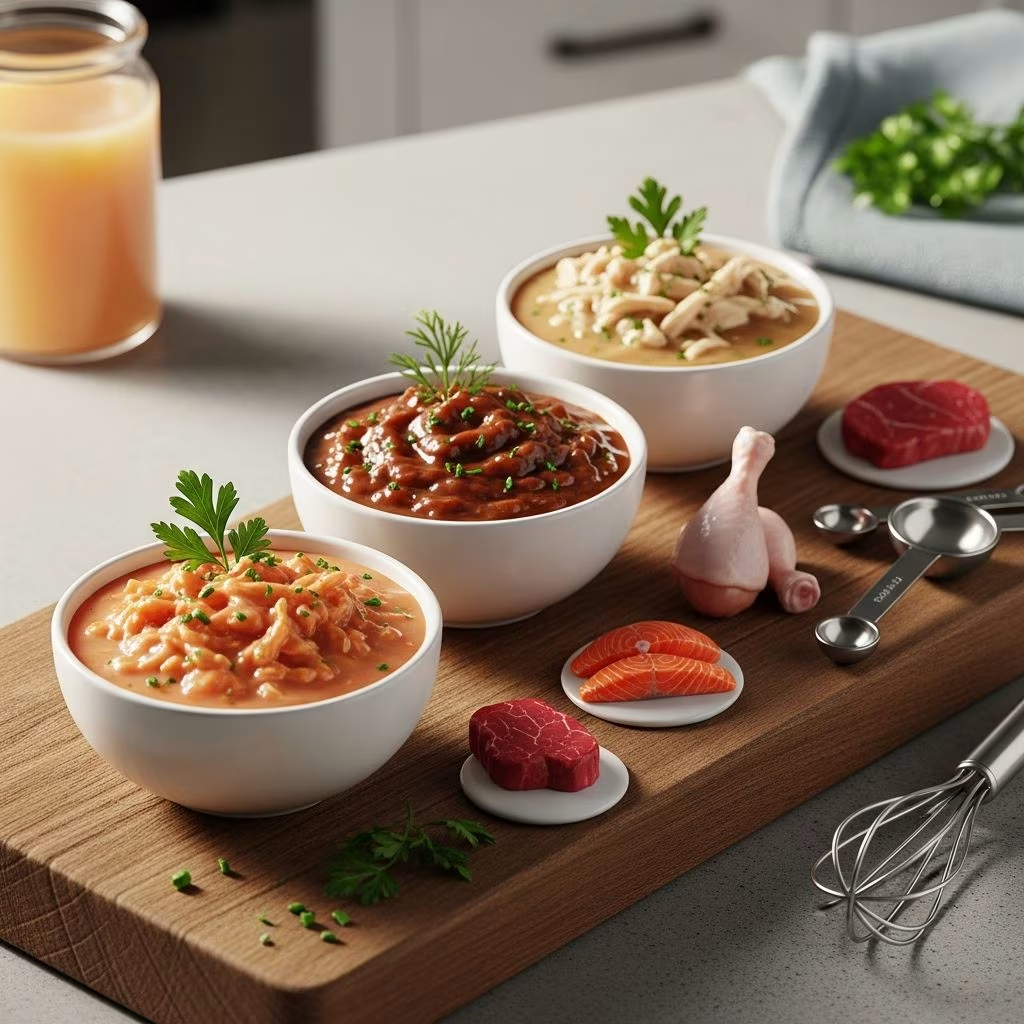
Understanding Cat Gravy and Its Benefits
Cats are obligate carnivores, meaning they require nutrients found exclusively in animal products to maintain optimal health. This includes animal protein and fat, which are essential components of their diet. However, many cat owners find that reliable kibble alone may not be sufficient to entice their feline companions to eat consistently, especially for picky eaters. This is where homemade cat gravy comes into play as a valuable dietary supplement.
Cat gravy serves multiple purposes beyond simply making food taste better. When prepared correctly with high-quality ingredients, gravy can provide your cat with additional hydration, which is particularly important since many cats do not drink enough water throughout the day. The addition of gravy to dry kibble can also improve the overall eating experience by making the texture more appealing and easier to consume.
While it can be challenging to create a fully balanced homemade diet for cats that meets all their nutritional requirements for protein, fat, vitamins, and minerals, you can safely offer your cat homemade gravy as an occasional topper on their regular complete and balanced commercial food. This approach provides the benefits of home-prepared ingredients without the risk of nutritional imbalance that could occur if gravy became the primary food source.
Why Your Cat Loves Gravy
If you have ever watched your cat lick all the gravy off their food while leaving the rest untouched, you already know how appealing this sauce is to felines. The savory, protein-rich nature of properly made cat gravy taps into their natural carnivorous instincts and preferences. The aroma and flavor compounds released during the cooking process make the gravy particularly enticing.
Beyond taste preferences, gravy can enhance the nutritional profile of your cat’s meals when made with appropriate ingredients. Gravies made with animal proteins and proper thickening agents can contribute collagen and other beneficial compounds that support bone health and overall wellness. Additionally, the moisture content in gravy helps address a common concern among cat owners: insufficient hydration in their pets’ diets.
Safety Considerations for Cat Gravy
Yes, it is generally safe to give your cat gravy as a food topper, provided the gravy does not contain toxic ingredients. However, individual cats may have different preferences and tolerances for various ingredients, so it is important to introduce new foods gradually and observe your cat’s response.
One critical safety rule is to avoid exceeding 10% of your cat’s daily caloric intake with supplements or treats, including homemade gravies. These foods are not nutritionally complete on their own, and overfeeding them can disrupt the balance of nutrients your cat receives from their primary diet. Always ensure that gravy remains a supplement rather than a primary food source.
When making homemade cat gravy, completely avoid ingredients that are toxic to cats, including onion, garlic, salt in excess, and artificial seasonings. These ingredients can cause serious health problems ranging from digestive upset to organ damage. Always prepare cat gravy with plain, unseasoned ingredients designed specifically for feline consumption.
Key Ingredients for Healthy Cat Gravy
Creating nutritious cat gravy begins with selecting appropriate ingredients from three main categories: protein sources, broths, and thickeners.
Animal Protein Sources
The foundation of any quality cat gravy should be high-quality animal proteins. Recommended options include:
- Chicken (high in protein and the easiest option to cook and blend)
- Beef
- Pork
- Fish and seafood, such as mackerel, tuna, salmon, shrimp, and sardines
- Organ meats including liver, heart, and gizzard (particularly nutritious)
These protein sources provide essential amino acids that support your cat’s muscle development, immune function, and overall health. Organ meats are particularly valuable as they are nutrient-dense and provide concentrated vitamins and minerals.
Broths and Liquid Bases
Quality broths form the liquid base of your cat gravy and contribute both flavor and hydration benefits. The best options include:
- Unseasoned chicken broth (ensure it contains no onion or garlic)
- Unseasoned beef broth
- Bone broth (ideally made without seasonings)
When selecting commercial broths, always verify that they contain no added salt, onion, garlic, or artificial seasonings. Some cat owners prefer making their own broth to ensure complete control over ingredients and avoid any potentially harmful additives.
Safe Thickening Agents
To achieve the proper gravy consistency, you will need appropriate thickening agents. According to veterinary experts, the safest and most nutritious approach is to use the cooked meat itself. By blending a portion of the boiled meat with the hot stock, you create a smooth, thick purée that is protein-dense and biologically appropriate for cats.
If you prefer alternative thickeners used sparingly, safe options include:
- Plain flour (in minimal amounts)
- Corn starch (in minimal amounts)
- Gelatin (unflavored)
- Tapioca (in minimal amounts)
Other veterinary-approved options include whisking a raw egg yolk from in-shell pasteurized eggs into warm stock (being careful not to scramble it), or adding a tiny amount of plain, unsweetened puréed pumpkin or sweet potato for binding. These alternatives provide both texture and gentle digestive support.
Optional Vegetable Additions
While cats are obligate carnivores and do not require vegetables, small amounts of cat-safe vegetables can contribute vitamins and fiber. Suitable options include carrots, which can be boiled and blended into the gravy. However, vegetables should remain minimal components of the overall recipe, used more as supplements than primary ingredients.
What to Avoid in Cat Gravy
Many commercial brands add excessive grains to their cat food products. While grains can provide vitamins, minerals, and fiber for humans, they can cause digestive problems in sensitive cats. When making homemade gravy, it is best to keep recipes grain-free and hypoallergenic to ensure compatibility with your cat’s sensitive digestive system.
Never include the following in homemade cat gravy:
- Onion or garlic (toxic to cats)
- Excessive salt
- Artificial seasonings or spices
- Excessive grains (if your cat has sensitivities)
- High fat content (though some fat is necessary)
- Added sweeteners or sweetening agents
The composition of your gravy directly impacts whether your cat will benefit from it. Consider factors such as how seasoned the sauce is, whether it contains necessary enzymes and nutrients, the fat content level, the specific ingredients used, and portion sizes before feeding.
Recipe 1: Basic Chicken Gravy for Cats
This straightforward recipe provides excellent nutrition and hydration for your cat and can be prepared in approximately 1 hour and 35 minutes.
| Prep Time | Cook Time | Total Time |
|---|---|---|
| 5 minutes | 1 hour 30 minutes | 1 hour 35 minutes |
Equipment Needed
- Stockpot with lid or slow cooker
- Strainer
- Storage container
Ingredients
- 1 cup chicken meat
- 2 cups chicken broth (no onion or garlic)
- 2 cups water
Instructions
- Chop chicken into small, manageable pieces
- Boil chicken in a pot with 2 cups of water
- Add 2 cups of unseasoned chicken broth
- Stir the gravy frequently for approximately one hour until it reaches the desired consistency
- Allow the gravy to cool completely before serving
- Strain the mixture if you prefer a smoother gravy, or leave the chicken pieces in for added texture
- Divide gravy into two portions for storage
- Add ½ of one portion to your cat’s food at mealtime
This recipe is versatile and can be adapted with different types of meat if your cat prefers beef, pork, or fish. The basic cooking method remains consistent regardless of protein choice.
Recipe 2: Nutrient-Rich Vitamin Bomb Cat Gravy
If you are looking for an exceptionally nutritious gravy that maximizes vitamin and mineral content, this recipe is an excellent choice. Organ meats provide concentrated nutrients that support your cat’s overall health and vitality.
Instructions
- Place chicken gizzard, heart, and liver in a pot and fill with water
- Boil the organs until they become tender (approximately 30-45 minutes)
- Remove the cooked organs and chop them into small pieces while retaining the broth in the pot
- In a saucepan, heat at low temperature
- Add the broth, chopped organ meat, a small amount of flour for thickening if desired, and a minimal amount of salt
- Cook the mixture at low temperature, stirring occasionally
- Use a blender to create a puree or leave small chunks of meat in the gravy depending on your cat’s preference
- Allow to cool before serving
The organ meats in this recipe are nutritional powerhouses, containing high levels of vitamins A, B vitamins, iron, and other essential micronutrients. This gravy is particularly beneficial for cats that may have nutritional deficiencies or require additional nutritional support.
Recipe 3: Easy Chicken and Carrot Gravy for Cats
This simple recipe combines the ease of preparation with nutritional benefits. It is one of the quickest homemade gravy options, requiring only 40 minutes from start to finish.
| Prep Time | Cook Time | Total Time |
|---|---|---|
| 10 minutes | 30 minutes | 40 minutes |
Equipment Needed
- Pot for boiling
- Blender
- Storage container
Ingredients
- 5-6 oz chicken breast (approximately one medium breast)
- 1 medium carrot
- 1 cup chicken broth (unseasoned, no onion or garlic)
Instructions
- Cook and cool 1 cup of chicken broth to room temperature
- Chop and boil one chicken breast for 30 minutes, then allow it to cool completely
- Cut one medium carrot, boil for five minutes, then leave to cool
- Place the cooled chicken breast and carrot pieces into a blender
- Begin blending and gradually add the cooled chicken broth until you achieve a gravy-like consistency
- Blend until the mixture is smooth or contains small pieces, depending on preference
- Store in an airtight container in the refrigerator
This recipe is straightforward and just as effective and nutritious as the more complex recipes. The carrot addition provides fiber and additional vitamins while contributing natural sweetness that cats often enjoy.
Serving and Storage Guidelines
Proper serving and storage of homemade cat gravy ensures both safety and maximum nutritional benefit. Add approximately ½ of one prepared portion to your cat’s food at mealtime. This amount provides supplementation without overwhelming their regular diet or exceeding the recommended 10% threshold for treats and supplements.
Homemade cat gravy should be stored in airtight containers in the refrigerator and used within three to four days. For longer storage, you can freeze gravy in ice cube trays, which provides convenient portion-sized servings that can be thawed as needed. Never reuse gravy that has been left out at room temperature for more than two hours.
Frequently Asked Questions
Q: Can I feed my cat only homemade gravy without commercial food?
A: No. These gravy recipes are designed only as toppers or supplements for cats eating a complete and balanced commercial diet. They are not meant to serve as your cat’s primary food source, as they do not contain all necessary vitamins, minerals, and taurine in appropriate amounts. Feeding your cat only homemade gravy without proper nutritional supplementation could lead to serious nutritional deficiencies.
Q: How much gravy should I give my cat daily?
A: The general rule is not to exceed 10% of your cat’s daily caloric intake with supplements or treats, including homemade gravies. Start with approximately ½ of one prepared portion mixed into their regular food, then adjust based on your cat’s response and overall caloric intake.
Q: What is the safest thickener for cat gravy?
A: The best and safest cat-friendly thickener is to use the cooked meat itself by blending a portion of the boiled meat with the hot stock until it forms a smooth, thick purée. This creates a protein-dense, biologically appropriate gravy. Other safe options used sparingly include whisking a raw egg yolk from pasteurized eggs into warm stock or adding a tiny amount of plain, unsweetened puréed pumpkin or sweet potato.
Q: Can I use store-bought broth for homemade cat gravy?
A: Yes, you can use store-bought broth, but you must verify that it contains absolutely no onion, garlic, or excessive salt, as these ingredients are toxic or harmful to cats. Always read ingredient labels carefully. Many commercial broths contain these unsafe additives, so it is often safer to prepare your own broth at home where you can control all ingredients.
Q: How often can I give my cat homemade gravy?
A: Homemade gravy can be offered daily as long as it remains within the 10% supplemental calories limit. However, if your cat has a sensitive digestive system or develops any adverse reactions, reduce frequency or discontinue use and consult your veterinarian.
Q: Will homemade gravy help my picky eater?
A: Yes, homemade gravy can be an excellent tool for encouraging picky eaters to consume their regular food. The enhanced aroma, flavor, and improved texture often make meals more appealing to cats that are reluctant to eat.
Q: Can I make vegetable gravy for my cat?
A: While cats are obligate carnivores and do not require vegetables, small amounts of cat-safe vegetables like carrots can be included in gravy recipes for additional vitamins and fiber. However, vegetables should remain minimal components, with protein and broth forming the primary ingredients.
References
- 3 Homemade Cat Gravy Recipes: Vet Approved Healthy Options — Catster. 2025. https://www.catster.com/nutrition/gravy-recipes-for-cats/



