

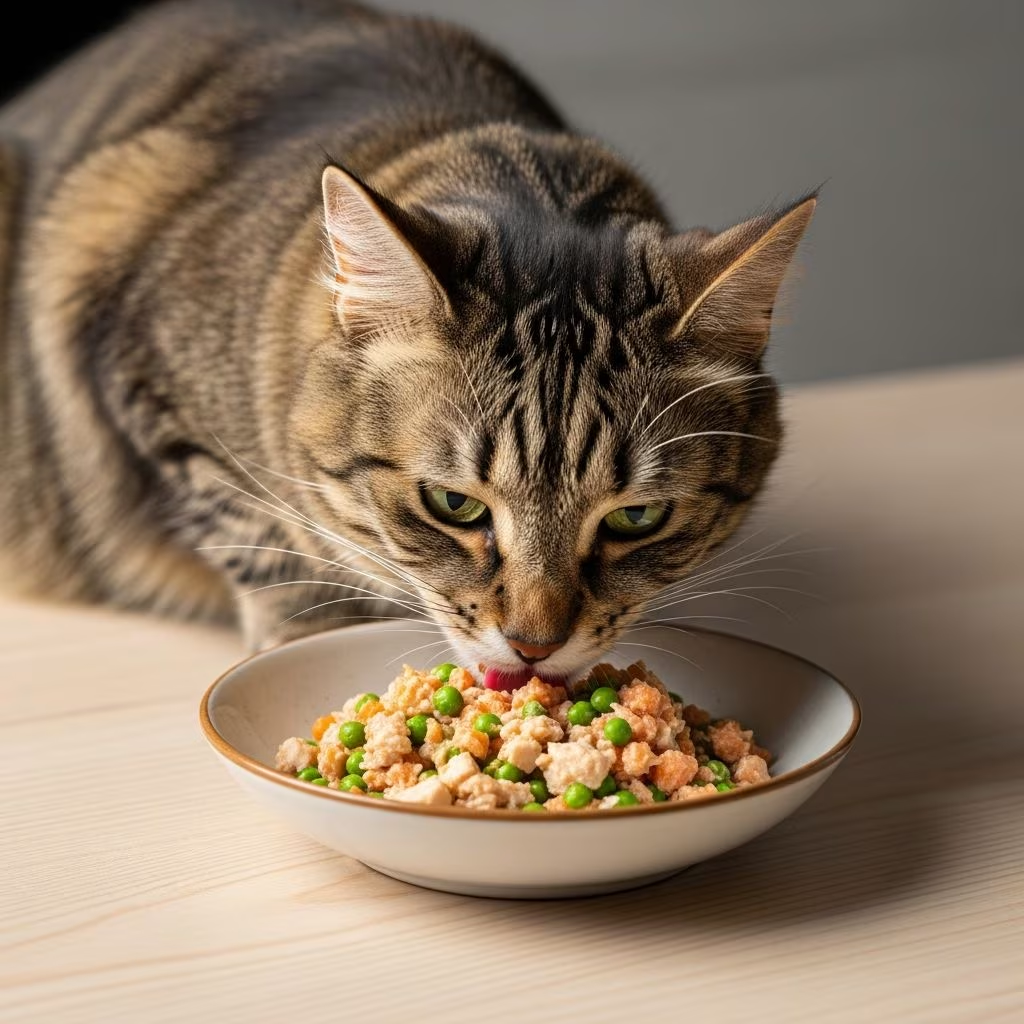
6 Homemade Cat Food Recipes for Senior Cats
As our feline companions age, their nutritional needs change significantly. Senior cats require diets that support kidney function, digestive health, and maintain a healthy weight for their more sedentary lifestyles. While the commercial pet food market offers numerous options, many cat owners prefer the control and quality that comes with preparing homemade meals. A nutritionally balanced diet made up of high-quality ingredients is vital to a long and healthy life for your elderly feline. However, with so many types of senior cat food on the market, determining which option fits your cat’s specific dietary restrictions can be challenging. The answer lies in extensive research and consulting with your veterinarian. Creating homemade cat food recipes offers an excellent alternative that allows you to control ingredients and ensure your senior cat receives optimal nutrition.
The following recipes provide great inspiration for creating healthy homemade meals for your geriatric feline. However, it’s important to note that these recipes should be given only once or twice a week as special treats, unless otherwise directed by your veterinarian. Always consult with your vet before making significant dietary changes, especially if your senior cat has existing health conditions.
Understanding Senior Cat Nutritional Needs
Senior cats, typically those over six years of age, have unique nutritional requirements that differ from younger adults. As cats age, their metabolism slows, activity levels decrease, and they become more prone to health issues such as kidney disease, arthritis, and digestive sensitivities. High-quality protein remains essential to maintain muscle mass, while fat content should be carefully controlled to prevent obesity. Senior cats also benefit from increased fiber to support digestive health and kidney-friendly phosphorus levels to protect aging kidneys.
When preparing homemade cat food, you have the advantage of using quality, human-grade proteins that may be superior to some commercial alternatives. You can also add additional hydration through bone broth or water, which is particularly beneficial for senior cats who may not drink enough water naturally. Including supplements approved by your veterinarian can further support kidney function and digestive health in aging felines.
1. Chicken & Tuna Senior Cat Food
This recipe is arguably the easiest homemade senior cat food option available, requiring just three simple ingredients that deliver excellent nutrition for your elderly kitty. The combination of chicken and tuna provides high-quality protein, while the sweet potato or pumpkin addition offers fiber to support digestive regularity. This recipe is particularly suitable for senior cats because it’s low in fat, accommodating their more sedentary lifestyles.
Equipment Needed
- Blender or food processor
- Storage container
Ingredients
- 1/2 cup chicken breast (plain) cooked
- 1/2 can tuna in springwater with oil
- 1 tbsp cooked sweet potato or pumpkin
Instructions
- Cut the chicken into bite-sized pieces
- Combine with the tuna and vegetable, and serve immediately
- If your elderly cat struggles with eating chunks, combine all three ingredients in a blender or food processor to create a paté consistency that’s easier to consume
- Store leftovers in the refrigerator for up to three days or freeze for up to three weeks
This recipe’s simplicity makes it perfect for busy cat owners while still providing comprehensive nutrition. The pairing of chicken and tuna ensures your senior cat receives essential amino acids necessary for maintaining muscle mass during their golden years.
2. Tuna Patties
This easy-to-assemble recipe includes just four ingredients that will keep your senior cat both intrigued and satisfied. One of the best aspects of this recipe is that it’s ready in a whopping 15 minutes, allowing you to whip up this meal for your feline companion in a jiffy. The recipe yields six patties and, depending on your cat’s feeding schedule, will last two or three days in the refrigerator.
The convenience factor is another major advantage of this recipe. All ingredients are simple enough to stockpile in your pantry, ensuring you always have what you need on hand. When choosing canned products, make sure to select options free of any additives or preservatives that could upset your senior cat’s digestive system. The patty format also makes portion control easier and allows you to freeze individual servings for later use.
3. Supplemented Chicken Cat Food
This recipe requires more commitment from you, taking approximately one hour to prepare, but it includes several supplements that senior cats may significantly benefit from. The addition of carefully selected vitamins and minerals addresses specific health concerns common in aging felines, particularly supporting kidney function and overall vitality.
Before supplementing your feline with any vitamins included in this recipe, it is crucial that you receive explicit approval from your veterinarian. Different senior cats have different needs based on their health status, existing conditions, and individual biochemistry. Your vet can recommend specific supplements and appropriate dosages for your cat’s unique situation. Once you have the green light from your veterinary professional, you can proceed with this hearty senior cat food recipe, knowing you’re providing targeted nutritional support for your aging companion’s health needs.
4. Mackerel Recipe for Senior Cats
Fish is an excellent source of fatty yet nutritional oils that cats require for optimal health. While tuna often comes to mind first when thinking of fish for cats, mackerel is actually a much healthier option for senior felines. This recipe would be a great treat for a senior cat once or twice a week to ensure they receive an adequate supply of the healthy fats that mackerel provides.
The omega-3 fatty acids found in mackerel support cognitive function, reduce inflammation, and promote healthy skin and coat—all important considerations for aging cats. If your cat enjoys variety or if mackerel becomes difficult to source, sardines serve as another excellent alternative. Both options provide superior nutritional benefits compared to other canned fish products and can be rotated into your senior cat’s diet to prevent boredom while maintaining nutritional excellence.
5. Homemade Chicken Cat Food
This recipe is an excellent option if your senior cat also has a sensitive tummy. The recipe is simple, cooked thoroughly for easy digestion, and sure to be a favorite of your mature feline. With only four natural ingredients and no additives, this recipe is easily digestible and designed with sensitive digestive systems in mind.
The simplicity of this recipe makes it ideal for cats with food sensitivities or those recovering from digestive issues. Each ingredient is carefully selected for its digestibility and nutritional value. The straightforward preparation method ensures that nothing is added that could irritate your senior cat’s stomach, making it particularly suitable for cats with a history of gastrointestinal problems or dietary sensitivities.
6. Homemade Beef Cat Food
This recipe is another great option for senior cats with sensitivities and dietary restrictions. The limited ingredient list, combined with all-natural components and simple preparation methods, makes this recipe one for the record books. Beef provides an alternative protein source for cats that may have developed sensitivities to poultry or fish, while maintaining the high protein content essential for senior cats.
The straightforward approach to preparation means less processing and fewer opportunities for digestive upset. When selecting beef for this recipe, choose high-quality cuts that are free from additives and preservatives. The simplicity of this recipe also makes it an excellent option for introducing variety into your senior cat’s diet without overwhelming their digestive system.
Key Considerations When Preparing Homemade Senior Cat Food
Quality Ingredients
Always use high-quality, human-grade proteins as the foundation of your homemade cat food recipes. Whether you choose chicken, beef, fish, or other proteins, ensure they are fresh, properly cooked, and free from any harmful additives or seasonings. The quality of ingredients directly impacts your senior cat’s health and longevity.
Proper Storage
Most homemade cat food recipes can be refrigerated for three to five days or frozen for up to three weeks. Proper storage ensures food safety and prevents bacterial growth. Use airtight containers and label everything with preparation dates. When reheating frozen portions, ensure food reaches appropriate temperatures and cools to room temperature before serving.
Veterinary Approval
Before implementing any new diet, especially for senior cats with existing health conditions, consult your veterinarian. Your vet can review recipes, ensure they meet your cat’s specific nutritional needs, recommend appropriate supplements, and monitor your cat’s health as they transition to homemade food.
Gradual Transitions
When switching from commercial to homemade food, introduce the new diet gradually over seven to ten days. Start by mixing small amounts of homemade food with their current diet, gradually increasing the proportion until they’re eating entirely homemade meals. This gradual transition helps prevent digestive upset.
Frequently Asked Questions
Q: At what age is a cat considered a senior?
A: Cats are generally considered senior at seven years of age, though some veterinarians classify cats as senior starting at six years old. At this age, cats benefit from dietary adjustments that support kidney health, digestive function, and overall wellness during their golden years.
Q: Can I use raw ingredients in homemade cat food?
A: While some pet owners practice raw feeding, veterinarians generally recommend cooking ingredients for senior cats to reduce bacterial contamination risks and improve digestibility. Cooked food is safer, especially for aging cats with potentially compromised immune systems.
Q: How often should I feed these homemade recipes?
A: These recipes should be served once or twice weekly as special treats, unless your veterinarian specifically recommends otherwise. They can supplement commercial senior cat food or be rotated with other approved recipes to provide dietary variety.
Q: What supplements are safe for senior cats?
A: Never supplement your cat’s diet without veterinary approval. Your vet can recommend appropriate supplements based on your cat’s health status, existing conditions, and individual needs. Common supplements for senior cats include omega-3 fatty acids, joint support compounds, and digestive enzymes.
Q: How do I know if my senior cat is getting adequate nutrition?
A: Monitor your cat’s weight, coat condition, energy levels, and litter box habits. Regular veterinary check-ups, including blood work, help ensure your senior cat is receiving appropriate nutrition. Your vet can identify deficiencies early and recommend dietary adjustments.
Q: Can I freeze homemade cat food?
A: Yes, most homemade cat food recipes can be frozen for up to three weeks in airtight containers. Frozen food should be thawed in the refrigerator and warmed to room temperature before serving to your senior cat.
Conclusion
Creating homemade food for your senior cat offers numerous advantages, including control over ingredient quality, ability to address specific dietary needs, and the satisfaction of knowing exactly what your aging companion is consuming. Whether you choose the simple three-ingredient Chicken & Tuna recipe or the more involved Supplemented Chicken option, each recipe provides nutritious support for your elderly feline’s health and wellness during their golden years. Remember to consult with your veterinarian before making dietary changes, introduce new foods gradually, and monitor your cat’s response carefully. By combining homemade recipes with professional veterinary guidance, you can ensure your senior cat receives the optimal nutrition needed to enjoy a comfortable, healthy, and happy life in their senior years.
References
- 6 Homemade Cat Food Recipes for Senior Cats (With Pictures) — Catster. 2024. https://www.catster.com/nutrition/homemade-cat-food-recipes-for-senior-cats/
- Senior Cat Food Recipe: Your Cat will LOVE it! — Holistic Vet. September 13, 2022. https://www.youtube.com/watch?v=p4lQ12UF4bg
- 5 Homemade Cat Food Recipes (Vet Reviewed & Approved) — Cats.com. 2024. https://cats.com/homemade-cat-food-recipes
- Recipe: Homemade Food for Senior Cats — Top Dog Tips. November 1, 2023. https://www.youtube.com/watch?v=ZamE9gbM8dY
- Homemade Cat Food Recipe For Senior Cats — Vetsark. 2024. https://vetsark.com/blog/homemade-cat-food-recipe-for-senior-cats-209



