

Many cat owners face the challenge of felines retreating under beds as their preferred hiding spots. While this behavior is completely natural for cats seeking refuge and security, it can present practical problems for household management and pet safety. Whether your cat hides due to stress, curiosity, or simply because it feels like a cozy den, blocking access becomes necessary in certain situations. The good news is that creating barriers to prevent this behavior doesn’t require expensive commercial solutions—many effective options can be crafted using materials you likely already have at home or can easily obtain.
Understanding why cats love under-bed spaces and learning practical methods to discourage this habit allows you to maintain a safe, manageable living environment while still respecting your pet’s natural instincts. This guide explores multiple approaches ranging from simple to more elaborate, giving you flexibility based on your budget, available materials, and aesthetic preferences.
Understanding Why Cats Love Under-Bed Spaces
Before implementing barriers, it’s helpful to understand the feline attraction to under-bed areas. Cats naturally seek enclosed, elevated spaces that provide security and a vantage point for observing their surroundings. Under-bed locations offer darkness, shelter from household activity, and a sense of control over their environment. These spaces feel inherently safe to cats, which is why they gravitate toward them instinctively.
The problem arises when this hiding habit becomes problematic. In emergencies requiring rapid evacuation, cats hidden under beds become difficult or impossible to retrieve quickly. Additionally, cats under beds may chew on electrical wires, damage box springs, or knock over stored items, creating safety hazards. Understanding this natural behavior is crucial because it means you’ll need to offer alternative hiding spots after implementing barriers—simply blocking access without providing alternatives can cause stress and anxiety for your pet.
Simple Material-Based Solutions for Blocking Access
Stacked Books and Weighted Objects
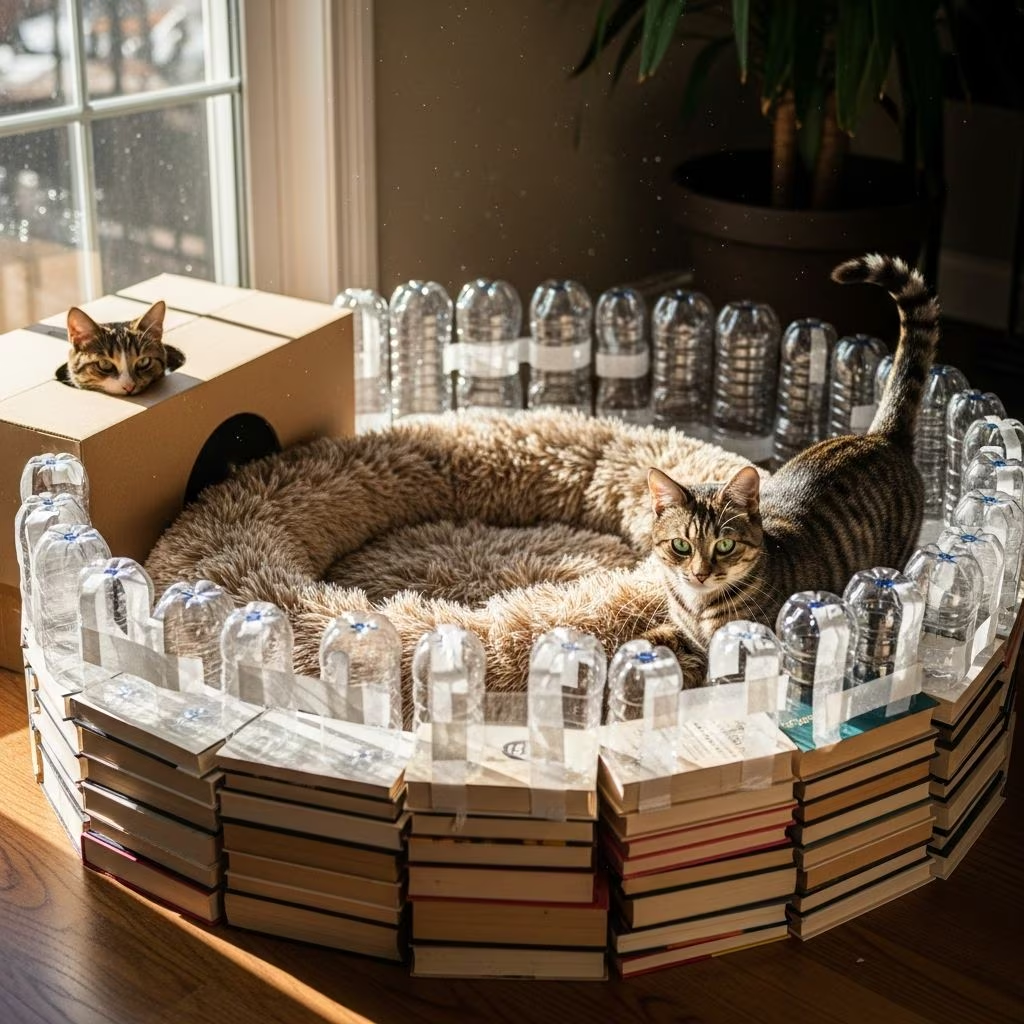
One of the easiest approaches requires no tools or special materials. Gather your heaviest, thickest books—preferably ones you don’t frequently reference—and arrange them in stacks along the perimeter of your bed frame. This method works best when you create continuous stacks that form a barrier too high or awkward for cats to navigate. The beauty of this solution lies in its simplicity and reversibility. If you decide to change your approach, simply remove the books. However, this method may not be the most aesthetically pleasing and requires periodic checking to ensure stacks remain stable.
Pipe Insulation and Pool Noodles
Foam pipe insulation, typically used for protecting plumbing in colder climates, provides an inexpensive and effective barrier material. You can also substitute pool noodles for a similar effect. This approach requires minimal tools and effort. Measure the perimeter of your bed frame where access exists, cut the insulation to appropriate lengths, and secure it to bed legs using cable ties or zip ties. The foam material creates a barrier that cats find difficult to squeeze through while remaining lightweight and easy to install or adjust. If a single layer proves insufficient, simply double up the insulation to create additional height and density.
Mesh and Cable Tie Method
For a budget-conscious solution that requires minimal setup, mesh combined with cable ties offers surprisingly effective results. Begin with rolled mesh material—available at hardware stores—and cable ties for securing. Measure around your bed frame to determine the length needed, then methodically wrap the mesh around the base of the bed, securing it to each leg with cable ties as you progress. This approach allows you to work from the floor without moving or lifting the bed itself, making it accessible for most people. The mesh remains partially see-through, which some owners find less obtrusive than solid barriers.
Storage-Based Blocking Solutions
Cardboard Storage Containers Under the Bed
If you need under-bed storage anyway, consolidating storage boxes as a blocking mechanism serves double duty. Sturdy storage containers placed sequentially along the bed frame create an effective barrier while providing functional organization space. Select containers sized appropriately for your bed dimensions, measuring carefully to ensure they fit properly. Clear containers allow you to see contents without opening them, while opaque options maintain a cleaner aesthetic. This solution works particularly well because it transforms the blocking system into a functional furniture piece rather than just an obstacle.
Upcycled Dresser Drawers
Rather than purchasing new storage solutions, consider repurposing old dresser drawers underneath your bed. If you have salvaged or thrifted drawers available, this approach provides storage capacity while completely blocking under-bed access. Mount or place the drawers beneath your bed frame—typically on the sides where cats naturally attempt entry. Paint or refinish the drawers to match your room’s décor, giving the arrangement a purposeful, intentional appearance. This method eliminates the “blocking” feel, instead making the space look like a deliberate design choice that also enhances your bedroom functionality.
Rigid Barrier Solutions for Durability and Aesthetics
Plexiglass Barriers
For a more permanent and visually refined solution, plexiglass offers superior durability and a cleaner appearance than many other options. Measure your bed frame’s perimeter carefully before purchasing plexiglass sheets. Many retailers will cut plexiglass to your specifications, eliminating the need for cutting tools at home. Secure the plexiglass panels to your bed frame using gel-based double-sided tape specifically designed for plastic materials. This creates a transparent or semi-transparent barrier that allows visibility while completely preventing under-bed access. While slightly more expensive than basic solutions, plexiglass provides a professional appearance that many owners prefer for visible bedroom spaces.
Chicken Wire and Frame Systems
Though less aesthetically refined than some alternatives, chicken wire stretched around bed legs creates a functional barrier. This approach requires securing the wire tightly to prevent gaps through which determined cats might squeeze. While effective, chicken wire presents a more industrial appearance that may not complement all bedroom designs. However, it remains an option if appearance is less important than function and budget constraints are significant.
Comprehensive Comparison of DIY Methods
| Method | Cost Level | Installation Difficulty | Aesthetic Appeal | Durability |
|---|---|---|---|---|
| Stacked Books | Free to Low | Very Easy | Fair | Moderate |
| Pipe Insulation/Pool Noodles | Low | Easy | Good | Good |
| Mesh and Cable Ties | Low | Easy | Fair | Good |
| Cardboard Storage Containers | Low to Moderate | Easy | Good | Fair to Good |
| Dresser Drawers | Low (if upcycled) | Moderate | Excellent | Excellent |
| Plexiglass Panels | Moderate | Easy | Excellent | Excellent |
| Chicken Wire | Low | Moderate | Fair | Good |
Creating Accessible Alternatives for Your Cat
After implementing any blocking solution, providing alternative hiding spaces becomes essential. Cats have genuine needs for secure, enclosed spaces where they feel safe and in control. Without appropriate alternatives, blocking under-bed access can generate stress and anxiety in your pet. Consider these options:
- Covered cat beds designed to create enclosed sleeping spaces
- Cardboard boxes placed in quiet corners of your home
- Cat caves—specialized enclosed beds that mimic den-like environments
- Window perches that provide elevated observation points
- Closet shelves accessed via ramps or stairs
- Fabric tunnels and tents designed for cat play and security
The key is offering multiple options in different locations throughout your home, allowing your cat to choose their preferred refuge based on their mood and needs. Some cats prefer elevated spaces, while others prefer ground-level enclosed areas. Providing variety ensures your cat maintains their sense of security even without under-bed access.
Implementation Tips and Best Practices
Successful barrier installation involves several important considerations. First, ensure any blocking material is secure and won’t shift when cats push against it or when you move around your room. Loose barriers lose effectiveness quickly as cats test their strength and find weak points.
Second, maintain some gaps if your cat occasionally goes under the bed legitimately. Some owners prefer blocking most access while leaving a small section open—perhaps twelve inches wide—allowing emergency retrieval while still discouraging regular under-bed lounging. This compromise approach works well for cats accustomed to that space.
Third, ensure no sharp edges or dangerous materials are exposed. If using chicken wire, plexiglass, or other potentially hazardous materials, confirm that edges are properly finished or covered so your cat cannot injure themselves.
Finally, give your cat time to adjust to changes. Cats appreciate consistency and may protest blocked access initially. Introducing new hiding alternatives simultaneously helps ease the transition and redirects their instinctive seeking behavior toward acceptable spaces.
Addressing Common Challenges
Carpeted Floors: Some commercial barriers don’t work effectively on carpeted surfaces. When using DIY solutions, ensure barriers sit firmly against carpeting without leaving gaps. Cable ties securing to bed legs work particularly well on carpet since they rely on the frame rather than floor contact.
Bed Frame Compatibility: Different bed frame designs—platform beds, beds with legs, waterbed frames—require slightly different approaches. Measure your specific frame type carefully and test barriers before fully committing to ensure proper fit.
Multiple Cats: If you have multiple cats with varying personalities, some may accept blocked access more readily than others. Introduce barriers gradually and monitor all cats’ responses, adjusting solutions if particular cats show signs of excessive stress.
When to Consider Professional Solutions
While DIY options work excellently for most situations, some owners prefer purchasing commercial under-bed blockers. These pre-manufactured solutions offer consistent sizing, professional appearance, and guaranteed effectiveness. However, they typically cost more than homemade alternatives and may require specific bed dimensions to fit properly. DIY approaches remain superior for owners with non-standard bed sizes, limited budgets, or creative preferences.
Long-Term Maintenance and Adjustments
Regardless of which blocking method you choose, periodic maintenance ensures continued effectiveness. Check barriers monthly for damage, loose connections, or shifting materials. Cats persistently test barriers, and worn materials may eventually require replacement. Additionally, as your cat ages or behavioral patterns change, you may need to adjust your blocking system. Some cats become less interested in under-bed spaces over time, allowing you to remove barriers eventually.
Creating effective under-bed barriers doesn’t require expensive purchases or complex construction. By exploring these diverse DIY approaches, you can select a solution matching your specific needs, budget, and aesthetic preferences while keeping your feline companion safe and secure within your home.
References
- How To Keep Your Cat From Going Under the Bed — Ingrid King. 2023-03-14. https://ingridking.com/2023/03/14/how-to-keep-your-cat-from-going-under-the-bed-and-why-you-should/
- 8 DIY Under Bed Blockers for Cats You Can Make Today — Catster. 2024. https://www.catster.com/lifestyle/diy-under-bed-blockers-for-cats/
- My Cat Hides Under the Bed All Day: How to Make Your Cat Feel Safe — Tallyta. YouTube. https://www.youtube.com/watch?v=nZRu8zlRTi0



