

Home Treatments for Hot Spots on Dogs: A Complete Guide
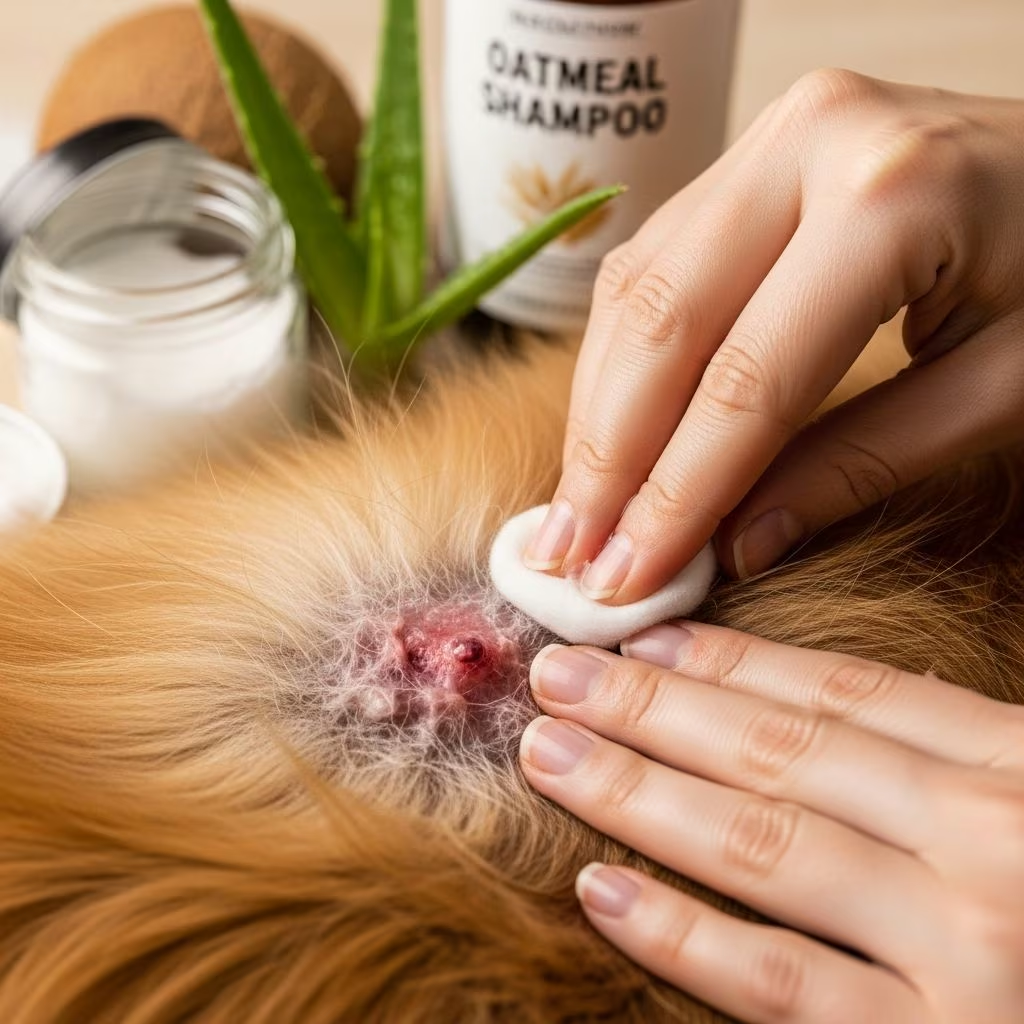
Hot spots, medically known as moist dermatitis, are painful, inflamed areas of skin that develop rapidly on dogs. These lesions can appear seemingly overnight, often caused by excessive licking, scratching, or chewing at the skin. When a dog repeatedly traumatises the skin through these behaviours, bacteria can penetrate the damaged area, leading to infection. Pus begins to ooze from the infected skin, and as it dries, a crust forms along with noticeable hair loss over the affected area. Understanding how to treat hot spots at home can help you provide relief to your dog and potentially prevent the condition from worsening.
What Causes Hot Spots on Dogs?
Hot spots develop through a cascade of events, typically beginning with excessive licking, scratching, or chewing. This traumatic behaviour damages the skin barrier, allowing bacteria to invade. The process is particularly painful for dogs, and they will often display signs of discomfort when the area is touched. Common triggers include allergies, fleas, mats in the coat, moisture retention, and underlying skin conditions. Identifying and addressing the root cause is essential for preventing recurrence, as treating only the surface lesion without resolving the underlying trigger will likely result in the hot spot returning.
When to Start Home Treatment
Home treatment for hot spots is appropriate only under specific conditions. If your dog’s hot spot is small, non-painful, recognised early, and uncomplicated, you may begin treatment at home using over-the-counter products such as topical sprays, medicated shampoos, and herbal therapies. However, it is crucial to ensure that you are using pet-safe products specifically formulated for dogs. Always consult your veterinarian before starting any home treatment to receive approval and guidance.
If the hot spot shows signs of deeper infection, accompanied by significant pain, spreading redness, or has persisted for more than a few days, professional veterinary care is necessary. Your vet may prescribe oral pain medications, anti-inflammatory medications, and oral antibiotics in addition to topical treatments.
Important Safety Considerations
When treating hot spots at home, safety must be your top priority. Never use human topical products on your dog’s skin, as many contain ingredients that are toxic to dogs when licked and ingested. For example, zinc oxide, commonly found in human skin ointments, can be toxic for dogs. Always verify that any product you use is specifically formulated for pets and has been approved by your veterinarian.
Step-by-Step Home Treatment Guide
1. Clip the Affected Area
If the area is small and non-painful, carefully and gently clip the fur covering the hot spot. This allows air and medication to reach the wound directly. Use approved grooming clippers specifically designed for pet grooming—never use scissors, as many accidental lacerations occur in veterinary surgeries due to improper scissor use. Removing matted or moist fur is essential for allowing the skin to breathe and heal properly.
2. Clean the Area Thoroughly
After clipping, gently clean the area with warm water and iodine, or a diluted chlorhexidine solution. This antimicrobial cleaning removes bacteria and prepares the wound for topical treatment. Some sources recommend using cool water instead of warm for initial cleaning, particularly if the area is inflamed, as cool water can help reduce swelling and inflammation. Pat the area dry thoroughly, as moisture is a key factor in worsening hot spots.
3. Apply Warm, Moist Compresses
Apply a warm, moist compress to the area three times daily for five to 10 minutes to keep the area clean, calm the tissues, and encourage good circulation. This soothing step can significantly reduce discomfort and inflammation. Allow the area to fully dry before applying any topical treatments.
4. Prevent Licking and Scratching
One of the most important steps in home treatment is preventing your dog from continuing to traumatise the area. Fit your dog with an Elizabethan collar (often called a cone) or a soft recovery collar to prevent licking and scratching. While dogs may not enjoy wearing a cone, it is essential for allowing the hot spot to heal without further damage. Without this protection, even the best topical treatments may be ineffective.
5. Keep the Area Uncovered
Do not place any bandages or wraps to cover the area—you want it to breathe. Moisture and poor air circulation can worsen hot spots and promote bacterial growth. Keeping the area exposed allows healing to progress naturally.
6. Address the Underlying Cause
This is perhaps the most critical step: alleviate the itching or irritation that started the hot spot in the first place. Check for underlying causes such as fleas, mats, allergies, or other skin conditions, and groom your dog regularly. Otherwise, you will be faced with a losing battle, as the dog will continue scratching and reopening the wound. Your veterinarian can help you identify triggers and develop a prevention strategy.
Topical Treatment Options
Aloe Vera Gel
Pure aloe vera gel can promote healing and soothe inflamed skin. Ensure the product is pure and free from additives that might irritate the skin further.
Chamomile Tea Compresses
Chamomile has been studied for its potential antimicrobial and anti-inflammatory properties. Tea contains tannic acids, which may help to soothe the skin and reduce itching. You can apply cooled chamomile tea bags directly to the affected area, or use a concentrated brewed tea that has been cooled and then dabbed onto the area. Always ensure the tea is cool before applying, and avoid applying this to any open wounds or broken skin.
Coconut Oil
Coconut oil can be applied topically to help with skin health. If applying topically, be conservative in the amount used and supervise your dog afterward until the oil has been absorbed, as dogs will likely try to lick it off. Too much coconut oil consumed at once can cause stomach upset. Some people also add coconut oil to their dog’s food to support overall skin and coat health.
Veterinary-Approved Topical Treatments
Your veterinarian may recommend or prescribe topical steroid ointments designed specifically for dogs. These can help reduce inflammation and promote healing when applied as directed.
Remedies to Approach with Caution
Epsom Salt Soaks
Epsom salts contain magnesium sulfate and act to reduce swelling by drawing moisture out. However, Epsom salt soaks should not be used on skin that is already very moist, or in cases of open wounds or broken skin, as they can make excessively moist conditions worse. Additionally, while Epsom salts may reduce swelling, they do not typically reduce itching or heal the skin, making them less ideal for treating hot spots compared to other remedies.
Apple Cider Vinegar Soaks
Apple cider vinegar diluted 1:1 with water can be used to make a mild antimicrobial solution, which may be helpful as a foot soak for dogs who develop yeast overgrowth between their paw pads or to clean skin folds. However, it will not cure skin infections and should not be applied to open wounds or raw skin, because the acidity can cause burning and further irritation.
Supporting Your Dog’s Overall Skin Health
Nutrition and Hydration
A well-balanced diet that includes high-quality proteins and omega fatty acids is essential for maintaining overall skin health and preventing hot spots. Omega-3 fatty acids, such as those found in fish oils, can support healthy skin and fur and may reduce itchiness. Additionally, a well-hydrated dog will have well-hydrated skin, which supports healthy skin-and-coat quality. Try adding moist food to your dog’s diet if they only eat kibble, or mix some broth into their food to increase fluid consumption.
Regular Bathing
Soothing baths with pet-safe, oatmeal-based or medicated shampoos can make a significant difference in your dog’s skin health. However, avoid bathing your dog too frequently, as regular baths with detergent-based shampoos can strip the skin of its natural oils, drying out the skin and fur and making itching worse. Balance regular cleansing with skin protection.
Flea and Tick Prevention
Ensure your dog is receiving flea-and-tick preventatives year-round, as fleas are a common trigger for hot spots. If you have missed some months of prevention, check your dog thoroughly for fleas and ticks and get back on track with regular prevention immediately.
When Professional Veterinary Care Is Necessary
While many uncomplicated hot spots can be managed at home, certain situations require professional veterinary attention. If your dog’s hot spot is accompanied by a deeper skin infection, significant pain, fever, or signs of systemic illness, your veterinarian may prescribe oral pain medications, oral anti-inflammatory medications, and oral antibiotics in addition to topical treatments.
The treatment your veterinarian chooses will depend on several factors: how severe the problem is, how much pain your dog is experiencing, how long the problem has persisted, and whether the problem is recurring. Some dogs may develop one or two hot spots and never experience another, while others may have frequent recurrences requiring ongoing management strategies.
Your vet may also recommend additional investigations to identify underlying allergies, autoimmune conditions, or other predisposing factors that increase your dog’s susceptibility to hot spots. Addressing these root causes is essential for long-term prevention.
Prevention Strategies
The best approach to hot spots is prevention. Maintain a regular grooming schedule to prevent mat formation and allow you to inspect your dog’s skin regularly. Keep your dog well-hydrated and properly nourished with a high-quality diet. Maintain year-round flea and tick prevention. Address allergies promptly, whether food-related or environmental. Finally, provide adequate mental and physical stimulation to reduce stress and boredom-related excessive licking and chewing behaviours.
Frequently Asked Questions
Q: How long does it take for a hot spot to heal with home treatment?
A: A combination of prompt care and prevention of further aggravation of the lesion will help it heal, often in just a few days. However, if the hot spot is severe or infected, healing may take longer and require veterinary treatment.
Q: Can I use human ointments on my dog’s hot spot?
A: No. Never use human topical products on your dog’s skin, as they may be toxic to dogs when licked and ingested. Always use pet-safe, veterinary-approved products.
Q: Why does my dog keep getting hot spots?
A: Recurring hot spots indicate an underlying cause that needs to be identified and addressed. Common triggers include allergies, fleas, mats, moisture retention, or anxiety-related licking. Your veterinarian can help determine the cause and recommend prevention strategies.
Q: Is it safe to use a cone on my dog for extended periods?
A: Yes, using an Elizabethan collar is safe and necessary to prevent your dog from licking and scratching the hot spot during healing. Most hot spots heal within a few days with proper treatment and cone use.
Q: Can diet affect hot spot development?
A: Yes. A balanced diet with high-quality proteins and omega fatty acids supports healthy skin and can help prevent hot spots. Food allergies can also trigger hot spots, so identifying and eliminating problematic ingredients may be necessary.
References
- What Are Hot Spots On Dogs? — Kinship. 2026. https://www.kinship.com/uk/dog-health/home-treatments-moist-dermatitis-dogs-hot-spots
- Home Remedies For Dog Skin Diseases — Kinship. 2026. https://www.kinship.com/dog-health/treat-dog-skin-disease-at-home
- 13 Ways to Heal Your Dog’s Itchy Skin—How to Help Them — Kinship. 2026. https://www.kinship.com/dog-health/vet-advice-relief-your-dogs-itchy-skin
- Hot Spots in Dogs: What Are They, How to Treat Them, and How to Prevent Them — Kinship. 2026. https://www.kinship.com/dog-health/dog-hot-spot
- Home Remedies for Hot Spots on Dogs—What to Try — Kinship. 2026. https://www.kinship.com/dog-health/hot-spot-home-remedy
- Dog Skin Conditions: Signs and Symptoms — Kinship. 2026. https://www.kinship.com/dog-health/dog-skin-conditions
- The One Thing You Should Never Do When Giving Your Dog a Bath — Kinship. 2026. https://www.kinship.com/dog-health/dry-off-dog-after-bath-hot-spots
- How to Help Dry Skin on Dogs — Kinship. 2026. https://www.kinship.com/dog-health/winterizing-your-dogs-coat



