8 Home Remedies You Shouldn’t Give Your Dog
As a pet parent, you want to do everything possible to keep your dog healthy and comfortable. When your furry friend is experiencing discomfort or illness, it’s natural to consider home remedies as a cost-effective and convenient solution. However, what works for humans or even seems like a natural, gentle approach can sometimes be dangerous or even life-threatening for dogs. Many common household items and traditional remedies that are safe for people can cause serious health complications in canines due to their different metabolism and physiology.
Understanding which home remedies to avoid is crucial for responsible pet ownership. This comprehensive guide explores eight home remedies that pet parents should never give their dogs, the potential health risks associated with each, and safer, veterinarian-approved alternatives for treating common canine health issues. By educating yourself on these dangerous remedies, you can protect your beloved companion and ensure they receive appropriate care when they need it most.
Why Home Remedies Can Be Risky for Dogs
Dogs have fundamentally different physiological systems compared to humans. Their digestive systems, liver function, and metabolic rates differ significantly, which means substances that are safe for us can be toxic or problematic for them. Additionally, dogs cannot communicate their symptoms as clearly as humans can, making it harder to recognize when something is wrong until a condition becomes severe. Home remedies, while often well-intentioned, may mask underlying conditions that require professional veterinary diagnosis and treatment.
Many pet parents turn to home remedies because they want to avoid veterinary costs or prefer natural approaches. However, delaying proper veterinary care or treating your dog with unsafe substances can ultimately result in more serious health problems, emergency veterinary visits, and greater overall expenses. The safest approach is always to consult with your veterinarian before trying any treatment, even those that seem natural or harmless.
1. Garlic and Onions
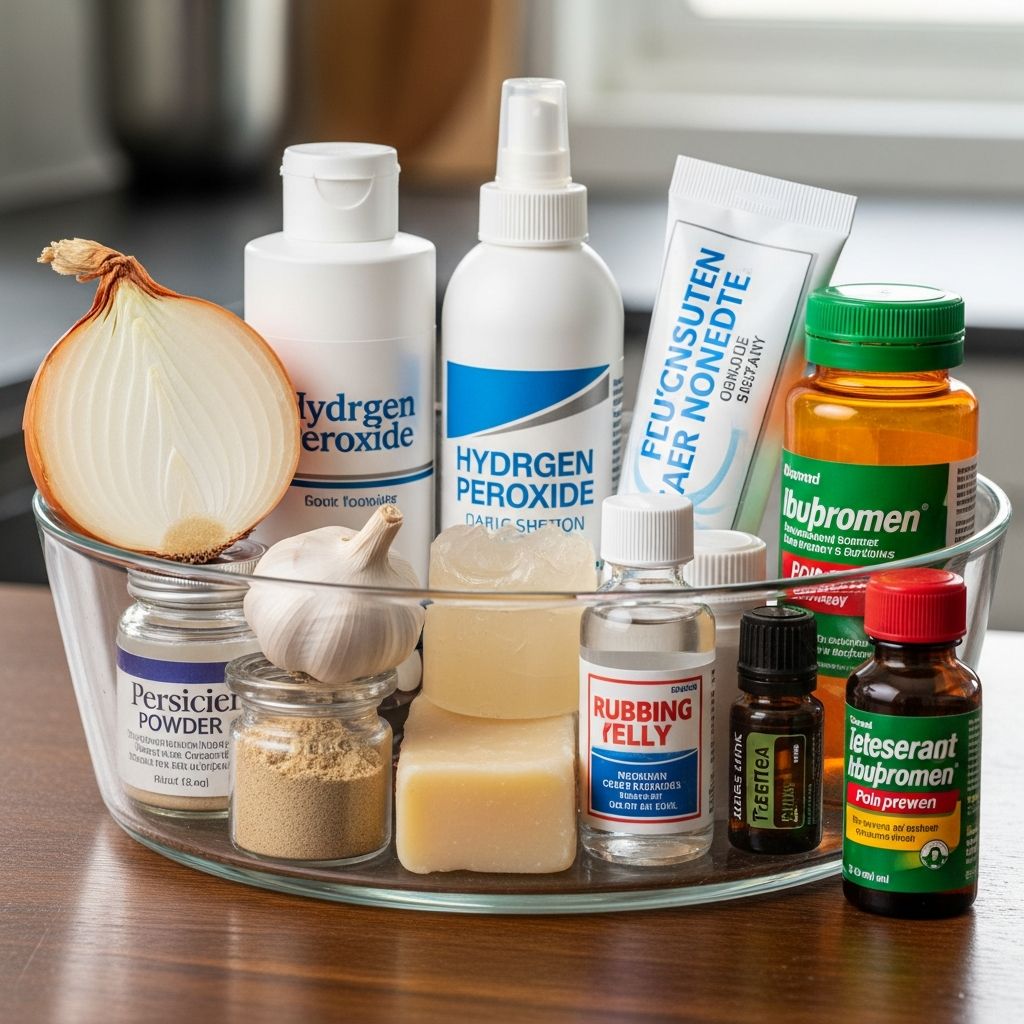
Garlic and onions are commonly used in human cooking for their flavor and potential health benefits. However, both of these ingredients contain compounds called thiosulfates, which can damage dogs’ red blood cells and lead to hemolytic anemia. This condition reduces the number of healthy red blood cells available to carry oxygen throughout your dog’s body.
Potential Health Risks:
– Hemolytic anemia- Weakness and lethargy- Pale gums and mucous membranes- Dark-colored urine- Vomiting and diarrhea- Reduced appetite- Difficulty breathing in severe cases
Some pet parents use garlic as a natural flea deterrent or immune booster, but the risks far outweigh any potential benefits. Even small amounts can be harmful, particularly to puppies and senior dogs with compromised immune systems. If your dog has accidentally ingested garlic or onions, monitor them closely for signs of anemia and contact your veterinarian immediately if symptoms develop.
Safer Alternatives: Consult your vet about FDA-approved flea and tick preventatives, and discuss evidence-based dietary supplements that are safe for canine consumption.
2. Tea Tree Oil
Tea tree oil has gained popularity in natural health circles for its antimicrobial and anti-inflammatory properties. While it can be beneficial for humans when properly diluted, tea tree oil is toxic to dogs. The compound 1,8-cineole present in tea tree oil is absorbed through the skin or ingested and can cause neurological symptoms and liver damage in canines.
Potential Health Risks:
– Tremors and seizures- Weakness and depression- Loss of coordination- Hypothermia- Liver damage- Skin irritation and burns- Dermatitis
Pet parents often use tea tree oil for skin conditions, allergies, or to treat wounds. However, the concentration of the active compound in pure tea tree oil is far too strong for dogs, even when diluted. Products containing tea tree oil may not always be clearly labeled, so it’s important to read ingredient lists carefully on any topical treatments you apply to your dog.
Safer Alternatives: Ask your veterinarian about dog-safe topical treatments containing oatmeal, aloe vera, or other gentle ingredients formulated specifically for canine skin conditions.
3. Hydrogen Peroxide
Hydrogen peroxide is a common household staple used for wound cleaning and as a mild antiseptic. While small amounts are sometimes used under veterinary guidance to induce vomiting in dogs that have ingested toxins, giving hydrogen peroxide to your dog without professional direction can cause serious harm. The concentration matters significantly, and improper use can lead to complications.
Potential Health Risks:
– Vomiting and gastrointestinal upset- Gas embolism (gas bubbles in blood vessels)- Bloating- Internal bleeding- Oxygen embolism in severe cases- Stomach perforation- Damage to the esophagus
Some pet parents use hydrogen peroxide to clean wounds or to induce vomiting after their dog eats something potentially toxic. However, inducing vomiting is not appropriate for all toxins and can sometimes cause more harm than good. If your dog ingests a potentially toxic substance, contact your veterinarian or an emergency veterinary clinic immediately rather than attempting home treatment.
Safer Alternatives: Clean minor wounds with saline solution or have your vet examine injuries. For ingested toxins, call your veterinarian or the Pet Poison Helpline immediately for professional guidance.
4. Ibuprofen and Aspirin
Over-the-counter pain relievers like ibuprofen and aspirin are go-to medications for humans experiencing pain or inflammation. However, these nonsteroidal anti-inflammatory drugs (NSAIDs) can cause severe gastrointestinal and kidney problems in dogs. Dogs metabolize these medications differently than humans, and they lack certain protective mechanisms in their digestive tracts.
Potential Health Risks:
– Stomach ulcers and bleeding- Gastroenteritis- Kidney damage- Liver damage- Vomiting and diarrhea- Abdominal pain- Loss of appetite- Acute kidney injury
Pet parents often give their dogs these medications to manage pain from arthritis, injuries, or post-surgical discomfort. While some veterinary-prescribed NSAIDs are safe for dogs when dosed correctly, over-the-counter human formulations are not appropriate. The dosage for dogs differs significantly from human dosing, and even small overdoses can cause serious complications.
Safer Alternatives: Ask your veterinarian about prescription pain medications formulated specifically for dogs, such as carprofen or meloxicam, which are safer when properly dosed and monitored.
5. Xylitol-Containing Products
Xylitol is an artificial sweetener commonly found in sugar-free products, including peanut butter, candy, gum, baked goods, and dental products. While it’s generally recognized as safe for human consumption, xylitol is highly toxic to dogs. It causes a rapid release of insulin in dogs’ bodies, leading to dangerous drops in blood sugar levels.
Potential Health Risks:
– Hypoglycemia (dangerously low blood sugar)- Seizures- Loss of coordination- Lethargy and weakness- Vomiting- Liver failure- Death in severe cases
Even small amounts of xylitol can be dangerous to dogs. Many pet parents are unaware that sugar-free peanut butter and other products contain this sweetener, making accidental poisoning a real risk. Always check product labels carefully, particularly for sugar-free items that might seem like a harmless treat.
Safer Alternatives: Choose dog treats and foods made without xylitol. Look for regular peanut butter without artificial sweeteners, or select treats specifically formulated for dogs.
6. Essential Oils
Essential oils have become increasingly popular in wellness and aromatherapy practices. However, many essential oils are toxic to dogs when ingested, inhaled, or applied to their skin. Dogs have a highly sensitive sense of smell and smaller bodies, making them more susceptible to the concentration of active compounds in essential oils. Additionally, dogs lack certain liver enzymes needed to metabolize these oils safely.
Potentially Toxic Essential Oils Include:
– Tea tree oil- Eucalyptus oil- Peppermint oil- Lavender oil- Lemon oil- Pine oil- Wintergreen oil- Ylang ylang oil
Potential Health Risks:
– Vomiting and diarrhea- Tremors and seizures- Respiratory distress- Liver damage- Neurological symptoms- Skin irritation- Organ damage
Pet parents might use essential oil diffusers in their homes or apply diluted oils to their dogs’ coats for various purposes. However, even diffused oils in the air can accumulate to dangerous levels in your dog’s body, and direct application is extremely risky. If your dog has been exposed to essential oils, ensure good ventilation and monitor for signs of distress.
Safer Alternatives: Use dog-safe room freshening methods like opening windows for ventilation. Consult your veterinarian about safe aromatherapy options specifically formulated for pets.
7. Activated Charcoal Without Veterinary Guidance
Activated charcoal is sometimes recommended as a home remedy to treat poisoning or upset stomach in dogs. While activated charcoal can be used under veterinary supervision in certain poisoning scenarios, using it without professional guidance can cause serious problems. Activated charcoal can interfere with the absorption of beneficial nutrients and medications, and it may not be appropriate for all types of poisoning.
Potential Health Risks:
– Constipation or blockages- Interference with nutrient absorption- Vomiting- Black-colored stools- Dehydration- Reduced effectiveness of necessary medications- GI obstruction
Additionally, if your dog has ingested certain toxins like acids, alkalis, or some medications, activated charcoal may not be the appropriate treatment and could potentially cause harm. The type of substance ingested determines the appropriate course of action, which only a veterinarian can properly assess.
Safer Alternatives: Contact your veterinarian or the Pet Poison Helpline immediately if your dog ingests something potentially toxic. A veterinary professional can provide appropriate treatment based on the specific substance involved.
8. Human Supplements and Medications
Many pet parents assume that if a supplement or medication is safe for humans, it must be safe for dogs in smaller doses. This assumption is dangerous and incorrect. Human supplements and over-the-counter medications have not been tested for safety in dogs, and their effects can be unpredictable and potentially serious.
Commonly Misused Items Include:
– Vitamins and multivitamins- Herbal supplements- Joint supplements (without veterinary formulation)- Melatonin- Acetaminophen (Tylenol)- Naproxen (Aleve)- Antibiotics- Antihistamines in incorrect doses
Potential Health Risks:
– Organ damage (liver, kidney, heart)- Toxicity from overdose- Allergic reactions- Drug interactions- Gastrointestinal upset- Neurological symptoms- Death in severe cases
Some supplements marketed for humans may contain ingredients that are toxic to dogs. Additionally, the concentration of active ingredients in human formulations is calibrated for human body weight and metabolism, making them inappropriate for canine use even in reduced doses.
Safer Alternatives: Ask your veterinarian about supplements and medications specifically formulated for dogs. If your dog needs joint support, pain management, or other health interventions, your vet can recommend products with proven safety profiles and appropriate dosing for your individual pet.
What to Do If Your Dog Ingests a Dangerous Remedy
If you suspect your dog has ingested any of these dangerous remedies or other potentially toxic substances, act quickly. Time is critical in poisoning cases, and prompt action can make a significant difference in your dog’s outcome.
Immediate Steps:
– Contact your veterinarian immediately- Call the Pet Poison Helpline (888-426-4435) or the ASPCA Animal Poison Control Center (888-426-4435)- Have the substance and packaging available when you call- Do not induce vomiting unless specifically instructed by a veterinarian- Transport your dog to the nearest emergency veterinary clinic if directed- Provide information about when and how much was ingested- Monitor your dog closely for symptoms
Never wait to see if symptoms develop. Some toxins cause delayed reactions, and seeking immediate professional help can prevent serious complications or death. Emergency veterinary care may include induced vomiting, activated charcoal administration, IV fluids, or other supportive treatments depending on the toxin and timing of ingestion.
Frequently Asked Questions
Q: Are there any home remedies that are safe for dogs?
A: While some remedies like honey for cough or pumpkin puree for digestive issues have some evidence of benefit, always consult your veterinarian before trying any home remedy. Your vet can recommend safe options appropriate for your specific dog’s condition and health status.
Q: What should I do if I regularly give my dog a remedy I now know is dangerous?
A: Contact your veterinarian immediately and explain the situation. Your vet can assess your dog’s health, run necessary tests, and monitor for any complications. Don’t wait for symptoms to appear, as some toxins cause cumulative damage.
Q: Can I use diluted versions of toxic remedies for my dog?
A: No. Dilution may reduce the concentration of harmful compounds, but it does not make toxic substances safe. Some compounds are toxic even in small amounts, and there’s no way to ensure you’ve diluted to a safe level without veterinary guidance.
Q: How can I safely manage my dog’s pain or other health issues?
A: Work closely with your veterinarian. They can prescribe pain medications, recommend physical therapy, suggest dietary modifications, or recommend other evidence-based treatments tailored to your dog’s specific needs and health status.
Q: Where can I find reliable information about dog health and safety?
A: Consult your veterinarian as your primary source. Reputable resources include the American Veterinary Medical Association (AVMA), the Pet Poison Helpline, and educational articles from credible veterinary organizations and clinics.
Conclusion: Prioritize Professional Veterinary Care
Your instinct to care for your dog using home remedies comes from a place of love and concern. However, protecting your dog’s health means understanding that what works for humans or seems natural doesn’t necessarily work for dogs. The eight remedies outlined in this guide—garlic and onions, tea tree oil, hydrogen peroxide, ibuprofen and aspirin, xylitol-containing products, essential oils, activated charcoal, and human supplements—all pose serious risks to your canine companion.
When your dog is sick, injured, or uncomfortable, the best course of action is always to consult with your veterinarian. Professional veterinary care ensures that your dog receives an accurate diagnosis, appropriate treatment, and proper monitoring for their specific condition. Your vet can recommend safe, effective remedies and medications that are specifically designed for dogs and appropriate for your individual pet’s age, weight, and health status.
By educating yourself about dangerous home remedies and committing to working with your veterinarian, you’re taking the most important step toward keeping your beloved dog healthy and safe for years to come. Remember, when in doubt, always ask your vet before giving your dog anything new.
References
- Toxic and Potentially Toxic Substances for Pets — American Veterinary Medical Association (AVMA). 2024. https://www.avma.org/resources/pet-owners/care-your-pet
- Pet Poison Helpline — Pet Poison Helpline. 2024. https://www.petpoisonhelpline.com
- Xylitol Toxicosis in Dogs — VCA Animal Hospital. 2024. https://vcahospitals.com
- Herbal Remedies and Supplements for Dogs: Safety Concerns — American Veterinary Society of Animal Behavior. 2023. https://avsab.org
- ASPCA Animal Poison Control Center — ASPCA. 2024. https://www.aspca.org/pet-care/animal-poison-control
- NSAIDs and Gastrointestinal Safety in Dogs — Veterinary Information Network (VIN). 2023. https://vin.com
Similar Articles







Read full bio of medha deb