

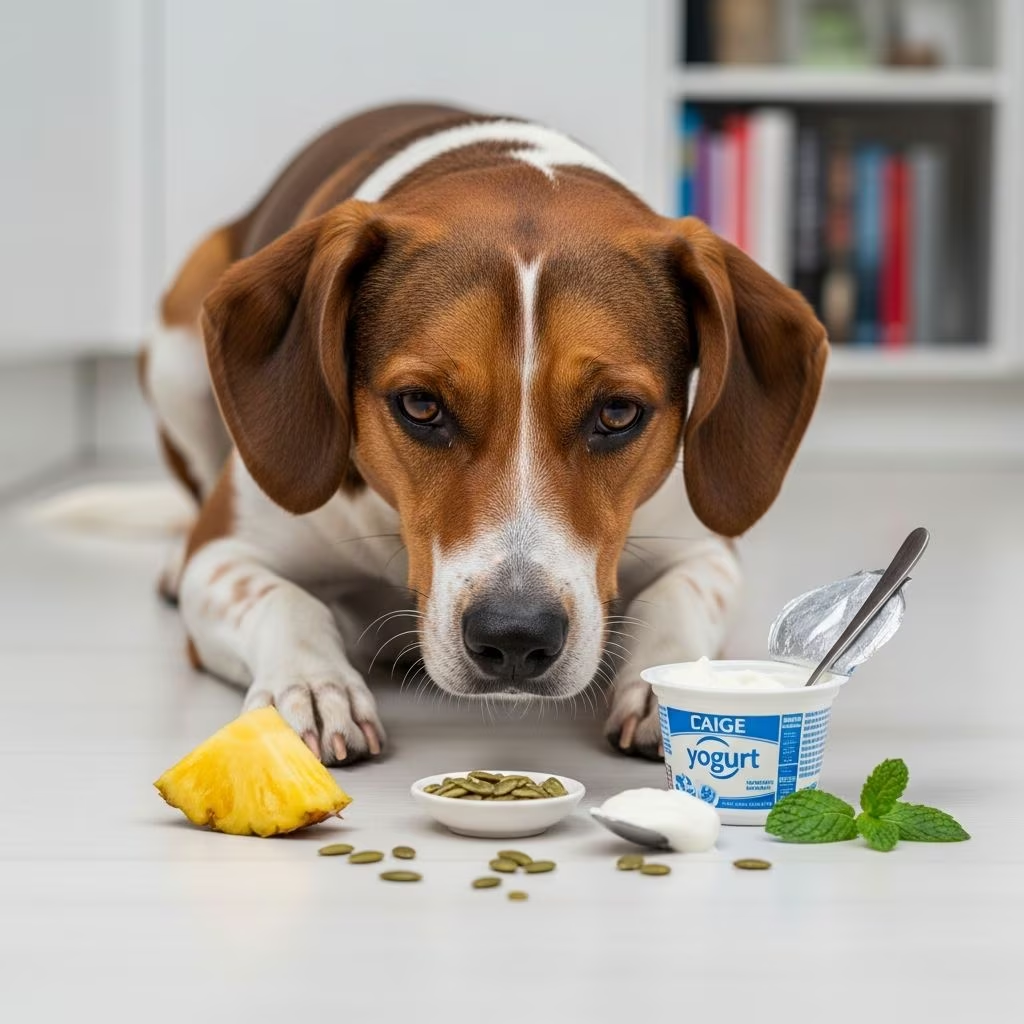
One of the most unpleasant behaviors dog owners encounter is their beloved pet eating feces—their own or that of other animals. This behavior, known as coprophagia, is more common than many pet parents realize, and while it’s certainly disgusting, there are practical home remedies and strategies that can help stop this habit. Understanding the underlying causes and implementing the right interventions can make a significant difference in breaking this cycle.
Understanding Coprophagia: What It Is and Why Dogs Do It
Coprophagia is the medical term for eating feces, whether it’s a dog’s own poop or that of other animals. When dogs eat non-food items in general, the condition is called pica. While the reasons behind coprophagia can range from medical to behavioral, understanding what drives your dog to engage in this behavior is crucial for finding an effective solution.
The causes of coprophagia fall into two main categories: medical and behavioral. Medical causes include gastrointestinal disease, nutritional deficiencies, anemia, and neurological disorders. Behavioral causes are often more common and may include anxiety, learned behaviors, scavenging instincts, or simply because the dog finds the taste appealing.
Medical vs. Behavioral Causes
Before implementing any home remedies, it’s essential to rule out underlying medical conditions. In most cases, coprophagia tends to be more of a behavioral problem than a medical one. However, a thorough evaluation by your veterinarian is the first step in addressing this issue effectively.
When to See Your Vet
If your dog is obsessively seeking out feces and eating lots of other non-food items, this abnormal behavior may signal an underlying problem requiring veterinary intervention. Your vet can conduct tests to rule out common causes of pica, including parasites, nutritional deficiencies, and digestive disorders.
The Psychology Behind Poop Eating
Understanding why your dog eats poop is the foundation for stopping the behavior. Several theories explain this seemingly bizarre habit:
Inherited Survival Behavior
One compelling theory suggests that coprophagia is rooted in our dogs’ DNA, dating back to their wolf ancestors from approximately 15,000 years ago. This survival mechanism isn’t uncommon at certain life stages even today. Mother dogs naturally clean up after their puppies for the first few weeks of life, and puppies themselves don’t refine their palates until around nine months old.
Wolves were believed to consume fresh feces of injured or sick pack members to remove parasites and keep their dens clean. Modern dogs may be displaying these ancestral instincts, which is a more reassuring explanation than other behavioral motivations.
Scavenging and Survival Instincts
Many dogs have a built-in urge to scavenge and eat anything that might provide nutrients, a trait passed down through generations of natural selection. The majority of dogs exhibiting coprophagia are considered to have voracious appetites and often live in multi-dog households, where competition for food resources may be more intense.
Simple Preference
Sometimes, the explanation is straightforward: some dogs eat their own poop because they think it tastes good. While this is unpleasant to contemplate, it’s a reality for many dog owners. Interestingly, researchers have found that dogs prefer to eat poop less than two days old, rather than older feces.
Attention-Seeking Behavior
Dogs are smart creatures, and they quickly learn which behaviors elicit attention from their owners. If you reflexively pet your dog or investigate their mischief—even negatively—you may inadvertently be rewarding the behavior. When this pattern repeats, dogs learn that these actions get your attention, potentially reinforcing coprophagia.
The Risks of Eating Poop
Beyond the obvious disgust factor, there are significant health risks associated with coprophagia. Your dog’s poop is full of bacteria, and other dogs’ poop may contain parasites that can infect your pet. If your dog eats cat poop, the risks are even greater, including intestinal parasites, bacterial infections, and potential intestinal blockages from ingesting litter.
Home Remedies and Prevention Strategies
Clean Up Poop Promptly
The most straightforward and effective home remedy is simple prevention: if the poop isn’t there, your dog can’t eat it. Keeping your pup’s spaces free from feces will definitely prevent them from eating it. Cleaning up your yard is essential for dogs with this habit, but you may not be able to pick up poop everywhere your dog goes.
While you’re out and about, watch your dog closely, steering them away from fecal matter and cleaning up as you go. Dr. Sara Ochoa explains that this approach “will break the cycle for a few weeks and, usually, this will stop your dog [in the long run].” Though you can’t control what happens everywhere, consistent cleanup at home and vigilance during walks can significantly reduce opportunities for your dog to engage in this behavior.
Close Monitoring During Outings
When walking your dog, maintain close supervision and redirect their attention away from any fecal matter they encounter. Use high-value treats or toys to keep their focus on you rather than on potential “snacks” they might find on the ground. This proactive approach prevents the behavior from becoming reinforced during outdoor activities.
Taste Aversion Products
Taste aversion products may work wonders for dogs who eat their own feces, though they won’t be effective for dogs who prefer poop from other sources. These commercial products are designed to make feces taste unpleasant, potentially discouraging consumption. However, their effectiveness varies by individual dog and the type of poop they’re consuming.
Environmental Management
In multi-dog households, environmental management becomes even more critical. Ensure that each dog has a designated potty area and clean it immediately after use. Consider using baby gates or puppy pens to separate dogs during potty times, preventing the opportunity for one dog to consume another’s feces.
Behavioral Interventions
Addressing Attention-Seeking Behaviors
If your dog has learned that coprophagia gets your attention, redirect this learned behavior. Instead of reacting to the unwanted behavior, focus on rewarding positive actions. Provide attention, praise, and treats when your dog engages in appropriate behaviors, teaching them that good choices result in positive outcomes.
Managing Multi-Dog Households
While coprophagia is not typically a learned behavior in the sense that dogs don’t eat poop because they saw their friends doing it, dogs are social animals and can learn from one another. In multi-dog households with a dog exhibiting coprophagia, work on constructive solutions and give your other dogs plenty of attention so they don’t feel ignored or develop similar behaviors.
Anxiety and Stress Reduction
If your dog has anxiety disorders, this may contribute to coprophagia. Creating a calm, safe environment, providing adequate exercise, and considering anxiety-reducing techniques can help address this underlying cause. Working with a veterinary behaviorist may be necessary for dogs with significant anxiety issues.
Nutritional Considerations
While most coprophagia cases are behavioral, nutritional deficiencies can play a role in some instances. Ensure your dog is receiving a complete and balanced diet appropriate for their age, size, and health status. Consult with your veterinarian about whether your dog would benefit from dietary adjustments or supplementation.
When to Seek Professional Help
If home remedies and environmental management aren’t resolving the issue, professional help is warranted. First, have your vet conduct a thorough physical examination and necessary testing to rule out medical causes. If no medical issues are found, your dog may be engaging in these acts due to a behavioral problem, requiring work with your vet and/or a veterinary behaviorist to identify issues and create effective interventions.
Frequently Asked Questions
Q: Is coprophagia a sign of a serious health problem?
A: Not always. While some medical conditions can cause coprophagia, it’s more often a behavioral issue. However, it’s important to have your vet rule out underlying medical causes like nutritional deficiencies, parasites, or gastrointestinal disorders before focusing solely on behavioral interventions.
Q: Can my dog get sick from eating poop?
A: Yes. Your dog can contract intestinal parasites, bacterial infections, and other health issues from eating feces. Additionally, if they eat cat poop along with litter, they risk digestive upset, intestinal blockages, or severe constipation.
Q: How long does it take to stop a dog from eating poop?
A: The timeline varies depending on the cause and the consistency of intervention. Environmental management and cleanup typically show results within a few weeks to months. Behavioral modifications may take longer and may require professional guidance.
Q: Are taste aversion products effective?
A: Taste aversion products may work for dogs eating their own feces but are typically ineffective for dogs who prefer other animals’ poop. Effectiveness varies by individual dog and should be combined with other management strategies.
Q: Can I train my dog out of eating poop?
A: Yes, with consistent training and environmental management. Focus on preventing opportunities, redirecting attention, and rewarding positive behaviors. For some dogs, professional behavioral training may be necessary.
Q: What should I do if my dog eats poop while on a walk?
A: Keep your dog on a close leash during walks, watch them carefully, and redirect their attention to you or toys before they can consume any feces. Practice the “leave it” command and reward compliance generously.
Summary and Key Takeaways
Coprophagia is an unpleasant but manageable behavior. The most effective home remedy is preventing opportunities by cleaning up poop promptly in your home and monitoring your dog closely during outings. Before implementing behavioral interventions, always consult your veterinarian to rule out underlying medical causes. Combining environmental management, positive reinforcement training, and professional guidance when needed will give you the best chance of successfully stopping your dog from eating poop. Remember, consistency is key, and patience is essential when addressing this behavior.
References
- Why Is My Dog Eating Poop? — Kinship. 2025. https://www.kinship.com/dog-behavior/dog-eating-poop
- Why Does My Dog Eat Cat Poop? Reasons and How To Stop It — Kinship. 2025. https://www.kinship.com/dog-behavior/why-does-dog-eat-cat-poop
- Home Remedies To Stop Your Dog From Eating Poop — Kinship. 2025. https://www.kinship.com/dog-health/how-to-stop-dog-from-eating-poop-home-remedies



