8 Safe Home Remedies for Pet Diarrhea & 2 Dangerous Ones
Discover safe home remedies for your pet's diarrhea and learn which treatments to avoid for their safety.
Understanding Pet Diarrhea: When to Treat at Home
Diarrhea is one of the most common reasons pet owners make unplanned veterinary visits. While it can be concerning, diarrhea itself is not a disease but rather a symptom of an underlying issue affecting your pet’s digestive system. Understanding the causes and knowing which home remedies work can help you provide immediate relief while keeping your furry companion safe.
Common causes of diarrhea in pets include intestinal infections from parasites, bacteria, or coccidia, sudden changes in diet, dietary indiscretion (such as eating garbage, table scraps, or spoiled food), stress, or underlying health disorders. If your pet is otherwise healthy and showing no other concerning symptoms, you may be able to manage mild diarrhea at home with proper guidance from your veterinarian.
The Initial Step: Fasting for Recovery
When your veterinarian gives you the green light to manage diarrhea at home, the first step is to allow your pet’s gastrointestinal tract to rest through fasting. This simple but effective approach helps reset the digestive system and can work wonders for mild cases.
Fast your pet for 12 to 24 hours, depending on your veterinarian’s recommendation. During this fasting period, continue offering fresh, clean water in small amounts to prevent dehydration, which is a critical concern with diarrhea. After the fasting period ends, gradually reintroduce bland, binding foods in small quantities to help normalize stool consistency and gently restart the digestive process.
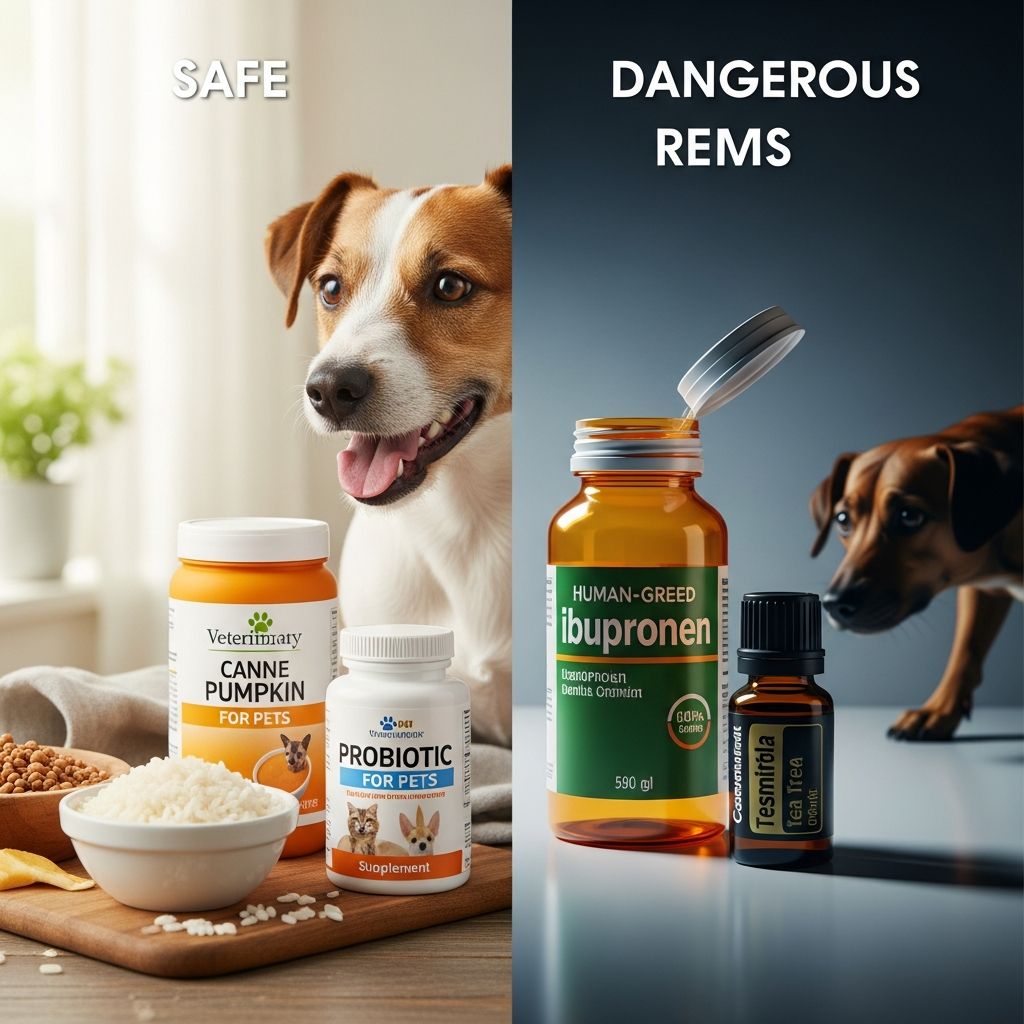
8 Safe Home Remedies for Pet Diarrhea
1. Rice Water
Rice water is one of the most soothing and easily digestible remedies for pet diarrhea. This gentle remedy provides hydration while offering the binding properties needed to firm up loose stools. To prepare rice water, boil high-quality white rice in a generous amount of water, then strain out the grains. The resulting creamy, white, starchy broth can be cooled and offered to your pet. You can enhance its appeal by adding a splash of unsalted chicken broth or a spoon of meat baby food, making it more palatable while maintaining its digestive benefits.
2. Plain Cooked Rice
Plain, cooked white rice serves as an excellent bland food that’s easy on the stomach and acts as a natural binder. Unlike flavored or seasoned rice, plain white rice provides the perfect base for recovery without irritating the digestive tract. This classic remedy has been trusted by veterinarians for generations and remains one of the most effective options for soothing upset stomachs in pets.
3. Pureed Pumpkin
Pureed pumpkin is a versatile remedy that works wonders for both diarrhea and constipation, depending on how it’s prepared. This nutrient-rich food contains soluble fiber that helps bind stool and normalize bowel movements. Make sure to use plain, canned pumpkin without added sugars or spices. The natural enzymes and fiber content make pumpkin an excellent choice for supporting digestive health during recovery.
4. Plain Yogurt with Active Cultures
Plain yogurt containing active cultures serves as a probiotic powerhouse for pets that can tolerate dairy products. These beneficial bacteria support intestinal health and promote proper digestion by maintaining the balance of good microorganisms in the gut. Probiotics are especially helpful if your pet has recently taken antibiotics, which can eliminate beneficial bacteria along with harmful ones. Offer small amounts of plain, unsweetened yogurt to your pet as a tasty supplement to their bland diet.
5. Boiled Potatoes Without Skin
Plain, boiled potatoes (without the skin) provide easily digestible carbohydrates and nutrients that support recovery. Potatoes are gentle on the stomach while offering enough substance to help firm up loose stools. Remove the skin before cooking to eliminate any potential irritants, and serve them plain without butter, oil, or seasonings that could further upset your pet’s sensitive digestive system.
6. Plain Cooked Eggs
Eggs prepared simply—boiled or scrambled without butter, oil, or salt—offer high-quality protein that’s gentle on the digestive tract. Eggs are highly digestible and provide essential amino acids needed for recovery and healing. They’re also palatable to most pets, making them an excellent way to maintain nutrition during the recovery period without causing additional digestive upset.
7. Plain Cooked Chicken
Skinless, plain cooked chicken is a protein-rich remedy that supports recovery while remaining easy to digest. Whether boiled or baked without seasonings, skin, or fat, chicken provides lean protein essential for healing the digestive tract. Many veterinarians recommend combining small amounts of shredded plain chicken with white rice to create a complete, bland diet that most pets find appealing.
8. Plain Low-Sodium Cottage Cheese
For pets that tolerate dairy well, plain, low-sodium, low-fat cottage cheese offers easily digestible protein and probiotics. This mild food is gentle on sensitive stomachs while providing nutritional support during recovery. Always choose low-sodium varieties to avoid introducing excess salt into your pet’s diet during this sensitive period.
Additional Supportive Remedies
Beyond the eight primary remedies, several other options can support your pet’s recovery from diarrhea. Probiotics specifically formulated for pets can help restore the balance of beneficial bacteria in the intestinal tract. Slippery elm bark has traditionally been used for its gut-soothing properties, though you should consult your veterinarian before offering any herbal supplements. Some herbs like fennel may have mild digestive benefits, and many manufacturers produce sensitive stomach formulas designed to soothe digestive problems during recovery.
2 Dangerous Treatments to Avoid
While many home remedies can safely treat pet diarrhea, certain over-the-counter human medications can be dangerous or even toxic to your pets. Never attempt to treat your pet’s diarrhea with human medications without explicit veterinary approval. The following categories of drugs pose significant risks and should be completely avoided.
Why Human Medications Are Risky
Over-the-counter medications designed for human use often contain ingredients, dosages, or formulations unsuitable for pets. Animals metabolize medications differently than humans, and what’s safe for people can be harmful or toxic to dogs and cats. Additionally, the underlying cause of your pet’s diarrhea may require specific treatment that human antidiarrheal medications won’t address.
Consulting Your Veterinarian About Medications
Always administer medications exactly as prescribed by your veterinarian. If your pet requires medication, your vet will recommend pet-safe options in appropriate dosages for your animal’s specific situation. Based on fecal test results, your veterinarian may prescribe dewormers, anti-diarrheal agents, probiotics, or other medications tailored to treat the specific cause of your pet’s diarrhea.
Monitoring Progress and Knowing When to Seek Help
While home remedies can effectively treat mild diarrhea, careful monitoring is essential. If your pet shows no improvement within four days of starting home treatment, contact your veterinarian, as further testing or more aggressive treatment may be necessary. Additionally, certain warning signs should prompt immediate veterinary attention.
Red Flags Requiring Immediate Veterinary Care
Seek emergency veterinary care if your pet’s stool is primarily blood, as this indicates a potentially serious condition requiring immediate professional evaluation. Other concerning symptoms include lethargy, refusal to eat, persistent vomiting, or blood in the stool. Dehydration is also a serious concern with diarrhea, so if your pet refuses to drink or shows signs of dehydration, contact your veterinarian immediately.
Creating a Successful Recovery Plan
Successfully managing pet diarrhea at home requires a thoughtful approach. Start with a 12 to 24-hour fast to rest the digestive system, then gradually introduce bland, binding foods in small portions. Ensure your pet has access to fresh, clean water throughout the recovery period. Keep detailed notes about what works for your pet’s diarrhea and what doesn’t, as this information will be invaluable if the problem recurs.
Transitioning Back to Regular Diet
As your pet’s stool returns to normal, gradually transition back to their regular diet over 7 to 10 days. Abrupt dietary changes can irritate the recovering digestive tract and potentially trigger another episode of diarrhea. Mix increasing amounts of regular food with decreasing amounts of the bland diet, allowing your pet’s system to readjust gradually.
Frequently Asked Questions
Q: How long should I fast my pet before introducing bland food?
A: Most veterinarians recommend fasting for 12 to 24 hours to allow the gastrointestinal tract to rest. After the fasting period, gradually introduce small amounts of bland, binding foods.
Q: Can I use canned pumpkin pie filling for my pet?
A: No, only use plain canned pumpkin without added sugars, spices, or ingredients. Pumpkin pie filling contains additives that may upset your pet’s stomach further.
Q: What if my pet’s diarrhea doesn’t improve after four days at home?
A: Contact your veterinarian, as your pet may need further testing or more aggressive treatment. Your vet may recommend a fecal test to identify parasites or other underlying causes.
Q: Are probiotics safe for all pets?
A: While probiotics are generally safe, the quality and effectiveness vary among products. Always consult your veterinarian before offering any probiotic supplement to ensure it’s appropriate for your pet.
Q: Can I give my pet anti-diarrheal medication from my medicine cabinet?
A: No, over-the-counter human medications should never be given to pets without explicit veterinary approval. Human medications can be dangerous or toxic to animals and may not address the underlying cause of diarrhea.
Q: How much bland food should I offer during recovery?
A: Start with small amounts—typically 1 to 2 tablespoons—offered several times daily. Gradually increase portions as your pet tolerates the bland diet without digestive upset.
Conclusion: Safety First in Pet Care
While diarrhea is commonly manageable at home with the right approach, always prioritize your pet’s safety by consulting with your veterinary healthcare team. They can help determine the underlying cause and confirm whether home treatment is appropriate. With proper guidance, the eight safe home remedies outlined here can effectively support your pet’s recovery while avoiding dangerous treatments that could cause harm. Remember that individual pets respond differently to various remedies, so be patient and keep careful notes about what works best for your companion.
References
- 8 Home Remedies for Diarrhea and 2 That Are Dangerous for Your Pet — VCA Animal Hospitals. 2024. https://vcahospitals.com/shop/articles/8-home-remedies-for-diarrhea-and-2-that-are-dangerous-for-your-pet
- Diarrhea in Dogs — VCA Animal Hospitals. 2024. https://vcahospitals.com/know-your-pet/diarrhea-in-dogs
- Dog Diarrhea: Signs, Symptoms, and Treatments — American Kennel Club. 2024. https://www.akc.org/expert-advice/health/dog-diarrhea/
- Diarrhea in Cats — VCA Animal Hospitals. 2024. https://vcahospitals.com/know-your-pet/diarrhea-in-cats
- Tips to Stop Your Pet’s Diarrhea in Its Tracks — VCA Animal Hospitals. 2024. https://vcahospitals.com/shop/home/articles/tips-to-stop-your-pet-s-diarrhea-in-its-tracks
- Dog Has an Upset Stomach? 5 Home Remedies to Help — Pawlicy. 2024. https://www.pawlicy.com/blog/remedies-for-dogs-stomach-upset/
- Bland Diet Instructions for Dogs and Cats — VCA Animal Hospitals. 2024. https://vcahospitals.com/know-your-pet/blah-blah-and-more-blah-bland-diet-instructions-for-dogs-and-cats
Similar Articles



Read full bio of medha deb