
11 Home Remedies for Fleas and Ticks That Don’t Work
Discover why common DIY flea and tick remedies fail and harm your pets.
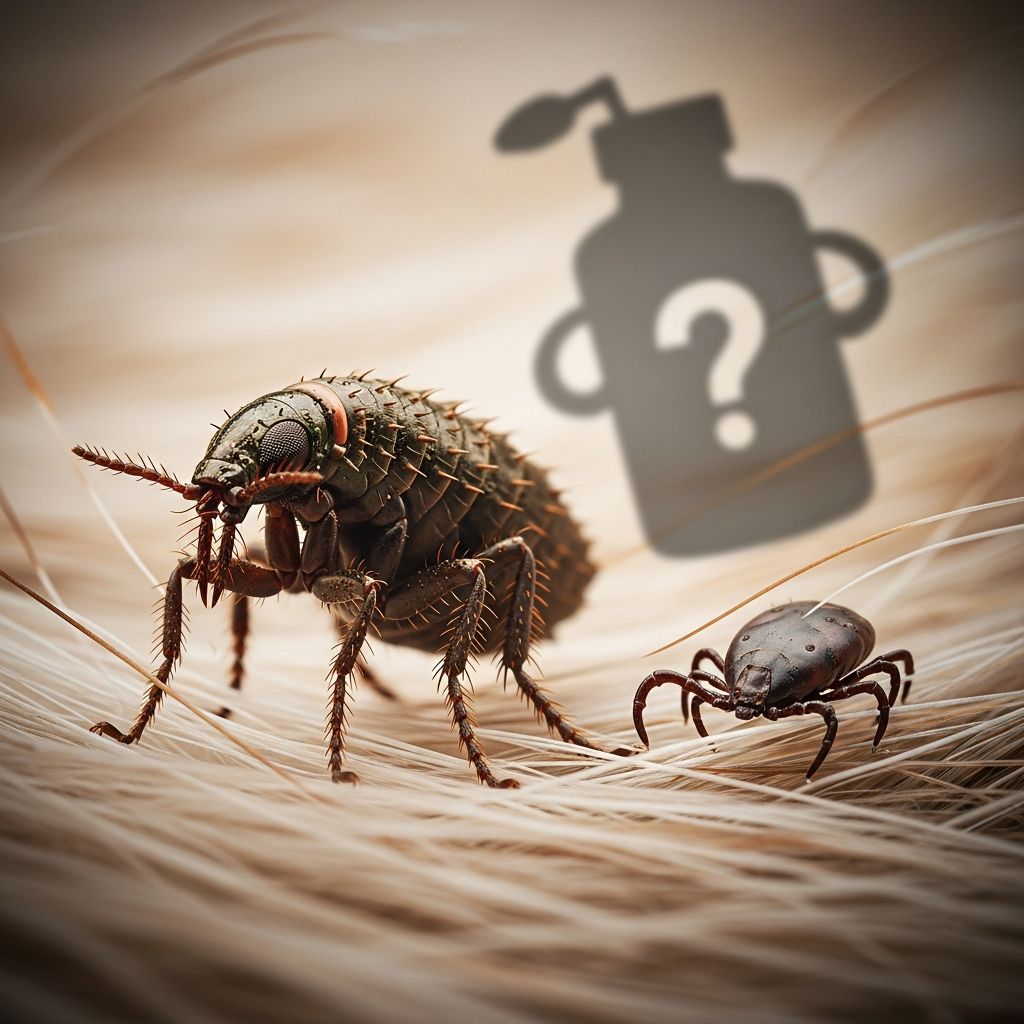
Pet owners often search for quick and affordable solutions to flea and tick problems, turning to home remedies they find online or hear from friends. While the desire to solve parasitic infestations without expensive veterinary treatments is understandable, many popular DIY remedies are not only ineffective but can actually harm your beloved pets. The problem with these flea and tick preventative methods is that they simply don’t work, and in many cases, they create additional health issues that can be more serious than the original infestation.
Understanding why these remedies fail is crucial for pet owners who want to protect their animals. Before we explore the science behind why these treatments don’t work, let’s examine eleven common home remedies that pet owners frequently attempt, along with expert veterinary insights on their ineffectiveness and potential dangers.
1. Dish Detergent
Many pet owners believe that bathing their pets with dish detergent can solve flea problems, reasoning that if it works on greasy dishes, it should work on fleas. While cat and dog flea shampoos may provide some benefit, using regular dish soap is fundamentally ineffective and potentially harmful.
According to veterinary experts, dog and cat skin has a different pH level than human skin. Using dishwater detergent can be dry and irritating to their skin, and it won’t control the fleas effectively. Dr. Robert Lofton, DVM, an assistant clinical professor at the College of Veterinary Medicine at Auburn University, emphasizes that even if dish soap helps kill some adult fleas temporarily, it does nothing to address the eggs and larvae.
The critical issue is understanding the flea life cycle. There are four distinct life stages to a flea: the egg, larva, pupa, and adult. Any effective treatment must control the entire life cycle. Eggs and larvae left behind will continue to grow, breed, and repopulate your pet and your home. Bathing with dish detergent only targets adult fleas on your pet’s body at that moment, leaving the majority of the infestation untouched.
2. Baking Soda
Baking soda has gained popularity as a suggested home remedy through various online pet websites, with the theory that it might dry out flea eggs and larvae due to its moisture-absorbing properties. However, there is no scientific evidence that using baking soda to kill fleas is effective. Baking soda does not kill adult fleas and will do nothing to protect your pets from infestation.
While baking soda is excellent at absorbing odors and is generally safe for household use, it lacks any proven mechanism for controlling fleas at any life stage. Veterinarians consistently warn against relying on this remedy as a substitute for proven flea prevention methods. The time spent applying baking soda is time not spent using actual preventative treatments that work.
3. Garlic
Garlic has been promoted by some online sources as a natural flea and tick repellent, but this recommendation is dangerous and completely ineffective. Garlic is not an effective flea or tick repellent on dogs or cats, since they don’t sweat like humans, according to Dr. Mike Hutchinson, DVM, a veterinarian at Animal General of Cranberry Township in Pennsylvania.
Beyond its ineffectiveness, garlic presents a serious health hazard. Garlic is toxic to cats and dogs if ingested. The compounds in garlic can damage their red blood cells and lead to hemolytic anemia. While some people recommend garlic supplements or adding garlic to pet food, this practice should be avoided entirely. It’s best to keep garlic completely away from your pets.
4. Apple Cider Vinegar
Apple cider vinegar has become a trendy natural remedy for various pet health issues, including flea control. However, using apple cider vinegar to kill fleas is not recommended because it is unsafe and doesn’t work. Some people suggest forcing their pets to drink vinegar or spraying it on their fur, but neither approach is effective or safe.
Forcing your pet to drink vinegar will do nothing to prevent or eliminate fleas and ticks. Additionally, apple cider vinegar is not safe for your pet to consume regularly. When you spray apple cider vinegar on your pet or their bedding, they will lick it off and ingest it, which can cause digestive upset and other health problems. The acidic nature of vinegar can also irritate your pet’s skin and eyes.
5. Alcohol
Some pet owners believe that alcohol can kill fleas, and technically, fleas will die if they are submerged in alcohol. However, this doesn’t translate into an effective flea control method. You would have to pick fleas off one by one and drop them into a container filled with alcohol, which is impractical and leaves the vast majority of your pet’s infestation untreated.
More dangerously, never pour or spray alcohol on your pet, as it can seriously harm them. Alcohol is toxic when applied to skin and can cause chemical burns, poisoning, and severe systemic effects. If your pet has a tick that you’re trying to remove, pouring alcohol on the attached tick will make the tick expel its toxins into your pet’s bloodstream, potentially transmitting diseases.
6. Cedar Oil
Cedar oil is sometimes recommended as a natural flea deterrent, but like many essential oils, it should never be used on pets. Pure cedar oil and other essential oils can be toxic to dogs and cats. The concentration needed to potentially affect fleas can cause serious harm to your pet, including respiratory issues, skin irritation, and systemic toxicity.
7. Tea Tree Oil
Tea tree oil is frequently suggested in natural pet care circles as a flea remedy, but this recommendation is exceptionally dangerous. Pure tea tree oil is incredibly toxic to dogs and cats—even small amounts (10–20 milliliters) have caused death. There is no safe way to use tea tree oil on your pet.
Veterinarians advise against using any essential oils around dogs and cats. Even inhaling certain oils from a room diffuser can cause serious issues in pets, including respiratory distress, neurological problems, and organ damage. The risk far outweighs any potential benefit, which is minimal to nonexistent anyway.
8. Salt
Using salt to kill fleas is both dangerous and ineffective. The theory behind this remedy is that salt might dry out flea eggs and larvae, similar to the reasoning used for baking soda. However, the amount of salt required to kill flea eggs and larvae is toxic to your dog or cat if they lick it or get it up their nose.
Theoretically, you would need a truckload of salt poured into every surface and crack in your house to ensure that all the flea eggs and larvae are dried up. At that point, your home would be uninhabitable for both you and your pets. Additionally, salt can cause severe gastrointestinal issues, hypernatremia (sodium ion toxicity), and other serious health problems if your pet ingests it.
9. Boric Acid
Boric acid has been suggested as a powder treatment for fleas, but veterinarians warn against this approach. Boric acid is not effective against adult fleas or ticks because they only feed on blood and will not ingest the powder. It also won’t work against flea eggs (which represent 50% of the fleas in the home) or flea pupae (which make up 10% of the flea population).
Beyond its ineffectiveness, boric acid can be toxic if ingested by pets or humans. The fact that it doesn’t address the majority of the flea life cycle makes it a particularly poor choice for flea control, especially when you consider the health risks involved.
10. Lemon Juice
Some pet owners prepare lemon juice mixtures to spray on their pets, believing that the citric acid will repel or kill fleas. However, this remedy is ineffective and can irritate your pet’s skin and eyes. Lemon juice can also cause photosensitivity issues if your pet is exposed to sunlight after application. Like other acidic solutions, lemon juice is better left off your pet entirely.
11. Diatomaceous Earth
Diatomaceous earth (DE) is sometimes discussed as a flea control option because it can technically kill adult fleas in the environment. However, do not apply diatomaceous earth directly to your pet. It’s not effective for flea control when used on animals, and it could potentially result in lung damage if inhaled.
Diatomaceous earth can also cause gastrointestinal upset if ingested by dogs or cats. While food-grade diatomaceous earth is sometimes used in home environments, it should never be applied directly to your pet’s fur or skin. The risks associated with inhalation and ingestion make it an unsuitable choice for direct pet treatment.
Why These Remedies Fail: Understanding the Flea Life Cycle
The fundamental reason most home remedies fail is that they don’t address the complete flea life cycle. Fleas go through four distinct life stages: eggs, larvae, pupae, and adults. Any effective flea treatment must target all stages of development. Most home remedies only affect adult fleas temporarily, if at all, while leaving eggs, larvae, and pupae untouched. These immature fleas will continue developing, and your pet will soon have another full-blown infestation.
Additionally, approximately 95% of fleas in a typical flea problem live in the environment—on your furniture, bedding, carpets, and floors—rather than on your pet. Home remedies that focus on treating your pet directly ignore this critical fact.
The Importance of Veterinary-Approved Treatments
Veterinary-approved flea and tick treatments work because they’ve been scientifically developed and tested to address the entire flea life cycle. Prescription options like topical treatments, oral medications, and collars contain active ingredients that are effective against multiple life stages. These treatments have undergone rigorous testing for both efficacy and safety.
Modern flea preventatives offer several advantages over home remedies. Many provide long-lasting protection, lasting anywhere from one month to three months per application. Some options even protect against ticks, lice, and other parasites simultaneously. Your veterinarian can recommend the best option based on your pet’s age, weight, health status, and lifestyle.
Environmental Control and Prevention
While treating your pet is essential, environmental control is equally important. Your home and yard can harbor flea eggs and larvae. Effective environmental control involves regular vacuuming, washing pet bedding in hot water, and maintaining outdoor areas where your pet spends time. Your veterinarian can recommend appropriate environmental treatments that are safe for your family and pets.
When to Contact Your Veterinarian
If you notice fleas or ticks on your pet, contact your veterinarian promptly. If your pet has already been exposed to home remedies that might be toxic, such as tea tree oil, essential oils, or other substances, seek immediate veterinary care. Your vet can assess your pet for any potential poisoning and provide appropriate treatment if needed.
Frequently Asked Questions
Q: Why do pet owners use home remedies for fleas if they don’t work?
A: Pet owners often turn to home remedies because they seem more affordable and natural than veterinary treatments. Many remedies are promoted heavily on social media and pet websites, making them seem legitimate despite lacking scientific evidence. Additionally, cost can be a barrier to professional treatment for some pet owners.
Q: Can I use human flea treatments on my pet?
A: Absolutely not. Human flea treatments are formulated for human skin and can be toxic to pets. Always use products specifically designed for dogs or cats, as recommended by your veterinarian.
Q: How quickly do veterinary flea treatments work?
A: Most veterinary flea treatments begin working within hours. However, complete elimination of all life stages typically takes several weeks. Your veterinarian may recommend follow-up treatments to ensure complete eradication.
Q: Are there any natural flea treatments that actually work?
A: While some natural ingredients have been studied for flea control, most lack sufficient scientific evidence of effectiveness. Your veterinarian is the best resource for safe and effective options, including prescription and over-the-counter treatments that have been proven to work.
Q: What should I do if my pet ingests a home remedy I applied?
A: Contact your veterinarian or an animal poison control center immediately, especially if your pet ingested essential oils, garlic, or other toxic substances. Provide information about what was ingested and when, so your vet can provide appropriate treatment.
Q: How can I prevent my pet from getting fleas in the first place?
A: Year-round flea prevention is the most effective approach. Work with your veterinarian to choose an appropriate preventative based on your pet’s lifestyle, age, and health status. Regular environmental cleaning also helps reduce the risk of infestation.
Conclusion
While the appeal of home remedies for flea and tick control is understandable, the risks far outweigh any potential benefits. These remedies are ineffective against the complete flea life cycle and can cause serious harm to your beloved pets. From skin irritation and gastrointestinal upset to potentially fatal toxicity, home remedies pose genuine dangers to your pet’s health.
Your veterinarian has access to proven, safe, and effective flea and tick treatments that address all life stages of parasites. These treatments are worth the investment in your pet’s health and comfort. By choosing veterinary-approved options and maintaining consistent prevention, you can keep your pet protected from fleas and ticks throughout the year.
References
- Flea and Tick Treatments That Don’t Work — PetMD. 2025. https://www.petmd.com/parasites/flea-and-tick-treatments-that-dont-work
- Why Topical Flea Treatments Fail in 2025: Causes and Fixes — Hardy Paw. 2025. https://hardypaw.com/blogs/news/why-topical-flea-treatments-fail-in-2025-causes-and-fixes
- How To Choose the Safest Flea Treatment for Your Dog — PetMD. 2025. https://www.petmd.com/dog/general-health/how-choose-safest-flea-treatment-your-dog
- Flea and Tick Medicine Poisoning in Dogs — PetMD. 2025. https://www.petmd.com/dog/poisons/flea-and-tick-medicine-poisoning-in-dogs
- Fact Sheet for Pet Owners and Veterinarians about Potential Adverse Events Associated with Isoxazoline Flea and Tick Products — FDA. 2025. https://www.fda.gov/animal-veterinary/animal-health-literacy/fact-sheet-pet-owners-and-veterinarians-about-potential-adverse-events-associated-isoxazoline-flea
Similar Articles








Read full bio of Sneha Tete


