

Home Pet Grooming 101: A Complete Cheat Sheet for Pet Parents
Grooming your pet at home is more than just a cosmetic endeavor—it’s an integral part of maintaining your dog or cat’s overall health, well-being, and quality of life. Whether you’re maintaining your pet’s appearance between professional grooming appointments or establishing a complete at-home grooming routine, understanding the fundamentals of pet care can make a significant difference. Not only will your professional groomer appreciate the effort you put into keeping your pet’s coat in excellent condition, but your furry companion will also benefit from the increased bonding time and reduced stress associated with fewer salon visits.
Why Home Pet Grooming Matters
Regular grooming at home serves several critical purposes for your pet’s health and happiness. It helps prevent matting and tangling, reduces excessive shedding, allows you to check for skin abnormalities or parasites, and strengthens the bond between you and your pet. Additionally, maintaining a consistent grooming routine teaches your pet to be comfortable with handling, making veterinary visits and professional grooming appointments less stressful experiences.
Essential Dog Grooming Supplies for At-Home Care
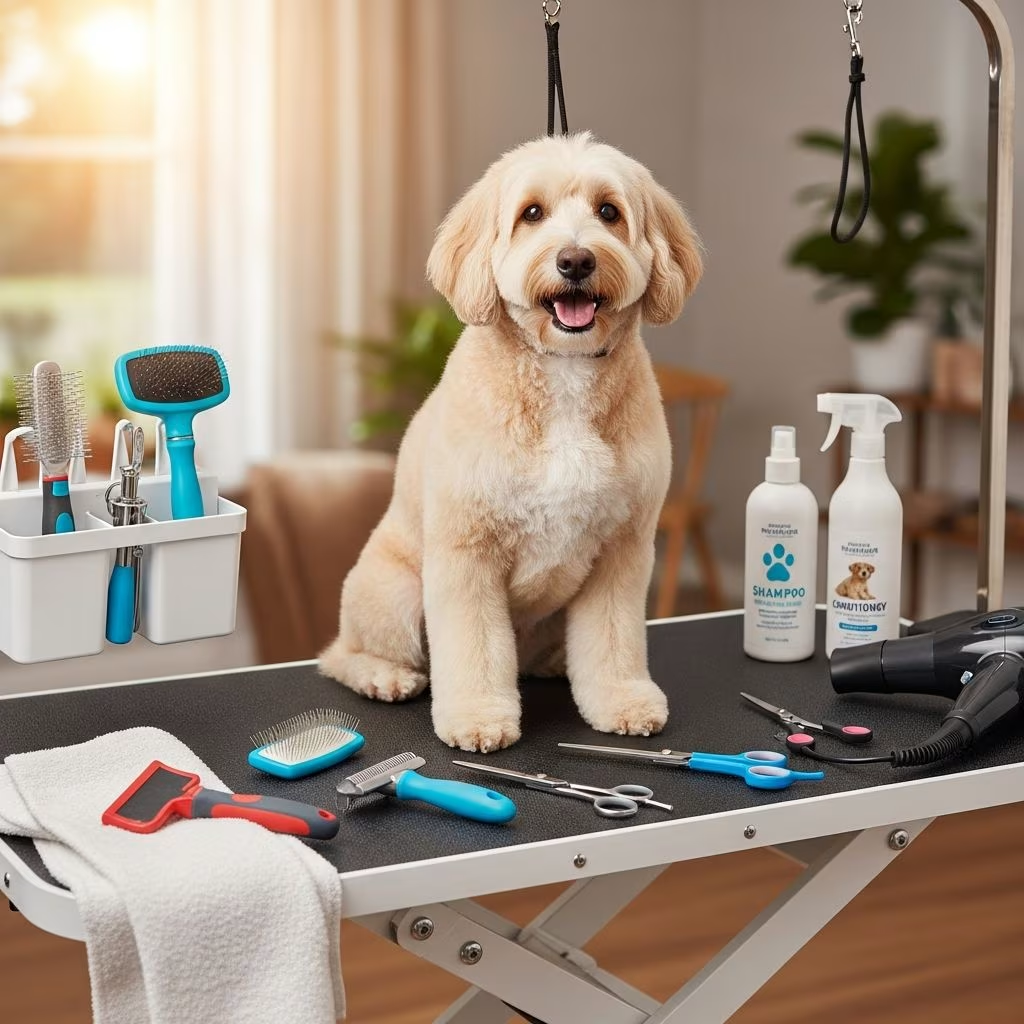
Before you begin grooming your pet at home, you’ll need to assemble a collection of quality grooming supplies. Having the right tools on hand makes the process easier and more effective for both you and your pet.
Must-Have Grooming Tools
- High-Quality Dog Brush: The foundation of any grooming routine, choosing the right brush for your dog’s coat type is essential. Different coats require different brushes to prevent damage and matting.
- Metal Comb: A fine-tooth metal comb helps detect and remove tangles, mats, and debris that brushes may miss, particularly in areas prone to friction.
- Coat Spray: Specialized grooming sprays can help detangle knots and make brushing smoother without damaging the coat.
- Dog Shampoo: Invest in a gentle, dog-specific shampoo formulated for your pet’s skin type and coat condition.
- Mild Dog Conditioner: A quality conditioner helps keep your dog’s coat soft, shiny, and manageable after bathing.
- Bath Wipes: Quick-clean bath wipes are convenient for spot cleaning between full baths.
- Nail Clippers or Grinder: Keeping nails properly trimmed prevents discomfort and potential health issues.
- Dog Toothbrush and Toothpaste: Dental care is an often-overlooked aspect of pet grooming that impacts overall health.
Understanding Your Dog’s Coat Type
Not all dog brushes and grooming methods are appropriate for every dog. Using the wrong tools or techniques can damage your pet’s fur, cause mats, or irritate the skin. The first step in establishing an effective home grooming routine is identifying your dog’s specific coat type.
Short, Smooth Coats
Dogs with short, smooth coats typically require minimal brushing but still benefit from regular grooming. These breeds often shed consistently throughout the year. A rubber brush like the KONG ZoomGroom applied with medium to firm pressure at least once weekly helps remove loose hair and stimulates the skin. This coat type is generally the easiest to maintain at home.
Short or Medium Double Coats
Breeds such as German Shepherds, Corgis, and Huskies have double coats that require more attention. Start with a slicker brush using medium pressure, brushing in the direction of fur growth. To reduce shedding, follow up with a metal comb or undercoat rake, carefully pulling through the hair without excessive force when you encounter tangles or mats.
Long Double Coats
Dogs with long double coats need more frequent and thorough grooming. Begin with a slicker brush, then use a metal comb to check for mats and tangles. The key is brushing all the way down to the skin. Start at your dog’s feet, lift sections of hair, and brush underneath the raised hair, working your way up the body. This technique ensures you remove all loose undercoat and prevent matting.
Curly or Wavy Coats
Curly and wavy-coated breeds are particularly prone to matting and require consistent grooming. These coats need weekly brushing with appropriate tools designed for textured fur. Regular maintenance prevents mats from forming close to the skin, where they become painful and difficult to remove.
Straight Coats
Straight coats have their own grooming requirements and should be brushed in the direction of hair growth using appropriate tools for the coat’s length and thickness.
Professional Brushing Techniques
Proper brushing technique is just as important as selecting the right tools. Incorrect methods can cause discomfort and skin irritation for your pet.
General Brushing Guidelines
Always brush in the direction of fur growth. This fundamental rule applies regardless of your dog’s coat type. Brushing against the grain can damage the hair shaft and cause discomfort.
Start at your dog’s feet and systematically work upward. Lift sections of hair and brush underneath the raised sections to reach the undercoat and remove loose hair effectively. This method ensures thorough coverage and prevents missing problem areas.
Handling Mats and Tangles
If your dog develops mats that won’t brush out, use a dematting tool to gently pick them apart from top to bottom. Keep a comb between the mat and your dog’s skin as a protective barrier, as dematting tools are sharp and can accidentally cut the skin. For mats very close to the skin, consult a professional groomer rather than risking injury to your pet.
Using Metal Combs Effectively
After brushing, use a metal comb to comb through your dog’s entire coat. You should be able to pull the comb through all the fur without resistance. Start with wider-spaced teeth to check for remaining tangles, then progress to narrower teeth for a thorough check. This step reveals areas that need additional brushing attention.
Bathing Your Dog at Home
Bathing is an essential component of home pet grooming that requires proper technique and preparation. Before bathing, brush your dog’s coat thoroughly to remove mats and tangles, as water can tighten knots and make them more difficult to remove.
Use lukewarm water and a dog-specific shampoo formulated for your pet’s skin type. Wet the coat starting from the neck and working backward, avoiding the face and ears. Apply shampoo and work it into a lather, massaging gently to avoid matting the coat. Rinse thoroughly with clean water until no shampoo residue remains. Apply conditioner if your dog has a longer or drier coat, following the same process. Rinse again thoroughly.
After bathing, wrap your dog in absorbent towels and gently squeeze out excess water. Some pet parents prefer using a dog dryer on a low setting, but ensure you never use human hair dryers as they can become too hot and damage the coat or burn sensitive skin.
Making Grooming a Positive Experience
Many dogs don’t initially enjoy being groomed, especially if it’s a new experience. The key to success is starting slowly and using positive reinforcement to build positive associations.
Desensitization Steps
Begin by allowing your dog to investigate the grooming tools. Let them sniff the brush and other equipment without any pressure. Give them a small treat after this investigation to create a positive association.
Next, bring your dog onto your lap or to a comfortable grooming surface and slowly run the brush over their body for just a few strokes. Immediately reward this behavior with another treat. Gradually increase the duration of brushing before giving rewards.
Finish each grooming session with a high-value reward like a bully stick or special treat. This positive conclusion makes your dog more willing to cooperate during the next grooming session.
For Puppies and Young Dogs
Introducing grooming while your puppy is young makes the process much easier as they mature. Young dogs are more adaptable and less likely to develop grooming anxiety. Allow puppies to become accustomed to the sounds and sensations of grooming tools through gentle exposure. Acclimate them to being touched by slowly running tools across their body while rewarding calm behavior.
If you’re clipping your puppy’s coat at home, start at the back and work forward, always clipping in the direction of hair growth. Clipping against the grain results in hair being cut three times shorter than intended, creating an uneven, unattractive appearance.
Managing Shedding
Excessive shedding can be minimized through regular grooming with appropriate tools. Deshedding brushes are specifically designed to remove loose undercoat and dead hair without harming the topcoat. These brushes work best with a gentle touch, particularly around sensitive areas like the spine, shoulders, and hips.
For short-haired dogs, deshedding brushes can be used every few days during shedding season. For longer-coated breeds like Malamutes, combine regular slicker brushing and combing with occasional deshedding brush use. Using deshedding brushes too vigorously can irritate the skin, so a light touch is essential.
Nail Care at Home
Regular nail trimming is often overlooked but crucial for your pet’s comfort and mobility. Long nails can cause pain when walking, alter your dog’s gait, and increase the risk of splitting or breaking. Establish a nail care routine every 4-6 weeks or when you notice nails beginning to touch the floor.
Choose between traditional nail clippers or a dog nail grinder based on your comfort level and your dog’s preference. Some dogs tolerate clippers better, while others respond more positively to grinders. Introduce whichever tool you choose gradually using the same desensitization techniques used for brushing.
Dental Care for Pets
Dental hygiene is an integral part of home pet grooming that many owners neglect. Brushing your dog’s teeth regularly helps prevent plaque buildup, reduces the risk of dental disease, and contributes to overall health. Use a dog-specific toothbrush and enzymatic toothpaste, never human toothpaste which can be harmful to pets.
Start slowly with puppies and adult dogs new to tooth brushing. Allow them to lick the toothpaste from your finger first, then gradually introduce the toothbrush. Even brushing a few teeth is beneficial when you’re building up to a complete routine.
Dealing with Specific Grooming Challenges
Dogs That Don’t Like Being Touched
Some dogs have sensitivities or anxiety related to being handled. For these pets, patience and extremely gradual desensitization are essential. Start by simply petting the area where you eventually want to groom, rewarding calm behavior. Over weeks or months, gradually introduce grooming tools and techniques.
Anxious or Resistant Pets
If your dog shows extreme anxiety during grooming, consult with your veterinarian to rule out underlying pain or medical issues. Once medical causes are excluded, work with a certified professional groomer or animal behaviorist to develop a desensitization plan.
Matted or Heavily Neglected Coats
Severely matted coats may require professional attention, particularly if mats are close to the skin or causing skin issues. Professional groomers have specialized tools and expertise to safely remove severe matting without injuring your pet.
Seasonal Grooming Considerations
Grooming needs often change with the seasons. Dogs with double coats typically shed more heavily during spring and fall as they transition between seasons. During these periods, increase brushing frequency to remove loose undercoat and reduce shedding around your home.
Summer heat may make shorter coats more comfortable for some dogs, though this should only be decided after consulting with your veterinarian or professional groomer, as coat length affects temperature regulation.
Creating a Grooming Schedule
Establishing a consistent grooming schedule helps both you and your pet understand expectations. Most dogs benefit from a weekly grooming routine, though specific needs vary by coat type and individual dog. Short-coated dogs might need just 15-20 minutes weekly, while long-coated breeds may require 30-45 minutes or more.
Choose a time when your dog is calm and you’re not rushed. Many pet parents find that grooming after exercise works well, as their pet is more relaxed and cooperative. Consistency builds positive associations and makes grooming easier over time.
When to Seek Professional Help
While home grooming is valuable, professional groomers offer services that most home pet parents cannot provide, such as full bathing and drying for large dogs, complex styling, and safe handling of dogs with severe anxiety or medical issues. Professional groomers have specialized equipment, training, and expertise developed through years of experience.
Schedule professional grooming appointments every 6-8 weeks depending on your dog’s breed and coat type. Regular home grooming between professional visits maintains coat health and makes professional appointments more comfortable for your pet.
Frequently Asked Questions
Q: How often should I groom my dog at home?
A: Most dogs benefit from weekly grooming sessions. However, frequency depends on coat type—short-coated dogs may need less frequent brushing, while long-coated or double-coated breeds require more regular attention to prevent matting and manage shedding.
Q: Can I use human grooming products on my dog?
A: No, always use dog-specific grooming products. Human shampoos, conditioners, and toothpaste are formulated for human pH levels and can irritate your dog’s skin or be harmful if ingested. Dog products are specifically designed for canine skin and coat needs.
Q: What should I do if my dog has severe matting?
A: For severe matting, especially mats close to the skin, consult a professional groomer. Attempting to remove severe mats yourself risks injuring your dog’s skin. Professional groomers have specialized tools and expertise to safely handle difficult situations.
Q: How can I make my anxious dog comfortable with grooming?
A: Use gradual desensitization by allowing your dog to investigate grooming tools, start with brief, gentle handling sessions, and reward calm behavior with treats. If anxiety is severe, consult a professional groomer or animal behaviorist for guidance.
Q: Is it necessary to bathe my dog before brushing?
A: It’s recommended to brush your dog before bathing to remove mats and tangles, as water can tighten knots. After bathing, brush again once the coat is dry to ensure even drying and final detangling.
Q: How do I know if my dog has an undercoat?
A: Dogs with undercoats have a dense layer of soft hair beneath the topcoat. You can feel this by parting the hair and looking at the base—if there’s significant soft hair underneath, your dog has an undercoat and will benefit from undercoat rakes or deshedding tools.
Q: Can I trim my dog’s nails at home?
A: Yes, with proper tools and technique. Use dog-specific nail clippers or a grinder, trim only the clear or light portion of the nail, and be careful not to cut the quick (the pink blood vessel inside the nail). If unsure, ask your veterinarian or groomer to demonstrate.
Q: How do I prevent my dog from getting mats?
A: Regular brushing is the best prevention. Brush at least weekly, paying special attention to areas prone to friction like behind ears, armpits, and between hind legs. Address tangles immediately before they develop into mats.
References
- Home Pet Grooming: A Cheat Sheet for Pet Parents — Chewy. 2025. https://www.chewy.com/education/dog/grooming/home-pet-grooming-cheat-sheet
- A Complete Guide to Brushing a Dog the Right Way, According to a Pro Groomer — Chewy. 2025. https://www.chewy.com/education/dog/grooming/brushing-a-dog
- 8 Essential Dog Grooming Supplies to Have at Home — Chewy. 2025. https://www.chewy.com/education/dog/grooming/8-essential-dog-grooming-supplies-for-at-home-grooming
- How to Groom a Puppy: Puppy Grooming Tips and Desensitization — Chewy. 2025. https://www.chewy.com/education/dog/grooming/dog-grooming-how-to-make-your-puppys-first-trip-to-the-groomer-stress-free
- Your Guide to the Best Dog Brushes to Groom Your Pet — Chewy. 2025. https://www.chewy.com/education/dog/grooming/less-shedding-yes-please-your-guide-to-the-best-dog-brushes-to-groom-your-pet



