

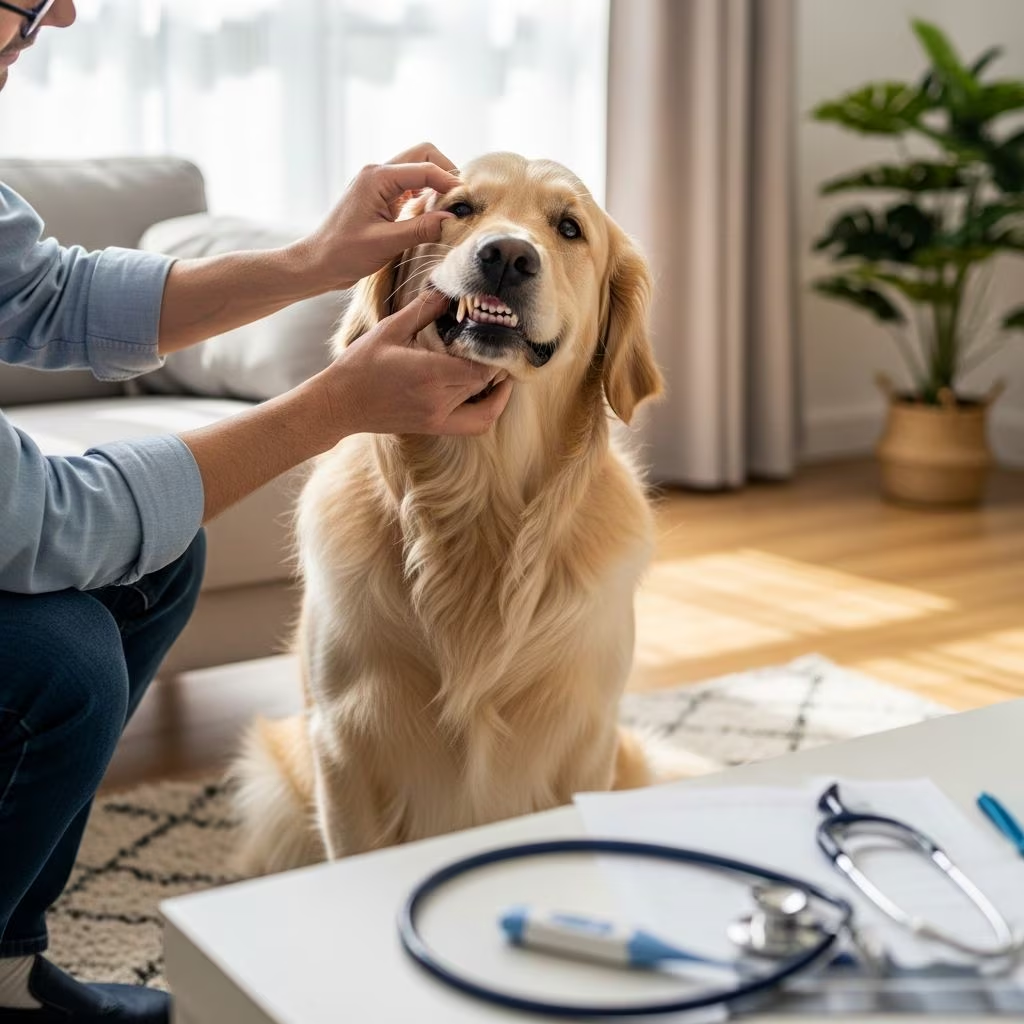
Performing regular health assessments on your dog at home is a vital practice that allows pet owners to detect potential problems early, potentially preventing serious conditions and extending your companion’s quality of life. These checks require no special equipment and can be done in just 10-15 minutes weekly, helping you become attuned to your dog’s normal state so deviations stand out clearly.
Why Routine Home Exams Matter
Dogs often mask illness until it’s advanced, making owner vigilance crucial. Early detection of subtle changes—like shifts in appetite or mobility—can lead to timely interventions that are less invasive and more cost-effective. Veterinary professionals emphasize that informed owners who monitor their pets contribute significantly to overall pet longevity and well-being. By establishing a baseline of ‘normal’ for your individual dog, you create a personalized health profile that accounts for breed, age, and lifestyle factors.
Preparing for Your Dog’s Home Wellness Review
Choose a calm, familiar environment free from distractions to ensure your dog is relaxed. Gather basic tools: a flashlight, treats for positive reinforcement, a notebook for tracking observations, and a helper if your dog is large or wiggly. Perform exams when your dog is rested, not right after eating or exercise, and always approach gently to build trust. Consistency is key—aim for monthly full checks and weekly quick scans.
Assessing Behavior and Daily Patterns
Start with observation, as behavioral shifts often signal the earliest warnings. Note your dog’s energy during routine activities: Does the playful pup now ignore fetch? Track sleep patterns; excessive drowsiness or restlessness can indicate pain or illness. Monitor social interactions—are they withdrawing from family or other pets? Appetite and thirst changes are red flags: sudden refusal of food or excessive drinking warrants attention. Elimination habits matter too—diarrhea, constipation, or straining suggest digestive or urinary issues. Use a simple journal to log these over time for patterns.
- Energy levels: Compare to baseline; lethargy may point to infections or metabolic disorders.
- Mood: Anxiety, aggression, or apathy can stem from pain or neurological concerns.
- Appetite/thirst: Increases or decreases often link to kidney, liver, or endocrine problems.
- Stool/urine: Color, consistency, frequency changes signal gastrointestinal or bladder health.
Visual Inspection of Eyes, Ears, Nose, and Mouth
A thorough head-to-toe visual scan reveals much about systemic health. Eyes should be clear, bright, and free of discharge; cloudiness or redness may indicate infections, allergies, or glaucoma. Ears: Check flaps for scratches, and peer inside for wax buildup, odor, or inflammation—common in floppy-eared breeds. Nose: Moist and cool is ideal; dry cracking or nasal discharge could mean dehydration or respiratory issues. For the mouth, lift lips to inspect gums (pink, not pale or inflamed), teeth (no heavy tartar or breaks), and breath (halitosis suggests dental disease). Tongue should be uniformly pink without ulcers.
| Area | Healthy Signs | Warning Signs |
|---|---|---|
| Eyes | Clear cornea, white sclera, equal pupils | Discharge, squinting, cloudiness |
| Ears | Clean, no odor, pink interior | Redness, wax, foul smell |
| Nose | Moist, no crusting | Dry, bleeding, discharge |
| Mouth | Pink gums, clean teeth | Tartar, loose teeth, bad breath |
Hands-On Body Palpation Techniques
Gentle touching allows detection of hidden issues. Begin at the head, feeling under the jaw for swollen lymph nodes, then glide hands along the neck, chest, and spine for lumps, heat, or sensitivity. Abdomen should feel soft and non-painful; bloating or hardness needs vet evaluation. Check limbs for swelling, heat in joints, or muscle wasting. Skin and coat: Smooth, shiny fur without flakes, bald spots, or parasites. Paws: Inspect pads for cracks, nails for overgrowth, and between toes for redness or foreign objects. Tail base and genitals: Look for irritation, discharge, or matted fur.
- Lymph nodes: Firm but not enlarged under jaw, armpits, groin.
- Skin: Lift folds to check for parasites, hotspots.
- Joints/Limbs: Flex gently; note limping or stiffness.
- Abdomen/Belly: Press lightly; watch for discomfort.
- Reproductive areas: Clean, no swelling or unusual scents.
Evaluating Vital Signs and Mobility
Basic vitals provide objective data. Heart rate: Place hand on chest behind elbow; normal resting range is 70-120 bpm for adults, varying by size (faster in small breeds). Breathing: Count chest rises per minute (10-30 at rest); labored or rapid patterns are concerning. Temperature: Use a rectal thermometer if comfortable (normal 100-102.5°F); ear or axillary methods are less accurate but useful trends. Observe gait: Watch walking, trotting, sitting—lameness or hesitation signals orthopedic issues. Coughing, sneezing, or gagging should be absent.
Age-Specific Considerations for Home Checks
Puppies need frequent weight tracking and socialization assessments, as growth spurts hide issues. Adults focus on preventive dental and parasite checks. Seniors require joint mobility tests, cognitive baselines (e.g., response to commands), and hydration skin-tent tests. Breeds prone to hip dysplasia or heart conditions merit targeted exams, like hip palpation or prolonged heart listening.
Common Findings and What They Mean
Lumps: Often benign lipomas, but rapid growth or attachment needs biopsy. Weight loss: Parasites, diabetes, or cancer culprits. Itching skin: Allergies, fleas, or hypothyroidism. These home spots empower quick vet discussions with specifics, improving diagnostics.
When to Escalate to Professional Care
Not all issues resolve at home—seek a vet if symptoms persist >24-48 hours or include: collapse, seizures, bloody stools/urine, extreme lethargy, non-stop vomiting, pale gums, or breathing distress. Emergency signs: inability to stand, excessive bleeding, or trauma. Track symptoms with photos/videos for the vet. Annual professional wellness exams complement home checks, including bloodwork and vaccines.
Building a Long-Term Health Tracking System
Create a digital or paper log with dates, weights (use baby scale), photos, and notes. Apps for pet health diaries integrate reminders. Share trends at vet visits. Nutrition, exercise, and dental hygiene enhance exam efficacy—brush teeth weekly, maintain flea preventives.
Frequently Asked Questions
How often should I do a home health check on my dog?
Weekly quick checks and monthly thorough exams are recommended, adjusting for age and health status.
Can I check my dog’s temperature without a thermometer?
Indirectly via ear wax consistency or skin temperature, but a proper thermometer is best for accuracy.
What if my dog resists the exam?
Use treats, short sessions, and positive reinforcement; consult a trainer for handling tips.
Is home palpation safe for all dogs?
Yes, if gentle; stop if pain is evident and note for vet follow-up.
How does home checking save money?
Early detection avoids costly advanced treatments; prevention trumps cure.
References
- Dog Wellness Check at Home: A Step-by-Step Guide — Cain Hoy Veterinary Hospital. 2023. https://www.cainhoyvet.com/dog-wellness-check-at-home/
- Giving Your Dog a Thorough Home Check-up — VCA Animal Hospitals. 2024. https://vcahospitals.com/know-your-pet/giving-your-dog-a-thorough-home-check-up
- How to Health Check a Dog at Home — Guide Dogs UK. 2024. https://www.guidedogs.org.uk/getting-support/information-and-advice/dog-care-and-welfare/dog-health-check/
- What is a Pet Wellness Exam? — National Veterinary Associates (via NMah Vet). 2023. https://nmah.vet/blog/what-is-a-pet-wellness-exam/
- How to Examine Your Dog at Home and When to See a Vet — Ask A Vet. 2025. https://askavet.com/blogs/news/vet-approved-guide-how-to-examine-your-dog-at-home-and-when-to-see-a-vet-2025-%F0%9F%90%B6



