Home Dog Grooming Guide: Essential Tips For Healthy, Happy Dogs
Master at-home dog grooming with step-by-step techniques, essential tools, and safety tips to keep your pup clean, healthy, and happy without salon costs.
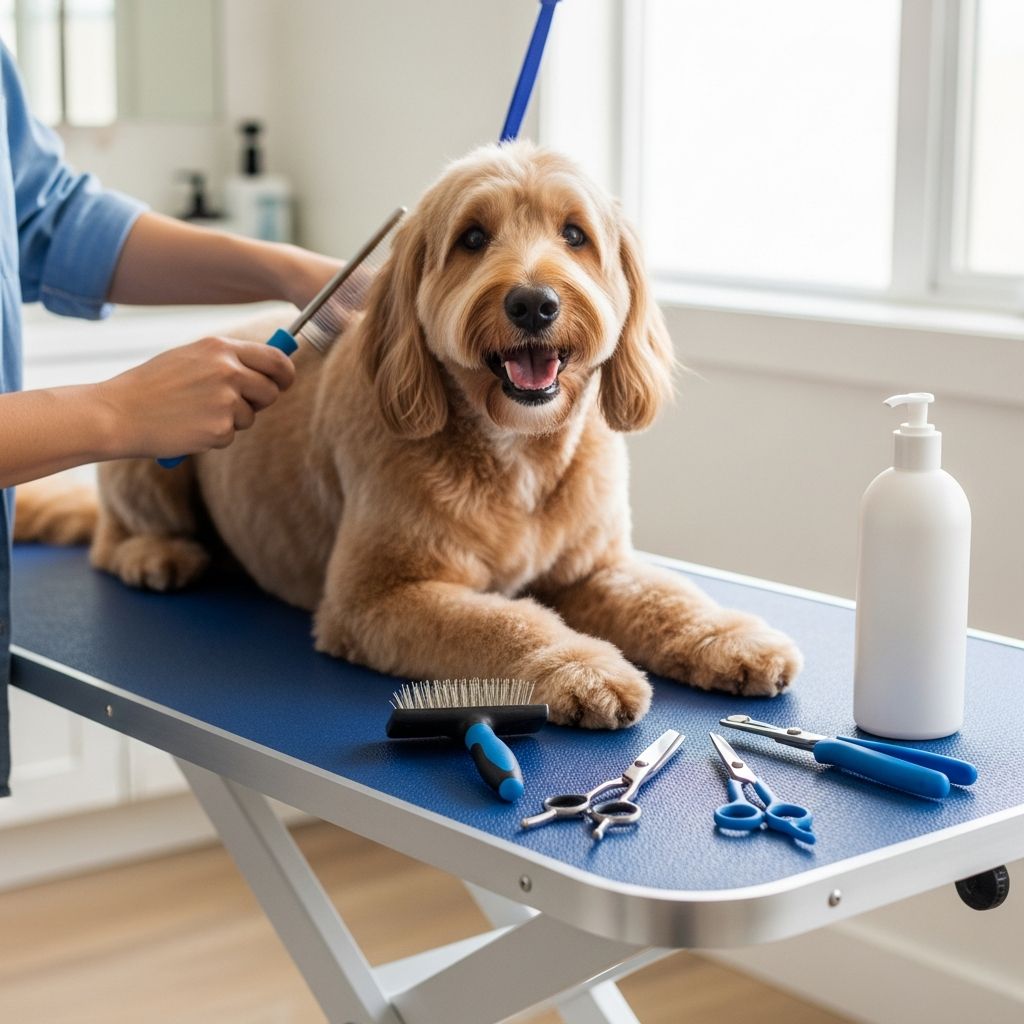
Home Dog Grooming Guide
Performing grooming tasks at home allows pet owners to bond with their dogs while promoting hygiene and detecting health issues early. Regular maintenance prevents matting, reduces shedding, and keeps skin free from irritations. This guide outlines essential practices tailored for various breeds and coat types.
Essential Tools for Effective Grooming
Gathering the right equipment ensures safe and efficient sessions. Start with brushes suited to coat length: slicker brushes for long fur to remove tangles, pin brushes for medium coats, and rubber curry brushes for short-haired breeds to lift dirt and dead hair.
- Nail clippers: Guillotine-style or scissor-type designed for dogs, with a quick-release mechanism.
- Clippers and guards: Cordless models with adjustable blades for body trimming.
- Scissors: Blunt-tipped grooming shears for face, paws, and finishing touches.
- Shampoos and conditioners: pH-balanced, hypoallergenic formulas to avoid drying out skin.
- Ear cleaner and wipes: Alcohol-free solutions for sensitive areas.
- Toothbrush and enzymatic toothpaste: Poultry or beef-flavored for dental care.
Invest in a non-slip mat and elevated table for stability during sessions. Treats and positive reinforcement tools make the process enjoyable.
Preparing Your Dog for Grooming
Acclimate your dog gradually to build trust. Begin with short, positive sessions touching sensitive areas like paws and ears. Use treats to reward calm behavior. For anxious dogs, play soft music or introduce tools one at a time over days.
Choose a quiet, well-lit space with good ventilation. Have all supplies within reach to minimize stress. Schedule grooming when your dog is relaxed, such as after a walk but before mealtime.
Step-by-Step Facial and Sensory Care
Cleaning delicate areas prevents infections and discomfort. Begin with the eyes: dampen a soft cloth with warm water and gently wipe away discharge from inner corners. Avoid cotton swabs to prevent injury. Check for redness or cloudiness, which may signal allergies or infections.
Move to ears: lift the flap and inspect for wax buildup, odor, or inflammation. Apply a vet-recommended cleaner with a cotton ball, massaging the base to loosen debris. Let your dog shake, then dry thoroughly. Never insert objects deep into the canal.
For the nose, use a damp cloth to remove crusts, ensuring it remains moist. Daily checks help monitor hydration and respiratory health.
Dental Hygiene at Home
Poor oral care leads to plaque, tartar, and gum disease. Brush teeth 2-3 times weekly using a soft finger brush or dual-ended dog toothbrush with enzymatic paste. Focus on the outer surfaces, angling at 45 degrees to the gumline. Praise throughout to maintain cooperation.
Supplements like dental chews or water additives reduce bacteria between brushes. Schedule professional cleanings annually if issues arise.
Brushing Techniques for Healthy Coats
Brushing distributes natural oils, removes loose fur, and stimulates circulation. Frequency varies: daily for long coats, 2-3 times weekly for short ones. Divide the body into sections, working from head to tail with the grain.
| Coat Type | Recommended Brush | Frequency |
|---|---|---|
| Short/Smooth | Rubber Curry or Shedding Blade | 2-3 times/week |
| Medium/Wiry | Pin or Slicker Brush | Every other day |
| Long/Silky | Slicker and Comb | Daily |
Detangle mats starting at ends, using a wide-tooth comb. For heavy shedders, undercoat rakes reach deep layers.
Mastering Coat Trimming and Clipping
Trimming maintains neatness and prevents overheating. Use clippers with guards for body work: start at the neck, moving backward in fur direction. Keep blades flat to avoid nicks. Switch to scissors for legs, tail, and sanitary areas.
- Secure dog on a stable surface.
- Clip body from largest guard, progressing shorter.
- Scissor face gently, holding skin taut.
- Trim paws between pads to prevent slipping.
- Finish tail by brushing then shaping.
Practice on one area first. For intricate styles, consult breed-specific guides.
Nail Trimming and Paw Maintenance
Overgrown nails cause pain and joint strain. Trim monthly, clipping small amounts to avoid the quick—a pink vein visible in light-colored nails. Use styptic powder for accidental cuts.
Clean paws post-walks: wipe pads, trim hair between toes, and moisturize cracks with paw balm. Inspect for cuts or foxtails.
Bathing Best Practices
Bathe every 4-6 weeks or as needed, overbathing strips oils. Brush first to loosen dirt. Wet thoroughly with lukewarm water, apply shampoo from neck down, avoiding eyes. Massage into a lather, rinse completely to prevent residue.
Conditioner detangles and shines. Towel-dry vigorously, then air-dry or low-heat blow-dry for long coats. Prevent shaking with a snug towel wrap.
Post-Grooming Massage for Relaxation
End with a gentle massage to reward your dog. Use firm strokes along muscles from head to tail, spending extra time on tense areas like shoulders. This improves circulation and strengthens your bond.
Common Mistakes to Avoid
- Rushing nail trims, risking the quick.
- Using human products, causing skin irritation.
- Neglecting drying, leading to chills or hotspots.
- Forcing anxious dogs, creating aversions.
- Ignoring breed-specific needs.
When to Seek Professional Help
Leave complex tasks like full breed cuts, matted fur removal, or behavioral issues to groomers. If you notice lumps, persistent odors, or wounds, consult a vet first.
Frequently Asked Questions
How often should I groom my dog at home?
Daily brushing for long coats, weekly baths, and monthly nails suffice for most dogs. Adjust based on shedding and lifestyle.
Can I groom my anxious dog?
Yes, with patience, treats, and gradual desensitization. Start short sessions and consider calming aids.
What if I cut the nail quick?
Apply styptic powder to stop bleeding. Monitor for infection and trim less next time.
Is clipper shampoo necessary?
Helpful for sensitive skin but regular dog shampoo works well with proper rinsing.
Cleaning Up Pet Hair Around the House
Lint rollers, rubber gloves, and squeegees tackle fur on furniture and floors efficiently. Vacuum with pet-specific attachments weekly.
References
- DIY Tips for Grooming a Dog at Home — PetMD. 2023-05-15. https://www.petmd.com/dog/care/evr_dg_diy-tips-for-grooming-dog-at-home
- Dog Grooming Tips: How to Groom Your Pet at Home — Best Friends Animal Society. 2024-02-10. https://bestfriends.org/pet-care-resources/dog-grooming-tips-how-groom-your-pet-home
- How to Groom Your Dog at Home in 10 Steps — Puppington. 2023-11-20. https://puppington.co/blogs/pup-wellness/diy-tips-for-at-home-dog-grooming
- Ultimate DIY Dog Grooming Guide for Beginners — Homes Alive Pets. 2024-01-08. https://blog.homesalive.ca/dog-blog/diy-dog-grooming
- DIY Grooming Tips for Dogs — Earthbath. 2023-09-12. https://earthbath.com/blogs/earthbath-blog/diy-dog-grooming
Similar Articles






Read full bio of Sneha Tete