

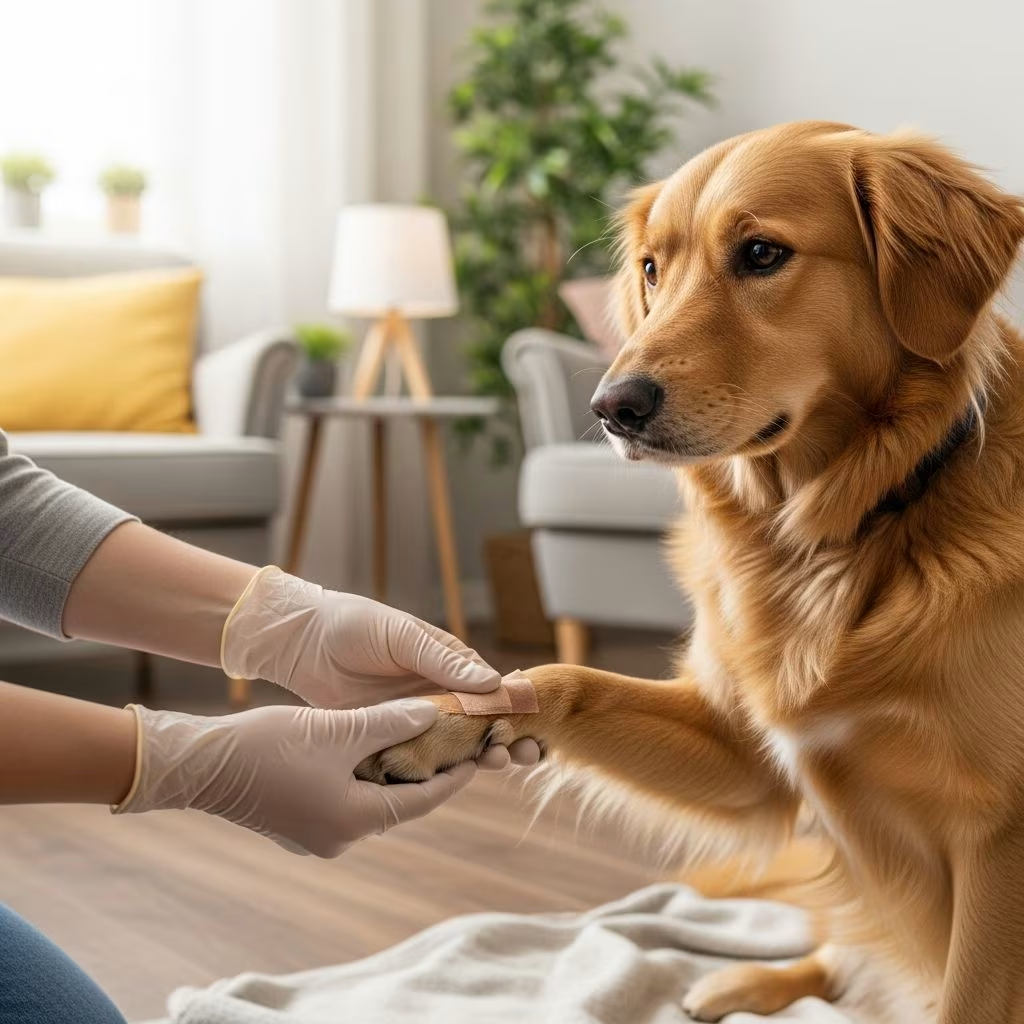
Pets are naturally curious and active, which means minor injuries are inevitable parts of pet ownership. Whether your dog returns from a hike with a scraped paw, gets a small cut while playing, or develops a minor skin issue, knowing how to manage these injuries at home can save you time and money while providing your pet with prompt relief. However, understanding the difference between injuries you can safely treat yourself and those requiring professional veterinary intervention is crucial for your pet’s wellbeing.
Establishing a Comprehensive Home First Aid Foundation
Before an injury occurs, preparation is essential. Building a well-stocked pet first aid kit ensures you have the necessary supplies readily available when accidents happen. This preparation reduces stress during emergencies and allows for immediate treatment, which often prevents complications and speeds recovery.
Your home first aid kit should include several categories of supplies, each serving a specific purpose in wound management and care. Having these items organized and easily accessible means you won’t waste precious time searching for supplies when your pet needs attention.
Essential Cleaning and Protection Supplies
- Pet-Safe Wound Spray: These specially formulated sprays help flush away debris and decontaminate minor wounds without causing irritation. Unlike human wound sprays, pet-safe versions are designed to be non-toxic if accidentally licked.
- Antimicrobial Wipes: Pet-specific wipes help clean minor skin injuries while preventing bacterial and fungal infections. These are gentler than human products and less likely to cause adverse reactions.
- Saline Solution: This sterile salt solution is ideal for flushing wounds and removing foreign materials. It’s gentle and won’t irritate sensitive tissue like some other cleaning agents.
- Clean Gauze Pads: Sterile gauze is essential for applying pressure to bleeding wounds and for dressing after treatment. Keep multiple sizes available for different wound types.
Topical Treatment Options
- Antimicrobial Ointments: Medical-grade honey ointments or triple antibiotic formulations have strong antibacterial properties that support healing. These create a protective barrier while fighting infection.
- Topical Creams for Inflammation: Enzymatic creams containing hydrocortisone are useful for inflammatory conditions like hot spots, helping reduce itching and swelling. However, these should not be used on open wounds.
- Styptic Powder: This specialized powder stops minor bleeding quickly and is particularly valuable for accidentally cut nails. The benzocaine ingredient also numbs the area, providing pain relief.
Bandaging and Support Materials
- Elastic wrapping (VetWrap or similar)
- Adhesive wound dressing and medical tape
- Cotton roll or bandage padding
- Bandage scissors
- Electric clippers for trimming fur around wounds
- Tweezers for removing splinters or debris
Assessing Injury Severity: When to Treat at Home Versus When to Seek Help
The most critical decision in pet injury management is determining whether home treatment is appropriate or if professional veterinary care is necessary. This assessment should happen before you begin any treatment.
Minor injuries suitable for home care include small cuts and scrapes that are superficial, don’t gape open, and show minimal bleeding. These injuries typically result from everyday activities and should heal without complications when properly managed at home.
Conversely, you should seek immediate veterinary attention for deep wounds, injuries that won’t stop bleeding after ten minutes of pressure, wounds with gaping edges, bites from unknown animals, or any injury affecting the eyes, face, or genitals. Additionally, if your pet is limping severely, showing signs of shock, or if you’re uncertain about the injury’s severity, professional evaluation is warranted.
Step-by-Step Protocol for Minor Wound Treatment
Preparation and Safety
Begin by putting on disposable gloves to keep your hands clean and prevent transferring bacteria to your pet’s wound. This simple step significantly reduces infection risk. Take a moment to calm your pet, as anxiety can make treatment more difficult and potentially cause additional injury.
Clearing the Area
Use electric clippers or scissors to carefully remove fur from around the injury site. Removing fur prevents hair from entering the wound during cleaning and allows you to monitor the injury more easily during recovery. Be gentle to avoid cutting the skin, which is why electric clippers designed for pets are preferable to scissors.
Initial Cleaning Process
Begin with cool, slightly soapy water using a gentle washing technique. Avoid warm or hot water, as it dilates blood vessels and can increase bleeding. Thoroughly rinse away all soap residue, as leftover soap can irritate the wound.
For wounds with visible debris, use tweezers to carefully remove foreign material. Once initial cleaning is complete, use your pet-safe wound spray and antimicrobial wipes to finish decontamination. This two-step cleaning process removes both visible and microscopic contaminants.
Managing Bleeding
Apply light pressure with clean gauze or a towel to any bleeding areas. If bleeding persists after several minutes, apply styptic powder to help stop it. For minor cuts on nails where you’ve cut into the quick, styptic powder is particularly effective.
Application of Topical Treatments
Once the wound is clean and dry, apply a small amount of antimicrobial ointment to the injury site. Medical-grade honey ointments are particularly beneficial due to their strong antibacterial properties. For inflammatory skin conditions, enzymatic creams with hydrocortisone may be more appropriate than standard antibiotic ointments.
Proper Wound Coverage
For wounds on the neck, chest, or abdomen, apply an adhesive wound dressing and secure it with medical tape if needed. For limb, tail, or paw injuries, use sterile gauze pads covered with cotton roll, then wrap with elastic bandaging or VetWrap. Ensure bandaging is firm enough to maintain pressure and keep the dressing in place, but not so tight that it restricts circulation.
Therapeutic Bathing and Soothing Treatments
Beyond traditional wound care, several home therapies can accelerate healing and provide comfort. A full bath removes dirt and grime from cuts and scrapes while simultaneously allowing you to discover any attached parasites during the shampooing process. This dual benefit makes bathing particularly valuable after outdoor activities.
For localized injuries, soaking the affected area in warm water with Epsom salts provides soothing relief, particularly for sore or chafed paws following hiking or outdoor play. However, prevent your pet from drinking the Epsom salt solution, as it can cause diarrhea.
If full bathing isn’t practical, dampen a washcloth in warm water with or without Epsom salts and use it to clean and compress the affected area. This targeted approach works well for injuries like cuts or scrapes on the back or other body regions unsuitable for soaking.
Managing Moisture-Related Skin Issues
Some pet injuries involve oozy or excessively moist skin lesions that require different treatment approaches. Domboro’s solution, available in the first aid section of most pharmacies, is gentle and drying for moist skin spots when used according to label directions. However, avoid overdrying the skin, as completely dehydrated skin creates its own problems and discomfort.
Critical Supplies to Avoid
Just as important as knowing what to use is understanding what to avoid. Hydrogen peroxide, commonly used in human first aid, can actually irritate pet wounds and slow healing. Alcohol and other harsh disinfectants can also damage healing tissue and cause unnecessary pain.
Similarly, avoid applying human over-the-counter products unless specifically directed by your veterinarian, as some contain ingredients toxic to pets. What’s safe for humans isn’t automatically safe for animals, which is why pet-specific products are essential.
Addressing Common Specific Injuries
Paw and Limb Injuries
Paws are particularly vulnerable to injuries during outdoor activities. After treating the wound, wrapping the paw with elastic bandaging provides support and protection. If swelling occurs, applying an instant ice pack wrapped in a towel for 10-15 minutes every couple of hours helps manage inflammation.
Nail Injuries
Accidental nail trimming injuries happen frequently during grooming. Apply styptic powder immediately to stop bleeding. The benzocaine ingredient provides pain relief, helping your pet feel more comfortable during recovery.
Hot Spots and Inflammatory Lesions
These painful, itchy skin areas respond well to enzymatic creams with hydrocortisone, which reduce both inflammation and itching. Preventing your pet from licking the area is crucial for healing.
Post-Injury Monitoring and Infection Prevention
After treating your pet’s injury, continue monitoring the wound daily for signs of infection. Redness, swelling, discharge, or foul odor indicate that professional veterinary care is needed. Most minor injuries should show improvement within a few days and complete healing within one to two weeks.
Keep the wound as clean and dry as possible during recovery. Change bandages if they become soiled or damp, and reapply topical ointments as directed. Prevent your pet from licking or chewing the injury by using an Elizabethan collar if necessary.
Creating a Pet First Aid Response Plan
Beyond assembling supplies, develop a plan for handling injuries before they occur. Know the location of your veterinary clinic and the nearest emergency veterinary hospital. Keep your veterinarian’s phone number easily accessible, along with poison control and emergency services numbers. Having these resources readily available eliminates decision-making delays during stressful situations.
Consider taking a pet first aid course to build confidence in your ability to respond effectively to injuries. These courses, often offered by local animal shelters or veterinary clinics, provide hands-on training and personalized guidance based on your specific pets’ needs.
Frequently Asked Questions About Home Pet Injury Care
Can I use human first aid supplies on my pet?
Some human products are safe for pets when used appropriately, but many contain ingredients that can be toxic if licked or absorbed through the skin. Always use pet-specific products unless your veterinarian specifically recommends a human product. When in doubt, consult your veterinarian before applying anything to your pet’s wound.
How long should I wait before seeing a veterinarian if home treatment isn’t working?
If you notice increasing redness, swelling, discharge, or if your pet is licking excessively despite your efforts to prevent it, contact your veterinarian immediately. Don’t wait more than a few days to see improvement in minor injuries.
What’s the best way to prevent my pet from licking their wound?
An Elizabethan collar (cone) is the most effective prevention method. Some pets tolerate bitter-tasting sprays designed to discourage licking, though these work inconsistently. Keeping your pet calm and providing distractions also helps reduce the urge to lick.
Should I bandage all minor wounds?
Not all minor injuries require bandaging. Small scrapes on areas your pet can’t easily lick may heal better with air exposure. However, bandaging is beneficial for wounds in areas your pet can access, on the paws or limbs, or in locations prone to dirt exposure.
Conclusion
Successfully managing your pet’s minor injuries at home requires preparation, knowledge, and good judgment. By maintaining a well-stocked first aid kit, understanding proper wound care techniques, and knowing when professional help is necessary, you can provide excellent care for your pet while avoiding unnecessary veterinary visits for truly minor injuries. Remember that every pet is different, and what works for one may not work for another. When uncertain, always err on the side of caution and consult your veterinarian.
References
- Dog Wound Care: How to Clean and Treat Dog Wounds at Home — PetMD. https://www.petmd.com/dog/general-health/dog-wound-care-how-to-clean-treat-dog-wounds-at-home
- How to Make a Pet First Aid Kit (and Actually Use It) — American Animal Hospital Association (AAHA). https://www.aaha.org/resources/how-to-make-a-pet-first-aid-kit-and-actually-use-it/
- Treating Your Pet’s Minor Injuries at Home — Animal Medical Center of New York. https://www.amcny.org/blog/2019/05/29/treating-your-pets-minor-injuries-at-home/
- Step-By-Step Wound Care for a Dog at Home and When to Call the Vet — Bond Vet. https://bondvet.com/blog/step-by-step-wound-care-for-a-dog-at-home-and-when-to-call-the-vet
- A Pet Parents’ Guide to First Aid for Dogs and Cats — Chewy. https://www.chewy.com/education/dog/health-and-wellness/first-aid-for-dogs-cats
- Treating Simple Pet Injuries at Home — Houston AECNE. https://houstonaecne.com/treating-simple-pet-injuries-at-home/



