

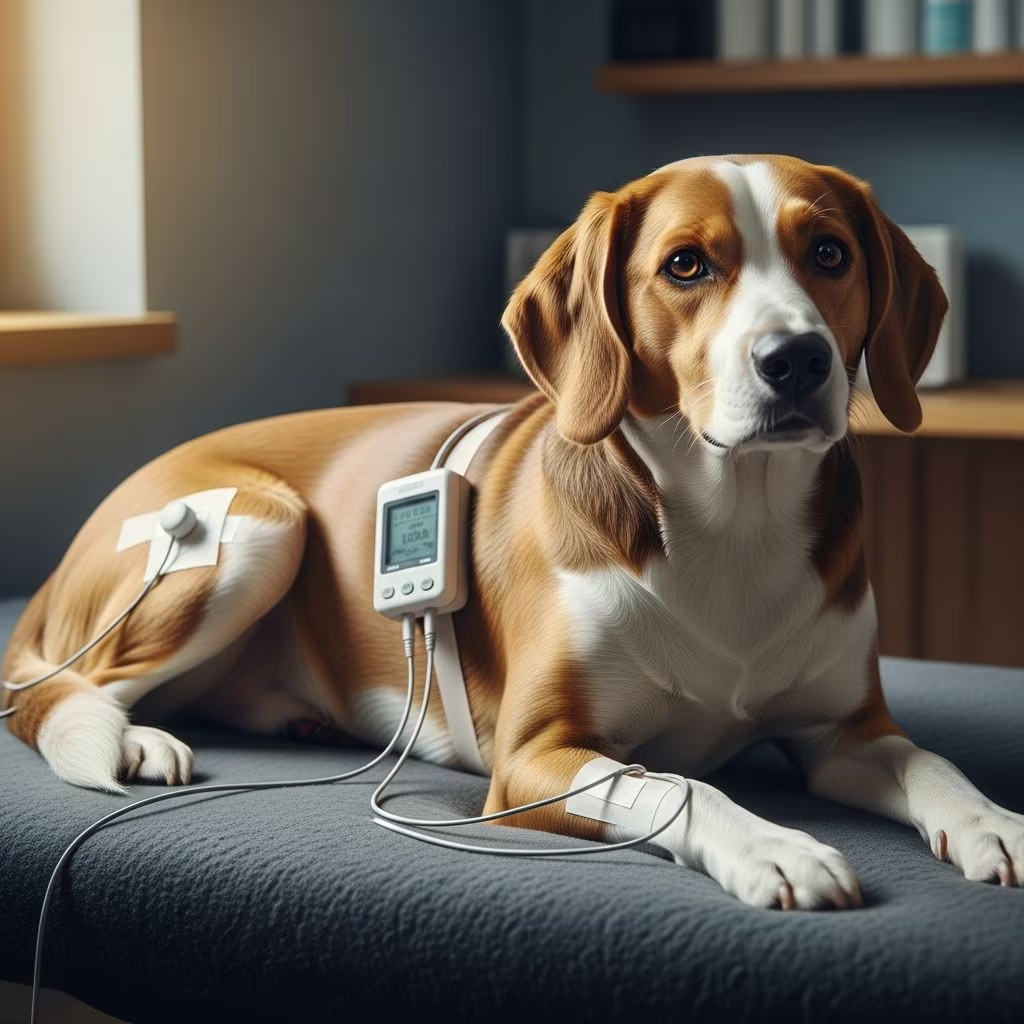
Understanding Holter Monitors for Dogs
A Holter monitor is a portable device that continuously records the electrical activity of your dog’s heart over an extended period, typically 24 hours or longer. Unlike routine electrocardiograms (ECGs) performed in your veterinarian’s clinic, which provide only a brief snapshot of heart rhythm, a Holter monitor captures comprehensive data while your dog engages in normal daily activities. This extended recording capability makes it exceptionally valuable for identifying occasional or intermittent cardiac arrhythmias that might be missed during a standard clinical examination.
The device has been instrumental in veterinary cardiology since its introduction almost 70 years ago, saving countless canine and human lives through early detection of heart problems. Today, Holter monitoring remains one of the most important diagnostic tools available to veterinary cardiologists, particularly for detecting irregular heartbeats that occur sporadically and may not be present during an office visit.
What Does a Holter Monitor Do?
A Holter monitor functions by recording the electrical signals generated by your dog’s heart as it beats throughout the monitoring period. The device is worn as a special vest or harness with multiple electrodes attached to the skin, typically after small areas of fur are shaved for better electrode contact. These electrodes detect the heart’s electrical activity and transmit the information to a small recording unit, which stores the data for later analysis.
During the monitoring period, usually at least 24 hours, your dog should engage in normal activities including walking, eating, sleeping, and playing. You will be provided with a diary sheet where you should record your dog’s activities and any observed symptoms such as fainting episodes, weakness, or unusual behavior. Many monitors include an event button that you can press to mark specific moments when your dog experiences noticeable symptoms.
After the recommended monitoring period concludes, you return the monitor and activity diary to your veterinarian’s office. Your veterinarian will analyze the recorded ECG data, searching for abnormalities in heart rhythm. In some cases, your veterinarian may submit the recording to a cardiology telemedicine service for specialized analysis and interpretation by board-certified veterinary cardiologists.
Why Does Your Dog Need a Holter Monitor?
Your veterinarian may recommend Holter monitoring for several important reasons. The test is typically used when your dog has a history of syncope (fainting episodes) or when abnormal or irregular heartbeats have been detected during a clinical examination. However, the applications extend beyond these situations to encompass several diagnostic and monitoring purposes.
Primary Indications for Holter Monitoring
Holter monitors serve multiple critical functions in canine cardiac assessment:
– Determining heart rate variability: The monitor tracks how your dog’s heart rate changes during different activities and states, including normal activity, exercise, rest, and sleep. This information helps veterinarians understand how your dog’s heart responds to various stimuli.- Diagnosing arrhythmia types: By identifying the specific type of irregular heartbeat or rhythm abnormality, your veterinarian can determine the most appropriate treatment approach. Different arrhythmias require different therapeutic strategies.- Analyzing medication effectiveness: If your dog has been prescribed cardiac medications to treat an arrhythmia, a Holter monitor can demonstrate whether the medication is effectively controlling the abnormal rhythm.- Evaluating pacemaker function: For dogs that have received pacemakers, Holter monitoring helps ensure the device is functioning correctly and maintaining appropriate heart rhythm.
Breed-Specific Screening
Certain dog breeds are particularly prone to inheritable heart conditions that predispose them to dangerous arrhythmias. Boxer dogs and Doberman Pinschers are among the most commonly affected breeds, prone to developing hereditary cardiomyopathy (heart muscle disease). English Bulldogs and Boxer mixes also show increased susceptibility to these conditions. Giant breeds such as Irish Wolfhounds can develop spontaneous atrial fibrillation. For these high-risk breeds, routine Holter monitoring can serve as a valuable screening tool to detect irregular heartbeats before clinical signs appear, allowing for early intervention and management of their heart condition.
How Your Dog Wears a Holter Monitor
The Holter monitor apparatus designed for dogs consists of a specially fitted vest or harness containing the recording device, with several ECG lead wires attached to electrodes. The system is intentionally unobtrusive and most dogs adjust to wearing it very quickly, often ignoring its presence within minutes to hours. The lightweight equipment does not typically interfere with your dog’s ability to walk, eat, or play normally.
Before the monitor is attached, your veterinarian will shave several small areas of fur on your dog’s chest to allow the ECG electrodes to make proper contact with the skin. This ensures optimal signal transmission and accurate recording of the heart’s electrical activity. The electrodes are gentle and designed to adhere securely without causing discomfort or skin irritation.
Once the monitor is properly fitted, your dog can resume normal activities immediately. The vest can be worn underneath your dog’s regular collar and lead, and your pet can participate in all normal daily routines. Many dogs become so accustomed to the device that owners report their pets seem completely unaware of its presence.
Important Instructions During Monitoring
Your veterinarian will provide specific instructions for your dog’s particular situation. Generally, it is recommended to keep your dog calm and relaxed during the monitoring period, though mild to moderate activity is completely appropriate and actually beneficial, as it allows the monitor to record heart activity during various states. Avoid strenuous exercise or situations that might cause extreme stress or excitement, as this may interfere with the accuracy of the baseline data collection.
The Monitoring Process: What to Expect
Duration of Monitoring
Most Holter monitoring sessions last for 24 hours, which provides sufficient data for analysis in many cases. However, monitoring can extend for 48 hours or even up to 7 days when investigating clinical signs that may not occur during an initial 24-hour period. Research shows that extending monitoring from 24 to 48 hours increases the likelihood of identifying relevant cardiac rhythm abnormalities, particularly for dogs with supraventricular arrhythmias. The decision to extend monitoring depends on your dog’s specific condition and the clinical questions that need to be answered.
Activity Tracking and Event Marking
Maintaining an accurate activity diary during the monitoring period is essential for proper interpretation of the results. You should document when your dog engages in various activities such as walking, eating, sleeping, playing, and any periods of rest. Additionally, note any observed symptoms including episodes of weakness, fainting, coughing, difficulty breathing, or unusual behavior. If your monitor has an event button, press it whenever you observe a concerning symptom so that the exact timing of symptoms can be correlated with the electrical activity recorded by the monitor.
Post-Monitoring Analysis
After the monitor is returned to your veterinarian’s office, the recorded data undergoes detailed analysis. Your veterinarian searches for abnormalities such as skipped beats, periods of excessively fast heart rates (tachycardia), or periods of abnormally slow heart rates (bradycardia). The activity diary you maintained provides crucial context for interpreting these findings, as certain rhythm changes may be normal responses to activity or stress, while others may indicate pathology requiring treatment.
Non-Invasive and Well-Tolerated
Holter monitoring is a non-invasive diagnostic test that is generally well-tolerated by dogs of all ages and temperaments. Unlike some cardiac diagnostic procedures that require sedation or anesthesia, Holter monitoring allows your狗 to remain fully awake and active throughout the monitoring period. This non-invasive nature makes it an excellent first-line diagnostic tool for investigating suspected cardiac arrhythmias, with minimal risk and maximum information gain.
Clinical Benefits and Applications
The information gathered through Holter monitoring provides invaluable insights that directly impact treatment decisions and long-term management of your dog’s heart condition. For dogs experiencing unexplained fainting episodes, Holter monitoring can definitively determine whether the cause is related to an abnormal heart rhythm or another condition entirely. For dogs already receiving cardiac medication, the monitor demonstrates whether current therapy is achieving its therapeutic goal or whether medication adjustments are needed.
In breeding programs for high-risk breeds, Holter monitoring serves as an important screening tool to identify carriers of hereditary arrhythmias, potentially preventing the transmission of these conditions to future generations. The comprehensive nature of the data collected during Holter monitoring often allows veterinarians to make accurate diagnoses and implement appropriate treatment strategies more efficiently than would be possible through repeated clinic visits and brief ECG snapshots.
Is Holter Monitoring Right for Your Dog?
Not all dogs require Holter monitoring, but if your veterinarian suspects a heart condition, if your dog has experienced unexplained fainting or weakness, or if your dog belongs to a breed at higher risk for inherited heart disease, Holter monitoring is worth discussing with your veterinarian. The test provides objective data that can guide diagnostic and treatment decisions, ultimately helping to protect your dog’s heart health and overall well-being. Your veterinarian can help determine whether Holter monitoring is appropriate for your individual dog’s circumstances.
Frequently Asked Questions About Holter Monitors for Dogs
Q: How long does my dog need to wear the Holter monitor?
A: Most dogs wear a Holter monitor for at least 24 hours during normal daily activities. In some cases, your veterinarian may recommend 48 hours or longer monitoring to capture intermittent arrhythmias that may not occur during a shorter period.
Q: Will my dog be uncomfortable wearing the monitor?
A: Most dogs tolerate the Holter monitor very well. The vest is lightweight and unobtrusive, and most dogs ignore its presence within minutes. Your dog can eat, sleep, and play normally while wearing the device.
Q: Can I bathe my dog while wearing the monitor?
A: No, the monitor cannot get wet. Your veterinarian will provide specific instructions about bathing and water exposure. Typically, you should avoid bathing your dog during the monitoring period.
Q: What happens if the monitor falls off?
A: Contact your veterinarian immediately if the monitor becomes loose or falls off. Do not attempt to reattach the device yourself, as proper electrode contact is essential for accurate recording.
Q: How long does it take to get results from Holter monitoring?
A: Your veterinarian typically analyzes the data within several days to a week. Results may be available sooner if the recording is submitted to a cardiology telemedicine service for specialist interpretation.
Q: Can my dog exercise while wearing the monitor?
A: Mild to moderate activity is encouraged during monitoring, as it provides valuable information about your dog’s heart response to exercise. However, avoid strenuous exercise or situations that cause extreme stress or excitement.
Q: Is Holter monitoring painful for my dog?
A: No, Holter monitoring is non-invasive and painless. The electrodes adhere gently to the skin, and most dogs do not experience any discomfort during the monitoring period.
Q: Why is keeping an activity diary important?
A: Your activity diary helps your veterinarian correlate your dog’s activities and symptoms with the recorded heart rhythm data. This correlation is essential for accurate interpretation and diagnosis of any abnormalities detected.
References
- Holter Monitor in Dogs — VCA Animal Hospitals. 2025. https://vcahospitals.com/know-your-pet/holter-monitor-in-dogs
- Holter Monitoring in Dogs: 24 h vs. 48 h — PubMed Central, National Institutes of Health. 2021-06-01. https://pubmed.ncbi.nlm.nih.gov/33941329/
- Holter Monitoring Service — Veterinary Cardiology of Orange County. 2025. https://vetcardiologyoc.com/service/holter-monitoring/
- Holter Monitor for Dog: What You Should Know — Animal Cardiology Specialists of Nevada. 2025. https://animalcardiologynv.com/what-is-a-holter-monitor-and-does-your-dog-need-one/
- Let’s Talk About Holter Monitors for Pets: Their Purpose, Procedures, and Results — 4 Paws Imaging. 2025. https://www.4pawsimaging.net/blog/lets-talk-about-holter-monitors-for-pets-their-purpose-procedures-and-results



