

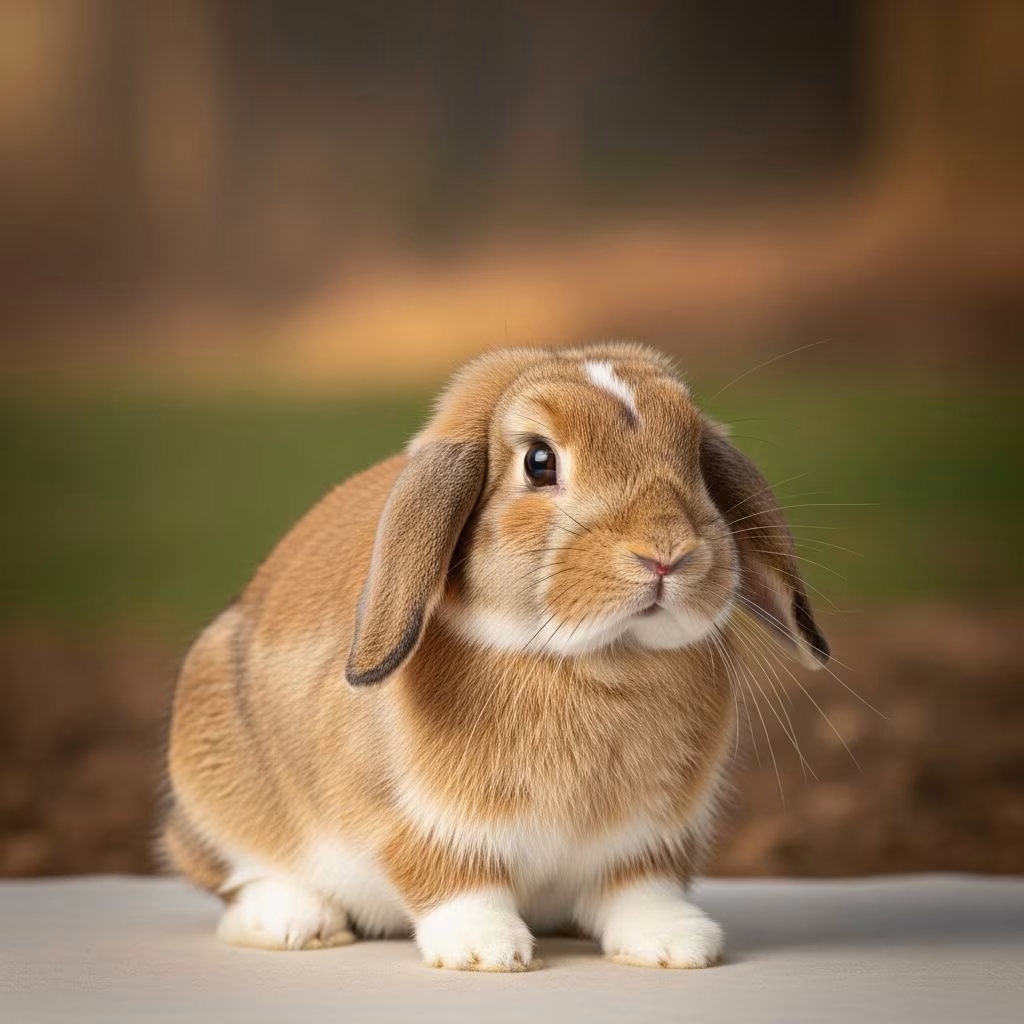
Holland Lops are one of the most beloved and popular rabbit breeds in the world, known for their charming personalities, compact size, and adorable appearance. These miniature rabbits make wonderful companions for families, individuals, and first-time rabbit owners alike. With their distinctive floppy ears, round faces, and gentle demeanor, Holland Lops have captured the hearts of rabbit enthusiasts worldwide. Understanding the unique characteristics and care requirements of this breed is essential for providing them with a happy, healthy life.
Breed Overview and History
The Holland Lop is a relatively modern rabbit breed that was developed in the Netherlands. Originally created by Dutch breeder Adriaan de Cock, the Holland Lop was developed as a hybrid of the French Lop and the Netherland Dwarf breed. The goal was to create a dwarfed, lop-eared rabbit that was smaller and more manageable than the larger French Lop while maintaining the breed’s characteristic charm and appeal. The breed was officially recognized by the American Rabbit Breeders Association (ARBA) in 1979, marking a significant milestone in the breed’s history. Today, Holland Lops rank among the top five most popular rabbit breeds recognized by the ARBA, reflecting their widespread appeal and popularity among rabbit owners.
Physical Characteristics and Appearance
Size and Weight
Holland Lops are miniature rabbits that remain remarkably small throughout their lives. These rabbits typically weigh between 2 to 4 pounds at maturity, with the maximum weight set at 4 pounds according to ARBA show standards. Despite their small size, Holland Lops possess a surprisingly muscular and well-toned body structure that makes them appear sturdy and compact. Their diminutive size makes them ideal for apartment living and households with limited space, while still providing enough substance to handle comfortably.
Distinctive Physical Features
The most recognizable feature of a Holland Lop is undoubtedly their characteristic floppy ears, which hang close to the sides of their heads and frame their face in an endearing manner. These ears are short, broad, and well-furred, contributing significantly to the breed’s appeal. Holland Lops possess large, expressive eyes that give them an intelligent and curious expression. Their heads are notably broad and well-proportioned to their compact bodies, featuring short, rounded noses that distinguish them from other lop-eared breeds. The face is flat and round, with a distinctive puff of fur at the back of the head known as the crown, which should be properly defined and positioned.
Body Structure
The ideal Holland Lop body type is compact, short, massive, and thickset, creating a well-balanced appearance when viewed from any angle. The body should display equal width, depth, and length with a broad chest, creating a stocky silhouette. Holland Lops have short, straight, thick legs that appear like tree stumps, heavily boned and muscular in appearance. Their deep hindquarters provide the power needed for their energetic hopping, while their short neck and broad shoulders contribute to their overall sturdy appearance. The topline should start behind the head and carry back to a well-muscled body and hindquarter, maintaining proper balance throughout.
Coat and Coloration
Holland Lops possess a dense, soft, glossy coat that is fine in texture and approximately one inch in length. The ARBA recognizes over 30 different coat color and pattern variations in Holland Lops, ranging from solid colors such as black, chocolate, blue, and orange to intricate markings including broken patterns and tortoiseshell designs. The coat exhibits a rollback characteristic, meaning it gradually rolls back to its normal position when stroked in the opposite direction of natural growth, from hindquarters to shoulders. A high-quality Holland Lop coat should appear glossy, thick, and lustrous without being excessively soft or woolly.
Temperament and Personality
Beyond their physical beauty, Holland Lops are celebrated for their endearing and friendly personalities. These rabbits are known for being calm, affectionate, and playful, making them excellent companions for various living situations. While Holland Lops can be somewhat shy and jumpy when first introduced to new environments, they quickly become comfortable and social once they acclimate to their surroundings. Once comfortable, they display a wonderful, fun-loving personality that makes them delightful pets to care for and interact with.
Holland Lops are generally easy to handle and enjoy human interaction when properly socialized. Many Holland Lops enjoy spending quiet time snuggling with their favorite humans, demonstrating their affectionate nature. They are playful yet easygoing, providing entertainment and companionship to their owners. Interestingly, male Holland Lops tend to be more outgoing and animated than females, often being described as very pet-oriented and loving. Female Holland Lops can be slightly shyer and may go through a nippy stage when they desire to be bred, though this behavior typically passes with age. Overall, both male and female Holland Lops are very sweet and suitable for first-time rabbit owners.
Lifespan and Health Considerations
The typical Holland Lop lifespan ranges from 7 to 10 years, providing owners with many years of companionship and enjoyment. Like all rabbit breeds, Holland Lops require proper care, nutrition, and veterinary attention to maintain optimal health throughout their lives. Regular check-ups with a veterinarian experienced in rabbit care are essential for monitoring their well-being and addressing any health concerns promptly. Providing a balanced diet rich in hay, fresh vegetables, and limited pellets will support their overall health and longevity.
Ideal Living Environment
Home Environment Requirements
Holland Lops thrive best in quiet, calm households where they can feel safe and secure. These sensitive rabbits can become stressed in loud, chaotic environments, so homes with adults or older children are generally ideal. A peaceful atmosphere allows Holland Lops to display their full personality and form strong bonds with their human companions. They should be provided with a safe, spacious enclosure that allows them to move comfortably and express natural behaviors.
Exercise and Activity
Despite their small size, Holland Lops are active and energetic rabbits that require daily supervised time outside their cage to exercise and release energy. They enjoy hopping, exploring, and playing with toys and enrichment items. Providing supervised free-roam time in a rabbit-proofed area allows them to exercise their muscles, maintain a healthy weight, and engage in natural behaviors. Many Holland Lops benefit from having toys to chew on, which provides mental stimulation and helps prevent destructive behavior toward other objects or property.
Suitability as Family Pets
Holland Lops are excellent pets for families, individuals, and first-time rabbit owners due to their gentle disposition and manageable size. Their friendly nature makes them suitable companions for people of various ages and experience levels. However, because they can be skittish and may startle easily, they are best suited to calm, gentle handling environments. Families with older children who understand how to interact gently with small animals will find Holland Lops to be wonderful, rewarding pets. Their moderate exercise requirements and reasonable lifespan make them accessible for various lifestyles and living situations.
Breed Standards and Show Characteristics
The Holland Lop breed standard, as established by the ARBA, specifies precise characteristics that define the ideal Holland Lop. These standards include the compact body type, massive head in proportion to the body, distinctive lopped ears, glossy dense coat, heavy bone structure, and overall balance and symmetry. High-quality Holland Lops demonstrate these characteristics consistently, with proper bone density, glossy coats, and correct head carriage resulting from deep shoulders rather than long front legs. The breed standard ensures that Holland Lops maintain their distinctive appearance and desirable traits across generations.
Comparison of Holland Lops with Other Rabbit Breeds
| Characteristic | Holland Lop | French Lop | Netherland Dwarf |
|---|---|---|---|
| Weight | 2-4 lbs | 9-14 lbs | 1.5-2.5 lbs |
| Ear Type | Lopped (floppy) | Lopped (floppy) | Upright |
| Head Size | Large, broad | Large, broad | Large for body size |
| Temperament | Friendly, calm | Friendly, docile | Active, curious |
| Best for | Families, apartments | Experienced owners | Active households |
Care Requirements and Best Practices
Providing proper care for a Holland Lop involves several important responsibilities. A nutritious diet consisting primarily of timothy hay, supplemented with fresh vegetables and limited pellets, is essential for maintaining digestive health and preventing obesity. Fresh water should be available at all times. Regular grooming helps maintain their glossy coat and prevents matting, particularly during shedding seasons. Nail trimming, dental care, and regular veterinary check-ups are crucial components of responsible Holland Lop ownership. Creating an enriched environment with hiding spaces, toys, and tunnels supports their mental and physical well-being.
Frequently Asked Questions
Q: Are Holland Lops good pets for children?
A: Holland Lops can be good family pets, but they are best suited for families with older children who understand gentle handling. They can be skittish and may not tolerate rough play, so supervision and careful interaction are important.
Q: How long do Holland Lops live?
A: The typical Holland Lop lifespan is 7 to 10 years with proper care, nutrition, and veterinary attention throughout their lives.
Q: What is the maximum weight of a Holland Lop?
A: According to ARBA standards, Holland Lops have a maximum weight of 4 pounds, making them miniature rabbits suitable for various living spaces.
Q: Do Holland Lops require special grooming?
A: Holland Lops require regular grooming to maintain their glossy, dense coat. Brushing during shedding seasons, nail trimming, and dental care are important aspects of their grooming routine.
Q: Are male or female Holland Lops better pets?
A: Both males and females make excellent pets. Males tend to be more outgoing and animated, while females can be slightly shyer but are often neater. Choice depends on individual preference and personality.
Q: How much exercise do Holland Lops need?
A: Holland Lops require daily supervised time outside their cage to exercise and release energy. They should have access to toys and enrichment items to keep them mentally stimulated and physically active.
References
- Holland Lop Rabbit Breed Information — Holland Lop Rabbit Specialty Club. 2024. https://www.hlrsc.org/about-7
- Holland Lop Rabbit – PetMD — PetMD. 2024. https://www.petmd.com/rabbit/breeds/holland-lop
- Holland Lop — American Rabbit Breeders Association (ARBA). 2024. https://arba.net/holland-lop/
- Holland Lop Rabbit Breed — Lafeber Company. 2024. https://lafeber.com/mammals/holland-lop-rabbit-breed/
- The Vet’s Guide to Holland Lop Rabbits: Facts, Care, and Training Tips — Vets Love Pets. 2024. https://vetslovepets.com.au/blogs/rabbit/holland-lop
- Judging the Holland Lop — Lots of Lops Rabbitry. 2024. http://www.lotsoflops.com/judging-the-holland-lop.html



